
Florida, often affectionately known as the Sunshine State, is far more than just pristine beaches, world-renowned theme parks, and balmy weather. It is a dynamic, rapidly growing state within the United States, characterized by an ever-evolving demographic landscape that profoundly influences its vibrant tourism industry, diverse accommodation options, rich cultural tapestry, and unique lifestyle offerings. Understanding the population of Florida is not merely a matter of numbers; it’s about grasping the very essence of what makes this state a compelling destination for millions of visitors and a cherished home for its diverse residents.
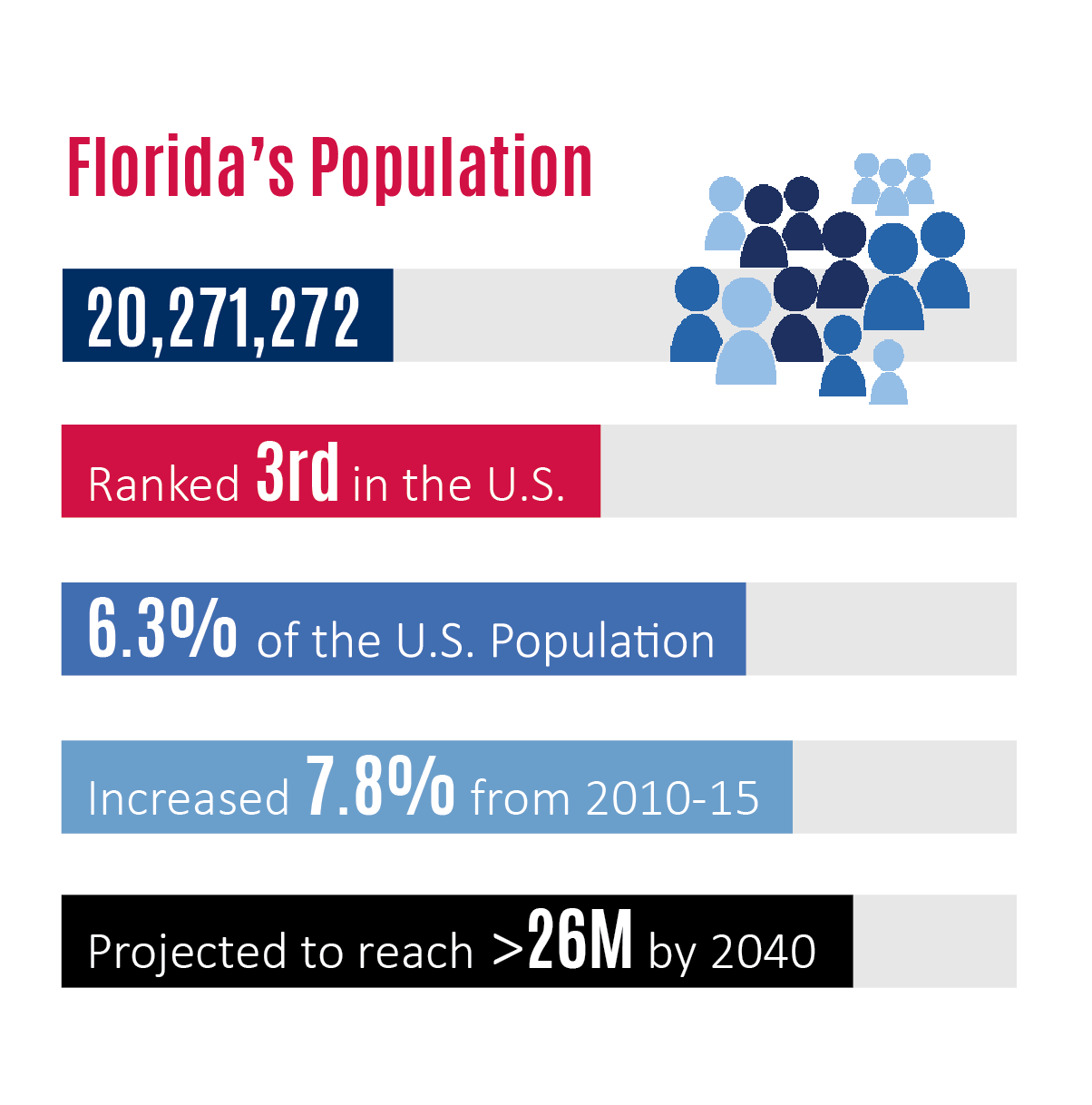
The population of Florida has experienced exponential growth over the past several decades, transforming it into one of the most populous states in the nation. This surge in residents, driven by both domestic migration and international immigration, has reshaped its urban centers, coastal communities, and even its more tranquil natural preserves. From the bustling metropolitan areas of Miami and Orlando to the charming historic streets of St. Augustine Historic District and the serene natural beauty of Everglades National Park, every corner of the state feels the pulse of its growing populace. This extensive growth fuels the demand for new travel experiences, diverse culinary scenes, state-of-the-art accommodations, and an infrastructure that constantly adapts to cater to both residents and the millions of tourists who flock here annually. The interplay between population dynamics and the state’s travel and tourism sectors is intricate, creating a unique environment where development, culture, and nature coexist, often in fascinating and sometimes challenging ways.

Florida’s Population Boom: A Magnet for New Residents and Visitors
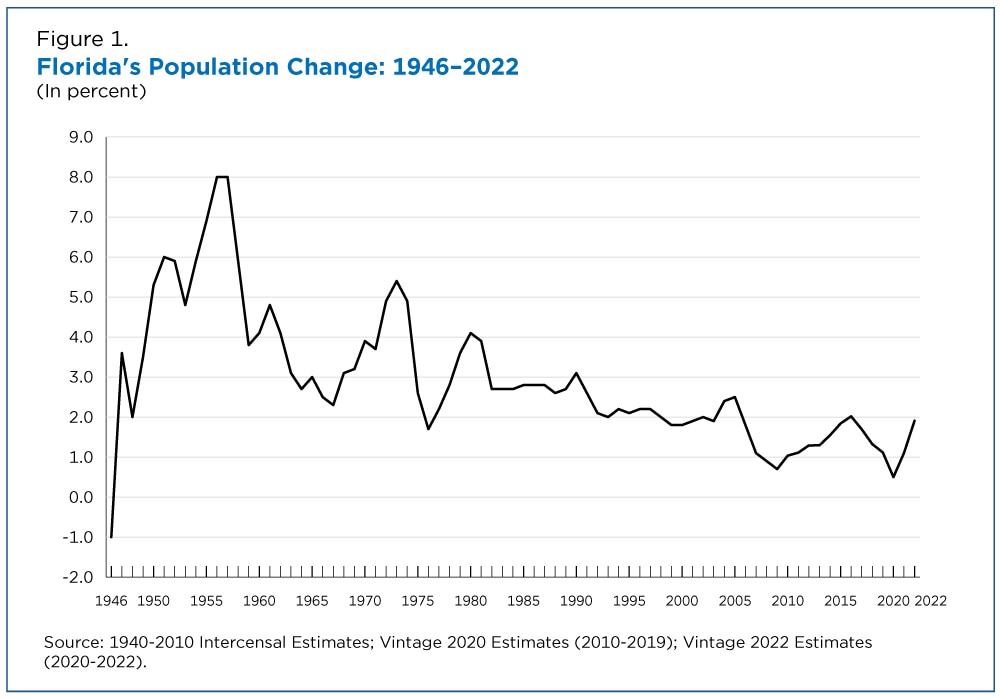
Florida’s population growth is one of its most defining characteristics. The state consistently ranks among the fastest-growing in the United States, attracting hundreds of thousands of new residents each year. This influx is not accidental; it’s the result of a powerful combination of factors that make the Sunshine State an irresistible magnet. For anyone looking to understand the allure of Florida as a travel destination or a potential place to call home, recognizing these drivers is key.
Growth Drivers: Why Everyone’s Moving to the Sunshine State
Several key factors contribute to Florida’s relentless population surge. Firstly, the state’s favorable tax climate, particularly the absence of a state income tax, is a significant draw for individuals and businesses alike. This financial incentive is a powerful motivator for retirees seeking to maximize their pensions and for younger professionals and entrepreneurs looking for a more financially viable environment to live and work. Secondly, the year-round warm weather and abundant sunshine are undeniably powerful magnets, especially for those escaping colder climates in states like New York, Illinois, or the Midwest. This appeal extends beyond just escaping winter; it promotes an outdoor-centric lifestyle that appeals to a broad demographic, from active seniors to young families.
Thirdly, Florida’s robust job market, particularly in sectors such as healthcare, tourism, aerospace, and technology, offers ample opportunities. Major metropolitan areas like Orlando and Tampa are diversifying their economies beyond tourism, creating vibrant professional landscapes. Fourthly, the sheer diversity of lifestyle options is unparalleled. Whether one seeks the fast-paced, cosmopolitan energy of Miami, the family-friendly suburban charm of Orlando, the laid-back beach town vibe of Sarasota, or the historical richness of St. Augustine, there’s a community to suit nearly every preference. This variety ensures that as the population grows, it also diversifies, leading to a richer cultural fabric and an expanded array of experiences for residents and tourists.
Lastly, Florida’s strategic location as a gateway to Latin America and the Caribbean has long attracted international immigrants, further contributing to its demographic expansion and cultural vibrancy. This international connection is particularly evident in cities like Miami, which boasts a deeply multicultural heritage reflected in its cuisine, music, and local traditions, making it a unique global hub within the United States. The continuous arrival of new residents not only increases the numerical population but also enriches the state with diverse perspectives, skills, and cultural practices, which in turn enhance the overall tourism experience through broader culinary offerings, more varied entertainment, and unique cultural festivals.
Demographic Dynamics: Understanding Florida’s Diverse Inhabitants
Beyond just the numbers, understanding the composition of Florida’s population provides deeper insights into its unique character and the evolving needs and desires of its residents and visitors. The state is a true melting pot, shaped by internal migration from other U.S. states, particularly from the Northeast and Midwest, as well as significant international immigration. This rich blend of backgrounds creates a fascinating social landscape that influences everything from local politics to the types of amenities available in tourist destinations.
Age and Origin: Who Calls Florida Home?
One of the most defining characteristics of Florida’s population is its age distribution. Historically, Florida has been renowned as a retirement haven, attracting a substantial senior population drawn by the warm climate and active adult communities. Cities like Naples, Sarasota, and Palm Beach are famous for their vibrant retiree communities, offering a lifestyle centered around golf, leisure, and social engagement. This demographic plays a crucial role in the state’s economy, influencing everything from healthcare infrastructure to the development of specialized tourism products catering to mature travelers, such as cruises and long-stay vacation rentals.
However, recent trends show a significant influx of younger families and working professionals, particularly into urban centers like Orlando, Tampa, and Jacksonville. These new residents are drawn by job opportunities, diverse educational institutions such as University of Florida and University of Miami, and a desire for an improved quality of life. This demographic shift is leading to a more balanced age profile and injecting new energy and diverse perspectives into Florida’s communities. The presence of younger families increases demand for child-friendly attractions, schools, and parks, while working professionals boost the need for business travel facilities and sophisticated urban amenities.
Geographically, the population is heavily concentrated along the coasts, especially the Atlantic Ocean and Gulf of Mexico shorelines. Major cities such as Miami, Fort Lauderdale, West Palm Beach, St. Petersburg, and Tampa are situated in these coastal regions, forming dense urban corridors. Central Florida, anchored by Orlando, represents another significant population cluster, driven largely by its massive tourism industry. This concentration has implications for urban planning, environmental conservation, and the distribution of tourism resources, from beach resorts to urban cultural attractions. The demographic diversity, spanning age, ethnicity, and socioeconomic backgrounds, ensures that Florida offers an experience for every type of traveler, from luxury seekers to budget adventurers, and from solo explorers to multi-generational family groups. This dynamic population base contributes directly to the richness of local cultures, the variety of culinary offerings, and the vibrancy of the arts and entertainment scene found across the state.
Population and Tourism: The Intertwined Destinies of Florida
The relationship between Florida’s burgeoning population and its colossal tourism industry is a symbiotic one. A larger resident base provides a ready workforce for the hospitality sector, supports local businesses, and creates a demand for diverse amenities that ultimately benefit visitors. Conversely, the tourism industry generates massive revenue, creates jobs, and contributes to the infrastructure development that serves both residents and tourists. Understanding this interplay is crucial for appreciating the full scope of Florida’s appeal.
Impact on Attractions and Destinations
Florida’s population growth has a direct and profound impact on its tourist attractions and destinations. As more people move to the state, the demand for diverse recreational activities and cultural experiences increases, leading to a continuous evolution of its offerings. The sheer number of residents provides a stable local market for attractions like Walt Disney World Resort, Universal Studios Florida, and Busch Gardens Tampa Bay, which might otherwise struggle outside of peak tourist seasons. This steady patronage allows these mega-attractions to continually invest in new rides, shows, and experiences, keeping them fresh and appealing to a global audience.
Beyond the major theme parks, population growth fuels the development of a broader range of attractions. This includes everything from new culinary districts that reflect the state’s diverse demographics, such as the vibrant Little Havana in Miami, to burgeoning art scenes in cities like St. Petersburg, home to the famous Dali Museum, celebrating the works of Salvador Dali. The increasing population also puts pressure on and often highlights the importance of preserving Florida’s natural landmarks and historical sites. Everglades National Park, Biscayne National Park, and Dry Tortugas National Park continue to draw immense interest, requiring careful management to balance visitor access with ecological preservation. Similarly, historical sites like Castillo de San Marcos in St. Augustine and Vizcaya Museum & Gardens in Miami are cherished by both residents and tourists, benefiting from increased local engagement and funding. The rise in population also means more people seeking out niche experiences, like ecotourism tours in the Florida Keys, paddleboarding on the St. Johns River, or exploring the charming historic towns of Mount Dora or Winter Park.
Meeting the Demand: Accommodation, Infrastructure, and Lifestyle
The surge in Florida’s population, combined with its robust tourism sector, places immense demand on accommodation and infrastructure. New hotels, resorts, and vacation rentals are constantly being developed to keep pace with the influx of both long-term residents and short-term visitors. From luxury beachfront resorts like The Breakers Palm Beach and The Ritz-Carlton, Sarasota to expansive family-friendly hotels like Waldorf Astoria Orlando and Disney’s Grand Floridian Resort & Spa, the options are vast and varied. The rise of peer-to-peer vacation rental platforms has also flourished, allowing property owners to cater to tourists seeking more authentic, local experiences or long-term stays, particularly popular with “snowbirds” from Canada and northern U.S. states.
Infrastructure development is critical. Major airports such as Miami International Airport and Orlando International Airport are continuously expanding to handle the increasing air traffic. Roads and public transportation systems are also under constant pressure to adapt to higher usage. This expansion, while essential, also brings challenges related to congestion and environmental impact, which local governments and environmental organizations are actively working to address.
The lifestyle in Florida is as diverse as its population. For residents, the blend of subtropical climate, cultural diversity, and economic opportunities creates a unique living experience. For tourists, this translates into an incredible array of activities and experiences. Whether it’s enjoying the vibrant nightlife and Art Deco Historic District of South Beach, exploring the magic of Epcot, relaxing on the pristine sands of Clearwater Beach or Siesta Key, or experiencing the rich history of Key West’s Duval Street, there’s something for everyone. From luxury shopping in Palm Beach to budget-friendly adventures camping in state parks, Florida truly caters to every type of traveler. The growth of the population also supports a thriving culinary scene, with restaurants offering everything from authentic Cuban cuisine in Miami to fresh seafood along the Panhandle coast. Events like the South Beach Wine & Food Festival are testament to the state’s gastronomic evolution, fueled by diverse palates and culinary talents.
The impact extends to niche markets as well. The growing professional population in cities like Tampa and Jacksonville bolsters the demand for business hotels, convention centers, and corporate travel services. Meanwhile, the youthful demographic contributes to a dynamic nightlife, music festivals, and adventure tourism. The burgeoning arts and culture scene, from museums in St. Petersburg to theater in Gainesville, attracts culture enthusiasts. Even beyond the major cities, smaller communities like Anna Maria Island, Sanibel Island, and Amelia Island benefit from the ripple effect of population growth, seeing increased visitor numbers and expanded local businesses.
In conclusion, the population of Florida is not just a static figure; it’s a living, breathing indicator of the state’s vibrant growth, its challenges, and its boundless potential. It shapes the destinations we explore, the accommodations we choose, the cultures we encounter, and the lifestyles we experience. As Florida continues to grow, it will undoubtedly remain a fascinating subject for anyone interested in travel, tourism, and the evolving dynamics of one of the United States’ most compelling states. Its future, much like its present, will be defined by the continuous interplay between its welcoming spirit and the diverse millions who choose to call it home or simply visit its sunny shores.
LifeOutOfTheBox is a participant in the Amazon Services LLC Associates Program, an affiliate advertising program designed to provide a means for sites to earn advertising fees by advertising and linking to Amazon.com. Amazon, the Amazon logo, AmazonSupply, and the AmazonSupply logo are trademarks of Amazon.com, Inc. or its affiliates. As an Amazon Associate we earn affiliate commissions from qualifying purchases.