
Texas, a land of vast landscapes, booming metropolises, and a rich tapestry of cultures, often conjures images of boundless opportunity and grand adventures. From the bustling streets of Houston and Dallas to the historic charm of San Antonio and the vibrant music scene of Austin, the Lone Star State offers an unparalleled array of experiences for travelers and residents alike. However, beneath the surface of its dynamic economy and celebrated attractions lies a more complex reality, one that includes varying degrees of economic well-being across its diverse communities. Understanding the poverty level in Texas is not merely a statistical exercise; it offers crucial insights for those seeking to travel responsibly, engage deeply with local cultures, and make informed lifestyle choices within the state.
For travelers, insights into the economic landscape can shape everything from where they choose to stay, what experiences they seek, and how they can contribute positively to the communities they visit. For those considering a longer stay, or even relocation, understanding the cost of living and the socio-economic fabric of different regions is paramount. This article aims to explore the concept of poverty in Texas, not just through a lens of economic data, but by connecting it to travel, tourism, and lifestyle decisions, offering a comprehensive perspective for the discerning individual.
Understanding the Economic Landscape: Poverty in Texas
The concept of poverty is often defined by federal guidelines, setting a baseline income threshold below which individuals and families are considered to be living in poverty. These thresholds are determined by the United States Census Bureau and vary based on family size and composition. In Texas, like the rest of the nation, these federal poverty levels (FPL) serve as a critical benchmark for determining eligibility for various social assistance programs and for assessing the overall economic health of the population.
Defining Poverty Lines in Texas
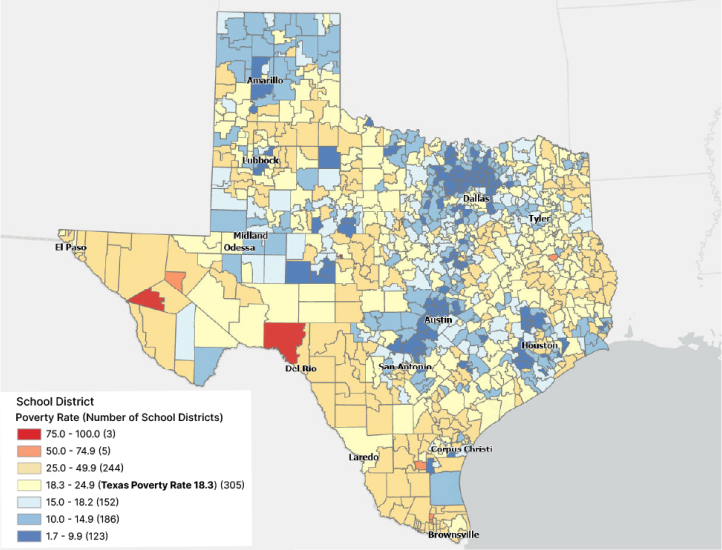
While the federal poverty guidelines are uniform across the continental United States, the cost of living in Texas can vary dramatically from one region to another. For example, the expenses associated with housing, transportation, and daily necessities in a major metropolitan area like Austin are significantly higher than in a rural community in West Texas. This means that while a household might technically be above the FPL, they could still face considerable financial strain in high-cost areas.
As of recent data, the poverty rate in Texas has shown fluctuations, but generally hovers around the national average or slightly above. This translates to millions of Texans, including a significant number of children, living below the poverty line. These figures highlight the pressing need for economic development and support systems across the state. For instance, a single individual might be considered impoverished with an annual income below approximately $15,000, while a family of four might fall below the line with an income under $30,000 (these figures are subject to annual adjustments by the federal government).
Regional Disparities: A State of Contrasts
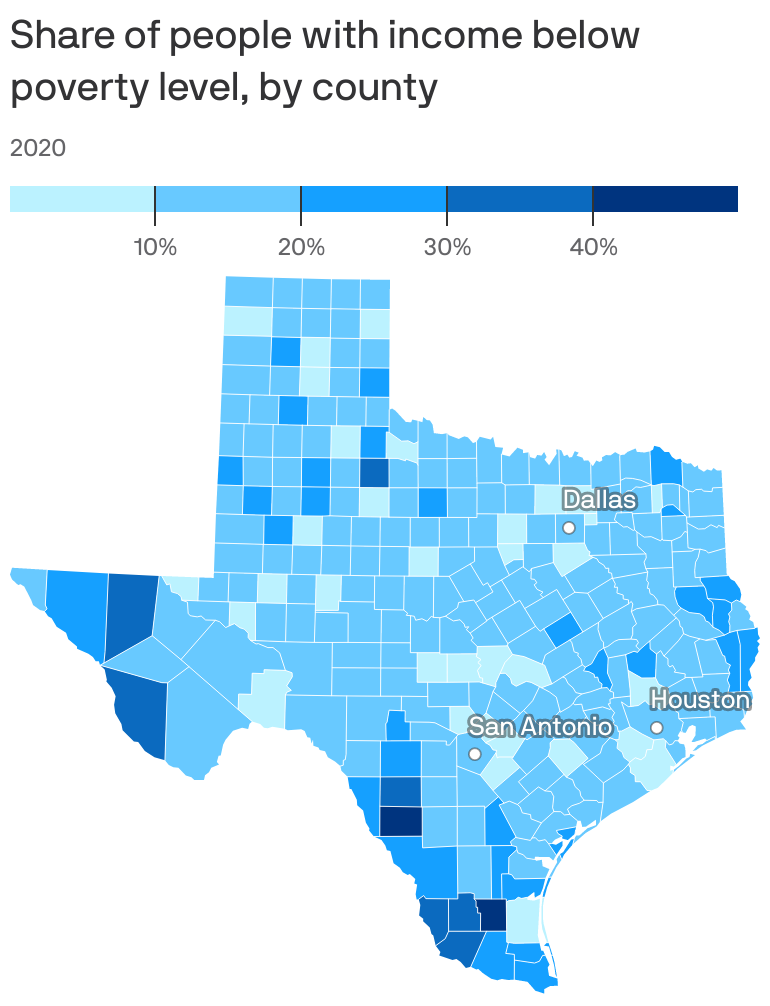
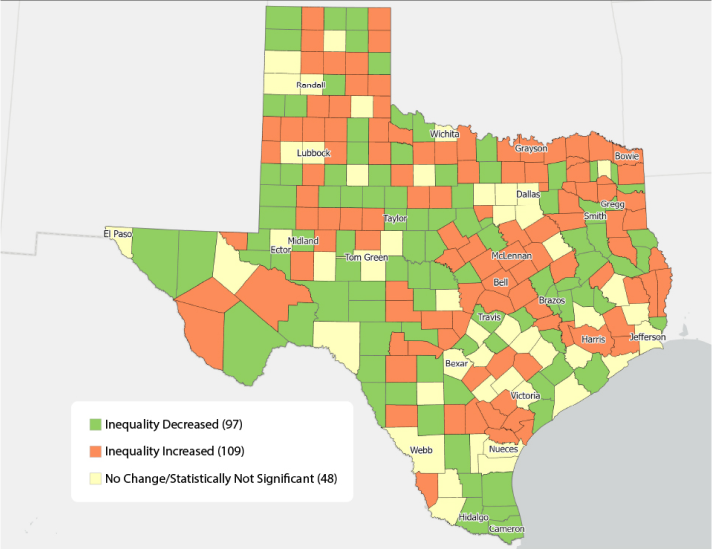
Texas is a state of immense size and diversity, and its economic landscape reflects this. Poverty is not evenly distributed but concentrated in specific regions and demographics.
- Urban vs. Rural: While major urban centers like Houston and Dallas boast thriving economies and numerous job opportunities, they also contend with pockets of deep poverty, particularly in underserved neighborhoods. Conversely, many rural areas, especially those reliant on declining industries or with limited access to resources, often face higher poverty rates and fewer economic opportunities. The Rio Grande Valley, for example, is a region that has historically experienced some of the highest poverty rates in the state due to a confluence of factors including border economics, agricultural reliance, and limited infrastructure.
- Demographic Factors: Certain demographic groups, including Hispanic and African American communities, and single-parent households, are disproportionately affected by poverty in Texas. Understanding these disparities is crucial for both policy-makers and responsible travelers who wish to engage with the full spectrum of Texan life.
- Impact on Infrastructure: Economic challenges in certain areas can impact the development of tourism infrastructure. While popular destinations like South Padre Island or the Hill Country benefit from significant investment in hotels, resorts, and attractions, regions with higher poverty might have less developed tourism sectors, potentially offering more rustic or off-the-beaten-path experiences.
Navigating Texas on a Budget: Travel & Accommodation Considerations
For travelers, understanding the economic realities of Texas can be a valuable tool for planning an enriching and affordable trip. The presence of varied economic conditions means that Texas offers a spectrum of travel experiences, from luxury resorts to budget-friendly adventures that allow visitors to stretch their dollar further while still enjoying the state’s unique charm.
Affordable Destinations and Experiences
While major cities like Austin and Dallas can be pricey, Texas is brimming with destinations that offer incredible experiences without breaking the bank. Many state parks, historical sites, and smaller towns provide rich cultural and recreational opportunities at a fraction of the cost of their metropolitan counterparts.
- Natural Wonders: Texas boasts an impressive network of Texas State Parks and national parks like Big Bend National Park and Guadalupe Mountains National Park. These offer world-class hiking, camping, and stargazing experiences often for a modest entrance fee. Exploring these natural landmarks allows travelers to connect with the state’s raw beauty affordably.
- Historic Towns: Towns like Fredericksburg in the Hill Country or Galveston on the coast offer a blend of history, unique boutiques, and local eateries that can be enjoyed without extravagant spending. Many museums offer free admission days, and walking tours are a great way to explore historic districts. Even in larger cities, attractions like the Alamo in San Antonio or the Dallas Arts District often have free components or offer significant value.
- Community Events: Throughout the year, numerous free festivals, concerts, and community markets take place across Texas, particularly in smaller towns and less affluent areas looking to attract visitors. These events provide authentic cultural immersion and entertainment at no cost.
Budget-Friendly Accommodation Options
Accommodation is often one of the largest expenses for travelers. However, Texas’s diverse economic landscape provides a wide array of options for every budget.
- Camping and RV Parks: For nature lovers, camping in one of Texas’s many state parks or private campgrounds is an incredibly cost-effective way to stay. Many offer basic sites as well as cabins or RV hookups.
- Hostels and Guesthouses: In cities like Austin and Houston, hostels cater to budget travelers, offering dormitory-style rooms or private accommodations at competitive prices. Guesthouses in smaller towns can also be charming and economical alternatives to traditional hotels.
- Budget Hotel Chains: Major budget hotel brands like Best Western, alongside economy offerings from chains like Marriott and Hilton, are widely available across the state, especially near major highways and smaller cities like El Paso or Corpus Christi. These provide reliable, no-frills comfort.
- Vacation Rentals: Platforms like Airbnb and VRBO offer a wide range of properties, from single rooms to entire homes, which can be particularly cost-effective for families or groups. Staying slightly outside the most popular tourist zones can yield significant savings.
Culinary Adventures on a Dime
Texas is renowned for its culinary scene, and enjoying delicious food doesn’t have to be expensive. The state’s diverse cultural influences, particularly from Mexico, mean that authentic and affordable dining experiences are plentiful.
- Food Trucks and Taquerias: In virtually every city and town, food trucks and local taquerias offer incredible, authentic Texas BBQ, Tex-Mex, and international cuisine at very reasonable prices. These often represent the heart of a community’s culinary scene.
- Local Markets: Visiting farmers’ markets is not only a great way to find fresh, local produce and artisan goods but also an excellent opportunity to sample prepared foods that are often more affordable than restaurant dining.
- BYOB Establishments: Many independent restaurants, especially in smaller towns, are “BYOB” (Bring Your Own Bottle), allowing diners to save significantly on beverage costs.
Beyond the Data: Exploring Community and Culture Across Texas
Understanding poverty levels in Texas also opens the door to a deeper appreciation of its communities and cultures. Responsible tourism encourages travelers to look beyond superficial attractions and engage with the real fabric of a place, including its economic challenges and the resilience of its people.
Cultural Richness in Diverse Communities
Many communities facing economic challenges are also vibrant cultural hubs, rich in history, art, and unique traditions. Visiting these areas offers travelers an opportunity for authentic engagement that might be missed in more commercialized tourist zones.
- Barrio Arts and Murals: In cities like San Antonio, parts of Houston, and El Paso, neighborhoods with lower income levels often boast incredible street art, community centers, and local cultural festivals that reflect their heritage and resilience. These offer profound cultural immersion opportunities.
- Historic East Side of Austin/Dallas’s South Side: These areas, historically underserved, are now seeing revitalization while retaining their unique cultural identities. Exploring these neighborhoods provides insight into the diverse narratives that shape Texas’s story.
- Small-Town Charm: Many of Texas’s small towns, particularly in the agricultural belts or the Rio Grande Valley, may face economic hurdles but offer unparalleled hospitality, local lore, and a slower pace of life that can be incredibly refreshing for travelers.
Supporting Local Artisans and Businesses
One of the most direct ways for travelers to make a positive impact is by consciously supporting local businesses, particularly in areas that could benefit from economic stimulation.
- Handmade Souvenirs: Rather than buying mass-produced souvenirs, seek out local artisan shops or craft markets. Your purchase directly supports the livelihoods of local makers and brings a unique, authentic piece of Texas home.
- Dining Local: Choose independent restaurants and cafes over large chains. This not only offers a more authentic taste of the local cuisine but also ensures your money circulates within the local economy.
- Community Tours: Look for tours operated by local residents or non-profit organizations that focus on the history and culture of specific neighborhoods. These guides often provide unique perspectives and direct financial benefits to the community.
Volunteering Opportunities for Travelers
For those seeking a deeper connection and wishing to contribute more tangibly, voluntourism offers a meaningful way to engage with communities in Texas. Numerous organizations, particularly in areas grappling with higher poverty rates, welcome volunteers.
- Habitat for Humanity: This well-known organization often has projects across Texas building homes for families in need.
- Food Banks and Shelters: Local food banks and homeless shelters in cities like Fort Worth, Houston, and Dallas are always in need of assistance.
- Environmental Conservation: Opportunities exist to help maintain Texas State Parks or participate in clean-up efforts along the coast or rivers.
These experiences not only provide assistance to those in need but also offer travelers a profoundly rewarding perspective on the human spirit and the diverse challenges and triumphs within the state.
The Future of Texas Travel: Growth and Inclusivity
The economic landscape of Texas is constantly evolving. While poverty remains a significant challenge, ongoing efforts in economic development, education, and community initiatives are working to create a more equitable future. For the travel and tourism industry, this means an increasing emphasis on sustainable practices, inclusive growth, and fostering experiences that benefit all Texans.
As travelers become more conscious of their impact, there is a growing demand for authentic, responsible, and meaningful travel experiences. Understanding the nuances of economic disparity in Texas allows individuals to make choices that not only enhance their own trips but also contribute to the well-being and prosperity of the communities they visit. Whether it’s by choosing an affordable guesthouse in a lesser-known town, dining at a family-owned taqueria, or dedicating a few hours to volunteering, every decision can help weave a richer, more inclusive tapestry for the future of Texas travel.
Ultimately, while the poverty level in Texas presents a sobering statistical reality, it also underscores the resilience, cultural richness, and unwavering spirit of its people. For those who travel with an open mind and a thoughtful heart, Texas offers not just destinations, but stories, connections, and opportunities to make a real difference.