
Proposition 13, a landmark piece of legislation in California, has profoundly shaped the state’s property tax system since its passage in 1978. While its name might not immediately conjure images of sun-drenched beaches or iconic landmarks, its impact reverberates through the very fabric of California’s economy and, by extension, influences the affordability and accessibility of travel and accommodation within the state. For those planning a visit, a long-term stay, or even considering a lifestyle investment in the Golden State, understanding Proposition 13 is crucial for grasping the underlying economic realities that affect everything from hotel rates to the cost of renting an apartment.

At its core, Proposition 13 is a voter-approved initiative that fundamentally altered how real estate is taxed in California. Before its enactment, property taxes were based on the current market value of the property, meaning taxes could fluctuate significantly year after year, especially in periods of rapidly rising property values. This often led to unpredictability for homeowners and businesses, and in some cases, made it difficult for long-time residents to afford to stay in their homes due to escalating tax burdens. Proposition 13 aimed to provide stability and predictability by introducing two key provisions: a limit on the property tax rate and a restriction on property value reassessments.
The Core Tenets of Proposition 13
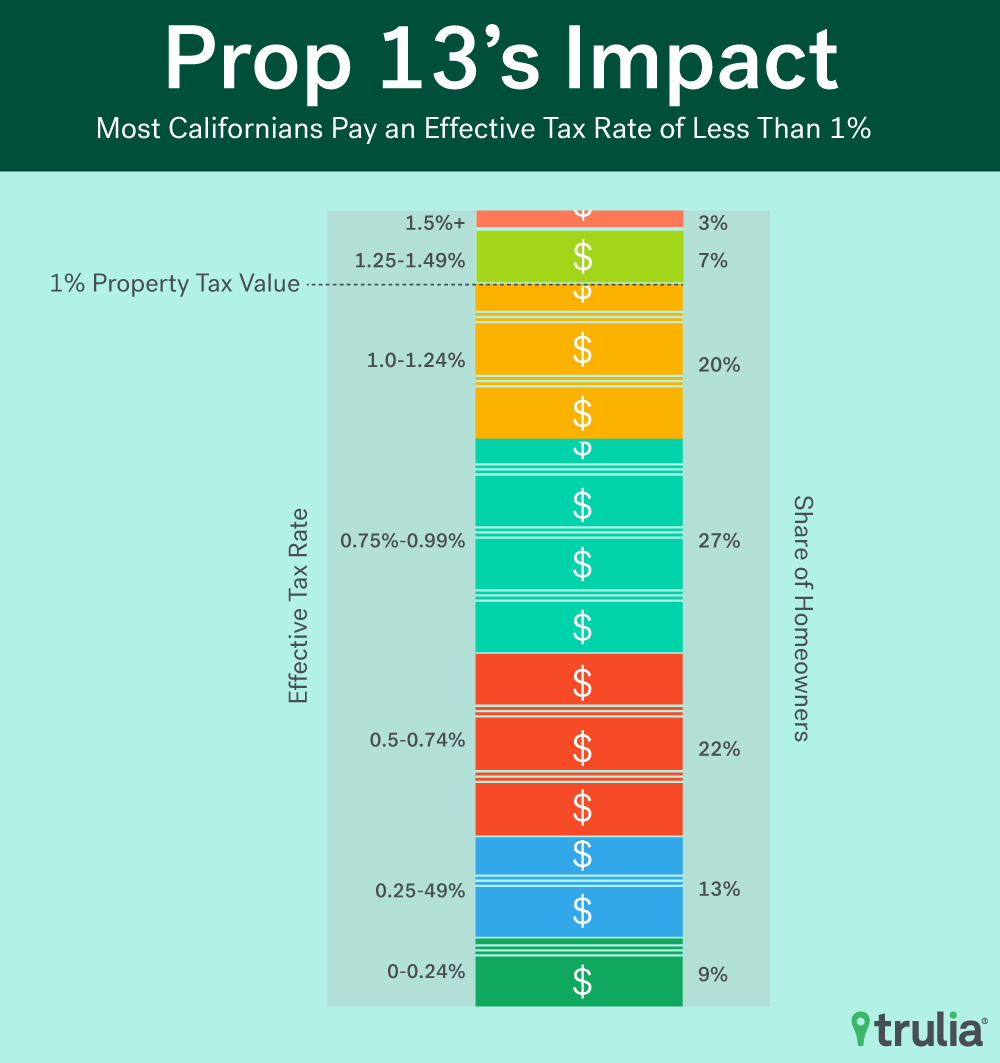
Proposition 13 introduced a cap on the property tax rate, limiting it to 1% of a property’s assessed value. This assessed value, crucially, is based on the property’s value at the time of acquisition or as of March 1, 1975, whichever is later. This means that for properties that have been owned for decades, their assessed value for tax purposes can be significantly lower than their current market value. This has created a stark divergence between what long-time owners pay in property taxes and what newer owners, who have purchased properties at or near current market rates, are assessed.
The second major component of Proposition 13 is its restriction on reassessment. Generally, a property’s assessed value can only be increased when the property is purchased or after a substantial completion of new construction. This “acquisition value” system ensures that property taxes remain relatively stable for existing owners, regardless of dramatic increases in market value. However, it also means that when a property is sold, the new owner’s property taxes will be reassessed based on the purchase price, leading to a potentially significant jump in tax liability.
Impact on Property Values and Tax Burden
The implications of these two provisions are far-reaching and have led to a complex and often debated tax landscape in California. For long-term homeowners in desirable areas like San Francisco or Los Angeles, Proposition 13 has been a lifeline, allowing them to remain in their communities without being priced out by soaring property taxes. This stability can extend to their descendants, who may inherit properties with significantly lower tax assessments.
Conversely, for those looking to enter the California real estate market, particularly first-time buyers, the system can present a significant hurdle. Purchasing a property often triggers a reassessment at a much higher market-based value, leading to substantially higher annual tax bills compared to established homeowners. This has contributed to concerns about housing affordability and the ability of younger generations to enter the property market.
Proposition 13 and the Tourism Economy
The connection between Proposition 13 and the tourism industry might not be immediately obvious, but it plays a subtle yet significant role in shaping the tourism landscape of California. The stability provided by Proposition 13 to long-term property owners can indirectly influence the cost and availability of accommodation.
Accommodation Costs and Investment
In tourist-heavy areas, such as near popular landmarks like the Golden Gate Bridge or in resort towns like Palm Springs, many properties are owned by individuals or entities that have held them for extended periods. These owners benefit from lower property tax assessments, which can potentially translate into more competitive rental rates for short-term stays or vacation apartments. If property taxes were based on current market value, the cost of operating rental properties in these prime locations would likely be considerably higher, and this cost would inevitably be passed on to consumers in the form of higher hotel and accommodation prices.
Furthermore, Proposition 13’s protection against rapid property tax increases can make property ownership more attractive for investors who intend to hold properties for the long term, including those who operate hotels or vacation rentals. This can lead to a more stable supply of accommodation options, potentially mitigating extreme price fluctuations that might otherwise occur due to unpredictable tax hikes. While the direct impact on the cost of a room at the Beverly Hills Hotel or a suite at a resort in San Diego is complex and influenced by many market forces, the underlying tax structure is a foundational element.
Local Culture and Community Preservation
Proposition 13 also plays a role in preserving the character of established neighborhoods, which is a key aspect of local culture and a draw for many tourists seeking authentic experiences. By allowing long-time residents to remain in their homes, it helps to maintain the continuity of communities, preventing rapid displacement that could alter the unique feel of a neighborhood. This preservation of established communities can contribute to the richness of the tourism offerings, as visitors often seek to experience the genuine lifestyle and history of a place. Imagine visiting a historic district in San Francisco where the original residents and their descendants have lived for generations, maintaining the architectural integrity and social fabric of the area. This is, in part, a consequence of the tax stability afforded by Proposition 13.
Debates and Criticisms Surrounding Proposition 13
Despite its foundational role in California’s tax system, Proposition 13 has been a subject of continuous debate and criticism since its inception. Critics argue that it has led to significant inequities in the tax burden, with long-time owners of highly valuable properties paying proportionally far less in taxes than newer owners. This disparity is seen by some as creating an unfair system that benefits established wealth at the expense of newer residents and potentially limits funding for essential public services.
Funding Public Services and Infrastructure
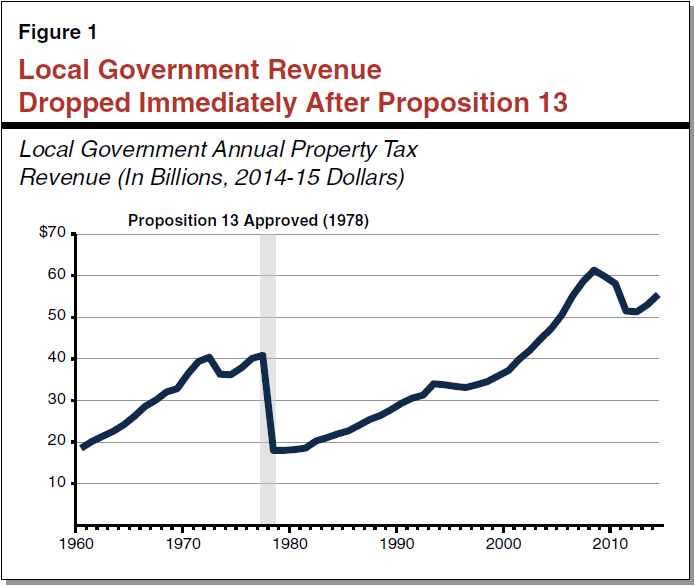
One of the most significant criticisms leveled against Proposition 13 is its impact on the funding of public services, including schools, parks, and infrastructure. Because property tax revenues are a crucial source of funding for local governments, the limitation on reassessments means that property tax collections have not kept pace with the appreciation of property values across the state. In areas with significant property value growth, such as Silicon Valley, this has led to concerns that local governments are underfunded, impacting their ability to maintain and improve public amenities that are often attractions for tourists and residents alike. For instance, a well-maintained national park or a vibrant cultural attraction relies on consistent public funding.
The Role in Housing Affordability
The issue of housing affordability in California is a complex one, and Proposition 13 is often cited as a contributing factor to the high cost of housing, particularly in desirable urban centers. While it offers stability to existing homeowners, its effect on new buyers is a significant part of the affordability challenge. When new buyers face substantially higher property taxes upon purchase, this cost is factored into their overall housing budget, potentially driving up demand for rental properties and contributing to rent inflation. For travelers looking for long-term stays or considering relocating, the interplay between Proposition 13 and the broader housing market is a critical consideration.
Potential Reforms and Future Implications
Over the years, there have been numerous proposals to reform Proposition 13, aiming to address some of its perceived inequities. These proposals have ranged from adjusting assessment rules to introducing split roll systems, where commercial properties would be reassessed at market value while residential properties would retain their current assessment methods. Each of these potential reforms carries its own set of economic and social implications, and the ongoing debate reflects the deep divisions within California regarding property taxation and its role in the state’s economy.
For the travel and tourism sector, understanding these ongoing debates is important. Changes to property tax laws could, in theory, influence the cost of doing business for hotels and accommodation providers, potentially impacting prices for travelers. Similarly, shifts in housing affordability and the economic health of communities, partly influenced by tax policies, can affect the overall attractiveness and accessibility of California as a travel destination. Whether you’re planning a luxury getaway to a resort in Napa Valley or a budget trip to explore the landmarks of Southern California, the underlying economic framework, shaped in part by Proposition 13, is a silent participant in your travel experience.