
The relationship between Puerto Rico and the United States of America is a complex, multifaceted tapestry woven from history, politics, culture, and economics. More than just a tropical island paradise, Puerto Rico holds a unique and often misunderstood position as an unincorporated territory of the United States. This status impacts every facet of its existence, from its governance and economy to its vibrant tourism sector and the daily lives of its residents. For travelers, understanding this relationship enriches their experience, revealing why Puerto Rico offers such a distinctive blend of American convenience and captivating Caribbean charm.
A Territory, Not a State: Understanding the Political Landscape
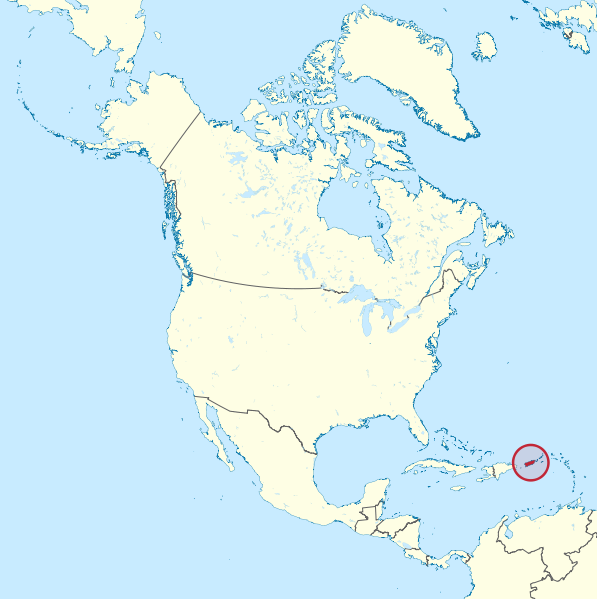
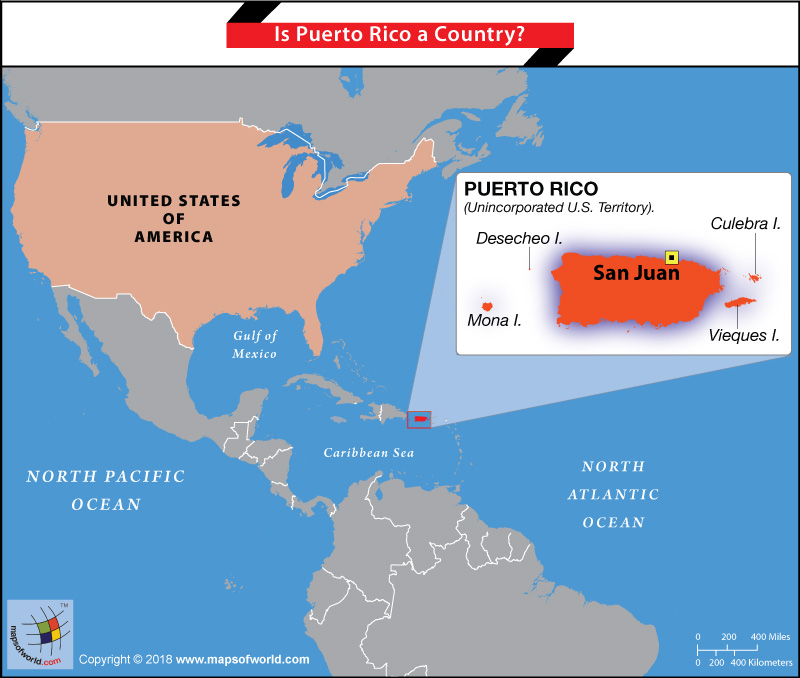
At its core, Puerto Rico’s identity in relation to the United States is defined by its political status. Acquired by the U.S. from Spain in 1898 following the Spanish-American War, Puerto Rico became a U.S. territory. Over the decades, its political relationship evolved, culminating in the establishment of a Commonwealth in 1952, granting it a degree of self-governance. However, it remains subject to the plenary powers of the U.S. Congress.
The Nuances of Citizenship and Representation
All persons born in Puerto Rico since 1917 are U.S. citizens under the Jones-Shafroth Act. This means Puerto Ricans can travel freely to and from the mainland United States without passports, enjoy many of the same rights as their fellow Americans, and serve in the U.S. military. Yet, a significant distinction remains: Puerto Rico does not have voting representation in the U.S. Congress and its residents cannot vote in presidential elections, despite contributing to the federal government through various taxes, including Social Security and Medicare. This unique arrangement creates an ongoing debate about the island’s future, with statehood, independence, and an enhanced commonwealth status being the primary options continually discussed. This political dynamic, while complex, underpins many aspects of life on the island, including its economic development, infrastructure, and access to federal resources. For visitors from the mainland, the ease of travel and familiarity of currency (the U.S. dollar) are direct benefits of this relationship, blurring the lines between a foreign destination and a domestic one.
A Vibrant Cultural Crossroads: Where American Meets Caribbean
Puerto Rico is not merely a political extension of the United States; it is a distinct cultural entity, a vibrant crossroads where Spanish, African, and Taíno influences merge with elements of American culture. This fusion is evident in every aspect of island life, from its language and cuisine to its music and traditions, offering a rich tapestry for any traveler to explore.
Language, Music, and Culinary Delights
While English is an official language alongside Spanish, the predominant language spoken by Puerto Ricans is Spanish. This linguistic duality allows for effortless communication for U.S. travelers while immersing them in a truly Caribbean linguistic environment. Music is the heartbeat of Puerto Rico, with genres like salsa, reggaeton, and bomba y plena reflecting its diverse heritage. Live music venues and impromptu street performances are common, inviting visitors to experience the island’s infectious rhythms.
The culinary landscape is equally captivating. Puerto Rican cuisine, or comida criolla, is a delicious blend of flavors, distinct from both Spanish and American fare. Staples like mofongo (fried plantains mashed with garlic and pork cracklings), arroz con gandules (rice with pigeon peas), and lechon asado (roast suckling pig) offer a taste of authentic island life. The presence of American fast-food chains and influences means visitors can find familiar comforts, but the true essence lies in its unique local dishes. Exploring San Juan’s vibrant food scene, from high-end restaurants to roadside kioskos, is an adventure in itself. This cultural richness provides an extraordinary “lifestyle” experience for travelers, whether they are seeking luxury dining or authentic local eats.
Puerto Rico as a Premier Travel Destination for U.S. Travelers
For the United States, Puerto Rico is not just a strategic territory but a significant and increasingly popular tourist destination. Its status as a U.S. territory makes it an incredibly convenient and accessible escape for mainland Americans, blending the allure of an exotic Caribbean vacation with the ease of domestic travel.
Effortless Travel and Modern Infrastructure
One of the biggest advantages of Puerto Rico’s relationship with the U.S. is the seamless travel experience. U.S. citizens do not need a passport to visit, simplifying travel logistics significantly. Flights from major U.S. cities are frequent and often direct, landing at Luis Muñoz Marín International Airport (SJU) in Carolina, just outside San Juan. The use of the U.S. dollar eliminates currency exchange hassles, and English is widely understood in tourist areas, making navigation and communication straightforward.
The island’s infrastructure, while having faced challenges, benefits from federal funding and standards, ensuring a relatively modern and reliable network of roads, utilities, and communication services compared to many other Caribbean nations. This allows for a comfortable and familiar experience for U.S. visitors, whether they are renting a car to explore the island or relying on ride-sharing services in urban areas. This blend of familiarity and exoticism is a major draw for the tourism sector, aligning perfectly with the website’s focus on “Travel” and “Tourism.”
Diverse Attractions: From Historic Landmarks to Natural Wonders
Puerto Rico boasts an incredible array of attractions that cater to every type of traveler, from history buffs and adventure seekers to those simply looking to relax on pristine beaches. The island’s status as a U.S. territory also means that many of its natural wonders, like the El Yunque National Forest, are managed by U.S. federal agencies, often ensuring well-maintained facilities and clear guidelines for visitors.
Iconic Historical Sites
The capital city, San Juan, is a treasure trove of history, notably its walled Old San Juan. This UNESCO World Heritage site is home to architectural marvels like El Morro (Castillo San Felipe del Morro) and Castillo San Cristóbal, imposing fortresses built by the Spanish to protect the island. Walking its cobblestone streets, admiring colorful colonial buildings, and exploring these ancient forts offers a direct link to the island’s complex past and its strategic importance to both Spain and later the United States. These landmarks are not just tourist attractions; they are enduring symbols of Puerto Rico’s identity.
Breathtaking Natural Landscapes
Beyond the historical allure, Puerto Rico is a paradise for nature lovers. The El Yunque National Forest, the only tropical rainforest in the U.S. National Forest System, invites visitors to hike through lush trails, discover hidden waterfalls, and listen to the enchanting calls of the coquí frog. The island is also famous for its bioluminescent bays, particularly in Vieques and Fajardo, where microscopic organisms illuminate the water at night, creating an ethereal glow – a truly unforgettable “experience” for any traveler. The pristine beaches of Culebra, especially Flamenco Beach, consistently rank among the world’s best, offering opportunities for swimming, snorkeling, and sunbathing. These natural wonders underscore Puerto Rico’s appeal as a premier travel destination, perfectly aligning with the “Landmarks” and “Destinations” topics.
Accommodation and Lifestyle: From Luxury Resorts to Boutique Stays
The island’s strong tourism economy, bolstered by its U.S. connection, translates into a wide array of accommodation options designed to meet the expectations of American and international travelers. Whether seeking luxurious pampering, budget-friendly options, or something in between, Puerto Rico delivers.
Hotels and Resorts for Every Preference
San Juan and its surrounding areas, like Dorado and Carolina, are home to numerous world-class hotels and resorts. You’ll find familiar U.S. brands such as the Ritz-Carlton Reserve Dorado Beach, St. Regis Bahia Beach Resort, and large chains like Marriott and Hilton, offering comprehensive amenities, including exquisite dining, spas, and golf courses. These cater to “Luxury Travel” and “Business Stays,” providing all the comforts and services expected of top-tier establishments. Beyond the major brands, boutique hotels in Old San Juan offer a more intimate and culturally immersive experience, often housed in historic buildings. For those preferring more independence or longer stays, a robust market for vacation rentals, including apartments and villas, is available, particularly in coastal towns and popular tourist zones, fitting the “Accommodation” and “Long-term Stay” categories.
Activities and Lifestyle for Visitors
The lifestyle offerings in Puerto Rico are as diverse as its landscapes. Adventurous travelers can engage in surfing in Rincón, zip-lining through the rainforest, or exploring underground cave systems like those in the Río Camuy Cave Park. For a more relaxed pace, visitors can enjoy snorkeling and diving in crystal-clear waters, deep-sea fishing, or simply lounging on a secluded beach. The island also hosts numerous festivals and cultural events throughout the year, celebrating its music, dance, and culinary heritage, providing rich “Local Culture” and “Activities” experiences. Whether it’s a “Family Trip” to the beaches of Luquillo or a “Budget Travel” adventure exploring the local chinchorros (roadside food stalls), Puerto Rico accommodates a wide spectrum of preferences, all facilitated by its unique bond with the United States.
Economic Interdependence and Future Outlook
The economic relationship between Puerto Rico and the United States is one of deep interdependence. As a U.S. territory, Puerto Rico operates within the U.S. economic system, using the U.S. dollar and benefiting from various federal programs and investments. However, this relationship also presents unique challenges and opportunities.
Challenges and Recovery Efforts
Historically, Puerto Rico’s economy has faced significant hurdles, including a prolonged recession, high debt levels, and the devastating impact of natural disasters like Hurricane María in 2017. The response to these crises highlighted both the strengths and weaknesses of its territorial status. While federal aid from the U.S. government has been crucial for recovery and rebuilding efforts, the island’s limited political leverage often shapes the speed and scope of assistance.
Despite these challenges, Puerto Rico remains a key player in certain sectors for the U.S. economy, particularly in pharmaceuticals and medical devices, benefiting from federal tax incentives. The tourism industry, supported by U.S. traveler traffic and investment from major hotel chains, is a vital pillar of the island’s economic recovery and growth, directly aligning with the “Tourism” and “Hotels” aspects of the website. Efforts to diversify the economy and attract new investments, including in technology and renewable energy, are ongoing, aiming to create a more resilient and prosperous future. The relationship with the United States plays a crucial role in these endeavors, influencing policy, investment, and access to markets.
In essence, Puerto Rico is to the United States of America a paradox: a domestic destination with an international flair, a land of U.S. citizens without full representation, and a vibrant culture deeply intertwined with, yet distinct from, the mainland. For travelers, this unique status translates into an unparalleled experience – the ease and familiarity of traveling within the U.S. combined with the rich cultural immersion and breathtaking natural beauty of the Caribbean. It is a destination that offers something for everyone, making it an essential part of the American travel landscape and a profoundly significant piece of the United States’ diverse national fabric.