
Nevada, a state renowned for its dazzling Las Vegas Strip, breathtaking natural landscapes, and pioneering spirit, often finds itself at the forefront of significant policy discussions. Among these, Question 3 has emerged as a ballot initiative that could fundamentally alter the energy landscape of the Silver State. Understanding the implications of such a proposition is crucial for residents, businesses, and indeed, anyone interested in the future of Nevada and its tourism sector. While the website focuses on the vibrant tapestry of travel, hotels, tourism, accommodation, landmarks, and lifestyle experiences, the energy infrastructure that powers these industries plays a silent yet vital role. This article delves into the essence of Question 3 in Nevada, exploring its aims, potential impacts, and why it matters to everyone who experiences the state, from the casual visitor enjoying a resort to the local entrepreneur building a business.
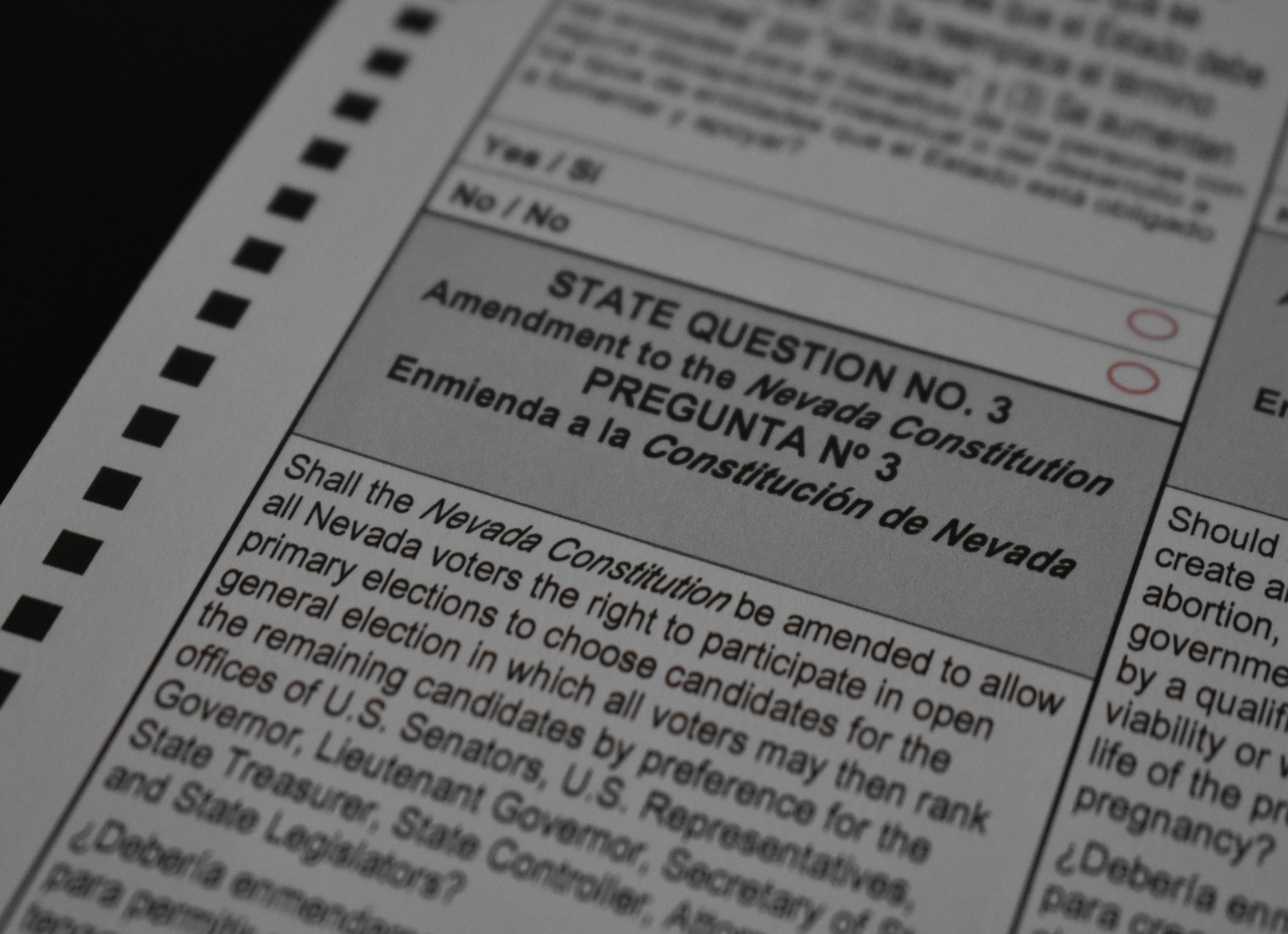
Understanding the Core of Question 3
At its heart, Question 3 in Nevada was a ballot initiative designed to dramatically reshape how the state generates and consumes electricity. The primary goal was to move towards a more deregulated energy market, allowing for increased competition among electricity providers. Proponents argued that this would lead to lower energy costs for consumers, foster innovation in renewable energy sources, and ultimately benefit the Nevadian economy.
Deregulation: The Promise of Competition
The concept of deregulation in the energy sector is not new, but its application in Nevada carried specific implications. Traditionally, Nevada has operated under a system where its major utility providers, such as NV Energy, held a near-monopoly on electricity generation and distribution. Question 3 aimed to break this mold by allowing other companies to enter the market and compete for customers.
The theory behind deregulation is that competition drives efficiency and innovation. In the context of energy, this could mean:
- Lower Prices: With multiple companies vying for your business, they would be incentivized to offer more competitive pricing to attract and retain customers. This could translate to lower electricity bills for households and businesses alike, a significant factor for both residents and the burgeoning tourism industry which relies heavily on affordable energy for its many resorts and attractions.
- Greater Choice: Consumers would theoretically have the freedom to choose their electricity provider, much like they choose their internet or mobile phone service. This could empower individuals and businesses to select plans that best suit their needs, whether that’s focusing on renewable energy or seeking the most budget-friendly options.
- Accelerated Innovation: A competitive market often encourages companies to invest in new technologies and approaches to differentiate themselves. This could lead to a faster adoption of renewable energy sources like solar and wind power, aligning with global trends and Nevada’s own potential for harnessing these resources. Imagine solar-powered tours of Red Rock Canyon or resorts powered entirely by clean energy – a compelling vision for the future of travel.
The “Free Market” Argument
Supporters of Question 3 often framed it as a victory for the free market. They argued that government-regulated monopolies stifle progress and that allowing private enterprise to flourish in the energy sector would unlock new opportunities and efficiencies. This perspective aligns with a broader philosophical stance that emphasizes individual liberty and limited government intervention. For industries that form the backbone of Nevada’s economy, such as hotels and tourism, predictable and cost-effective energy is paramount. A deregulated market, proponents claimed, would deliver this more reliably than a state-controlled system.
Examining the Potential Impacts and Controversies
Like any significant policy shift, Question 3 was not without its detractors and generated considerable debate. Critics raised concerns about the potential downsides of deregulation and the complexities of implementing such a change in a state like Nevada, which experiences unique energy demands due to its climate and thriving entertainment industry.
Concerns Raised by Opponents
Opponents of Question 3 voiced a range of concerns, often centered on the potential for unintended consequences:

- Risk to Grid Stability: A fragmented energy market with multiple providers could, critics argued, complicate grid management and maintenance. Ensuring the reliability of electricity supply, especially in a state with extreme weather conditions and a high demand from its numerous casinos and hotels, would become a more intricate challenge. The seamless operation of attractions like the Bellagio Fountains or the High Roller Observation Wheel depends on a stable power supply.
- Potential for Price Volatility: While proponents promised lower prices, opponents warned of potential price spikes. In a deregulated market, wholesale electricity prices can fluctuate significantly based on supply and demand, which could lead to unpredictable bills for consumers. This could impact the budgeting of hotels and tourism businesses, potentially affecting their ability to offer competitive rates on accommodation and experiences.
- Impact on Renewable Energy Goals: Some environmental groups and renewable energy advocates expressed skepticism. They worried that in a competitive market, the cheapest energy sources would be prioritized, potentially at the expense of more sustainable, albeit sometimes more expensive, options in the short term. Ensuring that Nevada continues to meet its renewable energy targets, crucial for its image as a forward-thinking destination, was a key point of contention.
- Consumer Protection: Questions were raised about how consumers would be protected from predatory practices or misleading marketing by new energy providers. Establishing robust regulatory oversight in a deregulated environment would be a significant undertaking.
The Role of Utility Companies
Major utility companies, most notably NV Energy, were at the center of this debate. As the incumbent provider, they often voiced concerns about the disruption deregulation would bring to their operations and their ability to invest in long-term infrastructure improvements, such as modernizing the grid to handle increasing demand from electric vehicles or supporting the vast energy needs of the Las Vegas Convention Center. Their arguments typically focused on the need for stability and the potential risks to existing service reliability.
The Broader Economic Context
The debate over Question 3 also took place against the backdrop of Nevada‘s unique economic landscape. The state’s reliance on tourism and hospitality means that energy costs are a significant operational expense for countless businesses, from the smallest bed and breakfast in Reno to the grandest resorts on the Las Vegas Strip. Any policy that could affect these costs would have a ripple effect throughout the economy. Furthermore, Nevada‘s growth in population and its ambitious renewable energy goals meant that the decision was about more than just immediate cost savings; it was about shaping the state’s long-term energy future and its sustainability.
The Journey of Question 3: From Ballot Box to Implementation
The path of Question 3 through the Nevadian political system was complex, involving signature gathering, legislative reviews, and ultimately, voter decisions. Understanding this process provides context for its significance and the democratic engagement it represents.
Initiative Process in Nevada
Nevada utilizes an initiative process that allows citizens to propose and vote on laws or constitutional amendments. For a measure like Question 3 to reach the ballot, proponents must gather a substantial number of signatures from registered voters across the state. This process ensures that propositions placed before voters have a demonstrable level of public support. Once qualified, the initiative then goes before the voters, typically during a general election.
Legislative Review and Voter Decision
Before reaching the voters, initiatives may undergo review by the state legislature. Lawmakers have the opportunity to amend or enact the measure themselves. If they do not, or if the legislature takes no action, the initiative is then placed on the ballot for a direct vote by the electorate. The outcome of the vote determines whether the proposed law or amendment becomes effective. This democratic mechanism allows citizens to directly influence policy, bypassing traditional legislative channels when they feel their concerns are not being adequately addressed.
The Significance for Nevada’s Future
The outcome of Question 3 (regardless of whether it passed or failed at any given stage of its journey) has significant implications for the future of Nevada. It touches upon fundamental aspects of the state’s economy, environment, and daily life. For those involved in the travel industry – from tour operators exploring the natural beauty of Valley of Fire State Park to hotel concierges recommending dining experiences in downtown Las Vegas – understanding the energy landscape is as crucial as knowing the best time to visit. A stable, affordable, and increasingly sustainable energy supply is the invisible backbone that supports the millions of visitors who come to experience all that Nevada has to offer, from its iconic landmarks to its vibrant local culture.
In conclusion, Question 3 in Nevada represents a critical juncture in the state’s energy policy. It highlights the ongoing debate between market forces and regulatory oversight, and its ultimate impact will shape the cost of living, the health of businesses, and the environmental trajectory of this unique and dynamic state for years to come.
LifeOutOfTheBox is a participant in the Amazon Services LLC Associates Program, an affiliate advertising program designed to provide a means for sites to earn advertising fees by advertising and linking to Amazon.com. Amazon, the Amazon logo, AmazonSupply, and the AmazonSupply logo are trademarks of Amazon.com, Inc. or its affiliates. As an Amazon Associate we earn affiliate commissions from qualifying purchases.