
In the vibrant landscape of Florida, where sun-drenched beaches meet world-class attractions and diverse lifestyles, seamless travel and access are paramount. Whether you’re a long-time resident embarking on a domestic flight, a snowbird returning for the winter, or a first-time visitor exploring the Sunshine State, understanding the nuances of identification documents is crucial. Among the most significant changes in recent years for travelers across the United States is the implementation of the Real ID Act. This federal mandate has reshaped the requirements for identification needed to board domestic flights and access certain federal facilities. For anyone residing in or planning to travel through Florida, knowing “What is Real ID Florida?” is no longer just a question of compliance but a key to unlocking stress-free travel and ensuring smooth operations in daily life.
The concept of Real ID can seem complex, layered with legal jargon and specific requirements that vary slightly from state to state. However, its core purpose is straightforward: to enhance the security of state-issued driver’s licenses and identification cards, making them more difficult to counterfeit and ensuring a higher standard of identity verification. For the savvy traveler, the family planning a vacation, or the business professional on the go, navigating these requirements efficiently can make all the difference between a smooth journey and unexpected delays. This comprehensive guide will demystify Real ID in Florida, explaining its origins, its visual characteristics, the precise documentation you’ll need to obtain one, and most importantly, how it impacts your ability to travel and interact with federal agencies, ensuring your Florida experience remains as effortless and enjoyable as possible.
Understanding the Real ID Act: A Traveler’s Essential Guide
The Real ID Act represents a significant federal initiative to bolster national security, particularly in the realm of identification documents. While it might seem like just another bureaucratic hurdle, its implications for everyday life, especially for those who travel frequently or need access to federal buildings, are substantial. Getting a clear grasp of its background and how it applies to Florida is the first step towards ensuring you’re always properly equipped for your next adventure or necessary errand.
The Origins and Purpose of Real ID
The Real ID Act of 2005 was enacted by the United States Congress on the recommendation of the 9/11 Commission. Following the tragic events of September 11, 2001, it became clear that stronger, more secure identification standards were necessary to prevent terrorism and enhance public safety. The Commission found that the ease with which terrorists obtained legitimate identification documents contributed to their ability to carry out the attacks. In response, the Real ID Act set forth minimum security standards for state-issued driver’s licenses and identification cards and prohibited federal agencies from accepting for certain purposes driver’s licenses and identification cards from states that do not meet these standards.
The primary goal of the Department of Homeland Security (DHS), which oversees the implementation of the Act, is to improve the integrity and security of state-issued IDs. This involves requiring states to incorporate anti-counterfeit technology, verify applicants’ identities, and conduct background checks for employees involved in issuing these cards. For the individual, this means that a Real ID compliant driver’s license or ID card will be a more trusted form of identification across the nation. The final enforcement date for the Real ID Act for air travel was initially set for October 1, 2020, but was later postponed to May 7, 2025, due to the COVID-19 pandemic. This extension provides individuals with more time to ensure their identification meets the federal requirements, a relief for many busy travelers.
Identifying Your Real ID in Florida
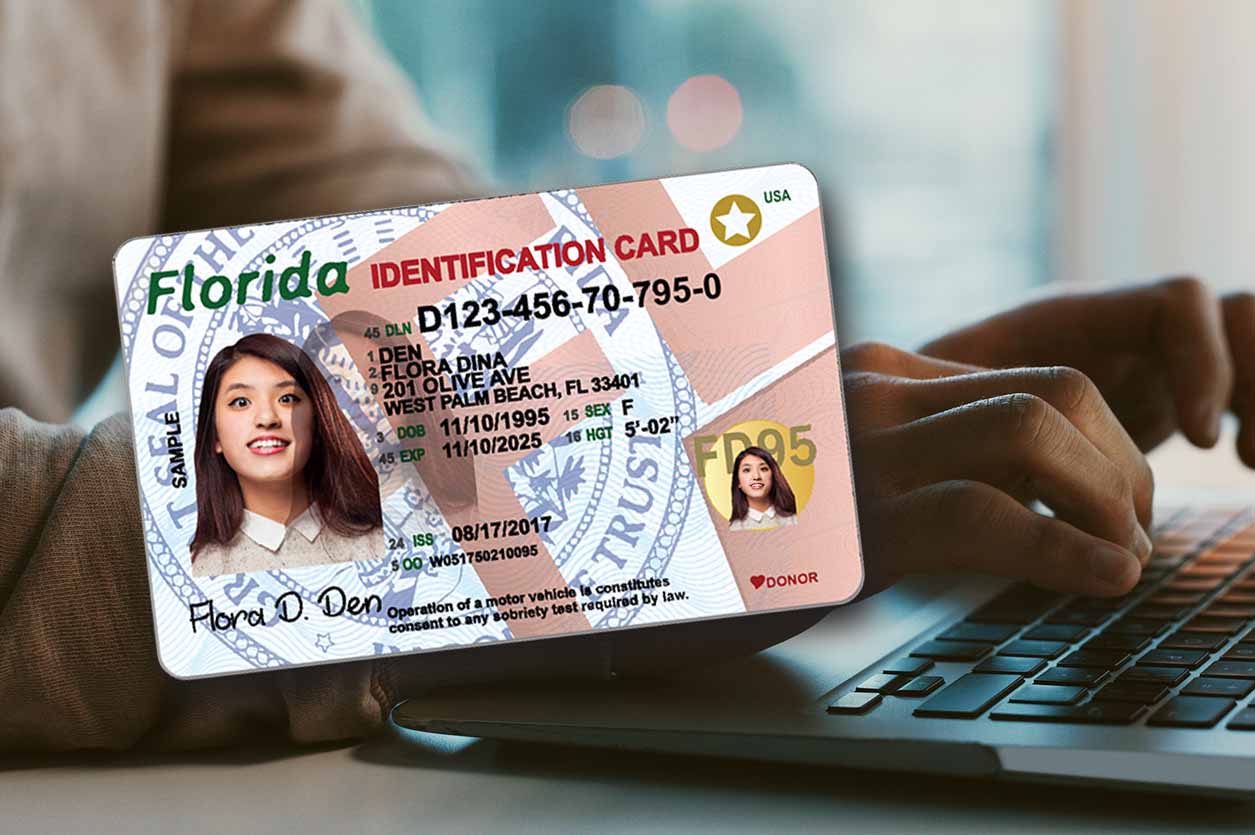
For residents of Florida, the process of obtaining or verifying a Real ID compliant document is managed by the Florida Department of Highway Safety and Motor Vehicles (DHSMV). Unlike some states that issue entirely new cards, Florida seamlessly integrated the Real ID compliance into its existing driver’s licenses and identification cards. This means you won’t necessarily receive a card explicitly labeled “Real ID.” Instead, to determine if your Florida Driver’s License or Florida Identification Card is Real ID compliant, look for a specific marking.
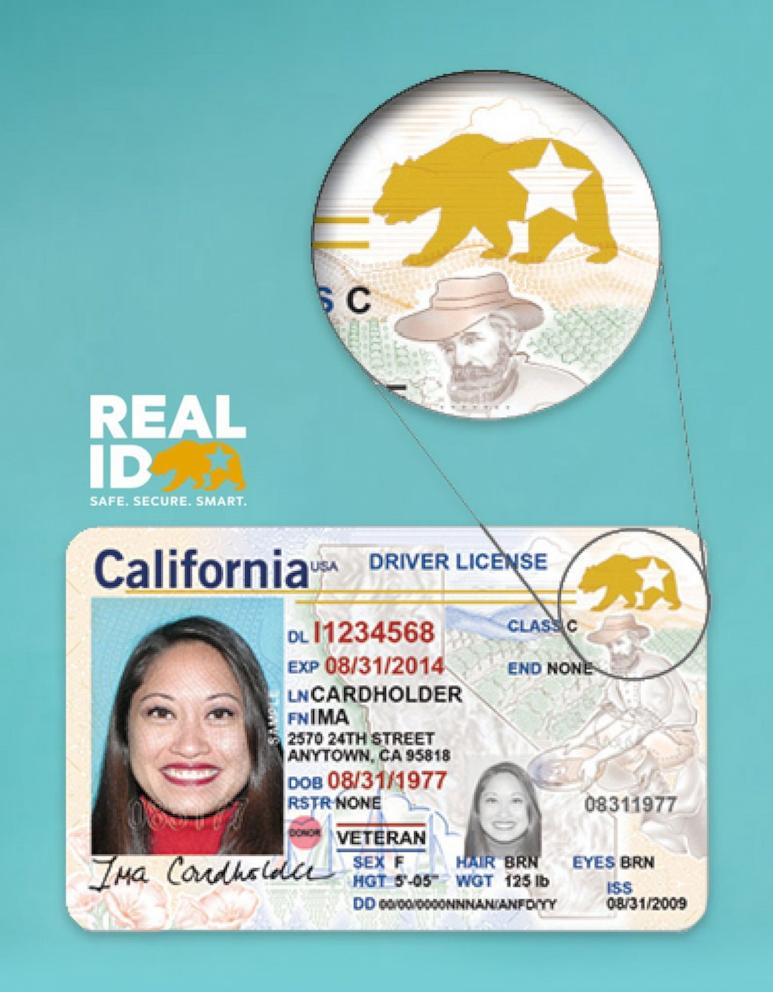
A compliant Florida driver’s license or ID card will feature a small, gold circle with a white star inside located in the upper right-hand corner of the card. This star is the universal indicator that the document meets federal Real ID standards. If your card does not have this star, it means it is considered a non-compliant card. These non-compliant cards are typically marked with “NOT FOR FEDERAL IDENTIFICATION” or “FEDERAL LIMITS APPLY” in the same upper right-hand corner area. It’s crucial to check your current ID well in advance of any planned domestic air travel or visits to federal facilities to avoid any last-minute complications. If you have an older Florida license or ID that was issued before the Real ID standards were fully implemented, or if you opted for a non-compliant card at the time of renewal, you will need to take steps to obtain a compliant version.
Navigating the Application Process for a Florida Real ID
Obtaining a Real ID compliant Florida Driver’s License or Florida Identification Card is a relatively straightforward process, provided you come prepared. The key to a smooth experience at your local DHSMV service center is having all the necessary documentation. This is where many individuals encounter delays, so understanding the requirements beforehand is crucial.
Essential Documents: What You Need to Bring
The Real ID Act mandates stricter proof of identity and residency. To get your star-marked Florida ID, you’ll need to present several original or certified documents. Photocopies are generally not accepted.
-
Proof of Identity: This is arguably the most critical component. You need one document proving your full legal name and date of birth. Acceptable documents include:
- Original or certified birth certificate (issued by a government agency, not a hospital certificate).
- Valid U.S. Passport or Passport Card.
- Certificate of Naturalization.
- Valid foreign passport with an appropriate U.S. visa and Form I-94.
- Permanent Resident Card (Green Card).
- Other documents as approved by the DHSMV (check their website for a comprehensive list).
-
Proof of Social Security Number: You must provide one document showing your full Social Security Number. Examples include:
- Social Security card.
- W-2 form.
- Pay stub with your full SSN.
- SSA-1099 form.
- (Note: The name on this document must match your identity document or be reconcilable with name change documents.)
-
Proof of Residential Address (Two Documents): You need two different documents showing your name and current Florida residential address. These cannot be from the same source. Examples include:
- Utility bills (electricity, water, gas, cable, landline phone).
- Mortgage statement or rental agreement.
- Bank statements.
- Car registration or title.
- Mail from a government agency (e.g., Florida tax forms).
- (Tip: Electronic copies printed out are often accepted, but confirm with the DHSMV if unsure.)
-
Proof of Name Change (if applicable): If your current name differs from the name on your birth certificate or other primary identity document (due to marriage, divorce, court order, etc.), you must provide legal documents linking all name changes.
- Certified marriage certificate.
- Certified divorce decree.
- Court order for a name change.
- (You must bring a document for each name change in chronological order to show a clear paper trail from your birth name to your current legal name.)
It’s highly recommended to visit the official Florida DHSMV website or use their online document checklist tool before heading to a service center. This will ensure you have every single required item, preventing a wasted trip and saving valuable time.
Step-by-Step: Getting Your Real ID in Florida
Once you’ve meticulously gathered all your required documents, the process of obtaining your Real ID compliant Florida Driver’s License or Florida Identification Card is straightforward.

-
Locate Your Nearest Service Center: Use the DHSMV website to find the most convenient driver’s license service center or tax collector’s office that handles these services. Many centers allow you to schedule an appointment online, which can significantly reduce wait times, a vital tip for anyone on a tight schedule or planning to explore Florida’s attractions after their appointment.
-
Make an Appointment (Recommended): While walk-ins are often accepted, scheduling an appointment is highly recommended, especially during peak seasons or busy hours. This ensures you’ll be seen promptly and can dedicate your time to other aspects of your Florida visit or daily routine.
-
Visit the Service Center: Arrive at your scheduled time with all your original or certified documents. Be prepared for a brief waiting period, even with an appointment. Upon arrival, you will typically be given a number or directed to a specific counter.
-
Verification and Application: A DHSMV representative will review your documents. They will verify your identity, Social Security Number, and Florida residential addresses. This is where having all your documents in order pays off, as any missing or incorrect paperwork will result in your application being denied until you can provide the correct items. Once verified, you will complete the application form.
-
Photo and Fees: You will have your photo taken for your new license or ID card. Be sure to dress appropriately and have your hair styled as you prefer, as this photo will be on your ID for years. You will also pay the applicable fees for the license or ID card, which can vary based on the type of card and its expiration period.
-
Receive Your Temporary or Permanent ID: In most cases, you will receive a temporary paper Florida Driver’s License or Florida Identification Card immediately. Your permanent, star-marked card will then be mailed to your residential address within a few weeks. It’s important to keep your temporary ID with you when traveling, along with another form of photo identification, until your permanent card arrives.
For first-time applicants to Florida or those transitioning from an out-of-state license, additional requirements may apply, such as passing a vision test and possibly a written or driving exam. However, if you already hold a Florida Driver’s License and are simply upgrading to the Real ID compliant version, these tests are generally not required unless your license is expired or has specific restrictions.
Travel and Beyond: The Impact of Real ID on Your Florida Journey
Understanding what Real ID Florida entails is not merely an administrative exercise; it profoundly impacts your ability to travel and access crucial federal services. For residents and visitors alike, a compliant ID is a fundamental key to unlocking a seamless experience, whether you’re jetting off from Orlando International Airport or visiting a historic federal building in Washington D.C.
Air Travel and Federal Facility Access
The most significant impact of the Real ID Act revolves around domestic air travel. As of the May 7, 2025 enforcement deadline, all travelers aged 18 and older will need a Real ID compliant driver’s license or identification card (distinguished by the gold star) or another acceptable form of identification to fly within the United States. This means that if your Florida Driver’s License or Florida Identification Card does not have the star, you will not be permitted to pass through TSA checkpoints at airports like Miami International Airport or Tampa International Airport. This policy is critical for anyone planning a flight, whether for business, leisure, or family visits.
Beyond air travel, a Real ID compliant card is also required for access to certain federal facilities, including military bases, nuclear power plants, and other restricted areas. While this may not affect every citizen on a daily basis, it is crucial for individuals who work in these sectors, visit family on military installations, or attend official government events. The objective is to standardize identification verification, ensuring that only properly vetted individuals can enter sensitive locations. For travelers enjoying Florida’s many destinations, this might seem less directly relevant unless they are also planning to visit specific federal landmarks or facilities during their stay. However, the overarching message is clear: the Real ID is a universally recognized form of secure identification that simplifies interactions with a broad spectrum of federal services.
Alternatives for Domestic Travel
What if the May 7, 2025 deadline approaches and you find yourself without a Real ID compliant Florida ID? Don’t panic. The TSA accepts several other forms of identification for domestic air travel. The most common and widely accepted alternative is a valid U.S. Passport or Passport Card. Many international travelers already possess a passport for overseas journeys, which makes it a convenient alternative for domestic flights as well.
Other acceptable forms of identification include:
- U.S. Military ID (for active duty and retired military personnel, their dependents, and Department of Defense civilians).
- Enhanced Driver’s Licenses (EDLs) issued by certain states (though Florida does not issue EDLs, these are accepted from states that do).
- Permanent Resident Card (Green Card).
- DHS trusted traveler cards (e.g., Global Entry, NEXUS, SENTRI, FAST).
- Certain foreign government-issued passports.
While these alternatives provide a safety net, relying on a Real ID compliant Florida license or ID card is often the most convenient option for residents. It eliminates the need to carry multiple forms of identification and is generally sufficient for all domestic purposes requiring federal identification verification.
Why Your Real ID Matters for a Seamless Florida Experience
Beyond the strict requirements of air travel and federal facilities, having a Real ID compliant Florida Driver’s License or Florida Identification Card contributes significantly to a smoother overall Florida experience. For residents, it’s about peace of mind and convenience, knowing that your primary form of identification will be accepted wherever you go. For visitors, understanding this requirement before planning a trip to Florida can prevent unnecessary stress and logistical headaches.
Imagine arriving at Orlando International Airport, excited for a family trip to a theme park resort, only to discover your ID isn’t accepted by TSA. Such an oversight could derail your entire vacation, leading to missed flights, cancelled hotel bookings, and significant frustration. By proactively ensuring your ID is compliant, you safeguard your travel plans and ensure a hassle-free start to your Florida adventure.
Furthermore, the general push towards enhanced security and reliable identification means that even in non-federal contexts, a Real ID compliant card implicitly carries a higher level of trust. While not legally mandated for everyday transactions, its presence signifies a verified identity, which can subtly streamline processes in various scenarios. From checking into accommodations to renting a car or engaging in tourism activities, a robust form of identification is always beneficial.
In essence, getting your Real ID in Florida is an investment in your personal travel security and convenience. It’s a testament to responsible travel planning and a commitment to ensuring your journeys, whether across the state or across the nation, are as enjoyable and uninterrupted as the Florida sunshine itself. By prioritizing this essential document, you empower yourself to explore the rich destinations, experience diverse local culture, and enjoy all the vibrant lifestyle offerings that Florida has to offer, without a hitch.
LifeOutOfTheBox is a participant in the Amazon Services LLC Associates Program, an affiliate advertising program designed to provide a means for sites to earn advertising fees by advertising and linking to Amazon.com. Amazon, the Amazon logo, AmazonSupply, and the AmazonSupply logo are trademarks of Amazon.com, Inc. or its affiliates. As an Amazon Associate we earn affiliate commissions from qualifying purchases.