
Retirement marks a significant life transition, offering the freedom to pursue passions, explore new horizons, and embrace a lifestyle tailored to personal dreams. For many, this dream includes the warm climate, vibrant culture, and diverse landscapes of Texas. However, navigating the “retirement age” is not as simple as pointing to a single number on a calendar. It involves understanding a complex interplay of federal guidelines, state-specific systems, and personal financial readiness. Beyond the numerical age, it’s about strategically planning for a future rich with travel, unique accommodations, and unforgettable experiences, whether within the Lone Star State or beyond. This comprehensive guide delves into the various facets of retirement age in Texas, blending the practicalities of eligibility with the exciting possibilities for a fulfilling post-work lifestyle.
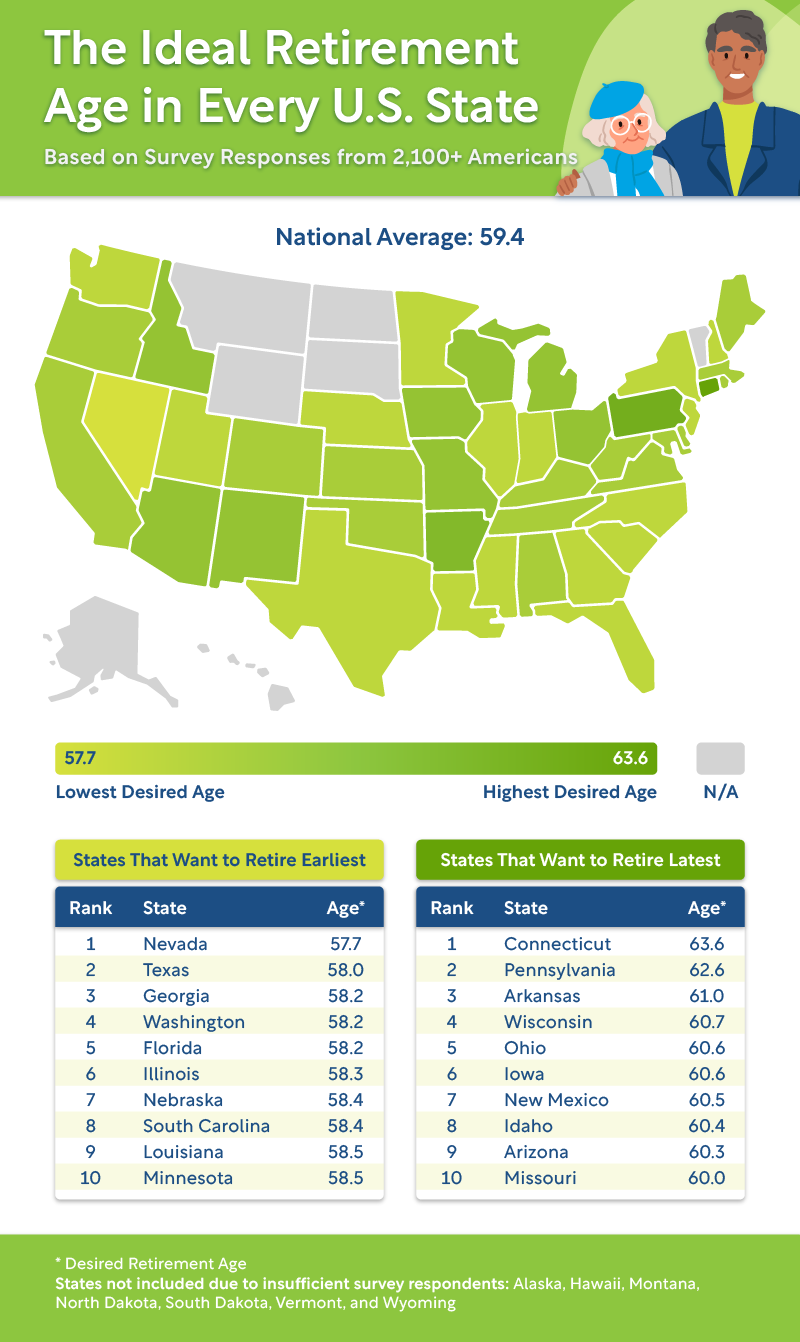
Understanding Retirement Ages: Federal and State Perspectives
The concept of “retirement age” is multifaceted, often determined by different entities for various benefits. Federally, the primary considerations are Social Security and Medicare eligibility. On a state level, Texas-specific retirement systems cater to public employees, each with its own set of rules and age requirements. Understanding these distinctions is crucial for anyone planning their transition into retirement.
Social Security Full Retirement Age (FRA)
The United States government’s cornerstone retirement benefit, Social Security, plays a pivotal role in most Americans’ retirement planning. While you can begin receiving benefits as early as age 62, this typically results in a permanent reduction in your monthly payment. The “Full Retirement Age” (FRA) is the age at which you are entitled to 100% of your primary insurance amount. This age is not static; it depends on your birth year:
- Born 1943-1954: FRA is 66
- Born 1955: FRA is 66 and 2 months
- Born 1956: FRA is 66 and 4 months
- Born 1957: FRA is 66 and 6 months
- Born 1958: FRA is 66 and 8 months
- Born 1959: FRA is 66 and 10 months
- Born 1960 or later: FRA is 67
For a retiree in Texas, understanding their FRA is foundational. Deciding when to claim Social Security benefits directly impacts one’s financial capacity to enjoy travel, choose desired accommodations, and engage in various leisure activities. Delaying benefits past FRA, up to age 70, can even result in increased monthly payments, offering a potentially more robust budget for luxury travel or extended stays at beautiful resorts.
Medicare Eligibility
Health insurance is a paramount concern for retirees, and Medicare serves as the federal health insurance program for individuals aged 65 or older. Regardless of your Social Security claiming age, most individuals become eligible for Medicare Part A (hospital insurance) and Part B (medical insurance) when they turn 65. Enrollment typically begins three months before your 65th birthday, encompassing the month of your birthday, and extends for three months afterward. Missing this initial enrollment period can lead to penalties and gaps in coverage.
For Texas retirees, ensuring seamless Medicare coverage is vital, especially if their post-retirement plans involve frequent travel or relocating within the state. When exploring different destinations or considering long-term accommodation, understanding healthcare access and provider networks in various regions becomes crucial. While Medicare provides broad coverage, supplemental insurance plans or Medicare Advantage plans might be necessary to cover gaps, offering peace of mind whether you’re embarking on a road trip through the Hill Country or settling into a new retirement community.
Employer-Sponsored Retirement Plans
Many individuals also rely on employer-sponsored retirement plans, such as 401(k)s, 403(b)s, or pension plans. The “retirement age” for these plans varies significantly based on company policy and the specific plan design. Some plans may allow penalty-free withdrawals as early as age 55 if you separate from service, while others might align with Social Security’s FRA or have specific “early retirement” provisions at ages like 60 or 62.
For those contemplating an earlier retirement in Texas, it’s essential to meticulously review their employer’s plan details. Early access to these funds can provide the financial flexibility to kickstart a new lifestyle, enabling more immediate travel plans, perhaps an extended stay in San Antonio to explore its historic landmarks, or an adventure to Big Bend National Park. Understanding when these funds become accessible without penalties is key to strategizing a comfortable and adventurous retirement.
Navigating Retirement Systems in the Lone Star State
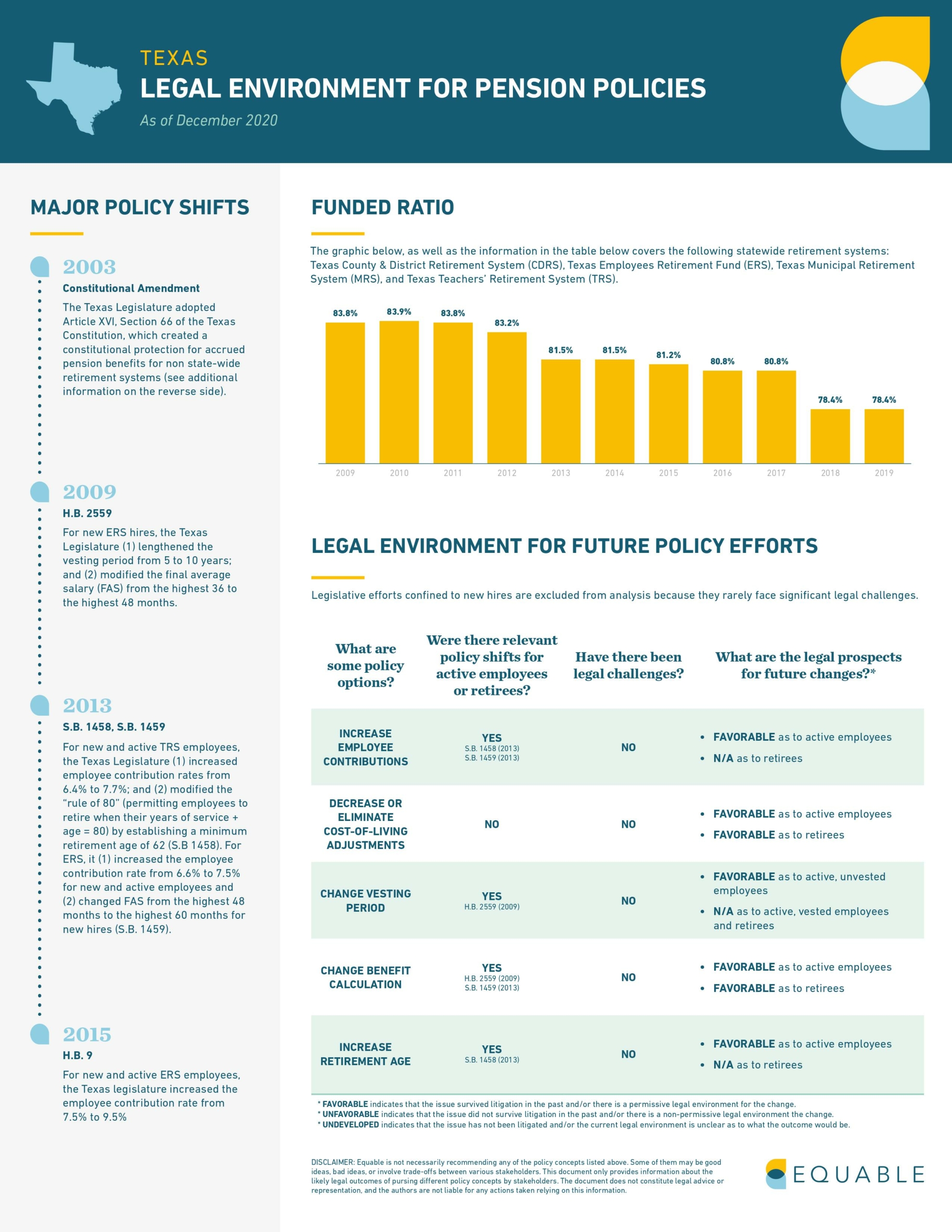
Beyond federal programs, Texas provides specific retirement systems for its public employees, each with its own unique set of rules regarding eligibility, years of service, and benefit calculations. These systems are crucial for a significant portion of the Texas workforce planning their golden years.
Texas Teacher Retirement System (TRS)
The Texas Teacher Retirement System (TRS) provides retirement, disability, and death benefits for Texas public education employees. Eligibility for retirement benefits under TRS is determined by a combination of age and years of service, often referred to through various “rules.” A common pathway to retirement is the “Rule of 80,” which allows a member to retire with full benefits when their age plus years of service equals 80. For example, a teacher who is 55 years old with 25 years of service would meet the Rule of 80 (55+25=80) and be eligible for unreduced benefits. Other age requirements may apply depending on the member’s hire date.
For retired educators in Texas, the freedom that comes with a TRS pension can unlock a world of possibilities. Imagine a former teacher, after decades of dedicated service, finally having the time to travel to global destinations they’ve always dreamed of, or embarking on an extensive tour of Texas landmarks from Galveston’s historic Strand to the vibrant arts scene of Austin. These pensions often provide a stable income stream, allowing for budget flexibility in choosing hotels, booking unique accommodations like resort villas, and generally enhancing their retirement lifestyle.
Employees Retirement System of Texas (ERS)
The Employees Retirement System of Texas (ERS) serves employees of state agencies and certain higher education institutions. Similar to TRS, ERS eligibility for retirement benefits is based on a combination of age and years of service, varying based on an employee’s hire date. For many members, reaching age 60 with 5 years of service, or having 20 or 30 years of service at any age, could trigger eligibility for different levels of benefits. Specific rules, such as the “Rule of 80” for certain groups, also apply here.
State employees transitioning into retirement through ERS also find themselves with new opportunities. The financial security provided by ERS benefits can facilitate a lifestyle focused on leisure, travel, and cultural immersion. Whether it’s exploring the vast museums of Houston, indulging in the culinary delights of Dallas, or enjoying long-term stays in different Texas cities to experience local culture firsthand, ERS retirees can craft a retirement experience rich in tourism and discovery.
Local Government Retirement Plans
Beyond state-level systems, many local governments in Texas (cities, counties, and special districts) offer their own retirement plans for their employees. These plans can be defined benefit pensions or defined contribution plans, and their specific retirement ages and eligibility criteria vary widely. It’s imperative for local government employees to consult their specific plan documents and HR departments for accurate retirement age information. Regardless of the specific plan, the overarching goal remains the same: ensuring a comfortable and enjoyable retirement, often translated into more opportunities for travel, exploration, and unique accommodation experiences.
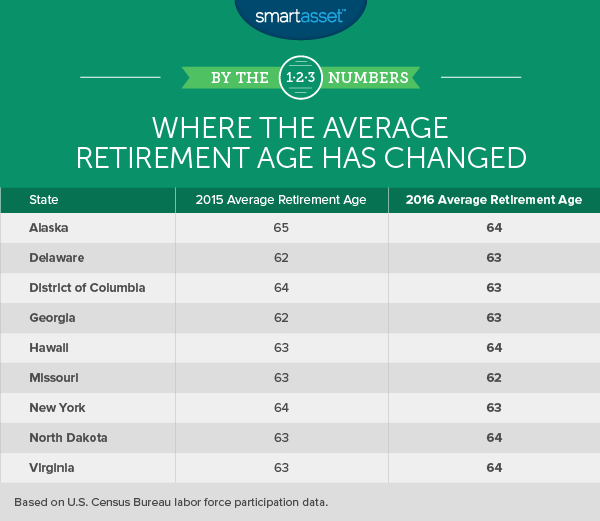
Crafting Your Ideal Texas Retirement Lifestyle
Once the administrative aspects of retirement age and eligibility are understood, the exciting part begins: envisioning and planning your ideal post-work lifestyle. Texas, with its vast geography, rich culture, and diverse attractions, presents an unparalleled canvas for retirees looking to embrace travel, explore new destinations, and discover unique accommodations.
Texas: A Haven for Post-Retirement Exploration
The diversity of Texas makes it an ideal place for retirees seeking a wide range of travel and tourism experiences. From bustling metropolitan centers to serene natural wonders, there’s always something new to discover.
- Cultural Immersion in Cities: Cities like Austin, San Antonio, Houston, and Dallas offer a rich tapestry of arts, history, and culinary delights. Retirees can spend weeks exploring the live music scene in Austin, strolling along the iconic River Walk in San Antonio, visiting world-class museums in Houston, or indulging in high-end shopping and vibrant arts districts in Dallas. These cities offer not just attractions but also a lively local culture perfect for long-term stays.
- Nature and Adventure: For nature enthusiasts, Texas boasts an incredible array of landscapes. Big Bend National Park provides a rugged, majestic escape for hiking and stargazing. The Hill Country offers charming small towns, vineyards, and scenic drives, ideal for a leisurely road trip. Galveston’s beaches and historic architecture provide a coastal retreat, perfect for those who love seaside leisure and history.
- Diverse Travel Experiences: Whether you prefer luxury travel with stays at five-star resorts like the JW Marriott San Antonio Hill Country Resort & Spa, or budget travel exploring charming bed and breakfasts in quaint towns, Texas caters to all preferences. Retirees can engage in family trips with grandchildren, business stays if they choose to consult part-time, or solo adventures rediscovering their passions. The freedom of retirement allows for flexible itineraries and spontaneous explorations.
Accommodation Choices for the Texas Retiree
Retirement often means more flexibility in where and how you live. Texas offers a spectrum of accommodation options to suit every retiree’s lifestyle and travel preferences.
- Long-Term Stays: For those looking to immerse themselves in a particular region, long-term apartment rentals or villas can provide a home-away-from-home experience. This allows retirees to live like a local, discover hidden gems, and truly experience the rhythm of a city or town.
- Resort Living: Many retirees opt for resort communities or dedicated retirement resorts that offer a wealth of amenities, from golf courses and spas to social activities and concierge services. These provide a blend of luxury and convenience, perfect for a carefree lifestyle.
- Hotel Stays: For shorter trips or explorations of different areas, hotels range from boutique properties in historic districts to modern high-rises with stunning city views. Websites dedicated to accommodation can help compare options based on reviews, location, and price, ensuring a comfortable stay every time.
- Apartments and Villas: These offer independence and often more space than a typical hotel room, ideal for hosting family visitors or enjoying extended visits to various Texan locales. Many come with kitchenettes, allowing for a more self-sufficient travel experience and the chance to enjoy local produce.
Embracing the Texan Culture and Community
Beyond the sights, immersing oneself in the local culture is a rewarding aspect of retirement in Texas. The state’s unique blend of Southern charm, Western heritage, and Mexican influence creates a vibrant and welcoming atmosphere.
- Food and Drink: Texan cuisine is legendary, from mouth-watering BBQ to authentic Tex-Mex. Retirees can enjoy culinary tours, cooking classes, or simply savoring meals at local eateries. The Hill Country also boasts a thriving wine region, perfect for leisurely tastings.
- Activities and Events: Throughout the year, Texas hosts countless festivals, rodeos, music concerts, and art exhibitions. Engaging in these activities is an excellent way to connect with the local community, discover new interests, and enrich the retirement experience. Outdoor recreation, from fishing in the Gulf to hiking in state parks, is also incredibly popular.
- Community Integration: Many Texas cities and towns are known for their friendly residents and strong community spirit. Retirees can find numerous opportunities to volunteer, join clubs, or participate in local events, fostering new friendships and a sense of belonging. This integration into the local fabric enhances the overall tourism experience, transforming a visit into a deeper cultural understanding.
Financial Planning Beyond the Age
While understanding retirement age is critical, robust financial planning is the engine that drives an ideal retirement lifestyle. For Texas retirees, this means budgeting not just for daily expenses but also for desired travel, accommodation, and leisure activities. Consider setting aside funds specifically for:
- Travel Budgets: Differentiate between luxury travel, budget-friendly trips, and family visits.
- Accommodation Variety: Plan for different types of stays, from long-term rentals to resort bookings.
- Experiences: Allocate funds for tourism activities, cultural events, and dining.
Effective financial management ensures that the freedom offered by retirement age translates into the practical ability to enjoy a rich and adventurous lifestyle.
Important Considerations for Retiring in Texas
Beyond the age itself, several other factors influence the quality and practicality of retirement in Texas.
Healthcare and Wellness
While Medicare provides essential coverage, retirees often consider supplemental insurance or Medicare Advantage plans to cover deductibles, co-pays, and services not included in original Medicare. For those who travel frequently or split their time between different regions, understanding how their healthcare network functions across various locations in Texas (and potentially outside the state) is crucial. Access to quality healthcare facilities and specialists also plays a role in choosing a long-term retirement base or even temporary accommodation for extended stays.
Cost of Living
The cost of living in Texas varies significantly across its vast regions. Major metropolitan areas like Austin, Dallas, and Houston tend to have higher housing costs, though they also offer more amenities and attractions. Smaller towns and rural areas might offer a more budget-friendly lifestyle. Retirees should research the cost of living in their desired locations, factoring in housing, utilities, transportation, and daily expenses, as this directly impacts their travel and leisure budget. A lower cost of living can free up more funds for hotels, tourism, and exploring new landmarks.
Taxes
One of Texas’s most attractive features for retirees is the absence of a state income tax. This means that retirement income, including pensions, 401(k) withdrawals, and Social Security benefits, is not subject to state taxation. This can significantly enhance a retiree’s disposable income, providing greater flexibility for travel, luxury accommodations, and pursuing a more expansive lifestyle. Property taxes, however, can be relatively high and vary by locality, so it’s important to factor these into any financial planning for housing.
In conclusion, the question “What is retirement age in Texas?” opens a gateway to a multifaceted discussion. It’s not just about reaching a certain age; it’s about strategically navigating federal and state guidelines, understanding personal financial readiness, and, most excitingly, planning a post-work life brimming with possibilities. Whether your dream retirement involves exploring the diverse landscapes of Texas, indulging in its rich culture, or embarking on global adventures, a thorough understanding of retirement age and its implications is the first step toward crafting a truly fulfilling and adventurous golden age.
LifeOutOfTheBox is a participant in the Amazon Services LLC Associates Program, an affiliate advertising program designed to provide a means for sites to earn advertising fees by advertising and linking to Amazon.com. Amazon, the Amazon logo, AmazonSupply, and the AmazonSupply logo are trademarks of Amazon.com, Inc. or its affiliates. As an Amazon Associate we earn affiliate commissions from qualifying purchases.