
When planning a trip to the sprawling metropolis of Los Angeles, California, understanding the local tax structure is a crucial, albeit often overlooked, aspect of budgeting for your adventure. While the allure of Hollywood glitz, stunning beaches, and world-class attractions might dominate your thoughts, knowing about sales tax in Los Angeles can help you avoid unexpected costs and make informed purchasing decisions. This guide will delve into the intricacies of sales tax in Los Angeles, California, covering what it is, how it’s calculated, and how it might affect your travel experiences, from booking a luxury suite at the Beverly Wilshire, A Four Seasons Hotel to purchasing souvenirs near the Griffith Observatory.
Understanding California Sales and Use Tax
At its core, sales tax is a consumption tax imposed by the state and local governments on the sale of tangible personal property and certain services. In California, this tax is known as the Sales and Use Tax. It’s a significant revenue source for the state, funding essential public services like education, infrastructure, and healthcare. For visitors and residents alike, it’s a mandatory component of most retail transactions.
The Sales and Use Tax system in California is a dual system, meaning it has both state and local components. This is why the total tax rate can vary from one jurisdiction to another, even within the same county. The state rate is set by the California Department of Tax and Fee Administration (CDTFA), while local rates are determined by various local entities, including cities and counties, often for specific purposes like public safety or transportation projects.
The State and Local Components
The state portion of the Sales and Use Tax in California is currently set at 7.25%. This rate applies statewide. However, most of the taxable transactions in California are subject to additional district taxes, which are voted on by the local electorate. These district taxes can include county-wide taxes and city-specific taxes.
When you are in Los Angeles, California, you will encounter a combined rate that includes the state tax, county tax, and potentially city taxes. The Los Angeles County has its own set of district taxes, and the city of Los Angeles itself also levies additional taxes. This layered approach is why it’s vital to be aware of the specific location where a transaction takes place, as this will dictate the exact tax rate applied.
Use Tax: It’s also important to understand the concept of “use tax.” Use tax is essentially the counterpart to sales tax. It applies to items purchased outside of California but brought into the state for use, storage, or consumption. If you purchase an item online from a retailer located outside of California and have it shipped to your hotel in Los Angeles, and the retailer did not collect California sales tax, you are legally obligated to report and pay the use tax to the CDTFA. This ensures a level playing field for in-state businesses and preserves the state’s revenue.
Sales Tax Rates in Los Angeles, California
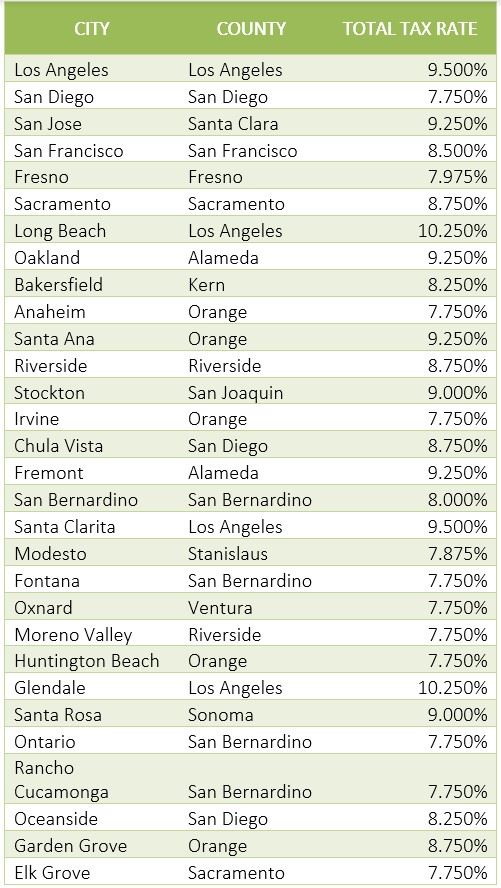
The total sales tax rate in Los Angeles, California is a combination of state, county, and local district taxes. As of recent data, the general sales tax rate for the city of Los Angeles is among the highest in the state.
Breakdown of the Tax Rate
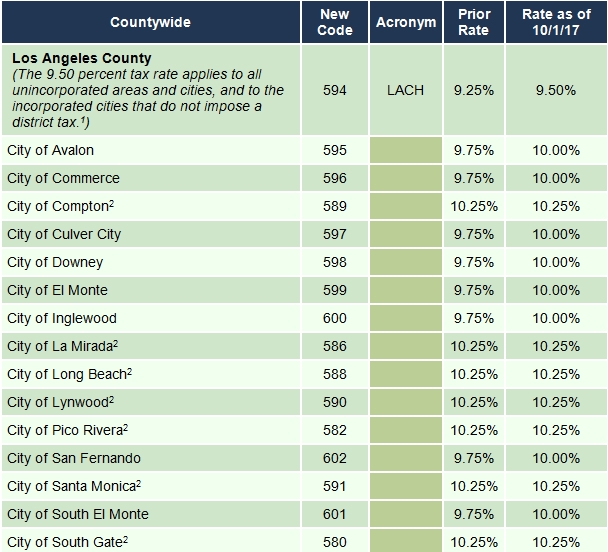
The current general sales tax rate in the city of Los Angeles is 9.50%. This rate is comprised of:
- State Tax: 7.25%
- Los Angeles County District Taxes: This includes several voter-approved district taxes that contribute to regional transportation, public safety, and other services.
- City of Los Angeles District Taxes: The city of Los Angeles itself has enacted additional district taxes to fund local initiatives.
It’s crucial to note that sales tax rates can and do change. These changes are typically implemented at the beginning of a calendar quarter (January 1, April 1, July 1, October 1) if voter-approved measures pass or if existing district taxes expire. Therefore, it’s always advisable to verify the current rate with official sources or at the point of sale.
What is Taxed and What is Not?
Generally, sales tax in Los Angeles, California is applied to the retail sale of tangible personal property. This includes items such as clothing, electronics, furniture, vehicles, and most goods you’d purchase in a store, whether it’s a boutique on Rodeo Drive or a souvenir shop near the Santa Monica Pier.
Certain services are also subject to sales tax in California. These can include things like telecommunication services, information services, and certain repair and maintenance services.
However, there are notable exemptions. For instance, most unprepared food items purchased for home consumption (like groceries from a supermarket) are exempt from sales tax. Prescription medications are also generally exempt.
Accommodation and Tourist Experiences: When it comes to travel, the application of sales tax can be a bit more nuanced.
- Hotels and Accommodation: Hotel stays in Los Angeles, California are subject to sales tax as well as lodging taxes (also known as transient occupancy taxes or TOT). The sales tax rate applies to the room rate itself. In addition to state and local sales taxes, cities impose their own lodging taxes, which can add a significant percentage to your overall accommodation costs. For example, booking a room at the iconic Hollywood Roosevelt Hotel will include not just the base rate but also state sales tax, county taxes, and the city of Los Angeles’s specific lodging tax.
- Restaurant Meals: Prepared food and beverages sold by restaurants, cafes, and bars are subject to sales tax. This applies whether you’re dining at a Michelin-starred restaurant in Beverly Hills or grabbing a quick bite near Universal Studios Hollywood.
- Attractions and Entertainment: Tickets to theme parks like Disneyland Park (though technically in Anaheim, it’s a popular day trip from Los Angeles), museums like the Getty Center, and movie premieres are generally subject to sales tax on the ticket price.
- Souvenirs and Merchandise: Any tangible goods you purchase as mementos of your trip, whether it’s a T-shirt from the Walk of Fame or handcrafted items from local markets, will have sales tax added at the checkout.
Navigating Sales Tax in Your Los Angeles Experience
Understanding sales tax is not just about knowing the numbers; it’s about incorporating it into your overall travel planning and budgeting. By being aware of what is taxed and how the rates are determined, you can make more informed decisions during your stay in Los Angeles, California.
Budgeting for Purchases
When you’re browsing through shops on Melrose Avenue for unique fashion finds or considering a guided tour of the stars’ homes, always factor in the 9.50% (or applicable local rate) sales tax. A $100 purchase will actually cost you $109.50. This might seem like a small amount per item, but for larger purchases or a series of smaller ones, it can add up.
Consider these tips for budgeting:
- Add a Buffer: When estimating the cost of items, mentally add an extra 10% to account for sales tax and potential rounding.
- Check Receipts: Review your receipts to see how sales tax is itemized. This can help you track your spending and understand the tax applied to different categories.
- Compare Prices: While sales tax is relatively uniform within a specific city or county, the base price of goods and services can vary. Comparing prices between different retailers or service providers can help you find better deals before the tax is even applied.
Impact on Different Travel Styles
The impact of sales tax can vary depending on your travel style.
- Luxury Travel: For those indulging in high-end resorts, fine dining, and designer shopping, the total sales tax on significant purchases can amount to a considerable sum. A designer handbag costing $5,000 would incur roughly $475 in sales tax. This reinforces the need for meticulous budgeting in luxury travel.
- Budget Travel: For budget-conscious travelers, the sales tax is still a factor, but the absolute dollar amount will be lower. However, even a few dollars here and there on daily purchases can add up. Prioritizing experiences over material goods and seeking out free attractions like hiking in Runyon Canyon Park or strolling along the beach can help mitigate the overall tax burden.
- Family Trips: Families often make multiple purchases, from theme park tickets to meals and souvenirs. It’s essential to calculate the total cost of family outings, including the sales tax, to avoid budget overruns, especially when visiting popular spots like Knott’s Berry Farm.
- Business Stays: Business travelers might have their sales tax expenses reimbursed by their employer. However, understanding the tax structure is still important for accurate expense reporting. Many business hotels in Los Angeles are equipped with business centers and offer amenities that are also subject to sales tax.

Where to Find More Information
For the most accurate and up-to-date information on sales tax rates and regulations in Los Angeles, California, it is always best to consult official sources. The California Department of Tax and Fee Administration (CDTFA) website is an invaluable resource. They provide detailed information on state and local tax rates, exemptions, and specific tax laws. Many cities and counties also have their own tax administration departments that offer localized information.
When making significant purchases or booking accommodations, don’t hesitate to ask the vendor about the total price, including all applicable taxes. This transparency can help prevent surprises and ensure a smoother, more enjoyable experience as you explore all that Los Angeles has to offer, from its iconic landmarks to its vibrant local culture.
LifeOutOfTheBox is a participant in the Amazon Services LLC Associates Program, an affiliate advertising program designed to provide a means for sites to earn advertising fees by advertising and linking to Amazon.com. Amazon, the Amazon logo, AmazonSupply, and the AmazonSupply logo are trademarks of Amazon.com, Inc. or its affiliates. As an Amazon Associate we earn affiliate commissions from qualifying purchases.