
Understanding the time zone of a destination is a fundamental aspect of planning any trip, and for those venturing to the vibrant city of Seattle, it’s no different. This Pacific Northwest gem, known for its lush landscapes, innovative spirit, and thriving cultural scene, operates within a specific time zone that impacts everything from flight schedules to dining reservations. This comprehensive guide will delve into the intricacies of the Seattle time zone, offering practical insights for travelers, business professionals, and anyone looking to connect with this dynamic metropolis.
The Pacific Standard Time Zone: Seattle’s Temporal Anchor
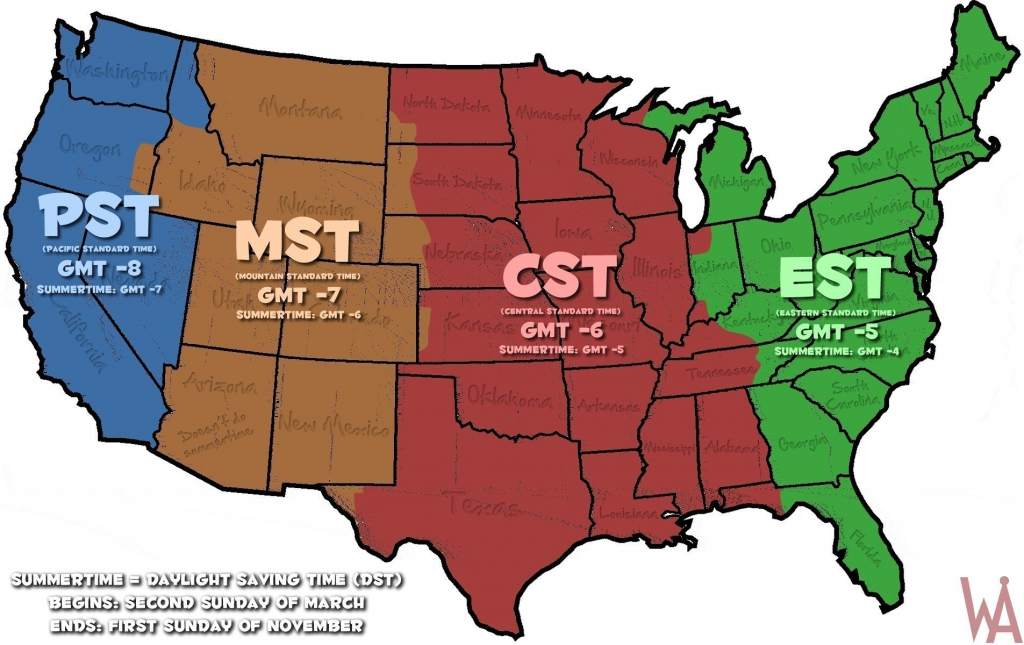
Seattle, along with a significant portion of the western United States, observes Pacific Standard Time (PST) during the fall and winter months, and Pacific Daylight Time (PDT) during the spring and summer. This temporal framework is crucial for synchronizing activities, coordinating business operations, and ensuring seamless travel arrangements.
Understanding Standard and Daylight Saving Time
The concept of Daylight Saving Time (DST) is a practice observed by many countries to make better use of daylight. In the United States, DST typically begins on the second Sunday in March and ends on the first Sunday in November. During these periods, clocks are advanced by one hour.
- Pacific Standard Time (PST): This is the standard time observed in the Pacific region of North America. It is UTC-8, meaning it is eight hours behind Coordinated Universal Time. During PST, the sun sets earlier in the evening, and the days are shorter.
- Pacific Daylight Time (PDT): When Daylight Saving Time is in effect, Seattle transitions to PDT. This shifts the time zone to UTC-7, effectively pushing daylight later into the evening. This adjustment is designed to maximize daylight hours for outdoor activities and reduce the need for artificial lighting.
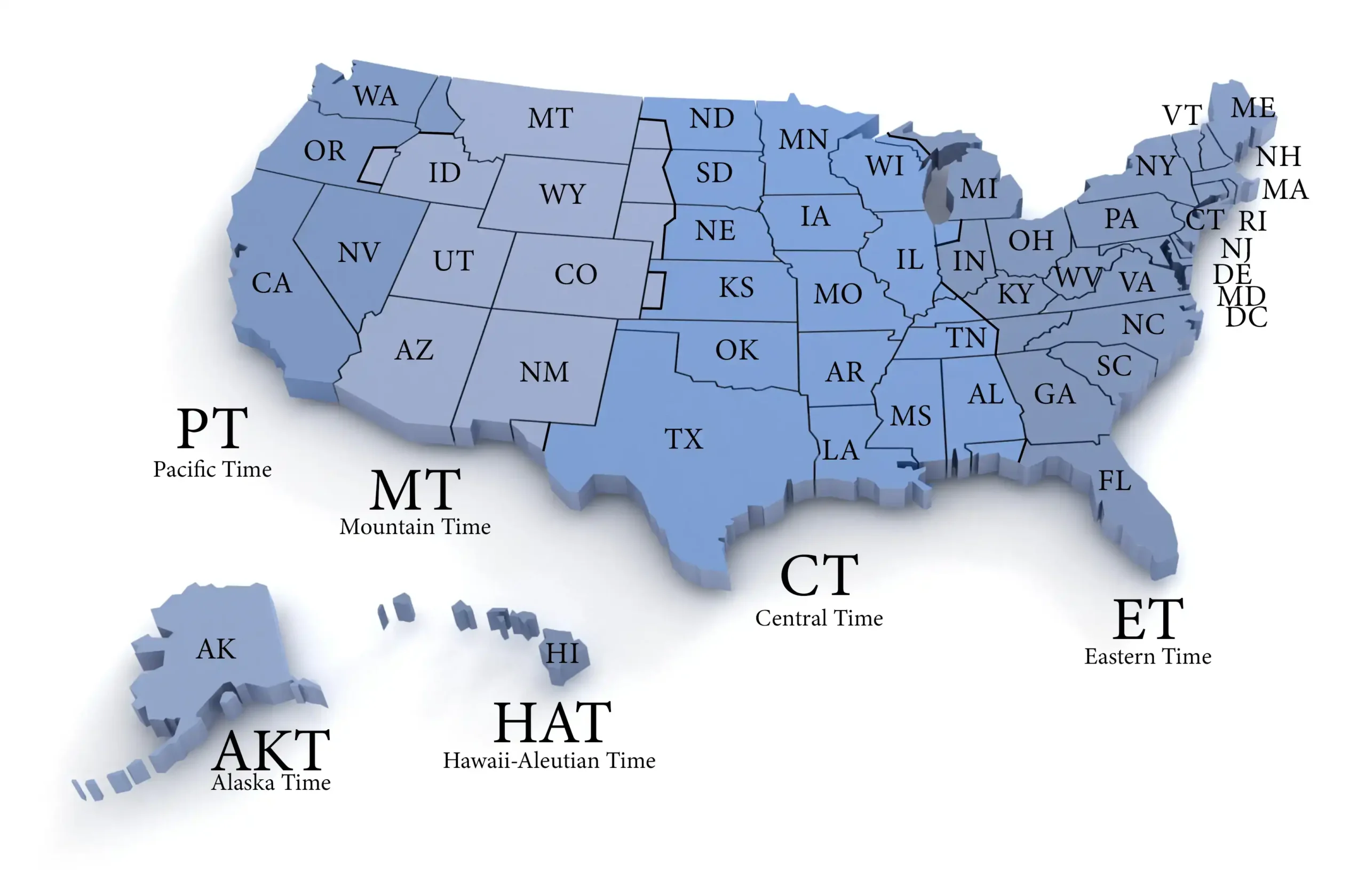
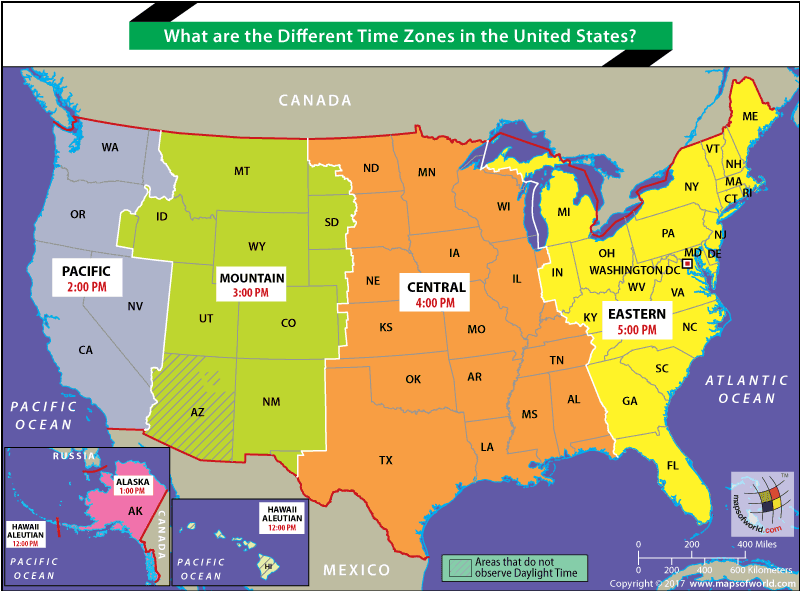
The transition between PST and PDT is an annual event that travelers and residents must be aware of. For instance, if you are planning a business meeting with someone in New York (Eastern Time), knowing Seattle’s time zone will prevent miscommunication. Eastern Time is three hours ahead of Pacific Time. So, if it’s 9 AM in Seattle (PST or PDT), it’s 12 PM in New York.
Navigating Seattle’s Time Zone for Travel and Tourism
For any traveler, grasping the local time zone is paramount to a smooth and enjoyable experience. Seattle, a city brimming with iconic landmarks and diverse attractions, benefits from its unique temporal position on the West Coast. Whether you’re exploring the bustling Pike Place Market, marveling at the futuristic Space Needle, or enjoying the serene beauty of the Puget Sound, understanding PST/PDT is key.
Planning Your Seattle Itinerary
When booking flights to Seattle, whether you’re arriving at Seattle-Tacoma International Airport (SEA) or departing, always confirm your departure and arrival times in the local Seattle time. This is especially important if you are traveling from a different time zone. For example, a flight departing from Chicago (Central Time) at 2 PM CST will arrive in Seattle at 4 PM PST (assuming no Daylight Saving Time is in effect, as Central Time is two hours ahead of Pacific Time).
Accommodation: When booking hotels, resorts, or apartments, the check-in and check-out times will adhere to the local Seattle time. If you’re looking for luxury suites at the Four Seasons Hotel Seattle or a comfortable stay at a boutique hotel in downtown, ensure you factor in the time difference when coordinating arrival and departure logistics. This is also relevant for longer stays in apartments or villas, where managing daily routines can be influenced by the clock.
Activities and Attractions: Seattle offers a wealth of activities, from visiting the Museum of Pop Culture (MoPOP) to taking a ferry to Bainbridge Island. Many tours and events operate on a fixed schedule. For instance, a guided tour of the city’s famous landmarks might start at 10 AM PST. It’s always advisable to reconfirm these times with the tour operator closer to your visit, as adjustments can occur. The best way to experience local culture is to be punctual.
Dining and Entertainment: Seattle’s culinary scene is renowned, from fresh seafood at waterfront restaurants to innovative farm-to-table experiences. Reservations are often necessary, and arriving on time for your dinner reservation at a restaurant like The Pink Door is a matter of courtesy and good planning. The city also boasts a vibrant nightlife and live music venues, all operating on Seattle time.
Practical Tips for Travelers
- Adjust Your Watch: As soon as you arrive, adjust your watch or mobile device to Seattle time. This helps in mental adjustment and prevents confusion.
- Communicate Clearly: When communicating with people in different time zones, always specify the time zone to avoid misunderstandings. For example, “Let’s schedule a call for 10 AM PST.”
- Use Time Zone Converters: For complex travel arrangements or international calls, online time zone converters are invaluable tools.
- Factor in Travel Time: Remember that travel time itself is a significant factor. If you’re traveling across multiple time zones, you’ll lose or gain hours, impacting your arrival and the rest of your day.
Seattle’s Time Zone in the Context of Business and Lifestyle
Beyond tourism, Seattle’s position in the Pacific Time Zone has significant implications for its business sector and the daily lives of its residents. As a hub for technology and innovation, Seattle is deeply interconnected with global markets, making time zone awareness a critical component of professional life.
Business Operations and Global Connectivity
Seattle is home to major corporations like Amazon and Microsoft, which have extensive operations and partnerships worldwide. For businesses, understanding the time difference is crucial for:
- Client Meetings: Coordinating meetings with clients in different parts of the United States or internationally requires careful scheduling to accommodate varying work hours. A call with a colleague in London (Greenwich Mean Time, UTC+0 during standard time) would need to account for the 8-hour difference (or 7-hour difference during PDT).
- Global Supply Chains: Managing supply chains that span continents necessitates precise timing for logistics, shipping, and manufacturing processes.
- Team Collaboration: Remote work and distributed teams are common in Seattle’s tech industry. Effective collaboration relies on synchronized schedules and awareness of when colleagues in other time zones are available.
- Financial Markets: The financial markets operate on strict schedules. Seattle’s businesses involved in trading or international finance must be acutely aware of the opening and closing times of exchanges in different parts of the world.
The shift to Daylight Saving Time can also cause minor disruptions as systems and schedules need to be updated. This is a routine but important consideration for any organization with international ties.
Lifestyle Considerations
For residents of Seattle, the observance of PST and PDT influences daily routines and social activities:
- Work-Life Balance: The extended daylight hours during PDT can be a significant benefit for those who enjoy outdoor activities after work, such as hiking in the nearby Olympic National Park, kayaking on Lake Washington, or simply enjoying the city’s numerous parks.
- Social Engagements: Planning social gatherings, events, or even casual meetups with friends requires awareness of the time of day. During shorter winter days, social activities might shift to earlier hours or be more indoor-focused.
- Family Trips: For families planning trips, especially during school holidays, understanding the time zone impact on travel and daily schedules is essential for a stress-free vacation. Whether it’s a long weekend getaway to Vancouver, Canada, or a road trip along the coast, the time difference plays a role.
Long-term Stays: Individuals considering long-term stays in apartments or villas in Seattle will find that their daily rhythms naturally align with the Pacific Time Zone. This includes everything from grocery shopping and commuting to personal appointments and leisure pursuits.
Exploring Seattle’s Landmarks and Attractions with Time in Mind
Seattle’s iconic landmarks and vibrant attractions are best enjoyed when your schedule is aligned with the local time. From historical sites to natural wonders, a well-timed visit can enhance your experience immeasurably.
Famous Places and Historical Significance
- Pike Place Market: This historic public market, one of the oldest continuously operated farmers’ markets in the United States, is best experienced during its operating hours, which are subject to Seattle time. Arrive early to avoid the largest crowds and witness the iconic fish throwing.
- Space Needle: Ascending this legendary landmark for panoramic views of the city, Mount Rainier, and the Puget Sound is an unforgettable experience. Check the operating hours, which often extend into the evening, especially during PDT, allowing for spectacular sunset views.
- Pioneer Square: Seattle’s oldest neighborhood is rich in history and architecture. Exploring its historic buildings and underground tours is a journey back in time. Ensure your tour bookings align with your daily schedule.
- Chihuly Garden and Glass: Located next to the Space Needle, this museum showcases the stunning glass art of Dale Chihuly. Its opening and closing times are strictly adhered to, making punctuality important for visitors.
Nature and Outdoor Experiences
Seattle’s proximity to breathtaking natural beauty offers numerous opportunities for exploration.
- Discovery Park: The city’s largest urban park offers miles of trails, meadows, and beaches. Knowing the sunset times, especially during winter months, is crucial for planning safe and enjoyable hikes.
- Kerry Park: This viewpoint offers arguably the most iconic postcard view of the Seattle skyline, with the Space Needle in the foreground and Mount Rainier in the distance. It’s particularly magical during sunset, a prime time to visit.
- Ferry Rides: Taking a Washington State Ferry across the Puget Sound, perhaps to Bainbridge Island, offers stunning views of the city skyline and the surrounding Olympic Mountains. Ferry schedules are time-sensitive and dictate your return trip.
Budget and Luxury Travel Considerations
Whether you are planning a budget-friendly adventure or a luxurious escape, time management is always a factor.
- Budget Travel: Making the most of your budget often involves taking advantage of free attractions, public transportation, and off-peak hours. Understanding Seattle time helps in planning these cost-effective strategies. For instance, visiting a popular attraction during a weekday morning might be more budget-friendly than a weekend afternoon.
- Luxury Travel: For those seeking luxury travel experiences, including stays at premier resorts or exclusive guided tours, punctuality is expected and enhances the seamlessness of the service. Knowing the time zone ensures you are ready for private car pick-ups, spa appointments, or gourmet dining experiences.
In conclusion, understanding the Seattle time zone, its shifts with Daylight Saving Time, and its implications for travel, business, and lifestyle is essential for anyone engaging with this remarkable city. By keeping the clock in mind, you can navigate your journey through Seattle with ease, maximizing your experiences and ensuring a well-orchestrated visit.