
The allure of Hawaii extends far beyond its sun-kissed beaches, verdant volcanic landscapes, and vibrant cultural traditions. For many travelers, the true magic of this Pacific Ocean paradise lies beneath the shimmering surface of its crystal-clear waters. A journey into Hawaii’s marine ecosystem reveals a dazzling array of life, from graceful sea turtles and playful dolphins to an astonishing spectrum of colorful fish. At the heart of this underwater tapestry is a creature so unique and significant that it holds the esteemed title of the state fish: the Humuhumunukunukuāpuaʻa.
This fascinating triggerfish, with its distinctive markings and a name that playfully mimics its appearance and behavior, embodies the spirit of the islands—resilient, beautiful, and deeply rooted in local culture. For visitors planning their ultimate Hawaiian getaway, understanding and appreciating the Humuhumunukunukuāpuaʻa is not just about identifying a marine species; it’s about connecting with the natural heritage and environmental stewardship that defines this extraordinary destination. Whether you’re an avid diver, a casual snorkeler, or simply someone who appreciates the wonders of nature, learning about Hawaii’s state fish enriches your travel experience, encouraging exploration of its pristine reefs and fostering a deeper respect for the delicate balance of its marine environment. This article will guide you through the captivating world of the Humuhumunukunukuāpuaʻa, revealing where to spot it, how to appreciate Hawaii’s marine attractions responsibly, and how to weave these aquatic adventures into an unforgettable island vacation.
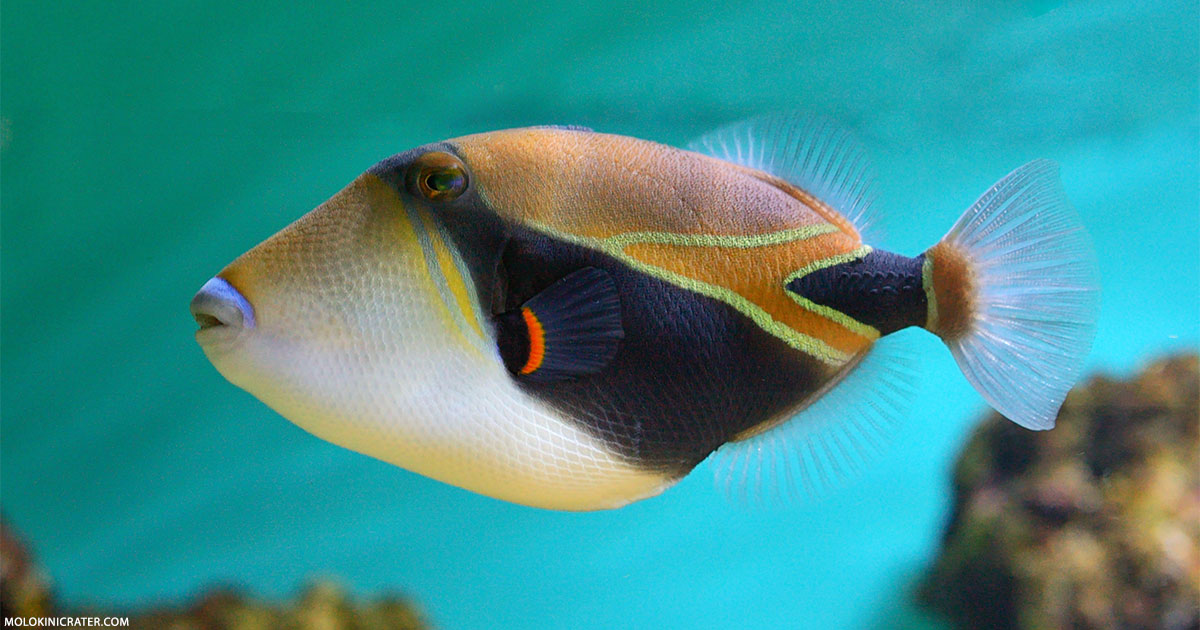
The Humuhumunukunukuāpuaʻa: Hawaii’s Official State Fish
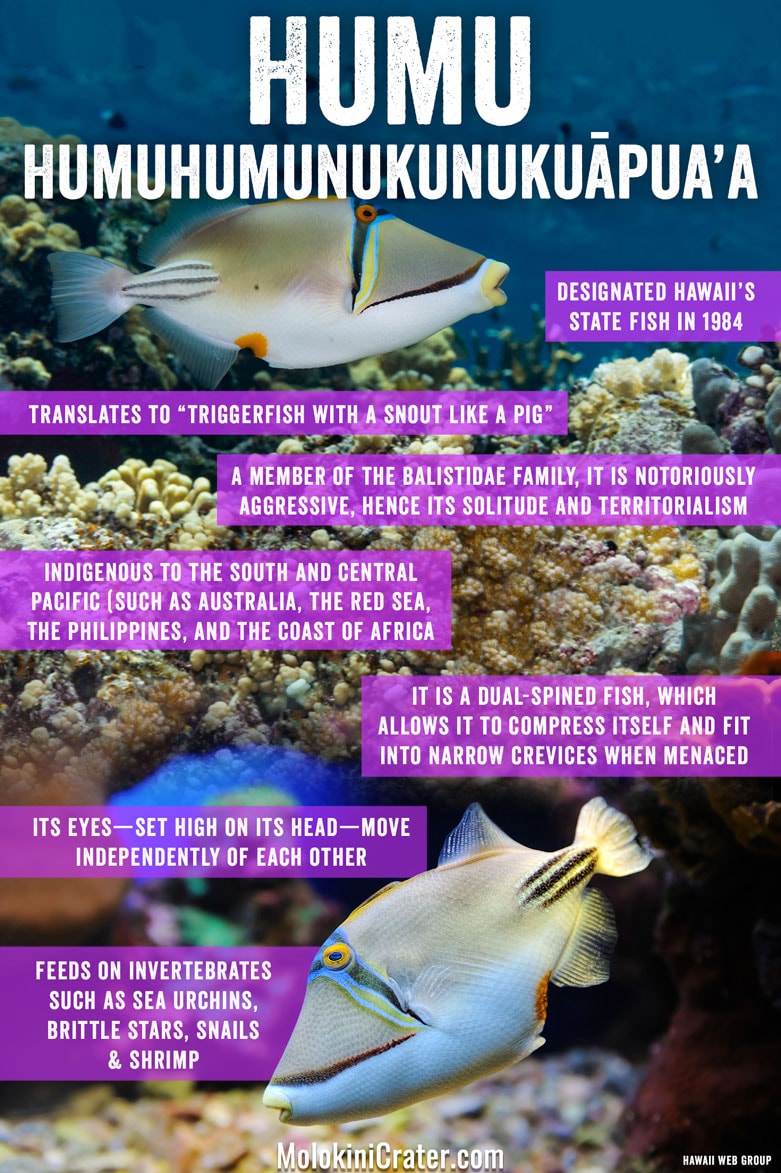
The name itself, Humuhumunukunukuāpuaʻa, is a melodic tongue-twister that translates to “reef triggerfish with a snout like a pig.” This wonderfully descriptive moniker offers a glimpse into the fish’s appearance and its characteristic foraging behavior, rooting it deeply in the Hawaiian language and observation of nature. While its scientific name is Rhinecanthus rectangulus, it is affectionately known as the reef triggerfish or, more commonly, just humuhumu. This fish has a rather interesting history with its state symbol status. It was first officially designated as the state fish in 1985 but the law expired five years later. However, due to its enduring popularity and cultural significance, it was permanently reinstated as Hawaii’s state fish in 2006. This back-and-forth reflects the deep affection and recognition locals and visitors alike have for this charismatic creature, solidifying its place as an iconic symbol of the islands’ rich marine biodiversity.
Unveiling the Name and Significance
The word “Humuhumunukunukuāpuaʻa” is more than just a long name; it’s a testament to the Hawaiian people’s keen observation of their natural surroundings and their rich oral tradition. The “humu-humu” part refers to the sound the fish can make by grinding its teeth, while “nukunukuāpuaʻa” describes its snout, which resembles that of a pig. This unique nomenclature, often simplified to just “humuhumu” by locals and visitors, is part of the charm and mystery surrounding the fish. Culturally, the Humuhumunukunukuāpuaʻa holds a special place. It appears in Hawaiian folklore and is often depicted in local art and souvenirs, serving as a constant reminder of the islands’ vibrant marine life. Its resilient nature, thriving in the bustling coral reefs, also resonates with the enduring spirit of the Hawaiian people and their deep connection to the ocean, or kai. For tourists engaging with local culture, understanding the significance of the humuhumu offers a fascinating insight into the islands’ respect for and harmonious relationship with nature. It’s a cultural touchstone that goes beyond mere biology, connecting visitors to the ancient wisdom and environmental ethos of Hawaii.
Characteristics and Habitat
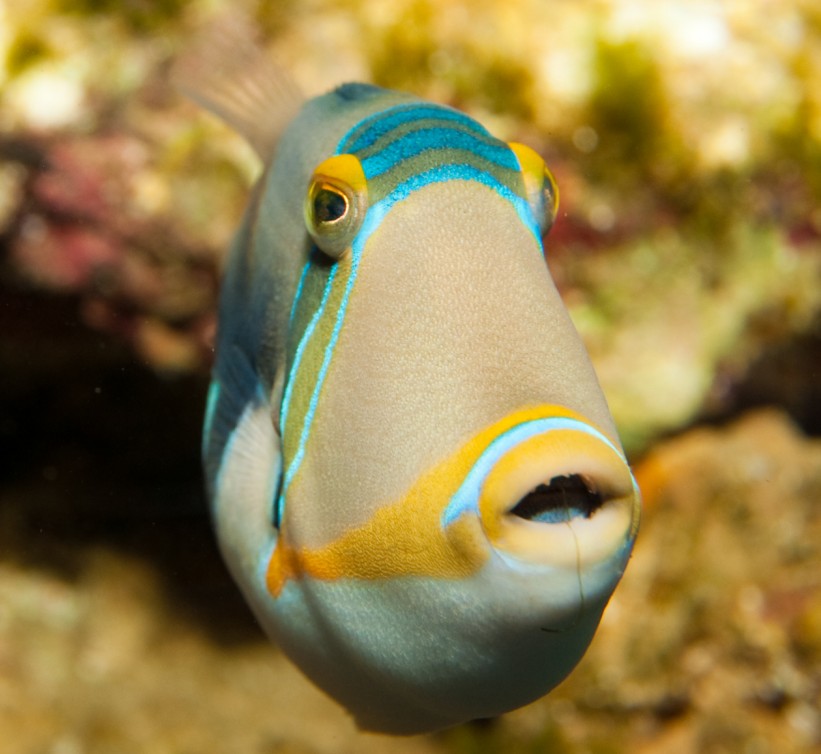
The Humuhumunukunukuāpuaʻa is instantly recognizable by its striking appearance. It boasts a distinct, angular body shape, typically growing up to 10 inches in length, and is adorned with a mesmerizing pattern of yellow, black, white, and blue bands. A prominent black band runs vertically from its eyes, crossing its pectoral fins, creating a mask-like effect. Another distinct black triangle is positioned near its tail, often accompanied by a vivid orange or yellow snout. These bold colors and patterns serve as both camouflage and a warning to potential predators in the intricate world of the coral reef.
Beyond its visual appeal, the humuhumu is known for its fascinating behavior. Like other triggerfish, it possesses a unique dorsal spine that can be locked into an upright position, allowing it to wedge itself securely into crevices within the reef. This “trigger” mechanism provides protection from predators and also allows it to rest safely within its chosen shelter. They are often solitary creatures, diligently patrolling their territories on the reef, searching for food. Their diet primarily consists of small invertebrates, algae, and detritus, making them crucial contributors to the health and cleanliness of the coral ecosystem.
These captivating fish are endemic to the Indo-Pacific region but are particularly abundant and iconic in Hawaii’s shallow coastal waters. They prefer rocky shorelines and coral reefs at depths typically less than 100 feet, making them easily accessible to snorkelers and divers. From the bustling reefs of Waikiki on Oahu to the remote coral gardens off Kauai and the pristine waters surrounding Maui, the humuhumu can be found gracefully navigating the underwater landscape. Their presence is a vibrant indicator of a healthy reef system, underscoring the importance of conservation efforts to protect these delicate habitats for future generations of both fish and human admirers.
Experiencing Hawaii’s Underwater World
Hawaii offers unparalleled opportunities to immerse oneself in its incredible marine environment. For many, the highlight of a trip to the islands is the chance to witness the vibrant underwater world, teeming with life. Spotting a Humuhumunukunukuāpuaʻa in its natural habitat is often a thrilling experience, providing a tangible connection to the islands’ natural beauty. Beyond the state fish, the reefs are home to a diverse population of other species, including parrotfish, butterflyfish, surgeonfish, and occasionally, green sea turtles (honu) gracefully gliding through the water. These encounters are not just recreational activities; they are immersive experiences that deepen one’s appreciation for conservation and the delicate balance of oceanic ecosystems.
Best Spots for Snorkeling and Diving
To truly appreciate Hawaii’s marine life, including the elusive humuhumu, selecting the right snorkeling and diving spots is paramount. Each island offers unique underwater landscapes and opportunities for exploration.
On Oahu, Hanauma Bay Nature Preserve is a world-renowned marine protected area, famous for its calm, clear waters and abundant fish, including numerous humuhumus. Reservations are required to help manage visitor impact, ensuring a pristine experience. For more experienced divers, the waters off Waikiki offer wreck dives and deeper reef exploration.
Maui boasts Molokini Crater, a partially submerged volcanic caldera forming a crescent-shaped islet that is a sanctuary for marine life. Boat tours regularly ferry snorkelers and divers to its protected waters, where visibility can exceed 150 feet. Here, you’ll encounter a vast array of fish and corals, making it a prime location to spot the state fish. Other excellent spots on Maui include the various beach parks along the coast near Lahaina and Wailea, which offer accessible shore snorkeling.
The Island of Hawaii (commonly known as the Big Island) is particularly famous for its calm, clear western coast. Kealakekua Bay, a marine life conservation district, is a historic and ecologically rich area accessible primarily by boat or kayak, offering spectacular snorkeling and diving. Here, ancient coral formations house countless species, and the chance of seeing spinner dolphins is high. Near Kailua-Kona, Kahalu’u Beach Park is another excellent and easily accessible spot for observing reef fish in their natural habitat.
Kauai, with its dramatic Napali Coast, offers stunning boat tours that often include snorkeling opportunities in secluded coves. On the south shore, Poipu Beach Park provides safe and diverse snorkeling, perfect for families and beginners. The more remote Tunnels Beach (Makua Beach) on the north shore is renowned for its labyrinthine underwater lava tubes and abundant marine life, ideal for experienced snorkelers and divers. Each of these locations provides not just a chance to see the Humuhumunukunukuāpuaʻa but also a comprehensive glimpse into Hawaii’s commitment to marine conservation.
Marine Life Encounters for Every Traveler
Hawaii’s underwater world caters to every type of traveler, ensuring that everyone can experience the magic, from the most adventurous diver to those who prefer to stay dry.
For family trips, shallow, protected bays like Hanauma Bay on Oahu or Poipu Beach Park on Kauai are ideal. These locations offer calm waters, easily accessible reefs, and the chance for children to safely discover vibrant fish just inches from shore. Many resorts, such as Aulani, A Disney Resort & Spa on Oahu, even offer kid-friendly lagoon snorkeling or glass-bottom boat tours, providing a comfortable and educational introduction to marine life.
Luxury travelers can indulge in private yacht charters that whisk them away to secluded snorkeling and diving sites, complete with gourmet catering and personal guides. Many high-end resorts, like the Four Seasons Resort Maui at Wailea or the Grand Hyatt Kauai Resort & Spa, offer bespoke marine excursions directly from their properties, sometimes even including dedicated marine naturalists. These experiences often include access to exclusive spots for spotting rare fish and pristine coral formations, far from the crowds.
For budget travelers, numerous accessible public beaches offer excellent shore snorkeling opportunities without the need for expensive tours. Simply renting snorkeling gear from local shops and heading to spots like Ka’anapali Beach on Maui or Maniniowali Beach (Kua Bay) on the Island of Hawaii can yield incredible sightings of the humuhumu and other reef inhabitants. Many boat tours also offer more affordable group options, providing equipment and expert guidance at a lower cost.
Even those who prefer to stay dry can engage with Hawaii’s marine environment. Aquariums like the Maui Ocean Center or the Waikiki Aquarium provide fantastic opportunities to observe the state fish and a myriad of other species in carefully curated habitats, offering educational insights and breathtaking displays. Additionally, glass-bottom boat tours provide a window into the underwater world without getting wet, perfect for those with mobility concerns or simply a preference for dry viewing. Regardless of your travel style or budget, Hawaii ensures that a memorable marine life encounter is within reach.
Planning Your Hawaiian Getaway for Marine Exploration
Embarking on a journey to Hawaii is an experience in itself, but for those specifically drawn by the allure of its marine life and the chance to spot the iconic Humuhumunukunukuāpuaʻa, strategic planning can significantly enhance the trip. From selecting the ideal accommodation to embracing responsible tourism practices, every decision plays a role in creating an unforgettable and respectful exploration of the islands’ aquatic wonders. Hawaii is not just a destination; it’s an ecosystem that thrives on mindful interaction.
Choosing the Right Accommodation
Your choice of accommodation can greatly influence your marine exploration opportunities. When planning your trip, consider resorts, hotels, or vacation rentals that offer direct beach access to good snorkeling spots or that partner with reputable tour operators for marine excursions.
For example, on Oahu, staying in Waikiki puts you close to various snorkeling tours departing from Honolulu, and many properties like the Hilton Hawaiian Village Waikiki Beach Resort offer lagoons or beach access. If proximity to Hanauma Bay is a priority, consider accommodations in nearby neighborhoods.
On Maui, resorts in Wailea or Ka’anapali often boast beautiful beachfronts with excellent snorkeling right off the sand, in addition to easy access to boats heading to Molokini Crater. The Four Seasons Resort Maui at Wailea is a prime example of luxury accommodations providing exceptional access and services for marine activities.
For those visiting the Island of Hawaii, staying along the Kona Coast provides the best access to the calmest waters and most vibrant coral reefs, perfect for spotting the humuhumu and other fish. Resorts such as the Fairmont Orchid, Hawaii on the Kohala Coast offer stunning oceanfront access and amenities tailored to water enthusiasts.
When booking, look for hotels that emphasize sustainable tourism practices, marine education programs, or even have resident marine biologists. Reading reviews and comparing different options, whether luxury resorts, boutique hotels, or long-term apartment rentals, can help you find accommodation that aligns with your desire for marine adventures. Many villas and apartments also offer greater flexibility and space, which can be ideal for families or groups planning extended stays focused on exploration.
Responsible Tourism and Conservation
Visiting Hawaii’s precious marine environments comes with a responsibility to protect them. The Humuhumunukunukuāpuaʻa and its reef companions rely on a healthy ecosystem, and responsible tourism plays a critical role in its preservation.
Follow the “Reef Safe” principle: Always use reef-safe sunscreen, free of oxybenzone and octinoxate, as these chemicals are harmful to coral reefs. Hawaii has even legislated against the sale of sunscreens containing these harmful chemicals.
Do not touch or harass marine life: Observe fish, turtles, and corals from a respectful distance. Touching marine animals can harm them, disrupt their natural behavior, and even transfer diseases. Likewise, never stand on or touch coral, as it is a living organism that is easily damaged. The Humuhumunukunukuāpuaʻa, while hardy, thrives in an undisturbed environment.
Support local and sustainable operators: Choose tour companies that prioritize conservation, educate their guests on marine etiquette, and have certifications for sustainable practices. Many boat tours actively participate in marine research or conservation efforts.
Pack out what you pack in: Ensure no trash, especially plastics, is left behind. Plastics are particularly dangerous to marine animals, which can mistake them for food.
Respect designated marine protected areas: Abide by rules in places like Hanauma Bay or Kealakekua Bay, which are designed to protect fragile ecosystems. These areas often have restrictions on fishing, feeding fish, or accessing certain zones.
Learn about local regulations: Familiarize yourself with local fishing laws and marine life interaction guidelines to ensure your activities are compliant and respectful. For instance, the Papahanaumokuakea Marine National Monument, a UNESCO World Heritage Site in the Northwestern Hawaiian Islands, is a testament to Hawaii’s dedication to marine conservation, although it is not easily accessible to general tourism.
By adhering to these tips, visitors ensure their encounter with the Humuhumunukunukuāpuaʻa and the broader Hawaiian marine ecosystem is both magical and sustainable, contributing to the long-term health and beauty of these irreplaceable islands.
Conclusion
The Humuhumunukunukuāpuaʻa, with its unforgettable name and vibrant appearance, is far more than just Hawaii’s state fish; it is a lively emblem of the islands’ unparalleled natural beauty, rich cultural heritage, and profound commitment to environmental stewardship. Encountering this distinctive reef triggerfish amidst the kaleidoscopic coral gardens is a truly memorable experience that deepens one’s connection to Hawaii’s underwater world.
From the moment you arrive, the islands invite you to delve into their mysteries, both above and below the surface. Whether you choose to snorkel in the teeming waters of Hanauma Bay, dive into the ancient caldera of Molokini Crater, or simply observe the marine life from a glass-bottom boat, the opportunities for discovery are endless. The accessibility of Hawaii’s marine attractions caters to every traveler, from families seeking gentle introduction to nature to luxury explorers desiring bespoke aquatic adventures.
However, the true essence of a Hawaiian marine adventure lies not just in witnessing its wonders, but in participating responsibly in their preservation. By choosing eco-conscious accommodations, supporting sustainable tour operators, and strictly adhering to principles of reef-safe tourism, every visitor contributes to safeguarding these delicate ecosystems for generations to come. This commitment ensures that the Humuhumunukunukuāpuaʻa continues to thrive in its vibrant home, a symbol of resilience and natural splendor.
As you plan your next journey to Hawaii, let the image of the Humuhumunukunukuāpuaʻa be your guide. Let it inspire you to explore the depths of its culture, the breathtaking beauty of its landscapes, and most importantly, the incredible life that flourishes beneath its waves. A trip to Hawaii is not just a vacation; it’s an immersive experience that promises to enrich your understanding of our planet and leave you with cherished memories of an aquatic paradise unlike any other.
LifeOutOfTheBox is a participant in the Amazon Services LLC Associates Program, an affiliate advertising program designed to provide a means for sites to earn advertising fees by advertising and linking to Amazon.com. Amazon, the Amazon logo, AmazonSupply, and the AmazonSupply logo are trademarks of Amazon.com, Inc. or its affiliates. As an Amazon Associate we earn affiliate commissions from qualifying purchases.