
When planning a trip to the Lone Star State, understanding the tax landscape is crucial, especially if you’re looking at accommodation, dining, or souvenir purchases. While the question “What is the tax rate in Texas?” might seem straightforward, the reality is a bit more nuanced. Texas operates with a unique tax structure, differing significantly from many other states in the United States. Instead of a statewide income tax, Texas relies heavily on sales and property taxes. This means that while you might not pay income tax on your earnings in Texas, you will encounter sales tax on most goods and services you purchase, and property tax if you own real estate. For travelers, understanding these sales tax implications is key to budgeting for your Texas adventure.
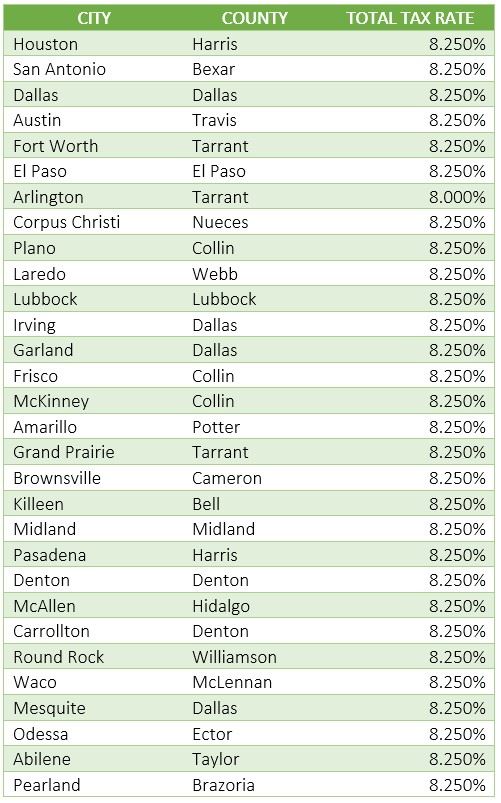
The Texas sales tax system is a combination of state and local taxes. The state imposes a base sales tax rate, and then individual cities, counties, and special districts can add their own local taxes on top of that. This creates a variable tax rate across the state, meaning the total sales tax you pay will depend on precisely where you are within Texas. This is a vital piece of information for anyone considering a trip that might involve multiple stops or a stay in a particular city or region. For instance, a purchase made in Austin might have a different total sales tax than the exact same purchase made in Houston.
This article will delve into the intricacies of Texas sales tax, breaking down how it’s calculated, what it applies to, and what exemptions might exist. We’ll also touch upon how these taxes can impact different aspects of your travel experience, from booking a luxurious suite at a resort to enjoying a local culinary delight in a small town. Understanding these factors will empower you to make informed decisions, whether you’re a budget traveler or seeking a more upscale lifestyle experience.
Understanding the Texas Sales Tax Structure
At its core, the Texas state sales tax rate is set at a base level. However, this is just the starting point. The true tax rate you’ll encounter on your purchases is a composite of this state rate plus any applicable local taxes. This layered approach means that the final sales tax percentage can vary considerably from one municipality to another.
The State Sales Tax Component
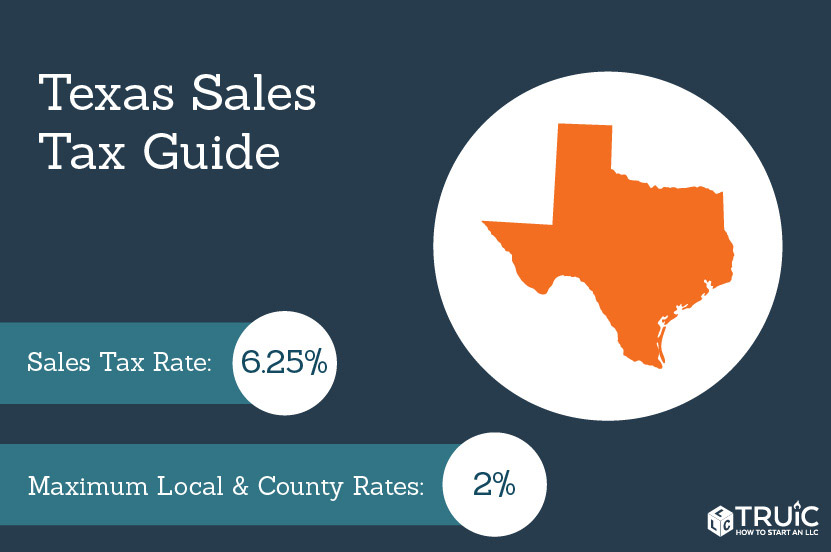
The state of Texas levies a standard sales tax rate. This rate forms the foundation of all sales tax calculations within the state. As of recent figures, this state rate has remained consistent, providing a predictable baseline. However, it’s the additions of local taxes that create the variability travelers often notice. This base rate is applied to a broad range of goods and services, making it a significant revenue generator for the state.
Local Additions: A Patchwork of Rates
Beyond the state’s share, cities, counties, and special districts in Texas have the authority to impose their own sales taxes. These local taxes are added to the state rate, creating a cumulative tax obligation for consumers. The maximum rate that can be imposed by these local entities is capped, but within those limits, there’s a great deal of variation.
- City Sales Taxes: Most major cities in Texas have their own municipal sales tax. For example, Dallas will have a city sales tax that is added to the state rate. This is a common practice and contributes significantly to local government budgets, funding services and infrastructure within those specific urban areas.
- County Sales Taxes: Counties also have the option to levy their own sales taxes. These can be separate from, or in addition to, city taxes, depending on the county’s structure and the specific local initiatives.
- Special Districts: In some instances, special districts, such as those for public transportation or economic development, can also add a small portion to the overall sales tax rate.
The combined effect of these different tax layers is that a consumer in one part of Texas might pay a significantly different total sales tax rate than someone in another, even for the same product. This is why it’s often beneficial to check the specific rate for the city or county you’ll be visiting if you plan on making substantial purchases. For instance, if you’re looking for a long-term stay or booking an apartment, understanding the local tax implications can impact your overall accommodation costs.
What Goods and Services Are Taxed in Texas?
The scope of what is subject to sales tax in Texas is quite broad, encompassing a wide array of goods and services that are essential to both daily life and the travel experience. This comprehensive approach ensures that the state and its localities can generate substantial revenue.
Tangible Personal Property and Most Services
As a general rule, tangible personal property – essentially, anything you can touch and feel – is subject to Texas sales tax. This includes a vast range of items, from clothing and electronics to souvenirs and everyday necessities. If you’re browsing the shops along the San Antonio River Walk or picking up supplies for a family trip, expect to pay sales tax on these items.
Furthermore, many services are also taxed in Texas. This is an area where tax policies can sometimes be complex and where exceptions can arise. Generally, if a service is performed on or for tangible personal property, it’s often taxable. Examples might include repair services for electronics or vehicles. However, the taxation of services can be more nuanced, and it’s always advisable to confirm the taxability of specific services if you’re unsure.
The Impact on Travel and Tourism
The sales tax in Texas directly affects various aspects of the tourism industry. For travelers, this means increased costs for:
- Accommodation: While lodging is generally taxed, the exact rate depends on the local jurisdiction. This can influence your decision when comparing hotels, resorts, or even vacation rentals. A difference of a few percentage points can add up over the course of a longer stay. For example, booking a suite at the JW Marriott San Antonio Hill Country Resort & Spa will include this combined state and local tax.
- Dining: Restaurants and food establishments collect sales tax on prepared food and beverages sold for immediate consumption. This applies whether you’re enjoying a fine dining experience in Dallas or grabbing a quick bite at a food truck.
- Attractions and Entertainment: Tickets to museums, theme parks, sporting events, and other attractions are typically subject to sales tax. This is a cost that needs to be factored into your entertainment budget. Exploring historical landmarks or natural wonders often involves an admission fee that will be taxed.
- Souvenirs and Retail Purchases: Any souvenirs you pick up, from cowboy boots to local crafts, will be taxed. This applies to purchases made in boutiques, large retail stores, or even at local markets.
Understanding these common taxable areas is crucial for accurate budgeting, especially when planning a trip that involves a lot of spending.
Tax Exemptions and Important Considerations
While the reach of Texas sales tax is broad, there are specific exemptions and nuances that travelers and residents should be aware of. These can significantly alter your overall tax liability and influence your purchasing decisions.
Food and Certain Services Exemptions
One of the most significant exemptions in Texas sales tax pertains to food. Most grocery items purchased for home consumption are exempt from sales tax. This means that if you’re stocking up on provisions for a longer stay in an apartment or villa, you’ll generally avoid sales tax on these items. However, this exemption typically does not extend to prepared foods sold for immediate consumption, such as those purchased at a restaurant, convenience store, or cafeteria. This distinction is important for travelers who might be choosing between eating out and preparing their own meals.
Certain services are also exempt. For instance, professional services like legal or medical services are typically not subject to sales tax. Likewise, educational services are usually exempt. The specifics of service taxability can be intricate, and it’s always best to verify with the Texas Comptroller of Public Accounts if you have a question about a particular service.
Texas Hotel Occupancy Tax
A specific type of tax that directly impacts travelers is the Hotel Occupancy Tax (HOT). This tax is levied on persons who occupy hotel rooms for lodging. It’s comprised of both state and local components. Similar to general sales tax, the local portion of the hotel occupancy tax can vary significantly by city and county. This is a crucial factor to consider when comparing accommodation options, as it can substantially increase the final price of your stay. For instance, the cost of a room at a boutique hotel in Austin might be different from a similar hotel in a smaller town due to varying HOT rates.
Property Tax and Long-Term Stays or Ownership
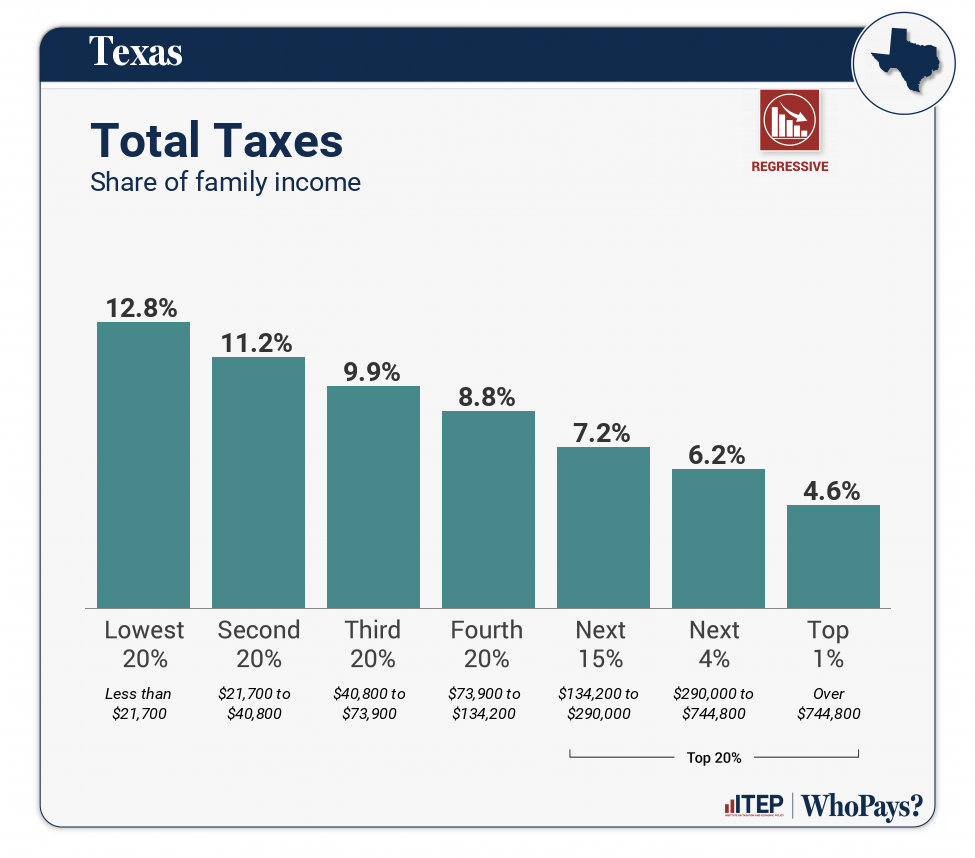
While sales tax is the primary concern for most travelers, it’s worth briefly mentioning property tax in Texas, especially for those considering a longer-term stay or even an investment in real estate. Texas does not have a state income tax, but it does have relatively high property taxes. If you plan to rent a property long-term or purchase a vacation home, understanding local property tax rates will be a significant financial consideration. These taxes are levied by local governments and school districts and are based on the assessed value of the property.
Keeping Up with Rate Changes
Tax rates can change. While the state sales tax rate tends to be stable, local rates can be adjusted by city councils or county commissioners. It is advisable to check the current tax rates for the specific locations you plan to visit or spend time in, especially if you’re making significant financial plans. Resources such as the Texas Comptroller of Public Accounts website can provide up-to-date information on sales tax rates across the state. This diligence can help you avoid unexpected costs and ensure you have an accurate budget for your Texas adventure, whether you’re exploring its vibrant culture, enjoying its diverse landscapes, or seeking luxurious accommodation.