
Miami, Florida, often evokes images of sun-drenched beaches, vibrant nightlife, and a pulsating cultural scene. At the heart of this alluring destination lies its famously warm climate, a defining characteristic that shapes everything from its architecture to its lifestyle, and critically, how visitors plan their trips. Understanding “What is temperature in Miami?” goes beyond a simple number; it’s about grasping the city’s unique tropical allure, its seasonal nuances, and how these factors influence every aspect of a memorable vacation, from choosing the right accommodation to planning activities and experiences.
As a premier travel hub, Miami offers a year-round paradise, but its temperature patterns do present distinct advantages and considerations depending on when you choose to visit. For those seeking an escape from colder climates, the consistent warmth is a major draw. However, even within this tropical embrace, there are subtle shifts in temperature, humidity, and precipitation that can significantly impact your ideal Miami experience. This comprehensive guide delves into the city’s climate, offering insights for travelers looking to make the most of their time in this dazzling South Florida gem.

Understanding Miami’s Climate: A Year-Round Tropical Escape
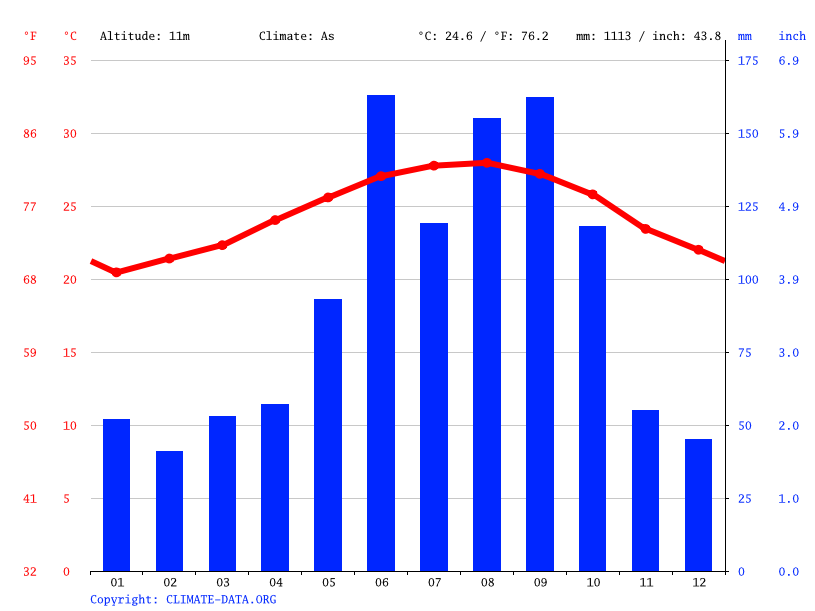
Miami is defined by its tropical monsoon climate, a designation that ensures warm temperatures throughout the year, but also brings a distinct wet and dry season. Unlike many destinations that experience four pronounced seasons, Miami primarily operates on a two-season cycle: a warm, wet season from May to October, and a warm, dry season from November to April. This consistent warmth is largely due to its proximity to the equator and the moderating influence of the Atlantic Ocean and the Gulf Stream, which brings warm water northwards.
Seasonal Breakdown: What to Expect When You Visit
The best time to visit Miami largely depends on your personal preferences for temperature, humidity, crowd levels, and budget. Each season offers a unique flavor of the city.
Winter (December – February): The ‘Peak’ Season
This is arguably the most popular time to visit Miami, and for good reason. Temperatures are comfortably warm, typically ranging from the low to mid-70s Fahrenheit (21-24°C) during the day, with cooler, pleasant evenings in the 60s Fahrenheit (15-18°C). Humidity levels are at their lowest, making outdoor activities incredibly enjoyable. Sunshine is abundant, and rainfall is minimal. This period sees a surge in tourism, leading to higher prices for hotels, flights, and attractions. It’s the perfect time for beach relaxation, enjoying South Beach’s vibrant scene, or exploring landmarks like the Vizcaya Museum & Gardens without the intense summer heat.
Spring (March – May): Pleasant Transitions
Spring maintains the delightful weather of winter, with temperatures gradually climbing into the upper 70s to low 80s Fahrenheit (25-28°C). Humidity remains relatively low, and the chances of rain are still slim, making it an excellent shoulder season. Crowd levels begin to taper off after the winter rush, offering a slightly more relaxed atmosphere and potentially better deals on accommodation. This is a fantastic time for outdoor dining, exploring the Art Deco Historic District, or taking a boat tour on Biscayne Bay.
Summer (June – August): Hot, Humid, and Hurricane Season
Miami summers are characterized by significant heat and high humidity, with daily temperatures often in the upper 80s to low 90s Fahrenheit (30-33°C), and ‘real feel’ temperatures often much higher due to the humidity. This is also the beginning of the wet season, bringing frequent, but usually brief, afternoon thunderstorms. June 1st marks the official start of hurricane season, which extends through November. While direct hits are rare, tropical disturbances can bring several days of heavy rain. Despite the challenging weather, summer offers lower prices on hotels and flights, fewer crowds (especially on beaches), and a different kind of energy, focusing more on indoor attractions or early morning/late evening outdoor activities. Many resorts offer enticing packages during this period.
Autumn (September – November): Cooling Down
Autumn sees a gradual cooling, with temperatures easing back into the low to mid-80s Fahrenheit (27-29°C). Humidity levels slowly decrease, and while September and October are still within hurricane season, the threat typically lessens towards November. Rain showers become less frequent and less intense. This shoulder season presents a good balance of pleasant weather and fewer crowds than the peak winter months, making it an ideal time for budget travelers or those seeking a slightly quieter Miami experience. Exploring Little Havana or the Wynwood Walls becomes more comfortable as the intense summer heat subsides.
Average Temperatures and Humidity Levels
On average, Miami’s annual temperature hovers around 77°F (25°C). January is typically the coolest month, averaging around 68°F (20°C), while July and August are the warmest, with averages nearing 84°F (29°C). Humidity levels fluctuate significantly, dropping to an average of 60-70% in the dry season and soaring to 75-85% or higher during the wet season. This high humidity is a key factor in how comfortable the ambient temperature truly feels.
Ocean Temperatures: Ready for a Dip?
One of Miami’s greatest attractions is its pristine coastline and the inviting waters of the Atlantic Ocean. The good news is that the ocean temperature in Miami is almost always warm enough for swimming. In winter, water temperatures typically range from the low to mid-70s Fahrenheit (22-24°C), making for a refreshing yet comfortable swim. During the summer, the ocean warms up considerably, often reaching the upper 80s Fahrenheit (30-31°C), feeling more like a warm bath. This consistent warmth allows for year-round enjoyment of swimming, snorkeling, and other water sports, making Miami a prime destination for aquatic tourism.
How Miami’s Weather Influences Your Travel Plans
The temperature in Miami is more than just a meteorological statistic; it’s a critical component in planning your ideal trip. From the kind of activities you can enjoy to the type of accommodation you’ll prioritize, the climate dictates much of the Miami experience.
Best Times to Visit for Different Experiences
For Beach Lovers and Outdoor Activities
The dry season, particularly from November to April, is perfect for those whose primary goal is to soak up the sun on South Beach, explore Everglades National Park, or indulge in water sports around Key Biscayne. The cooler temperatures and lower humidity make prolonged outdoor exposure much more pleasant.
For Festivals and Events
Many of Miami’s major festivals and events, from Art Basel Miami Beach to the South Beach Wine & Food Festival, are strategically scheduled during the cooler, drier months to maximize attendance and comfort. If cultural tourism and vibrant street life are your focus, targeting these months is advisable.
For Budget-Conscious Travelers
The summer months (June-September) offer the most significant discounts on hotels and flights. While the heat and humidity are intense, and there’s a risk of hurricanes, travelers willing to brave the weather can find excellent value. Planning indoor activities like visiting museums or enjoying air-conditioned shopping at Aventura Mall can make this a viable and affordable option.
Packing Essentials for Miami’s Climate
Regardless of when you visit, a few packing considerations are always key for Miami.
Clothing Advice
Lightweight, breathable fabrics like cotton, linen, and moisture-wicking materials are essential year-round. Even in winter, shorts, t-shirts, and sundresses are standard daytime attire. In the cooler months, a light sweater or jacket will suffice for evenings. During the summer, minimal clothing is best, and swimwear will be a constant companion. Don’t forget comfortable walking shoes, as you’ll likely explore much of the city on foot.
Sun Protection
The Florida sun is powerful. High-SPF sunscreen, sunglasses, and a wide-brimmed hat are non-negotiable essentials to protect yourself from harmful UV rays, even on cloudy days. Consider rash guards for extended beach or water activities.

Rain Gear
While brief, summer thunderstorms can be intense. A compact umbrella or a light rain jacket is a smart addition to your packing list if you’re visiting between May and October. These showers often pass quickly, but having protection will keep you comfortable during the downpour.
Making the Most of Miami’s Warmth: Activities and Attractions
Miami’s warm climate provides the perfect backdrop for a myriad of activities and attractions that cater to every lifestyle and interest. The outdoor focus of the city is undeniable, but there are also plenty of indoor escapes for when the heat or a sudden shower demands it.
Embracing the Outdoors: Beaches, Parks, and Water Sports
The consistent warmth of Miami means its stunning beaches are always in season. From the iconic sands of South Beach with its lively atmosphere and Art Deco architecture, to the quieter shores of Key Biscayne or Surfside, beach days are a cornerstone of any Miami trip. Beyond sunbathing, the warm waters are ideal for swimming, paddleboarding, jet-skiing, and even snorkeling or diving in nearby reefs.
Everglades National Park, a unique wetland ecosystem, is best explored during the cooler, drier months. Airboat tours, hiking, and wildlife spotting (alligators, wading birds, and more) are popular activities. Other notable outdoor landmarks include the tranquil Fairchild Tropical Botanic Garden and the picturesque Bill Baggs Cape Florida State Park with its historic lighthouse.
Indoor Escapes for Hot or Rainy Days
When the sun is at its peak or a sudden rain shower rolls in, Miami offers a wealth of indoor options. The Pérez Art Museum Miami (PAMM) and the Phillip and Patricia Frost Museum of Science provide cultural enrichment. Shopping enthusiasts can explore high-end boutiques at the Design District or Bal Harbour Shops, or find mainstream brands at Lincoln Road Mall (partially outdoor but with plenty of shaded areas and air-conditioned stores) and the enormous Aventura Mall. Miami’s culinary scene also thrives indoors, with world-class restaurants offering everything from fresh seafood to diverse international cuisine.
Culinary Experiences: From Fresh Seafood to International Flavors
Miami’s temperature profoundly influences its food culture. Light, refreshing dishes like ceviche, stone crabs (seasonal), and tropical fruits are popular, especially during the warmer months. Outdoor dining, whether on Ocean Drive or a hidden courtyard in Coral Gables, is a quintessential Miami experience that can be enjoyed year-round, though with greater comfort during the dry season. The city’s strong Latin American and Caribbean influences are evident in its vibrant food scene, with areas like Little Havana offering authentic Cuban fare perfect for any temperature.
Accommodation and Lifestyle: Finding Your Perfect Miami Stay
Your choice of accommodation in Miami should undoubtedly factor in the local temperature, ensuring you have a comfortable and enjoyable stay. From luxury resorts to boutique hotels and apartments, each option offers different amenities to mitigate the heat or enhance the warmth.
Choosing Your Hotel: Amenities for Every Season
When booking a hotel in Miami, especially during the hot and humid summer months, excellent air conditioning is paramount. Look for hotels that boast impressive pool areas, often with shaded cabanas or resort-style lounging, providing a refreshing escape from the heat. Proximity to the beach or Biscayne Bay is also a major plus, allowing for easy access to a cooling dip.
Luxury hotels like the Fontainebleau Miami Beach, The Setai, Miami Beach, or the Mandarin Oriental, Miami often provide expansive pool decks, private beach access, and exceptional climate-controlled interiors. For budget travelers, many mid-range and boutique hotels throughout areas like South Beach, Brickell, or Coconut Grove still offer essential amenities like pools and air-conditioned rooms, ensuring a comfortable base for your adventures. Consider properties with good reviews regarding their air conditioning if visiting in summer. Booking villas or apartments for long-term stays also gives you control over your immediate environment.
Navigating Miami’s Lifestyle with the Weather in Mind
Miami’s lifestyle is inextricably linked to its temperature. The city’s vibrant nightlife truly comes alive after the sun sets, when temperatures are at their most pleasant. Many rooftop bars and outdoor lounges are popular choices once the evening breeze sets in. Fashion is often light and breezy, favoring bright colors and minimal layers, reflecting the perpetual summer feel. Dining al fresco is a cherished experience, whether it’s a casual brunch or an elegant dinner, though fans and misters are often employed during the hotter months to ensure comfort. Even business stays often incorporate outdoor elements, with networking events sometimes held on scenic patios or poolside.
Preparing for Miami’s Climate: Tips for a Seamless Trip
A little preparation goes a long way in ensuring your Miami trip is seamless and enjoyable, regardless of the precise temperature.
Health and Safety in Tropical Weather
Hydration is key. Drink plenty of water throughout the day, especially if you’re spending time outdoors. Sun safety, as mentioned, is crucial – reapply sunscreen regularly. If visiting during hurricane season (June 1st to November 30th), stay informed about weather forecasts from reliable sources like the National Hurricane Center. Most hotels and local authorities are well-prepared, and clear communication channels are usually in place. Additionally, be aware of high heat warnings and take breaks in air-conditioned spaces when needed.
Transportation Considerations
While many parts of Miami, particularly South Beach, are walkable, having access to air-conditioned transportation is often a blessing. Ride-sharing services, taxis, and the city’s public transportation (Metromover in Downtown Miami and Brickell) can help you navigate between attractions comfortably, especially during the hottest parts of the day. If renting a car, opt for one with good air conditioning.
In conclusion, “What is temperature in Miami?” encapsulates the essence of this vibrant South Florida city. It’s a perpetually warm, often humid climate that invites year-round tourism, shaping everything from outdoor adventures to the luxury of its resorts. By understanding its seasonal rhythms and preparing accordingly, travelers can unlock the full potential of a Miami vacation, ensuring a comfortable, exciting, and unforgettable experience in this tropical paradise. Whether you seek the peak season’s perfect weather or the summer’s vibrant energy and unbeatable deals, Miami’s warmth is always ready to welcome you.
LifeOutOfTheBox is a participant in the Amazon Services LLC Associates Program, an affiliate advertising program designed to provide a means for sites to earn advertising fees by advertising and linking to Amazon.com. Amazon, the Amazon logo, AmazonSupply, and the AmazonSupply logo are trademarks of Amazon.com, Inc. or its affiliates. As an Amazon Associate we earn affiliate commissions from qualifying purchases.