
Planning a trip to the vibrant city of Minneapolis, Minnesota? Understanding the prevailing temperatures is crucial for packing the right clothes, scheduling your activities, and making the most of your visit to the “City of Lakes.” Minneapolis experiences distinct seasons, each offering a unique charm and a different set of opportunities for exploration. From the brisk chill of winter to the balmy embrace of summer, knowing what to expect temperature-wise will greatly enhance your travel experience.
Minneapolis, a major hub in the Upper Midwest, is known for its dynamic weather patterns. Situated on the Mississippi River, it boasts a continental climate characterized by significant temperature fluctuations throughout the year. This means that packing for Minneapolis requires careful consideration of the time of year you plan to visit. Whether you’re drawn to the city’s renowned cultural institutions, its extensive park system, or its burgeoning culinary scene, a little meteorological foresight goes a long way in ensuring a comfortable and memorable journey.

Understanding Minneapolis’s Seasonal Climate
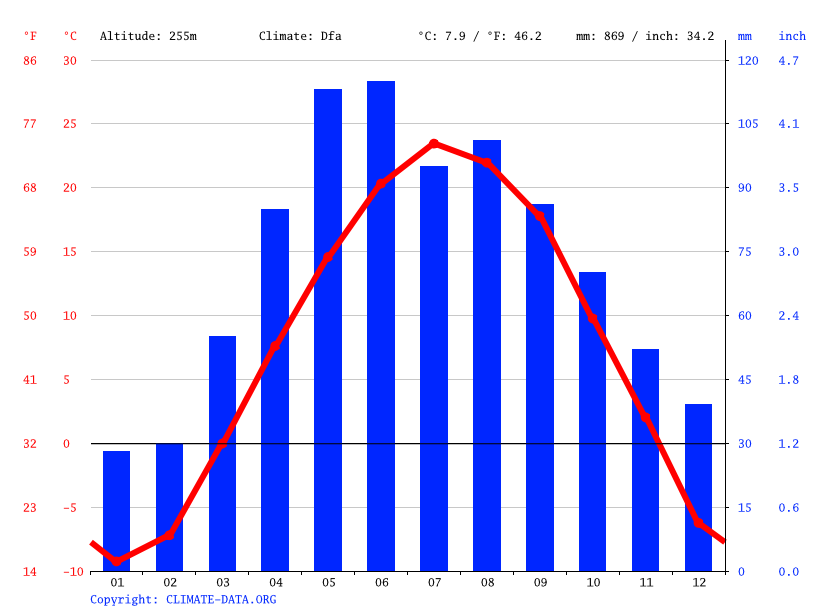
The climate in Minneapolis is a tale of extremes, driven by its inland location and its northern latitude. Winters are famously cold, with abundant snowfall, while summers are warm to hot, often accompanied by humidity. Spring and autumn offer transitional periods, typically milder but with their own unique weather patterns. Understanding these broad strokes is the first step in deciphering the temperature in Minneapolis for your specific travel dates.
Winter Wonderland or Frozen Frontier?
From December through February, Minneapolis lives up to its reputation as a winter destination. Average daily temperatures hover around 10-15°F (-12 to -9°C), but wind chills can make it feel significantly colder, often dipping well below 0°F (-18°C). Snowfall is common, blanketing the city in a picturesque layer of white, perfect for winter sports enthusiasts.
During these months, expect daylight hours to be shorter, with sunrise occurring late and sunset early. The cold is a defining characteristic, and residents and visitors alike embrace it. This is the time for hearty stews, cozying up by a fireplace in a charming hotel, and enjoying outdoor activities like ice skating on frozen lakes or exploring the city’s extensive skyway system. For those who don’t mind the cold, Minneapolis in winter can be a truly magical experience, with festive lights and a unique sense of community. However, for many, it’s a period to be prepared for, with heavy coats, hats, gloves, and insulated footwear being essential.
Spring Thaw and Blooming Beauty
As March transitions into April and May, Minneapolis begins to shed its winter coat. Spring is a period of significant change, with temperatures gradually rising. March can still see winter-like conditions, with lingering snow and freezing temperatures. However, by April, the snow typically melts, and average daily temperatures climb into the 40s and 50s°F (4-15°C). May usually brings more consistently pleasant weather, with averages in the 60s°F (15-20°C).
Spring in Minneapolis is a time of renewal. The city’s numerous parks and lakes start to come alive, and outdoor cafes begin to open. It’s an ideal time for sightseeing, exploring the Minnehaha Park with its iconic waterfall, or taking a stroll along the Stone Arch Bridge. While the weather can be unpredictable, with occasional rain showers and late cold snaps, the increasing warmth and blooming flora make it a beautiful season to visit. Packing layers is key during spring, as morning temperatures can be quite cool, while afternoons can be surprisingly mild.
Summer’s Warm Embrace and Outdoor Adventures
June, July, and August mark Minneapolis’s summer season, characterized by warm to hot and often humid conditions. Average daily temperatures typically range from the high 70s to the low 80s°F (25-28°C), with occasional heatwaves pushing temperatures into the 90s°F (32°C) and beyond. Humidity can make these warmer days feel even hotter. Thunderstorms are also a common feature of Minneapolis summers, often bringing brief but intense downpours, usually in the late afternoon or evening.

Summer is the peak tourist season in Minneapolis, and for good reason. The long daylight hours and pleasant (though sometimes hot) temperatures are perfect for enjoying the city’s extensive network of lakes and trails. Activities like kayaking, paddleboarding, and sailing are popular on Lake Harriet, Lake Calhoun, and Lake Nokomis. The city hosts numerous outdoor festivals, concerts, and events, making it a lively and engaging destination. Light, breathable clothing is a must for summer visits, along with sunscreen, hats, and sunglasses. Staying hydrated is also important, especially during warmer days.
Autumn’s Colorful Spectacle and Crisp Air
September, October, and November usher in autumn, a season celebrated for its stunning fall foliage and crisp, refreshing air. Early autumn, particularly September, often continues the warmth of summer, with average temperatures in the 60s and 70s°F (15-25°C). As October progresses, temperatures begin to cool, with averages dropping into the 50s°F (10-15°C). By November, winter’s chill is beginning to return, with temperatures often falling into the 30s and 40s°F (0-10°C), and the first snowfalls are not uncommon.
Autumn is widely considered one of the most beautiful times to visit Minneapolis. The transformation of the city’s many trees into a vibrant tapestry of reds, oranges, and yellows is breathtaking. This season offers a perfect balance of pleasant temperatures for outdoor exploration and a sense of cozy anticipation for the colder months ahead. It’s an excellent time to visit attractions like the Minneapolis Institute of Arts or enjoy a performance at the Guthrie Theater. Layering is again the key to dressing for autumn in Minneapolis, as conditions can change rapidly from day to day.
Planning Your Minneapolis Visit Based on Temperature
When planning your trip to Minneapolis, considering the average temperatures for your chosen travel dates is paramount. This will not only influence your packing list but also the types of activities you can comfortably enjoy.
Best Times to Visit for Different Experiences
Each season in Minneapolis offers a unique set of attractions and experiences, largely dictated by the temperature.
- For winter sports and festive holiday cheer: December through February are ideal. Embrace the cold and partake in activities like skiing at nearby resorts, ice fishing on the lakes, or enjoying the city’s festive holiday markets. Be prepared for significant cold and snow.
- For blooming landscapes and milder outdoor exploration: April through May offer a beautiful transition with rising temperatures and the awakening of nature. This is a great time for walking tours and enjoying the city’s parks before the summer heat.
- For vibrant outdoor activities and festivals: June through August are perfect for those who enjoy warm weather and a lively atmosphere. The city buzzes with outdoor events, and the lakes are prime for water activities. Be ready for heat and humidity.
- For stunning fall colors and comfortable sightseeing: September and October provide crisp air and breathtaking foliage. This is an excellent period for enjoying walking, biking, and exploring the city’s cultural attractions without the extreme temperatures of summer or winter.
Packing Essentials for Minneapolis Weather
Regardless of the season, packing smart is essential for a comfortable trip to Minneapolis.
- Winter (December-February): Heavy, waterproof winter coat; thermal layers; insulated pants; warm hat, gloves, and scarf; waterproof, insulated boots; wool socks.
- Spring (March-May): Layers are crucial. Include light to medium-weight jackets, sweaters, long-sleeved shirts, jeans or comfortable trousers, and water-resistant shoes. An umbrella is also advisable.
- Summer (June-August): Light, breathable clothing such as t-shirts, shorts, skirts, and sundresses. Don’t forget swimwear, sunscreen, a wide-brimmed hat, sunglasses, and a light jacket or cardigan for cooler evenings or air-conditioned indoor spaces.
- Autumn (September-November): Similar to spring, layers are key. Pack sweaters, long-sleeved shirts, jackets (including a water-resistant option), jeans, and comfortable walking shoes. A warmer coat might be needed for late autumn.
By understanding the nuances of Minneapolis’s climate and tailoring your plans and packing accordingly, you can ensure your visit to this dynamic Midwestern metropolis is enjoyable and memorable, no matter the season. Whether you’re staying at a luxury resort or a cozy apartment, the temperature will play a significant role in shaping your daily adventures, from exploring landmarks to dining at local eateries.
LifeOutOfTheBox is a participant in the Amazon Services LLC Associates Program, an affiliate advertising program designed to provide a means for sites to earn advertising fees by advertising and linking to Amazon.com. Amazon, the Amazon logo, AmazonSupply, and the AmazonSupply logo are trademarks of Amazon.com, Inc. or its affiliates. As an Amazon Associate we earn affiliate commissions from qualifying purchases.