
For many, the mention of Mexican food conjures images of vibrant flavors, hearty portions, and a rich culinary tradition. Yet, within the vast tapestry of North American cuisine lies a distinct and equally beloved category: Tex-Mex. Often confused with authentic Mexican fare, Tex-Mex is a unique gastronomic phenomenon, a delicious testament to cultural fusion that has captivated taste buds far beyond its geographical birthplace. This article delves into the heart of Tex-Mex, exploring its origins, signature characteristics, and how it offers an unforgettable culinary journey for travelers and food enthusiasts alike.
A Culinary Crossroads: The Origins of Tex-Mex
The story of Tex-Mex cuisine is one of convergence, born from the fertile cultural ground where Texas meets Mexico. It’s a culinary narrative shaped by centuries of migration, adaptation, and a shared history that began long before modern borders were drawn. Understanding Tex-Mex requires a look back at the forces that forged its identity, making it a pivotal aspect of the Texas and Southwestern United States local culture.
From Ranch to Restaurant: A Brief History
The roots of Tex-Mex stretch deep into the 19th century, predating the term itself. The region that is now Texas was historically part of Mexico, and its original inhabitants, predominantly indigenous communities and later Spanish settlers, cultivated a diet rich in corn, beans, and chiles. When Anglo-American settlers began arriving in significant numbers in the 1800s, they brought their own culinary traditions and available ingredients, primarily beef and wheat. This initial clash and subsequent blend of cultures laid the groundwork for what would become Tex-Mex.
The ranches along the Texas-Mexican border were particularly influential. Here, “vaqueros” (cowboys) and their families prepared hearty meals using readily available ingredients like beef, pinto beans, and corn. As railways expanded and commercial trade flourished, certain ingredients, such as yellow cheddar cheese and ground beef, became more accessible and were readily incorporated into the existing culinary framework. Early “chili parlors” and Mexican restaurants in Texas cities like San Antonio began to popularize dishes that combined these elements, often adapting them to suit the palates of a broader, more diverse clientele.
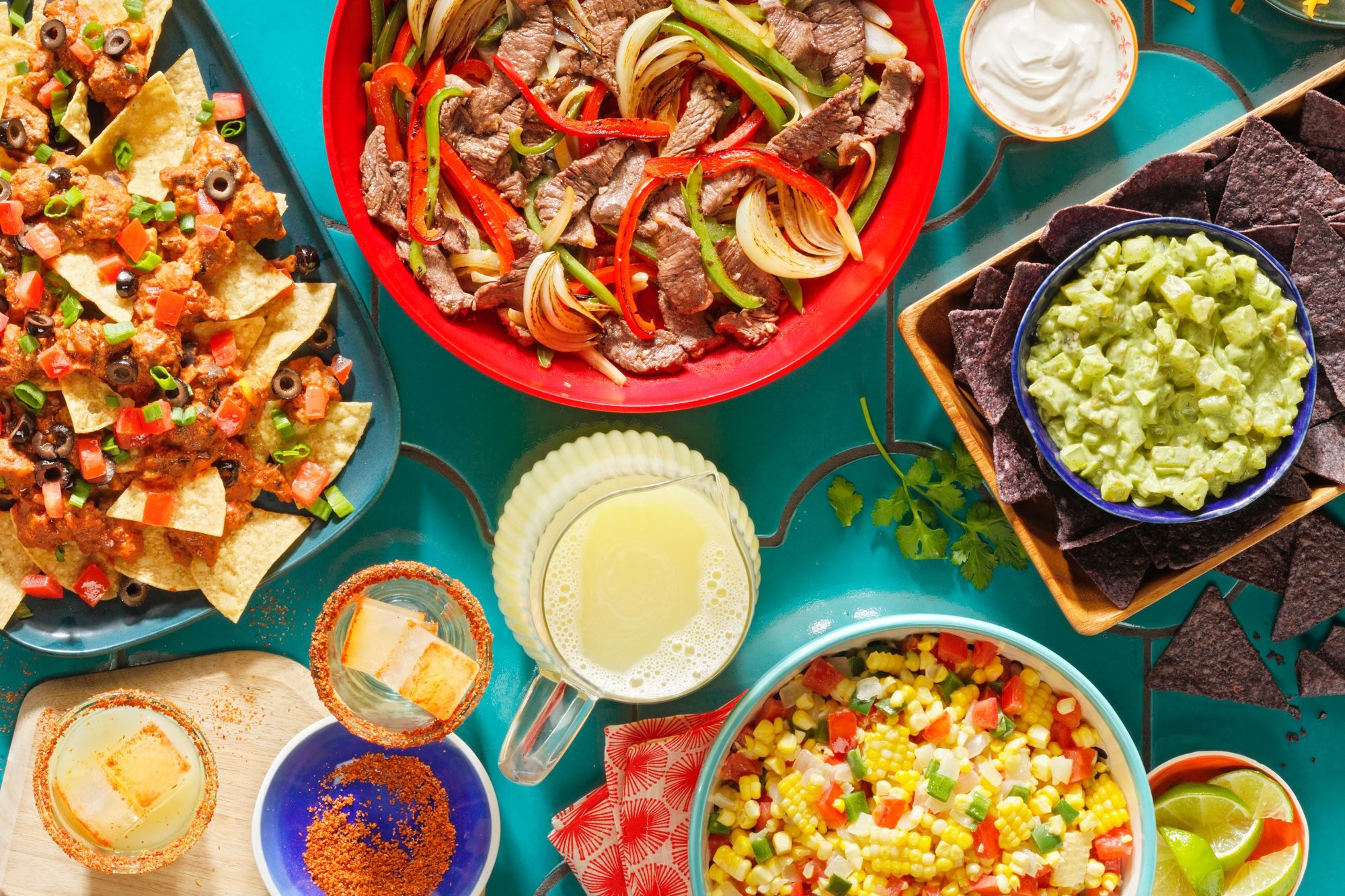
The term “Tex-Mex” itself wasn’t widely used until the mid-20th century. Originally, it referred to the Texas Mexican Railway, and later, to people of Mexican descent living in Texas. It was prominent food writer Diana Kennedy, in her 1972 cookbook The Cuisines of Mexico, who used the term to differentiate the regional food of Texas from the more traditional cuisines of Mexico. While initially used to denote a lesser, inauthentic form of Mexican food by some purists, the term has since been reclaimed and proudly embraced as a distinct and legitimate cuisine with its own rich history and identity.
For travelers interested in culinary history, exploring the historic districts of cities like San Antonio offers a direct connection to these origins. Many old family-run restaurants, often considered local landmarks, continue to serve dishes developed over generations, providing a tangible link to the past. These establishments, alongside the vibrant culinary scenes in Houston, Dallas, and Austin, form essential attractions for anyone on a food-centric travel itinerary through Texas.

Decoding the Flavors: Distinguishing Tex-Mex from Traditional Mexican Cuisine
The most common point of confusion for many is the perceived interchangeability of “Tex-Mex” and “Mexican food.” While sharing a common ancestry and certain ingredients, the two cuisines have diverged significantly, each developing its own unique flavor profile, staple ingredients, and cooking techniques. For travelers planning a gastronomic tour, understanding these distinctions is key to appreciating the authentic experience of each.
Core Ingredients and Signature Styles
At its heart, the difference between Tex-Mex and traditional Mexican food lies in the prevalence and preparation of certain key ingredients.
Tex-Mex Cuisine:
- Cheese: Yellow cheeses, particularly cheddar and Monterey Jack, are ubiquitous. Dishes are often generously topped or filled with melted cheese, leading to a delightful, gooey texture. Queso, a creamy melted cheese dip, is a Tex-Mex invention.
- Spices: Cumin is a dominant spice, giving many Tex-Mex dishes their characteristic earthy flavor. Chili powder (often a blend of ground chiles, cumin, and oregano) is also heavily used, especially in chili gravy and chili con carne.
- Meat: Ground beef is a staple, particularly in tacos and enchiladas. Beef fajitas, made with skirt steak, are another iconic Tex-Mex creation.
- Tortillas: While corn tortillas are used, wheat flour tortillas are just as, if not more, common, especially for burritos and soft tacos.
- Beans and Rice: Refried pinto beans, often made with lard, are a standard side. The rice typically served is a Spanish-style rice, often reddish-orange from tomato paste.
- Sauces: Rich, savory chili gravies (dark red, thickened sauces) are characteristic, particularly for enchiladas.
Traditional Mexican Cuisine:
- Cheese: White, crumbling cheeses like Cotija, Oaxaca, or fresh queso fresco are favored. They are used more sparingly, often as a garnish rather than a primary component.
- Spices: A broader and more nuanced array of fresh and dried chiles (ancho, guajillo, pasilla, serrano, jalapeño) are used to build complex flavor profiles. Cumin is present but less dominant, often balanced by cilantro, lime, and other fresh herbs.
- Meat: A wider variety of meats is utilized, including pork (carnitas, al pastor), chicken, goat (cabrito), and seafood, often prepared in stewed or slow-cooked forms.
- Tortillas: Corn tortillas are king, made fresh daily and forming the base of countless dishes.
- Beans and Rice: Black beans are frequently used, often whole or lightly mashed. Rice preparations are diverse, often white rice with a simple herb or vegetable accompaniment, or a more elaborate arroz rojo that differs from Tex-Mex Spanish rice.
- Sauces: Complex moles, fresh salsas (salsa verde, pico de gallo), and various chile-based sauces are fundamental, often layered with intricate flavors rather than heavy gravies.
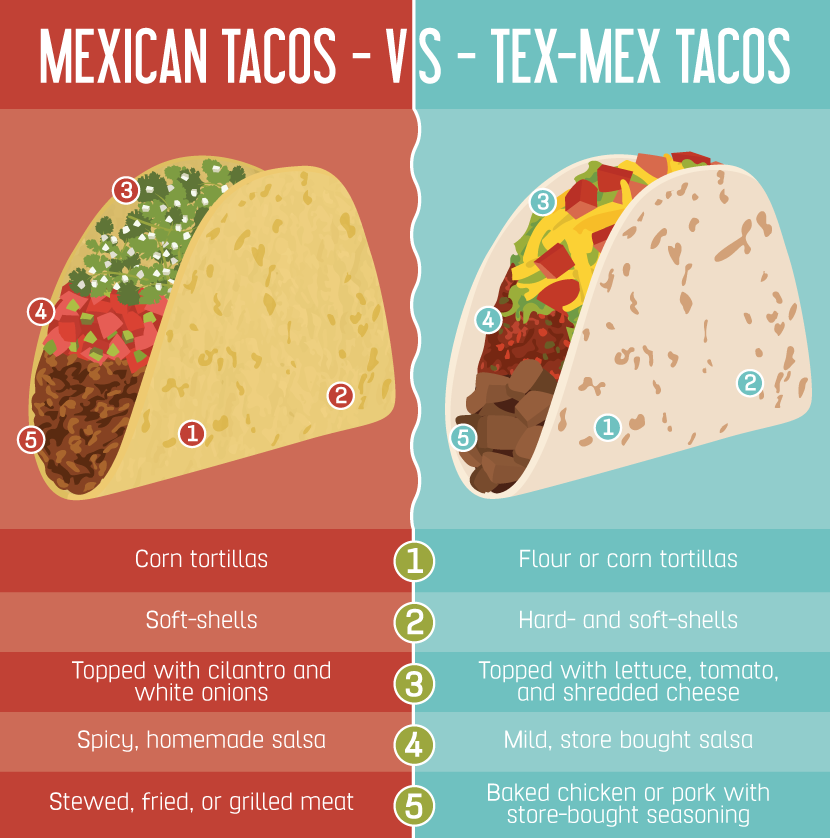
For a traveler, this distinction means that a culinary tour through Mexico will offer vastly different gastronomic experiences than one focused on Tex-Mex in Texas. Both are delicious and culturally rich, but they are not interchangeable. This diversity contributes significantly to the appeal of food tourism, allowing for distinct “experiences” and “local culture” immersion.
Iconic Dishes and Their Evolution
Many dishes that casual diners might broadly categorize as “Mexican” are, in fact, quintessential Tex-Mex creations. These dishes have evolved over time, becoming beloved staples of the cuisine.
- Chili Con Carne: While often debated, the true origin of chili con carne (chili with meat) is firmly rooted in Texas. It’s a hearty stew made with chunks of beef, chili powder, and often beans, served without pasta or tomatoes (in its most traditional form). This dish became a national sensation through events like the San Antonio Chili Queens, who served it from stalls in the city’s plazas.
- Fajitas: A relatively modern Tex-Mex invention, fajitas originated in the ranch lands of South Texas in the 1930s and 40s. Mexican ranch hands would cook less desirable cuts of beef, particularly skirt steak (faja in Spanish), over an open fire. It was popularized in restaurants in the 1970s and 80s, becoming a sizzling, interactive dining experience globally recognized as Tex-Mex.
- Nachos: The story of nachos begins in 1943 in Piedras Negras, Mexico, just across the border from Eagle Pass, Texas. Restaurateur Ignacio “Nacho” Anaya created them for a group of American military wives using fried tortilla pieces, melted cheese, and jalapeños. They quickly crossed the border and became a Tex-Mex icon, evolving into the loaded platters seen today.
- Enchiladas with Chili Gravy: While enchiladas exist in Mexico in countless variations, the Tex-Mex version typically features corn tortillas rolled around ground beef or cheese, smothered in a rich, dark chili gravy and topped with a generous amount of melted cheddar cheese.
- Queso: This creamy, spicy melted cheese dip is a purely Tex-Mex indulgence, often served with tortilla chips.
- Puffy Tacos: A distinctive San Antonio specialty, puffy tacos are made by frying fresh corn masa until it puffs up into a soft, airy shell, then filling it with various meats and toppings. This unique texture sets them apart from typical crispy or soft tacos.
These dishes represent more than just food; they are part of the “local culture” and “attractions” that draw visitors. Experiencing these unique flavors is a core component of “tourism” in Texas.
The Tex-Mex Experience: A Journey for the Senses
Beyond its ingredients and historical roots, Tex-Mex offers a complete sensory experience that defines a significant part of the Texan lifestyle. From bustling diners to upscale eateries, the atmosphere and spirit of Tex-Mex dining are as integral as the food itself. For any traveler, immersing oneself in this culinary scene is a vibrant way to engage with the local culture and explore unique destinations.
Where to Savor Authentic Tex-Mex
To truly appreciate Tex-Mex, one must venture to its heartland. While its influence has spread globally, the most authentic and diverse Tex-Mex experiences are found in Texas itself.
- San Antonio: Often dubbed the “birthplace of Tex-Mex,” San Antonio offers an unparalleled array of restaurants, from historic institutions like Mi Tierra Café y Panadería in Market Square to numerous local gems tucked away from the main tourist hubs. Dining along the Riverwalk provides a picturesque setting for enjoying classics. Many of these eateries are considered significant local landmarks in their own right.
- Houston: As a sprawling metropolis, Houston boasts an incredibly diverse food scene, with Tex-Mex being a prominent feature. From old-school cantinas to modern interpretations, the city offers a dynamic range of options.
- Dallas: Home to numerous iconic Tex-Mex restaurants, Dallas has perfected the art of the sizzle and the chili gravy. Many establishments have been family-run for generations, offering consistent quality and a warm, inviting atmosphere.
- Austin: Known for its vibrant food truck scene and innovative culinary landscape, Austin provides a fresh take on Tex-Mex, often incorporating farm-to-table ingredients and a laid-back vibe. It’s a great destination for those seeking both traditional and contemporary Tex-Mex.
When planning “travel” to these “destinations,” consider exploring local “guides” or asking residents for their favorite spots. Sometimes the best Tex-Mex is found in an unassuming diner that has been serving the community for decades, far from the typical “attractions” listed in guidebooks. Many “hotels” and “resorts” in these cities will also feature Tex-Mex inspired dishes on their menus, reflecting the widespread appeal of the cuisine.
Beyond the Plate: Tex-Mex and Lifestyle
Tex-Mex is more than just food; it’s a cornerstone of the Texan “lifestyle.” It’s the go-to for family gatherings, celebrations, casual weeknight dinners, and even business lunches. The ambiance of a Tex-Mex restaurant is often as memorable as the meal itself: lively music, colorful decor, friendly service, and the clinking of glasses filled with margaritas create a festive and welcoming environment.
The sheer popularity of Tex-Mex means that it plays a significant role in “tourism” and “local culture.” Visitors often seek out Tex-Mex as a quintessential part of their Texan “experience.” Whether it’s enjoying a happy hour with friends, celebrating a birthday, or simply grabbing a quick and satisfying meal, Tex-Mex fits seamlessly into various aspects of life.
For those on a “luxury travel” itinerary, upscale Tex-Mex restaurants offer refined dining experiences, sometimes in beautifully appointed “accommodations” or historic buildings. Conversely, “budget travel” enthusiasts will find plenty of affordable, yet incredibly flavorful, options in casual diners and food trucks. Tex-Mex restaurants often become beloved “landmarks” within communities, cherished for their consistent quality, historical significance, and the memories they create.
Planning Your Tex-Mex Culinary Adventure
Integrating a Tex-Mex culinary exploration into your “travel” plans can elevate your trip from a simple visit to an immersive cultural adventure. The rich flavors, vibrant atmospheres, and historical connections offer unique “experiences” for every type of traveler.
Tips for the Discerning Traveler
Embarking on a Tex-Mex food journey requires a bit of strategy to truly maximize the experience:
- Ask the Locals: Don’t rely solely on online reviews. Engage with locals – hotel staff, shopkeepers, or even fellow diners – to discover hidden gems and their personal favorite Tex-Mex spots. Local recommendations often lead to the most authentic and memorable meals.
- Embrace Variety: Don’t stick to just one dish. Try different tacos, enchiladas, and specialty items like chili con carne or fajitas. Sample different types of salsas and queso. Many restaurants offer combination platters perfect for sampling.
- Consider Food Tours: In major cities like San Antonio or Austin, dedicated food tours can provide curated insights into the Tex-Mex scene, often including historical context and visits to multiple establishments. These “guides” offer an excellent way to learn and taste.
- Explore Different Ambiences: Experience the range of Tex-Mex dining, from quaint family-run diners that have been open for decades to modern, upscale restaurants. Each offers a unique perspective on the cuisine and contributes to a diverse “lifestyle” experience.
- Don’t Forget the Drinks: Pair your meal with an authentic margarita, a local craft beer, or a refreshing agua fresca. These beverages are an integral part of the Tex-Mex dining experience.
Integrating Tex-Mex into Your Travel Itinerary
Whether you are planning a “long-term stay” or a short getaway, weaving Tex-Mex into your travel plans can enrich your journey.
- Strategic Accommodation: When booking your “accommodation,” consider staying in areas known for their vibrant Tex-Mex scenes. For instance, choosing a “hotel” or “apartment” near San Antonio’s Market Square or Austin’s South Congress can put you within walking distance of renowned eateries. Many “resorts” in Texas also pride themselves on offering high-quality Tex-Mex dining options.
- Combine with Sightseeing: Plan your meals around visits to local “landmarks” and “attractions.” Enjoying a delicious Tex-Mex lunch after exploring the Alamo in San Antonio or a dinner after a day visiting museums in Houston provides a satisfying blend of cultural and culinary exploration.
- Embrace the “Local Culture”: Food is one of the most accessible entry points into a region’s culture. By actively seeking out and savoring Tex-Mex, you’re not just eating a meal; you’re participating in a deeply ingrained aspect of the local identity. This contributes to a richer “tourism” experience, moving beyond superficial sightseeing to genuine “experiences.”
- Budget vs. Luxury: Tex-Mex caters to all “lifestyle” choices. From simple, incredibly flavorful tacos at a food truck for a “budget travel” adventure to a sophisticated dinner featuring elevated Tex-Mex cuisine at a high-end restaurant, there are options for every price point. Checking “reviews” and doing “comparison” before “booking” can help tailor the experience to your preferences.
In conclusion, Tex-Mex is far more than a casual subset of Mexican food; it is a distinct and celebrated cuisine, a vibrant tapestry woven from historical encounters, regional ingredients, and a unique cultural spirit. For any traveler or food enthusiast, exploring “What Is Tex Mex?” is an invitation to embark on a flavorful journey, discovering the hearty, cheesy, and utterly irresistible dishes that define this iconic American cuisine. It’s an essential part of the “travel,” “tourism,” and “lifestyle” experience in the great state of Texas, promising delicious memories and a deeper appreciation for culinary fusion.
LifeOutOfTheBox is a participant in the Amazon Services LLC Associates Program, an affiliate advertising program designed to provide a means for sites to earn advertising fees by advertising and linking to Amazon.com. Amazon, the Amazon logo, AmazonSupply, and the AmazonSupply logo are trademarks of Amazon.com, Inc. or its affiliates. As an Amazon Associate we earn affiliate commissions from qualifying purchases.