
The culinary landscape of the United States is a vibrant tapestry woven with threads from cultures across the globe, and among its most distinctive patterns is Tex-Mex cuisine. Far more than just a regional food style, Tex-Mex represents a rich historical and cultural fusion, a flavorful narrative born from the unique interplay between Texas and Mexico. For many travelers exploring the Southwestern United States, discovering Tex-Mex is an essential part of the journey, offering a deep dive into local culture, history, and, most deliciously, the regional palate. It’s a cuisine that transcends simple sustenance, becoming an experience that defines destinations, influences lifestyle choices, and offers an authentic taste of a truly unique heritage.
Often confused with traditional Mexican food, Tex-Mex holds its own distinct identity, forged over centuries by communities living along the border. It’s characterized by a robust blend of ingredients and cooking techniques that reflect both Spanish and Indigenous influences from Mexico, combined with the readily available ingredients and evolving tastes of Texas. This creates a flavor profile that is hearty, often cheesy, generously spiced with cumin, and relies heavily on beef, wheat flour tortillas, and a variety of chiles. Understanding what Tex-Mex is, therefore, is not just about identifying ingredients; it’s about appreciating a significant culinary landmark that beckons food enthusiasts and cultural explorers alike.
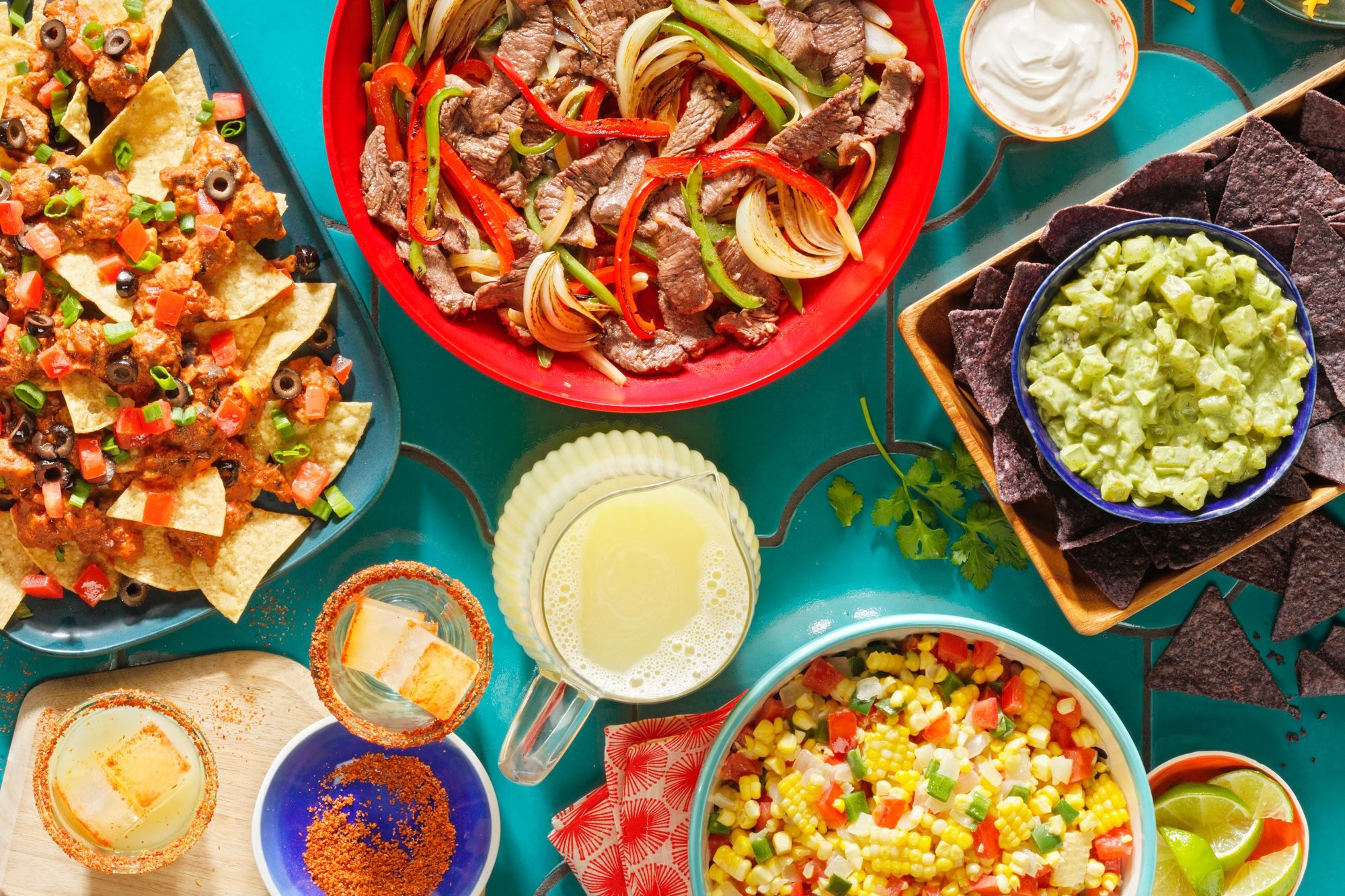
A Culinary Fusion: Tracing the Roots of Tex-Mex
To truly grasp the essence of Tex-Mex, one must journey back in time and explore the unique geographical and historical circumstances that gave birth to this beloved cuisine. Its origins are deeply intertwined with the settlement of Texas, a land that was once part of Mexico and before that, a distant frontier of New Spain. The people who first cultivated this land, the indigenous tribes and later the Spanish colonists and Mexican settlers, laid the groundwork for a cooking style that would eventually be known as Tex-Mex. This culinary evolution was not a sudden invention but a gradual adaptation, reflecting the availability of local ingredients and the ingenuity of cooks.
The influence of ranching, particularly the prevalence of cattle, played a pivotal role. While traditional Mexican cuisine often favored pork, chicken, and goat, the burgeoning cattle industry in Texas made beef a primary protein source. This led to iconic dishes like chili con carne and fajitas, which showcase beef prominently. Furthermore, the use of wheat flour tortillas alongside corn tortillas became commonplace, reflecting both accessibility and preference. The border, epitomized by the meandering Rio Grande, became a permeable line where cultures, ideas, and flavors mingled, creating a distinct identity that was neither purely Mexican nor solely American, but uniquely Tejano and Mexican-American.
The Borderland Kitchen: Texas and Mexico’s Shared Heritage
The distinction between Tex-Mex and true Mexican cuisine is a frequent topic of discussion, but it’s one rooted in geographical and cultural specificity rather than superiority. Authentic Mexican food, with its regional variations from Oaxaca to Yucatán, emphasizes fresh, often simple ingredients, complex mole sauces, and a deep reliance on corn. Tex-Mex, on the other hand, embraces its own character: a generous use of yellow cheddar cheese (a rarity in Mexico), more pronounced cumin flavors, and robust, often meat-heavy preparations. These characteristics aren’t deviations from tradition but rather the emergence of a new tradition.
Consider the northern Mexican states of Chihuahua, Coahuila, and Nuevo León, which share a border and a historical connection with Texas. These regions have their own distinct culinary practices that often lean towards hearty meat dishes and wheat flour tortillas, much like Tex-Mex. The constant cross-cultural exchange, the ebb and flow of people and ideas across the border, meant that flavors and techniques were continuously shared and adapted. This is why Tex-Mex is best understood not as an imitation of Mexican food, but as a distinct and legitimate cuisine born from a specific region and its people. It tells a story of survival, adaptation, and celebration, a story that resonates deeply with the cultural fabric of the Southwestern United States.
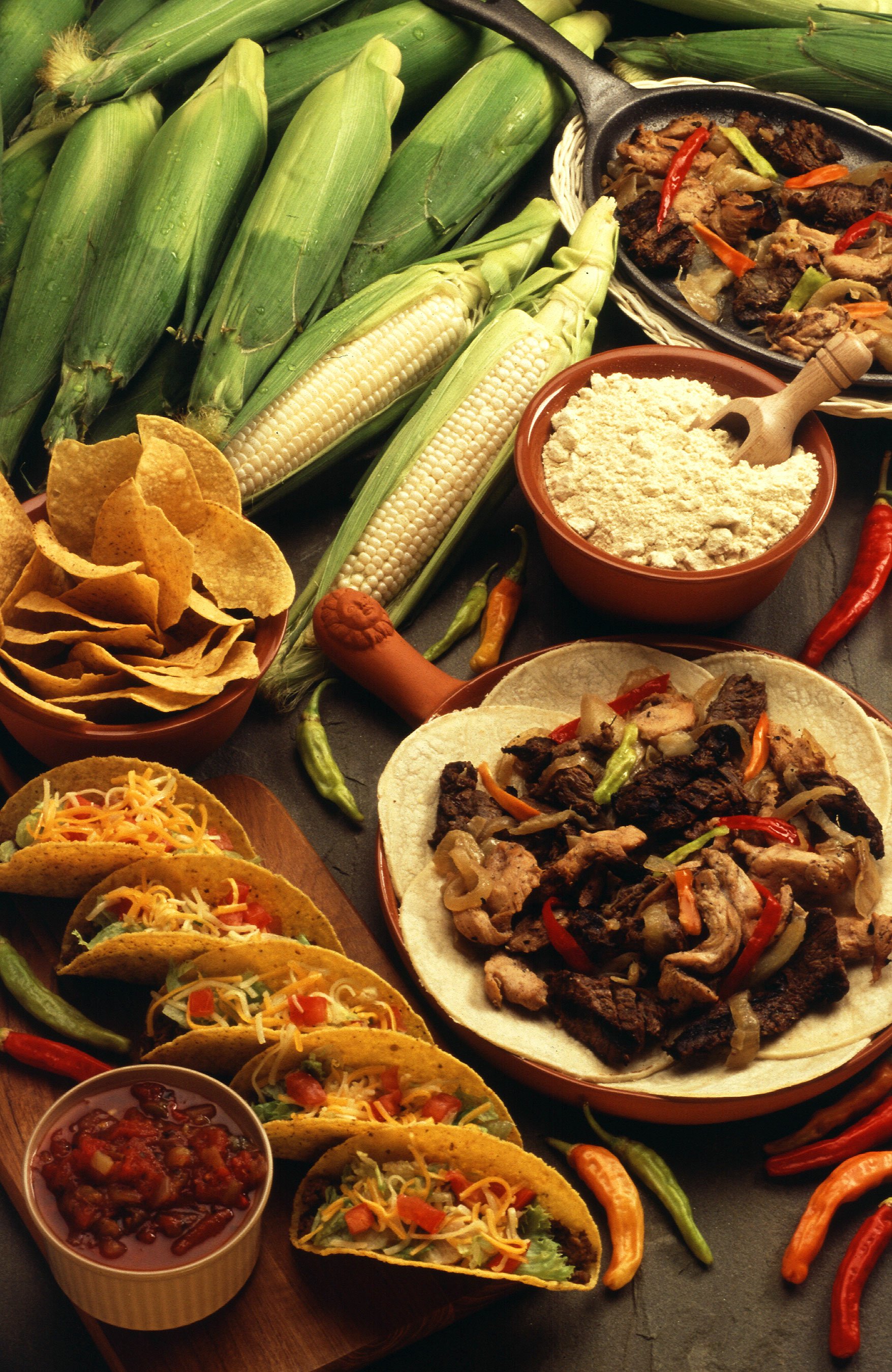
Beyond the Border: How Tex-Mex Gained National and Global Acclaim
While its heart firmly beats in Texas, the appeal of Tex-Mex has undeniably spread far beyond the Lone Star State. Its journey to national and even international recognition is a testament to its approachable flavors and satisfying nature. The mid-20th century saw a significant expansion of Tex-Mex restaurants across the United States, particularly as travel became more accessible and people sought diverse culinary experiences. Iconic dishes like fajitas, popularized by Houston’s Ninfa’s on Navigation in the 1970s, captured the American palate with their sizzling presentation and customizable fillings.
The robust, comforting, and often customizable nature of Tex-Mex dishes made them incredibly popular, fitting various lifestyles from casual family dinners to lively gatherings. Food chains and independent eateries alike capitalized on its broad appeal, introducing nachos, burritos, and enchiladas to diners from California to New York. Today, Tex-Mex has become a staple in American cuisine, an expected offering in many cities and a go-to for many. Its global spread further underscores its universal appeal, with variations appearing in countries like the United Kingdom and Australia, albeit often with local adaptations. This widespread adoption has solidified Tex-Mex’s status as a significant culinary export, representing a vibrant piece of American cultural identity.

The Signature Flavors and Dishes of Tex-Mex
The heart of any cuisine lies in its dishes, and Tex-Mex boasts a remarkable array of iconic plates that exemplify its unique flavor profile. From sizzling platters to comforting casseroles, each dish tells a story of robust flavors, generous portions, and a culinary heritage rich in character. When exploring Tex-Mex, you’ll encounter ingredients that are distinctively woven into its fabric: often a combination of ground beef, rich chili gravies, melted cheddar cheese, pinto beans, and wheat flour tortillas, all seasoned with a generous hand of cumin, chili powder, and garlic. These elements come together to create a satisfying and uniquely savory experience that is instantly recognizable and deeply comforting.
Many of these dishes are designed to be shared, encouraging a communal dining experience that is central to the Texan lifestyle. The vibrant colors, the aromatic spices, and the sheer variety of textures make a Tex-Mex meal an exciting adventure for the senses. Whether you’re craving something spicy, cheesy, or wonderfully hearty, there’s a Tex-Mex dish waiting to satisfy. The consistency and widespread recognition of these signature items are a testament to their enduring appeal and their rightful place in the pantheon of beloved American comfort foods.
Iconic Plates: A Taste of the Lone Star State
No discussion of Tex-Mex is complete without highlighting its most famous contributions to the culinary world. These are the dishes that travelers seek out, the ones that often appear on restaurant menus worldwide, and the true emblems of this fusion cuisine:
- Fajitas: Perhaps the most globally recognized Tex-Mex dish, fajitas consist of marinated strips of grilled skirt steak (or chicken, shrimp, or vegetables) served sizzling hot on a cast-iron skillet, typically with warm flour tortillas, pico de gallo, guacamole, sour cream, and grated cheese. Their dramatic presentation and interactive nature make them a crowd-pleaser, perfect for a lively dining experience.
- Chili Con Carne: A true Texan icon, authentic chili con carne is a rich, slow-simmered stew of beef (often chunks, not ground), chili powder, and other spices, notably lacking beans in its purest form. It’s robust, deeply savory, and often served over enchiladas or as a standalone hearty meal.
- Enchiladas: While Mexican enchiladas boast countless variations, Tex-Mex enchiladas are distinctive for their use of a rich, often reddish-brown chili gravy (made with chili powder and a roux), generous fillings of cheese or ground beef, and a blanket of melted cheddar or Monterey Jack cheese. They are the epitome of Tex-Mex comfort food.
- Nachos: While the origin of nachos is attributed to Ignacio “Nacho” Anaya in Piedras Negras, Mexico, just across the border from Eagle Pass, Texas, the Tex-Mex version is a cornerstone of casual dining. Piled high with melted cheese (often the classic yellow processed cheese for ultimate melt), jalapeños, refried beans, and ground beef, they are the quintessential appetizer for sharing.
- Queso: A creamy, spicy cheese dip, often made with processed cheese (like Velveeta) and mixed with diced chiles, tomatoes, and sometimes ground beef. Served warm with tortilla chips, it’s an addictive and essential part of the Tex-Mex experience, showcasing the cuisine’s love for melted cheese.
These dishes are not just food; they are culinary landmarks, representing the heart and soul of the Lone Star State’s food culture.
More Than Just Tacos: Diversifying Your Tex-Mex Palate
While tacos are undeniably popular and a universal symbol of Mexican-inspired cuisine, Tex-Mex offers a diverse menu that extends far beyond the familiar crunchy shell. Exploring these other dishes enriches your understanding and appreciation of the cuisine. Consider the crispy taco, often made with a fried corn tortilla shell, filled with seasoned ground beef, shredded lettuce, diced tomatoes, and grated cheddar cheese—a ubiquitous and comforting staple.
Beyond tacos, delve into quesadillas, often made with flour tortillas, generously filled with cheese and sometimes various meats or vegetables, then grilled until golden and gooey. Burritos, though more strongly associated with California’s mission-style versions, are also a staple in Tex-Mex, typically large flour tortillas wrapped around a filling of refried beans, cheese, and sometimes rice or meat. Tamales, while deeply rooted in Mexican tradition, are also a significant part of Texan holiday and celebratory feasts, often filled with seasoned pork or beef.
For those seeking a truly local experience, look for puffy tacos, a San Antonio specialty where the corn tortilla is deep-fried just enough to puff up, creating a light, airy shell that’s soft on the inside and crispy on the outside. These lesser-known, yet equally delicious, items highlight the breadth and depth of Tex-Mex flavors, demonstrating that there’s always something new and exciting to discover for the adventurous palate. Diversifying your order allows for a richer and more authentic culinary journey through the Lone Star State.
Experiencing Tex-Mex on Your Travels: Tourism and Lifestyle
For travelers seeking an authentic taste of Texas, immersing oneself in Tex-Mex culture is as vital as visiting historical landmarks or enjoying the local music scene. This cuisine isn’t just about what you eat; it’s about the entire experience—the vibrant atmosphere of a bustling cantina, the warmth of shared meals, and the rich history infused into every bite. When planning your travels to Texas, consider food an integral part of your tourism itinerary, particularly when it comes to Tex-Mex. It offers a unique lens through which to appreciate the local culture, providing memorable experiences that go beyond the plate.
Whether you are on a luxury travel excursion, a budget travel adventure, a family trip, or a business stay, Tex-Mex offers options to suit every preference and pocket. From humble, roadside eateries serving generations-old recipes to upscale restaurants within luxury resorts that reimagine traditional dishes with gourmet flair, the range of Tex-Mex dining experiences is vast. Integrating a culinary exploration of Tex-Mex into your travel plans ensures a deeper connection to the destination and its people, making your visit to Texas truly unforgettable.
From Local Eateries to Luxury Resorts: Finding Authentic Tex-Mex
Experiencing Tex-Mex in its birthplace offers an unparalleled journey for the taste buds. Each city in Texas has its own claim to fame, its legendary restaurants, and its unique take on the cuisine.
In San Antonio, the historic heart of Texan culture, you’ll find iconic establishments like Mi Tierra Cafe & Bakery, a vibrant, 24-hour landmark in Market Square, famous for its festive décor, mariachi bands, and classic Tex-Mex dishes. Nearby, along the famous River Walk, many hotels and resorts, such as the Grand Hyatt San Antonio River Walk, offer fine dining experiences that often include sophisticated interpretations of Tex-Mex, allowing guests to savor regional flavors with an elevated touch.
Austin, known for its vibrant food scene, boasts beloved spots like Matt’s El Rancho, a long-standing institution renowned for its “Bob Armstrong Dip” (a meaty queso) and classic enchiladas. Houston is home to the aforementioned Ninfa’s on Navigation, considered by many to be the birthplace of the modern fajita. In Dallas, upscale Tex-Mex eateries blend traditional flavors with contemporary culinary trends, often found in chic boutique hotels or trendy districts. Even in El Paso, which shares a border with Ciudad Juárez, Mexico, the Tex-Mex leans closer to true Northern Mexican cuisine, offering a slightly different, yet equally authentic, regional variation.
When choosing accommodation, consider staying in areas known for their culinary prowess. Many hotels and resorts in these cities proudly feature Tex-Mex restaurants as part of their amenities, providing convenient access to authentic flavors. Consulting reviews and guides can help you find hidden gems or celebrated institutions, ensuring your culinary journey through Texas is nothing short of exceptional.
Culinary Journeys: Incorporating Tex-Mex into Your Travel Itinerary
For the dedicated food traveler, integrating Tex-Mex into a comprehensive culinary journey is a rewarding endeavor. Beyond simply dining at restaurants, consider ways to deepen your understanding and appreciation of this vibrant cuisine. Many cities in Texas offer cooking classes where you can learn to prepare traditional Tex-Mex dishes, from perfecting the art of the tortilla to mastering the rich chili gravy for enchiladas. These hands-on experiences provide invaluable insights into the techniques and ingredients that define the cuisine, allowing you to bring a piece of Texas home with you.
Exploring local markets, such as those in San Antonio’s Market Square or Houston’s diverse neighborhoods, can offer a glimpse into the fresh produce and specialty ingredients that inspire Tex-Mex cooking. Many food tours are also available, often led by knowledgeable locals who can guide you to hidden culinary gems, explain the history behind the dishes, and introduce you to the unsung heroes of the local food scene. These tours often blend historical insights with delicious tastings, making for a truly immersive tourism experience.
Moreover, consider the various lifestyles Tex-Mex caters to. For family trips, the casual and customizable nature of dishes like fajitas and nachos makes them perfect for pleasing diverse palates. For business stays, a Tex-Mex restaurant can offer a relaxed yet vibrant setting for client dinners or team lunches. Even for long-term stays, exploring the myriad Tex-Mex options becomes a delightful routine. Whether you prefer a fine dining experience at a resort or a hole-in-the-wall joint with legendary tacos, the Tex-Mex culinary landscape is rich and varied, promising a delicious adventure for every traveler.
The Lasting Legacy of Tex-Mex: A Cultural Icon
Tex-Mex is more than just a category of food; it’s a living testament to cultural resilience, adaptation, and the enduring power of fusion. From its humble beginnings on the Texas- Mexico border, it has grown into a globally recognized cuisine, celebrated for its bold flavors and comforting appeal. It serves as a culinary bridge between two distinct cultures, reflecting a shared history and a continuing dialogue between traditions. For travelers, students of culture, and food lovers alike, Tex-Mex offers a palatable entry point into the vibrant history and diverse population of the Lone Star State.
As a cultural landmark in its own right, Tex-Mex continues to evolve, with chefs constantly innovating while respecting its foundational elements. It represents a quintessential American story of immigration, integration, and the beautiful results that emerge when different worlds meet. Whether you’re savoring a plate of sizzling fajitas, indulging in a cheesy bowl of queso, or exploring the intricacies of a perfectly crafted enchilada, you’re not just enjoying a meal; you’re participating in a rich tradition that has shaped the identity of a region. So, the next time you plan your travels or seek out a unique dining experience, remember the compelling story and irresistible flavors of Tex-Mex, a truly iconic cuisine awaiting your discovery.
LifeOutOfTheBox is a participant in the Amazon Services LLC Associates Program, an affiliate advertising program designed to provide a means for sites to earn advertising fees by advertising and linking to Amazon.com. Amazon, the Amazon logo, AmazonSupply, and the AmazonSupply logo are trademarks of Amazon.com, Inc. or its affiliates. As an Amazon Associate we earn affiliate commissions from qualifying purchases.