
For any traveler planning an adventure or a business trip to the vast expanse of Texas, understanding its area codes might seem like a minor detail. Yet, these seemingly simple three-digit prefixes are far more than just numbers; they are historical markers, geographic identifiers, and vital tools for seamless communication and travel planning within the Lone Star State. Texas, a state renowned for its diverse landscapes, vibrant cities, and rich cultural tapestry, presents a unique challenge and opportunity for exploration. From the bustling metropolitan hubs to the serene desert vistas and tranquil coastlines, each region holds its own distinct charm. Knowing the area code isn’t just about making a phone call; it’s about connecting with the local essence, securing accommodation, booking essential travel services, and immersing yourself in the specific lifestyle that each part of Texas offers.
This comprehensive guide will delve into the intricacies of Texas area codes, revealing how they have evolved, what regions they represent, and how this knowledge can enrich your tourism experiences. Whether you’re arranging a stay at a luxurious Dallas hotel, planning a family trip to the San Antonio Riverwalk, or conducting business in Houston, a firm grasp of these digital geographical markers is indispensable.
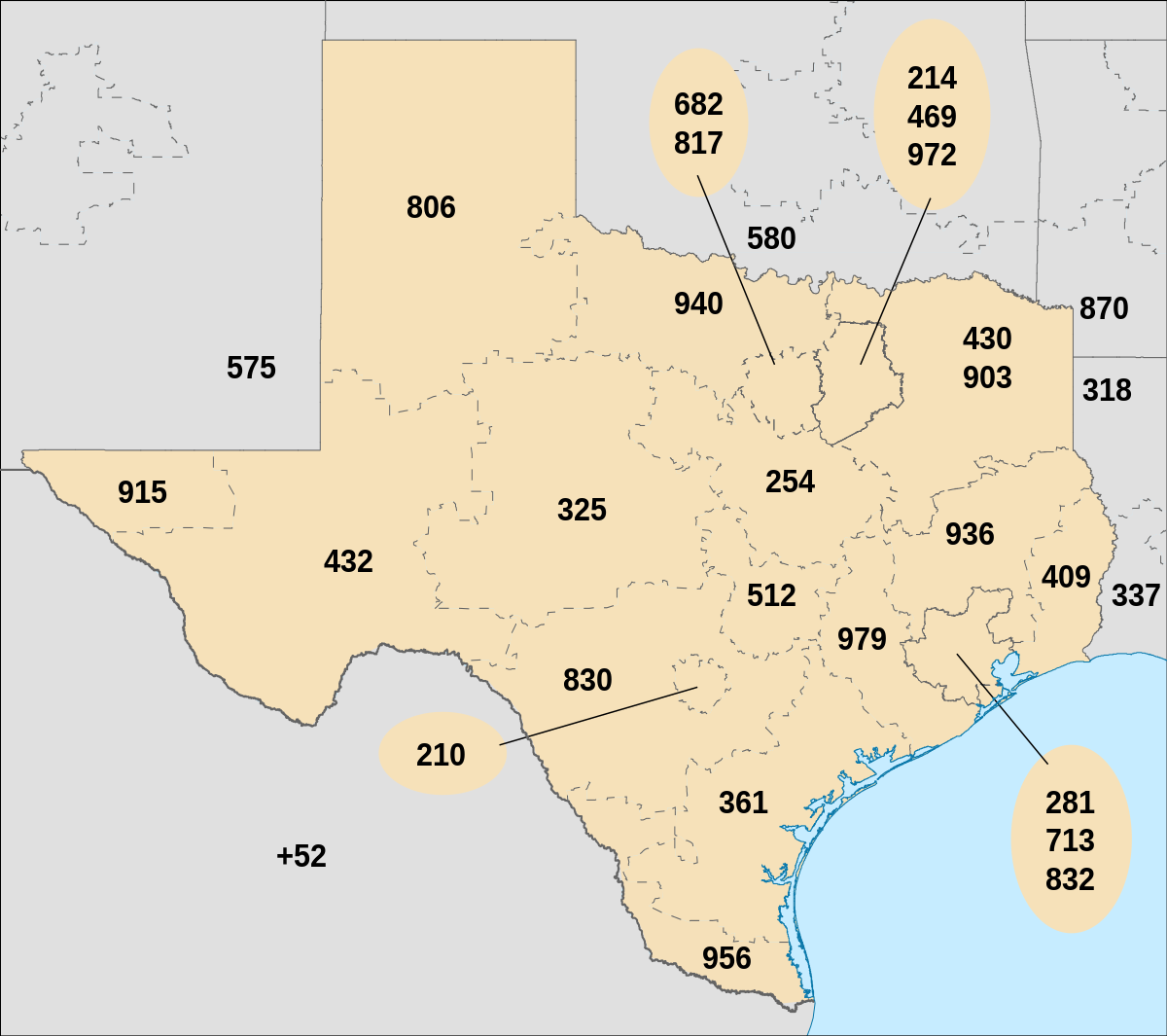
The Evolving Tapestry of Texas Area Codes
The journey of Texas area codes is a reflection of the state’s phenomenal growth and increasing population. When the North American Numbering Plan (NANP) was first introduced in 1947, Texas was initially assigned four area codes. These were designed to cover vast geographic regions, reflecting a time when telephone penetration was much lower, and the population was more concentrated in a few key areas. However, as the decades progressed and Texas transformed into one of the nation’s most populous and economically dynamic states, the demand for telephone numbers skyrocketed. This surge necessitated the introduction of numerous new area codes, often through processes known as “splits” (where a single area code is divided into two or more) or “overlays” (where a new area code is added to an existing geographic region, requiring ten-digit dialing).
Today, Texas boasts a multitude of area codes, each telling a story of growth and development within its designated territory. Understanding this evolving tapestry is crucial not just for communication, but also for appreciating the unique regional identities that have flourished across the state.
A Historical Lens: Early Area Codes and Their Significance
The foundational area codes laid the groundwork for modern telephone service in Texas. The original four codes—214, 713, 512, and 817—were assigned to delineate the state’s primary economic and population centers.
- 214: Originally served a significant portion of North Texas, with Dallas at its heart. This area quickly became a hub for commerce, fashion, and education, drawing people from across the country.
- 713: Covered Southeastern Texas, centered around Houston. As the state’s largest city and a global energy capital, Houston’s growth rapidly intensified the need for more numbers, leading to subsequent overlays.
- 512: Encompassed Central Texas, with the state capital, Austin, as its focal point. This code has witnessed Austin’s transformation from a government and university town into a vibrant technology and music mecca.
- 817: Assigned to North Central Texas, predominantly serving Fort Worth and its surrounding areas. Fort Worth, with its deep roots in the cattle industry and distinct Western culture, maintains a different rhythm than its eastern neighbor, Dallas.
These early codes, while now often part of larger overlay complexes, signify the foundational settlement and economic development patterns of Texas. For travelers, knowing which historical code corresponds to a region can sometimes offer a glimpse into its identity.
Decoding Texas: Major Area Codes and Their Geographic Heartbeats
Today, Texas is a patchwork of numerous area codes, each serving a specific geographic region and, by extension, a unique blend of destinations, attractions, and experiences. For those planning travel or seeking accommodation, understanding these regions and their corresponding codes is invaluable.
North Texas: From Urban Sprawl to Historic Charms
The North Texas region is defined by its twin metropolitan giants, Dallas and Fort Worth, and the sprawling suburban communities that connect them. This area is a powerhouse of commerce, culture, and entertainment.
-
214/469/972 (Dallas Metroplex): These codes cover the vibrant Dallas area and many of its surrounding suburbs, including Plano, Garland, and Irving. For visitors, this region offers a sophisticated blend of urban lifestyle and luxury travel. Dallas is known for its impressive Dallas Arts District, home to world-class museums and performance venues. Iconic landmarks include the futuristic Reunion Tower, offering panoramic views, and The Sixth Floor Museum at Dealey Plaza, which provides a poignant look into American history. Hotels in this zone range from the opulent The Ritz-Carlton, Dallas to the elegant Hotel Crescent Court, catering to discerning travelers. Whether you’re in town for a business conference or a luxurious weekend getaway, Dallas offers unparalleled amenities and experiences.
-
817/682 (Fort Worth & Western Metroplex): Primarily serving Fort Worth and cities like Arlington, these codes are gateways to a distinct side of Texas. Fort Worth proudly embraces its Western heritage, making it a prime tourism destination for those seeking authentic cowboy culture. The Fort Worth Stockyards National Historic District offers daily cattle drives, rodeo events, and an array of shops and restaurants that transport visitors back in time. Meanwhile, Arlington is a hub for family entertainment, hosting major sports venues like AT&T Stadium and Globe Life Field. Art enthusiasts will appreciate the world-renowned Kimbell Art Museum in Fort Worth. Accommodation options here range from charming boutique hotels in the Stockyards to modern resorts.
Central and South Texas: From Capital City to Gulf Shores
This diverse region stretches from the dynamic state capital to the historic heart of South Texas, encompassing rolling hills and cultural riches.
-
512/737 (Austin & Central Texas): These codes belong to Austin and its burgeoning suburbs like Pflugerville and Cedar Park. Austin is famous for its unofficial motto, “Keep Austin Weird,” which perfectly encapsulates its vibrant, eclectic lifestyle. It’s a magnet for live music, innovative food, and outdoor activities. Destinations like Barton Springs Pool offer a refreshing escape, while the Texas State Capitol provides a glimpse into the state’s political history. Travelers can find a wide array of accommodation here, from trendy boutique hotels downtown to luxurious resorts nestled in the picturesque Texas Hill Country. The Austin area is also excellent for budget travel with numerous food trucks and free outdoor events.
-
210/726 (San Antonio & South Central Texas): These codes serve San Antonio and surrounding communities such as New Braunfels. San Antonio is a city steeped in history and rich local culture, making it one of Texas’s top tourism magnets. Its most famous landmark is The Alamo, a symbol of Texas’s fight for independence. The enchanting San Antonio Riverwalk, with its charming cafes, shops, and boat tours, offers a unique experience. Accommodation along the Riverwalk includes historic hotels like Hotel Emma at the Pearl, blending luxury with a deep sense of place. The vibrant Mexican-American culture is reflected in its delicious food scene and lively festivals.
Gulf Coast and East Texas: Energy Hubs and Piney Woods
Extending from the bustling Gulf Coast to the serene Piney Woods, this region is characterized by its significant energy industry, diverse international population, and coastal destinations.
-
713/281/832/346 (Houston Metroplex): This complex array of codes covers Houston, the largest city in Texas, and its expansive metropolitan area including Pasadena and Sugar Land. Houston is a global city, known for its energy industry, medical center, and aerospace contributions. It’s a prime destination for business travel but also offers incredible cultural tourism and lifestyle experiences. Attractions include Space Center Houston, a must-visit for space tourism enthusiasts, and the sprawling Museum District with its world-class institutions. The culinary scene in Houston is exceptionally diverse, reflecting its multicultural population. Hotels range from ultra-luxurious options like the Four Seasons Hotel Houston and The Post Oak Hotel at Uptown Houston to comfortable apartments and suites suitable for long-term stays.
-
409 (Galveston/Beaumont): This code predominantly serves the coastal cities of Galveston and Beaumont, extending into parts of East Texas. Galveston is a historic island city offering beautiful beaches, Victorian architecture, and family-friendly attractions such as Moody Gardens and the Galveston Island Historic Pleasure Pier. It’s a fantastic destination for a relaxed coastal getaway or a historic tour. Beaumont, further inland, provides insight into Texas’s oil boom history. Accommodation in Galveston includes charming bed and breakfasts and beachfront resorts.
West Texas and the Panhandle: Big Skies and Desert Vistas
The western reaches of Texas offer a stark contrast to the verdant east, with wide-open spaces, dramatic desert landscapes, and a rugged charm.
-
432 (Permian Basin): This code covers the vast Permian Basin, home to Midland and Odessa. This region is the heart of Texas’s oil and gas industry, driving a unique lifestyle centered around energy production. While primarily a business travel destination, the area offers a chance to experience the authentic spirit of West Texas and its contribution to the global energy market.
-
806 (Panhandle): This code encompasses the Texas Panhandle, including major cities like Lubbock and Amarillo. This region is characterized by its immense skies, flat plains, and rich agricultural heritage. Tourism here often revolves around historic Route 66 attractions and ranch experiences. Iconic landmarks include Cadillac Ranch near Amarillo and the breathtaking Palo Duro Canyon State Park, often referred to as the “Grand Canyon of Texas.” Lubbock is also known as the birthplace of Buddy Holly and boasts a vibrant music scene.
Navigating Texas Area Codes as a Traveler
For the modern traveler, understanding Texas area codes is more than just an obscure fact; it’s a practical aspect of planning and executing a smooth trip. From booking a hotel suite to reserving a table at a renowned restaurant, the correct area code ensures your call reaches its intended recipient without a hitch.
Essential Tips for Seamless Communication and Travel Planning
- Booking Accommodation: When reserving rooms at hotels, resorts, or villas across Texas, always double-check the area code. Many large cities now have overlay complexes (e.g., Dallas, Houston, Austin), meaning you’ll need to dial all ten digits (area code + seven-digit number) even for local calls within that zone. This is a common point of confusion for visitors.
- Contacting Attractions and Services: Before visiting a landmark or participating in a specific activity, you might want to call ahead to confirm operating hours, ticket availability, or special events. Knowing the correct area code for the region ensures you reach the right place.
- Emergency Situations: While 911 handles emergencies regardless of area code, for non-emergency services or local police departments, knowing the local area code can be helpful for quick reference if you need to contact a specific local entity.
- The Convenience of Mobile Phones: Most modern mobile phones automatically recognize and dial the correct format, but when dealing with landlines or specific local businesses, a clear understanding of the local area code context is still valuable.
- Connecting with Local Culture: For travelers interested in truly immersing themselves, having a grasp of the area codes can subtly enhance the experience. It reinforces the geographical boundaries and regional identities that shape Texas’s diverse local culture, food, and lifestyle.
Beyond the Digits: Texas Lifestyle, Culture, and the Sense of Place
Ultimately, Texas area codes are more than just practical numbers; they are ingrained into the very fabric of the state’s regional identities. Each set of digits evokes a distinct sense of place, hinting at the unique blend of lifestyle, culture, and tourism experiences that await within its boundaries. From the high-rises and luxury amenities of the 214/469/972 zones to the historic charm and river adventures of the 210/726 codes, each region offers a different chapter in the grand Texas story.
Whether you’re seeking the cutting-edge architecture and vibrant nightlife of Dallas, the soulful live music scene of Austin, the storied landmarks and rich history of San Antonio, or the sprawling museums and diverse cuisine of Houston, your journey through Texas will be punctuated by these three-digit identifiers. They serve as a constant reminder of the state’s vastness and its incredible capacity for growth and diversification. So, as you plan your next Texas adventure, remember that knowing “What Is Texas Area Code?” is not just about making a phone call, but about unlocking a deeper understanding of the vibrant destinations and unforgettable experiences that define the Lone Star State. Embrace the codes, and you’ll find yourself better prepared to explore every corner of this magnificent state, connect with its people, and truly experience the legendary Texas hospitality.
LifeOutOfTheBox is a participant in the Amazon Services LLC Associates Program, an affiliate advertising program designed to provide a means for sites to earn advertising fees by advertising and linking to Amazon.com. Amazon, the Amazon logo, AmazonSupply, and the AmazonSupply logo are trademarks of Amazon.com, Inc. or its affiliates. As an Amazon Associate we earn affiliate commissions from qualifying purchases.