
Imagine a vibrant dish, bursting with color and flavor, deeply rooted in the culture of the American South, yet possessing a name that evokes luxury and exoticism. This is Texas Caviar, a beloved culinary creation that is anything but fish eggs. Instead, it’s a refreshing, zesty, and incredibly versatile salad or dip, typically made from black-eyed peas marinated in a vinaigrette dressing with chopped vegetables. For travelers exploring the diverse landscapes and rich history of the Lone Star State, discovering Texas Caviar is more than just tasting a dish; it’s an immersive experience into local culture, hospitality, and the unique lifestyle that defines Texas.

The world of Texas travel is replete with iconic landmarks, luxurious hotels, and an array of unforgettable experiences. From the bustling metropolises of Dallas and Houston to the historic charm of San Antonio and the live music capital of Austin, each destination offers a distinct flavor of the state. Within this vibrant tapestry, food plays a pivotal role, serving as a gateway to understanding the heart and soul of Texan identity. Texas Caviar, with its simple yet impactful ingredients, embodies this spirit perfectly. It’s a dish that transcends its humble origins to become a symbol of Texan resilience, ingenuity, and a welcoming, festive disposition, making it an essential tasting experience for any culinary tourist. Whether you’re on a budget travel adventure or indulging in luxury travel, this dish fits seamlessly into any itinerary, offering a delicious and authentic taste of the region.
The Roots of a Resilient Dish: History and Cultural Significance
To truly appreciate Texas Caviar, one must delve into its fascinating origins and the cultural context that elevated it from a simple side dish to a culinary icon. Its story is intrinsically linked to Texan ingenuity and a knack for turning everyday ingredients into something extraordinary.
From Depression-Era Innovation to Festive Tables
The widely accepted origin story of Texas Caviar credits Helen Corbitt, a legendary culinary director for Neiman Marcus in Dallas, with its creation. In the mid-20th century, specifically around 1940, Corbitt sought to create a dish that would be served on New Year’s Eve at the Dallas Country Club, a time when black-eyed peas are traditionally eaten in the South for good luck in the coming year. She wanted to create something more elegant and appealing than the usual preparation. By marinating the humble black-eyed pea with a medley of colorful vegetables and a tangy vinaigrette, she transformed it into a sophisticated appetizer that quickly gained popularity.
Initially dubbed “poor man’s caviar” or “cowboy caviar” due to its resemblance in appearance to traditional sturgeon caviar (minus the exorbitant cost), the name Texas Caviar eventually stuck. This playful moniker not only highlights its visual appeal but also encapsulates the Texan spirit of embracing the grandiose and the unique. The dish quickly spread throughout Texas and the South, becoming a staple at social gatherings, barbecues, and festive celebrations. It represents a triumph of flavor and presentation, turning readily available ingredients into a dish worthy of any occasion, from casual family dinners to elaborate corporate events hosted at upscale resorts. For those interested in local culture and its evolution through food, the story of Texas Caviar offers a delightful glimpse into Texan culinary history.
More Than Just Beans: The Flavors and Philosophy
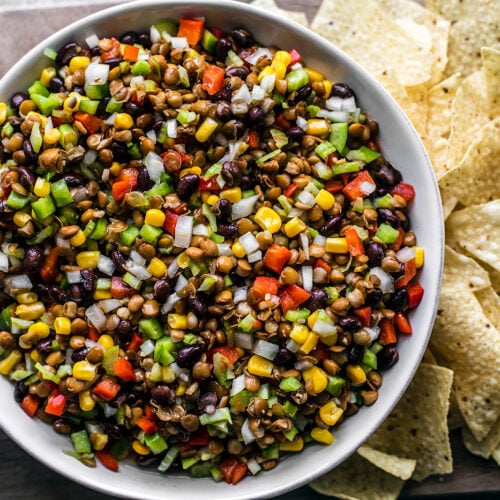
At its core, Texas Caviar is a simple dish, yet its magic lies in the harmonious blend of textures and tastes. The main components typically include black-eyed peas, which provide a hearty base; finely diced bell peppers (red, green, and yellow for color), red onion, and often jalapeños for a touch of heat. Fresh cilantro and corn kernels are also common additions, contributing to its vibrant appearance and refreshing taste. The dressing is usually a zesty vinaigrette, made with oil, vinegar (red wine or apple cider are popular), a touch of sugar, and various seasonings like cumin, garlic powder, and chili powder.
The philosophy behind Texas Caviar is one of freshness, accessibility, and robust flavor. It’s a dish that celebrates the bounty of the land, reflecting the agricultural traditions of Texas. Its ease of preparation and ability to be made ahead of time makes it a favorite for hosts and caterers alike, from charming boutique hotels offering complimentary snacks to grand event venues. For visitors interested in food tourism, understanding the components of Texas Caviar helps to appreciate the regional palate and the emphasis on fresh, wholesome ingredients that define much of Texan cuisine. It’s a dish that can be enjoyed year-round but truly shines in the warmer months, making it a perfect accompaniment to outdoor activities and sightseeing.
Savoring Texas Caviar Across the Lone Star State: A Traveler’s Culinary Map
For the culinary explorer, Texas offers a vast playground of flavors, and finding the perfect Texas Caviar experience is a delightful quest. The dish is ubiquitous, found everywhere from upscale restaurants to casual diners and even grocery store delis, each offering its unique twist.
Must-Visit Cities for Food Enthusiasts
Each major city in Texas presents its own unique culinary scene, influenced by diverse populations and historical legacies.
- Dallas: As the birthplace of Texas Caviar at Neiman Marcus, Dallas remains a prime spot to sample the original or contemporary versions. The city’s sophisticated dining scene, ranging from high-end steakhouses to innovative farm-to-table restaurants, often features Texas Caviar as an appetizer or a vibrant side dish. Visitors can explore the Arts District or the lively Deep Ellum neighborhood, where many eateries offer creative interpretations. Accommodation options here include luxurious hotels like The Ritz-Carlton, Dallas or charming boutique hotels in Uptown, perfect for foodies seeking a refined travel experience.
- Austin: Known for its vibrant food truck scene and innovative culinary landscape, Austin embraces Texas Caviar with a unique, often healthier twist. Many eateries focus on fresh, local ingredients, and you might find versions with added avocado or different types of beans. Exploring South Congress Avenue or the East Austin neighborhoods reveals a plethora of casual eateries and food trucks serving creative Texan fare. Hotels in Austin range from trendy boutique hotels to eco-conscious resorts, catering to a diverse range of lifestyle preferences.
- Houston: A melting pot of cultures, Houston’s food scene is incredibly diverse. Here, Texas Caviar might appear alongside Tex-Mex staples or as part of a global fusion menu. The city’s sprawling nature means culinary adventures can take you from the bustling Galleria area to the historic Heights or the vibrant Montrose district. Houston is also known for its exceptional hotel dining experiences, with many luxury hotels offering gourmet interpretations of regional classics.
- San Antonio: Deeply rooted in Tex-Mex traditions, San Antonio’s culinary scene offers an authentic taste of South Texas. While not always a centerpiece, Texas Caviar often features as a refreshing appetizer alongside chips and salsa in many restaurants along the iconic River Walk. Its proximity to Mexico influences its flavors, often incorporating more lime and chili. For tourism in San Antonio, pairing historical landmarks like the Alamo with a delicious culinary journey is a must.
Finding the Perfect Plate: Recommendations and Local Spots
When seeking out the best Texas Caviar, look for places that prioritize fresh, seasonal ingredients. Many reputable Texan restaurants, especially those specializing in Southern comfort food or modern American cuisine, will feature it on their menus. Don’t overlook local diners and family-owned establishments, which often serve up authentic, homemade versions passed down through generations. Farmers’ markets are also excellent places to find artisan producers offering their own unique takes on the dish, perfect for picnics or bringing back to your apartment or villa accommodation.
Many hotels and resorts across Texas, particularly those with a focus on local cuisine, will offer Texas Caviar as part of their hotel dining options or at their poolside bars. Checking reviews and travel guides specific to a city’s food scene can help pinpoint exceptional spots. Engaging with locals for recommendations is also an invaluable way to discover hidden gems that might not be in the typical tourist guides.
Pairing Texas Caviar with Local Delights
Texas Caviar is incredibly versatile and pairs wonderfully with many other Texan culinary staples. It serves as an excellent, refreshing counterpoint to the rich flavors of Texas BBQ, with its acidity cutting through the smokiness of brisket and ribs. It’s also a natural fit for Tex-Mex cuisine, often served as a salsa-like topping for tacos, nachos, or even grilled fish. For beverages, a chilled local craft beer from one of Austin’s numerous breweries, a classic Margarita, or a glass of crisp white wine would complement its zesty profile beautifully. This integration into the broader Texan diet highlights its importance as a culinary ambassador for the state, enhancing the overall travel experience.
Beyond the Plate: Experiencing Texas Through Its Flavors
Beyond just tasting it, Texas Caviar can be a starting point for deeper engagement with Texan culture and lifestyle. It encourages exploration, connection, and a more intimate understanding of the region.
Culinary Workshops and Local Experiences
For those who wish to go beyond passive consumption, participating in a Texan cooking class or culinary workshop is an enriching experience. Many cities, particularly Austin and San Antonio, offer classes that focus on regional cuisine, including dishes like Texas Caviar. These classes often include visits to local farmers’ markets for ingredient sourcing, providing insight into the agricultural landscape and connecting travelers directly with local producers. This kind of hands-on tourism allows you to not only learn the techniques but also understand the stories behind the food, fostering a deeper appreciation for local culture. Imagine mastering the art of a perfect vinaigrette in a sun-drenched Texan kitchen, a memory far more profound than just a meal.
Festivals and Events Celebrating Texan Heritage
Texas is renowned for its lively festivals and events, many of which celebrate its rich food heritage. While there might not be a dedicated “Texas Caviar Festival,” the dish frequently appears at larger culinary events, BBQ cook-offs, and cultural gatherings throughout the year. Events like the Austin Food + Wine Festival or the Dallas Arts District’s various open-air markets often feature food vendors and chefs showcasing innovative Texan dishes, including creative takes on Texas Caviar. Attending these events offers a fantastic way to immerse oneself in the festive lifestyle and communal spirit of Texas, providing entertainment alongside delicious food. Checking local tourism boards and event calendars when planning your travel can ensure you don’t miss out on these vibrant celebrations.
Lifestyle Connections: Healthy Eating on the Go
In an age where travelers are increasingly conscious of healthy eating, Texas Caviar stands out as an excellent option. It’s naturally gluten-free, often vegetarian or vegan, and packed with fresh vegetables and protein from the black-eyed peas. This makes it a perfect choice for those seeking nutritious meals while on the go, whether they are on a business stay in Houston or a family trip exploring the Hill Country. Its versatility means it can be a light lunch, a satisfying side, or even a healthy snack. Many modern hotels and resorts are now incorporating more healthy and locally-inspired dishes into their menus, and Texas Caviar often finds its place among them, catering to a wellness-focused lifestyle.
Planning Your Texas Culinary Getaway: Accommodation and Logistics
Embracing the culinary delights of Texas, especially dishes like Texas Caviar, requires careful planning to maximize your travel experience. From choosing the right accommodation to navigating the state’s vastness, a well-thought-out itinerary will enhance your foodie adventure.
Choosing Your Stay: From Luxury Resorts to Boutique Hotels
Texas offers an extensive range of accommodation options to suit every taste and budget. For those seeking the ultimate in comfort and amenities, luxury resorts in cities like Dallas or Houston provide world-class service, gourmet hotel dining, and often, spas and golf courses. Imagine unwinding by a lavish pool after a day of culinary exploration, perhaps with a glass of local Texas wine.
Alternatively, boutique hotels in Austin or San Antonio offer a more personalized and intimate stay, often with unique architecture and a strong sense of local character. These are perfect for travelers who appreciate distinctive design and a connection to the neighborhood. For long-term stays or family trips, serviced apartments and vacation villas can provide the comforts of home, including kitchens for trying your hand at making your own Texas Caviar with local ingredients. Platforms for booking and comprehensive reviews are essential tools for finding the perfect place that aligns with your lifestyle and travel needs.
Navigating Texas: Tips for Travelers
Texas is a vast state, and understanding its geography is key to efficient travel. Renting a car is often the most practical way to explore different cities and regions, especially if you plan to venture into the Texas Hill Country or visit multiple culinary hot spots. Major cities are well-connected by highways, but distances between them can be significant. For example, the drive from Dallas to Houston is several hours.
Public transportation within cities like Dallas and Houston is available, but generally, ride-sharing services or taxis are more convenient for reaching specific restaurants or attractions. Planning your itinerary by grouping destinations that are geographically close will help save time and make your culinary tour more enjoyable. Consulting detailed travel guides and online maps is highly recommended.

Iconic Landmarks and Attractions to Complement Your Food Journey
While food might be the primary motivation, Texas offers an abundance of world-class landmarks and attractions that perfectly complement a culinary journey.
- In San Antonio, after enjoying some Texas Caviar along the River Walk, immerse yourself in history at the Alamo and the other Spanish Colonial Missions, a UNESCO World Heritage Site.
- In Houston, a visit to Space Center Houston offers an out-of-this-world experience, easily combined with a diverse array of international cuisine.
- Dallas boasts impressive museums, such as the Dallas Museum of Art and the Sixth Floor Museum at Dealey Plaza, offering cultural enrichment alongside its upscale dining.
- Austin provides natural beauty and outdoor activities around Lady Bird Lake or the Barton Springs Pool, perfect for working up an appetite before diving into the city’s vibrant food scene.
Integrating these destinations allows travelers to experience the full spectrum of what Texas has to offer, creating a comprehensive and unforgettable tourism adventure that balances culinary delights with history, nature, and culture.
In conclusion, Texas Caviar is far more than just a dish; it’s an invitation to explore the heart of Texas. Its vibrant flavors, rich history, and widespread presence across the state make it an indispensable part of any Texan culinary journey. Whether you are a seasoned foodie on a quest for authentic regional tastes, a casual traveler looking for refreshing local fare, or simply someone eager to understand the essence of Texan lifestyle through its food, Texas Caviar offers a delicious and memorable experience. So, pack your bags, prepare your palate, and embark on a culinary adventure through the Lone Star State, where every bite of this unique “caviar” tells a story of tradition, innovation, and unwavering Texan hospitality.