
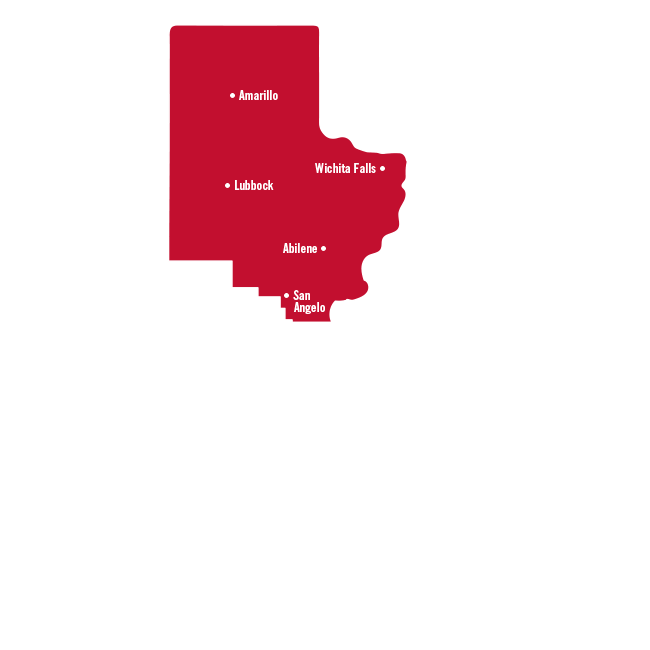
The Texas Panhandle is a unique and often overlooked region in the northernmost part of Texas. Its distinctive shape, resembling a pan’s handle, lends it a curious geographical identity. But beyond its cartographical peculiarity lies a land of vast open spaces, dramatic natural beauty, rich history, and a burgeoning tourism scene. This region is a realm of stark contrasts, from the windswept plains that stretch to the horizon to the rugged canyons carved by ancient rivers. For travelers seeking an authentic slice of the American West, combined with unexpected delights, the Texas Panhandle offers an unforgettable experience.

The primary allure of the Texas Panhandle lies in its raw, untamed natural landscapes. This is a place where the sky seems to stretch on forever, and the silence is broken only by the whisper of the wind. It’s a land that has shaped both its environment and its people, fostering a spirit of resilience and a deep connection to the earth. Whether you’re drawn to the vastness of the plains, the geological wonders of its canyons, or the echoes of its Wild West past, this region promises an adventure that is both grounding and exhilarating.
Discovering the Panhandle’s Unique Geography and Natural Wonders
The geography of the Texas Panhandle is its defining characteristic, setting it apart from the rest of Texas. The region is primarily composed of high plains, with elevations generally ranging from 3,000 to 4,000 feet above sea level. This elevated plateau offers breathtaking panoramic views and contributes to the area’s distinct climate. The landscape is characterized by vast ranches, sprawling farmlands, and the iconic silhouettes of windmills dotting the horizon, a testament to the region’s agricultural importance and its reliance on wind power.
Palo Duro Canyon: The Grand Canyon of Texas
Perhaps the most spectacular natural landmark in the Texas Panhandle is Palo Duro Canyon. Often referred to as the “Grand Canyon of Texas,” this immense geological formation is the second-largest canyon in the United States, stretching for approximately 120 miles and reaching depths of up to 800 feet. The canyon’s vibrant colors, sculpted by millions of years of erosion, create a stunning visual spectacle. Layers of red, orange, yellow, and white rock formations tell a geological story millions of years in the making.
Hiking and exploring Palo Duro Canyon State Park offers an immersive experience. Trails wind through the canyon floor, leading visitors past towering hoodoos, intricate rock formations, and unique desert flora. The Lighthouse Trail, a popular hike, leads to a distinctive rock formation that resembles a lighthouse, offering panoramic views of the surrounding canyon. Beyond hiking, the park offers opportunities for camping, horseback riding, and bird watching, making it a prime destination for nature enthusiasts and outdoor adventurers. The sheer scale and beauty of Palo Duro Canyon are truly awe-inspiring, a testament to the power of nature’s artistry.
Caprock Canyons State Park & Trailway
Another significant natural treasure is Caprock Canyons State Park & Trailway. This park is renowned for its rugged beauty, steep canyons, and a remarkable population of Texas red-capped aoudad sheep, introduced to the area. The park offers a network of trails that cater to various skill levels, from leisurely strolls to challenging climbs. The Britten Creek Trail provides a scenic route through the heart of the canyon, while the Wildflower Trail bursts with color during the spring.
The Trailway itself is a unique feature, a 64.2-mile linear park that follows the abandoned path of the Fort Worth and Denver City Railroad. It offers a fantastic opportunity for long-distance hiking, biking, and equestrian use, traversing diverse landscapes and providing access to remote areas of the Panhandle. The natural formations, including the striking red rock walls and the clear streams that flow through the canyons, make Caprock Canyons State Park & Trailway a must-visit for those seeking solitude and natural beauty.
The High Plains: Vastness and Agriculture
Beyond the dramatic canyons, the vastness of the High Plains defines much of the Texas Panhandle. This immense, relatively flat region is the agricultural heartland of Texas, with extensive cattle ranches and fields of grain, cotton, and wheat. The sheer scale of the land here instills a sense of awe and a profound appreciation for the open sky. Driving through the Panhandle, you’ll encounter endless horizons, punctuated by the silhouettes of farms and the distant shimmer of heat waves.
This agricultural landscape is not just a backdrop; it’s an integral part of the Panhandle‘s identity and economy. The region is a significant producer of beef cattle, and the industry has shaped its culture and way of life. Visitors can experience this agricultural heritage firsthand by visiting local ranches or exploring the charming small towns that dot the landscape, many of which still retain their frontier charm. The enduring spirit of the West is palpable here, in the resilience of its people and the bounty of its land.
Exploring the Rich History and Cultural Heritage of the Panhandle
The Texas Panhandle is steeped in a history that stretches back thousands of years, from the indigenous peoples who first roamed these lands to the pioneers who carved out lives on the frontier. This region played a crucial role in the westward expansion of the United States, and its historical sites offer a fascinating glimpse into a bygone era.
The Wild West Legacy: Cowboys, Outlaws, and Frontier Towns
The Texas Panhandle is synonymous with the American Wild West. The legacy of cowboys, cattle drives, and frontier towns is deeply ingrained in the region’s identity. Many towns in the Panhandle have preserved their historical architecture and offer attractions that celebrate this era.

Amarillo, the largest city in the Panhandle, serves as a gateway to many of its attractions. While a modern city, Amarillo has embraced its Western roots. The Big Texan Steak Ranch, famous for its 72-ounce steak challenge, is a kitschy yet iconic tribute to the region’s cowboy culture. The American Quarter Horse Hall of Fame & Museum celebrates the animal that was central to the Western lifestyle and remains a vital part of Texas ranching.
Further exploration can lead to sites like Fort Richardson State Park & Historic Site, though slightly south of the core Panhandle, it represents the frontier military presence. The Panhandle was a crucial area for cattle drives, and remnants of this history can be found in various historical markers and the ongoing ranching traditions. Visiting these sites provides a tangible connection to the challenges and triumphs of those who settled this rugged land.
A Glimpse into Prehistoric Times: Dinosaur Tracks and Fossils
The Texas Panhandle‘s geological history extends far beyond the formation of its canyons; it is also a treasure trove of prehistoric life. The region boasts significant fossil discoveries, including dinosaur footprints and ancient bone fragments.
One of the most remarkable sites is the Claude D. Buchanan Dinosaur Track Site near Glen Rose, though this is geographically outside the strict definition of the Panhandle, the wider Texas region has such discoveries. Within the Panhandle itself, fossil-rich areas offer clues to the ancient ecosystems that once thrived here. These discoveries provide an invaluable window into a world long past, captivating paleontologists and curious visitors alike. Learning about these ancient creatures adds another layer of wonder to the already remarkable natural beauty of the Panhandle.
Experiencing Panhandle Hospitality: Accommodation and Lifestyle
The Texas Panhandle offers a range of accommodation options to suit different travel styles and budgets, from charming boutique hotels to comfortable chain establishments. The hospitality here is often characterized by a friendly, down-to-earth approach, reflecting the region’s cultural values.
Lodging Options: From Budget to Boutique
Travelers visiting the Texas Panhandle will find a variety of places to stay. Amarillo offers the most extensive selection, with numerous hotels and motels catering to business and leisure travelers. Options range from well-known chains like Holiday Inn and Best Western to more independent accommodations. For those seeking a more unique experience, consider looking for smaller, locally owned inns or guesthouses in the smaller towns that offer a more intimate glimpse into Panhandle life.
If you’re looking for a longer stay or a more self-sufficient option, vacation rentals and apartments are also available, particularly in the larger towns. These can be a great choice for families or groups seeking more space and amenities. For those interested in experiencing the ranching lifestyle, some ranches offer guest accommodations, providing an immersive way to connect with the land and its traditions.
When choosing your accommodation, consider the proximity to the attractions you wish to visit. Staying near Palo Duro Canyon or Caprock Canyons can enhance your exploration, allowing for early morning or late evening visits to experience the changing light on the landscape. Reviews and comparison websites can be invaluable tools for finding the perfect lodging that aligns with your preferences and budget.
Lifestyle and Travel Tips for the Panhandle
The Texas Panhandle is ideal for those who appreciate the outdoors, history, and a slower pace of life. It’s a destination that rewards exploration and a willingness to venture off the beaten path.
Budget Travel: The Panhandle can be an excellent destination for budget-conscious travelers. Accommodation and dining are generally more affordable than in Texas‘s major metropolitan areas. Pack your own snacks and water, especially when visiting state parks, to save on costs.
Family Trips: The natural wonders of the Panhandle, particularly Palo Duro Canyon, offer fantastic opportunities for family adventures. Hiking, exploring, and learning about the local wildlife can be highly engaging for children. Many towns have local parks and museums that can add to a family’s itinerary.
Luxury Travel: While not typically associated with luxury resorts in the traditional sense, the Panhandle can offer a unique kind of luxury – the luxury of space, solitude, and natural beauty. Some high-end ranches or exclusive lodging options might cater to those seeking a more refined experience, often combining comfortable amenities with unparalleled access to the rugged landscape.
Key Travel Tips:
- Best time to visit: Spring and fall offer the most pleasant weather for outdoor activities, with mild temperatures and fewer crowds. Summers can be very hot, and winters can bring cold winds and occasional snow.
- Pack appropriately: Bring comfortable walking shoes, layers of clothing, sun protection (hat, sunscreen), and plenty of water, especially when hiking.
- Embrace the drives: The Panhandle is a region best explored by car. Enjoy the scenic drives and the vast, open landscapes.
- Check park hours and fees: Always verify the operating hours and any entrance fees for state parks and attractions before your visit.
- Respect the environment: The Panhandle‘s natural beauty is fragile. Practice Leave No Trace principles to preserve these stunning landscapes for future generations.
The Texas Panhandle is a region of profound beauty, rich history, and enduring spirit. It’s a place where the past meets the present, and where the vastness of nature invites contemplation and adventure. From the dramatic depths of Palo Duro Canyon to the sprawling ranches of the High Plains, this corner of Texas offers a travel experience that is both authentic and unforgettable. It’s a destination that truly captures the essence of the American West.