
From the vast, windswept plains to the vibrant, bustling cities, the Lone Star State of Texas is a land of superlatives and distinctive charm. It’s a place that defies easy categorization, weaving together a rich tapestry of history, culture, and natural beauty. When one asks what makes Texas so renowned, the answer is a multifaceted one, encompassing everything from its iconic cowboy heritage and sprawling landscapes to its booming modern industries and a culinary scene that’s as diverse as its population.
Texas beckons travelers with an unparalleled blend of experiences, catering to every whim and travel style. Whether you’re drawn to the allure of historic battlegrounds, the thrill of live music, the serenity of the coast, or the sheer scale of its natural wonders, the state offers an adventure waiting to unfold. This guide delves into the core elements that define Texas and solidify its reputation as a destination unlike any other, touching upon its famous landmarks, its unique lifestyle, and the myriad of attractions that draw millions to its borders each year.
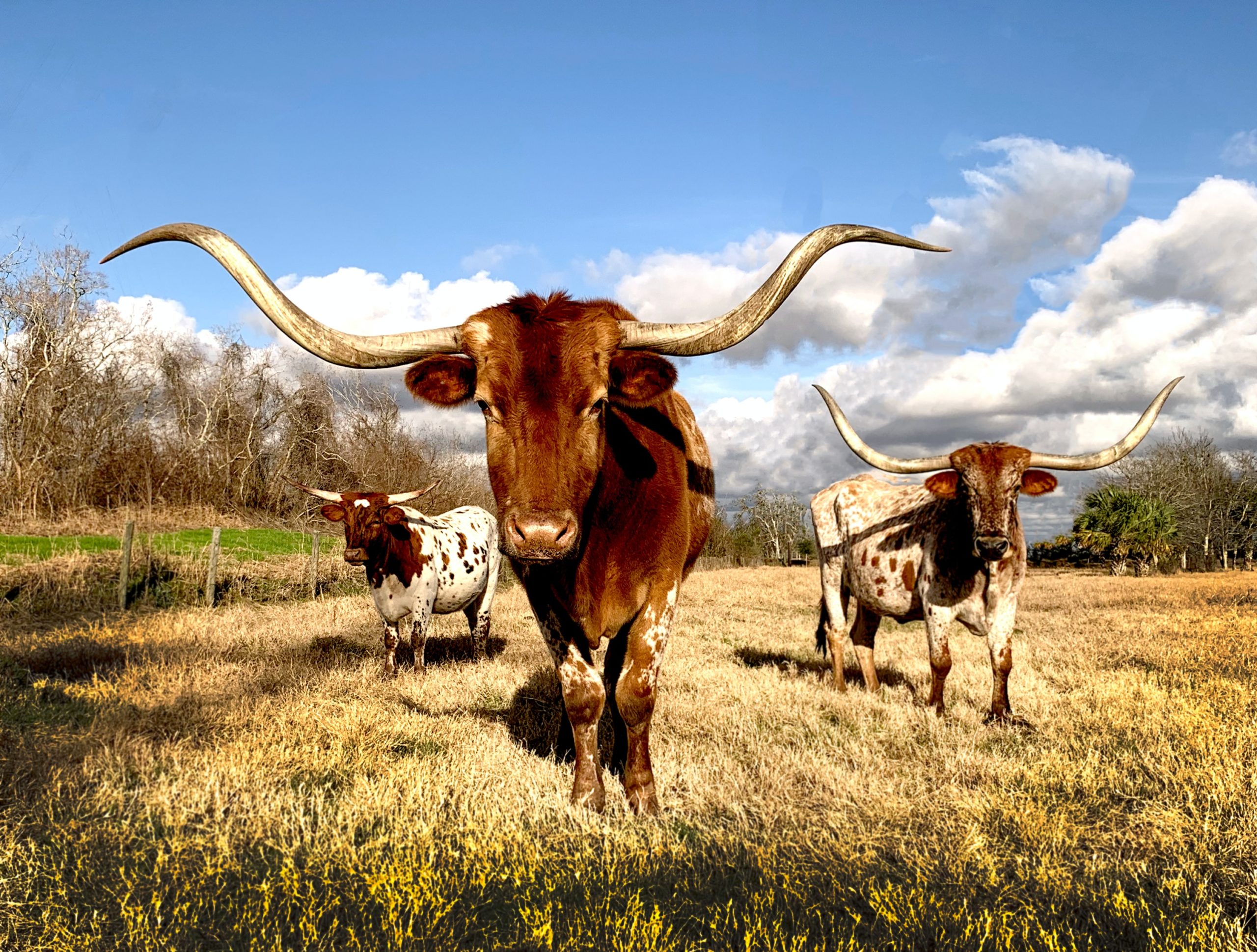
The Enduring Spirit of the Wild West and Texas History
At the heart of Texas’s identity lies its deep-rooted connection to the American West, a heritage often symbolized by the enduring image of the cowboy. This romanticized past is not merely a relic; it’s a living, breathing part of the state’s culture, evident in its rodeos, ranches, and the rugged individualism that permeates its spirit.
Iconic Landmarks and Historical Echoes
The history of Texas is etched into its very landscape, with numerous landmarks serving as powerful reminders of its tumultuous and triumphant past. Perhaps the most hallowed of these is the Alamo, a former Spanish mission that stands as a potent symbol of Texan courage and defiance. The Battle of the Alamo in 1836, though a defeat for the Texians, galvanized the fight for independence and cemented its place in American lore. Visiting the Alamo in San Antonio offers a profound glimpse into the sacrifices made for Texan liberty.
Beyond the Alamo, the state boasts a wealth of historical sites that narrate its journey from Spanish colony to independent republic and finally to a major state within the United States. The historic district of Galveston, with its beautifully preserved Victorian architecture, transports visitors back to the opulent era of the late 19th and early 20th centuries, when the city was a booming port and a hub of wealth. The State Capitol Building in Austin, a magnificent example of Renaissance Revival architecture, is not only the seat of government but also a landmark in its own right, dwarfing the U.S. Capitol in size. Exploring these sites provides a crucial understanding of the forces that shaped Texas into the entity it is today.
The Cowboy Culture and Ranching Heritage
The image of the cowboy is inextricably linked to Texas. Vast ranches, once the lifeblood of the state’s economy, still dot the landscape, preserving the traditions of cattle ranching. This heritage is celebrated through events like the Fort Worth Stockyards National Historic District, where visitors can witness daily cattle drives, experience live country music, and immerse themselves in the authentic atmosphere of the Old West.
Rodeo and Equestrian Pursuits
Rodeo is more than just a sport in Texas; it’s a cultural institution. Events like the Houston Livestock Show and Rodeo are among the largest in the world, drawing millions of attendees and showcasing the skill and bravery of cowboys and cowgirls in disciplines such as bull riding, calf roping, and barrel racing. Beyond the competitive arena, horseback riding remains a popular leisure activity, with many ranches offering guided tours and opportunities to experience the landscape from horseback.
Preserving the Frontier Spirit
The lifestyle associated with the frontier still holds a certain appeal, inspiring everything from fashion and music to the independent spirit of its people. This reverence for the past is not about clinging to nostalgia but about acknowledging the foundational elements that have shaped Texas’s resilient character and its enduring sense of self-reliance.
A Culinary Crossroads: Flavors of Texas
Texas is a culinary powerhouse, renowned for its distinct and delicious food traditions. The state’s gastronomic landscape is a vibrant fusion of its Southern roots, Mexican influences, and a modern culinary renaissance that embraces global flavors. From smoky barbecue to zesty Tex-Mex, eating your way through Texas is an essential part of the travel experience.
The Undisputed Reign of Barbecue
When Texas is mentioned in culinary circles, barbecue is invariably the first topic to arise. Texan barbecue is an art form, characterized by slow-cooked, smoked meats, often brisket, ribs, and sausage, seasoned with a simple rub of salt and pepper and cooked over wood smoke.
Regional Barbecue Styles
The state boasts distinct regional barbecue styles, each with its own devoted following. Central Texas, particularly areas around Austin and Lockhart, is famous for its ‘lean’ brisket, often served without sauce. East Texas is known for its chopped or pulled pork, often cooked until tender and basted with a tangy, tomato-based sauce. South Texas offers a unique approach with ‘barbacoa,’ traditionally slow-cooked cow heads, while West Texas is recognized for its ‘cowboy style’ barbecue, featuring mesquite-grilled meats and simple accompaniments. Exploring these regional variations is a delicious journey in itself.

Iconic Barbecue Joints
Throughout Texas, legendary barbecue joints have achieved almost mythical status. Establishments like Franklin Barbecue in Austin are world-famous, drawing international crowds eager to taste their perfectly smoked brisket. Other revered spots include La Barbecue, also in Austin, and Kreuz Market in Lockhart, each offering a distinct take on barbecue perfection.
The Fiery Allure of Tex-Mex Cuisine
Tex-Mex, a culinary hybrid born from the fusion of Texan and Mexican culinary traditions, is a staple across the state. This cuisine is characterized by its use of cumin, chili powder, and abundant cheese, creating dishes that are both comforting and flavorful.
Signature Tex-Mex Dishes
Familiar favorites like enchiladas, tacos, fajitas, and nachos are central to Tex-Mex fare. Dishes like ‘chile con queso’ (cheese dip with chiles), ‘puffy tacos’ (deep-fried taco shells that puff up), and ‘breakfast tacos’ have become synonymous with Texan dining. The use of ingredients like jalapeños, cheddar cheese, and ground beef distinguishes it from traditional Mexican cuisine.
Family-Friendly Dining and Casual Eateries
Tex-Mex restaurants are ubiquitous in Texas, ranging from casual, family-owned eateries to more upscale establishments. They offer a welcoming and unpretentious dining experience, perfect for enjoying hearty meals with friends and family. Many establishments have been serving communities for generations, passing down recipes and traditions.
Diverse Landscapes and Outdoor Adventures
Texas is a state of immense geographical diversity, offering a breathtaking array of natural landscapes that invite exploration and outdoor adventure. From the piney woods of East Texas to the rugged beauty of the Big Bend region and the coastal plains along the Gulf of Mexico, there’s a natural wonder to captivate every visitor.
Natural Wonders and National Parks
The sheer scale of Texas is reflected in its varied natural environments. The western part of the state is dominated by the dramatic canyons and mountains of the Big Bend National Park, a vast wilderness preserve where visitors can hike, camp, and marvel at the stark beauty of the Chihuahuan Desert. The park is a haven for wildlife and offers unparalleled stargazing opportunities due to its remote location and dark skies.
The Hill Country’s Enchanting Beauty
Central Texas is home to the picturesque Texas Hill Country, an area characterized by rolling hills, clear rivers, and charming small towns. This region is a popular destination for outdoor activities such as swimming, kayaking, and tubing in rivers like the Guadalupe River and the Frio River. The Hill Country is also renowned for its wineries, offering a taste of Texas’s growing wine industry.
Coastal Escapes and Wetlands
Along the southeastern coast, visitors can explore the Galveston Island State Park and the numerous barrier islands that form the Texas Gulf Coast. These areas offer opportunities for birdwatching, fishing, beachcombing, and enjoying the salt marshes and estuaries that support diverse ecosystems. The city of Galveston itself, with its historic Strand district and sandy beaches, provides a charming coastal getaway.
Adventure and Recreational Activities
Texas is a playground for outdoor enthusiasts. Hiking trails wind through its diverse terrains, from the arid canyons of the west to the lush forests of the east. The state’s numerous lakes and rivers provide ample opportunities for boating, fishing, and watersports. For those seeking a more rugged experience, exploring the vastness of Big Bend National Park or venturing into the more remote areas of West Texas offers a true sense of adventure.

Urban Parks and Green Spaces
Even within its major metropolitan areas, Texas offers significant green spaces. Cities like Houston, Dallas, and Austin boast extensive park systems, offering residents and visitors alike opportunities for recreation, relaxation, and connecting with nature amidst the urban landscape.
In conclusion, Texas is well known for a multitude of reasons, each contributing to its unique and compelling identity. It is a land where history is palpable, flavors are unforgettable, and the natural world offers endless opportunities for discovery. Whether you are drawn by the allure of its storied past, the promise of its vibrant culture, or the breathtaking beauty of its landscapes, the Lone Star State offers an experience that is both grand and deeply personal, a true reflection of its expansive spirit.