
The allure of California is undeniable. From the sun-drenched beaches of Southern California to the majestic redwood forests of the north, the Golden State offers a tapestry of experiences for every traveler. Whether you’re planning a luxurious escape to a Napa Valley resort, exploring the vibrant streets of San Francisco, or embarking on a family adventure to Disneyland, understanding the local laws is paramount to a smooth and enjoyable trip. One crucial aspect for many travelers, especially those who enjoy a glass of wine with dinner or a cocktail after a day of sightseeing, is the legal drinking age and, specifically, the alcohol limit in California. This guide aims to demystify these regulations, ensuring your travels are both memorable and lawful.
California, much like the rest of the United States, has a strict age limit for the consumption of alcohol. However, beyond the age, there are also specific Blood Alcohol Concentration (BAC) limits that drivers must adhere to. These limits are designed to enhance road safety and are taken very seriously by law enforcement. Understanding these thresholds is not only vital for drivers but also for anyone who might be enjoying California’s renowned wineries, craft breweries, or lively nightlife.
Understanding California’s Driving Under the Influence (DUI) Laws
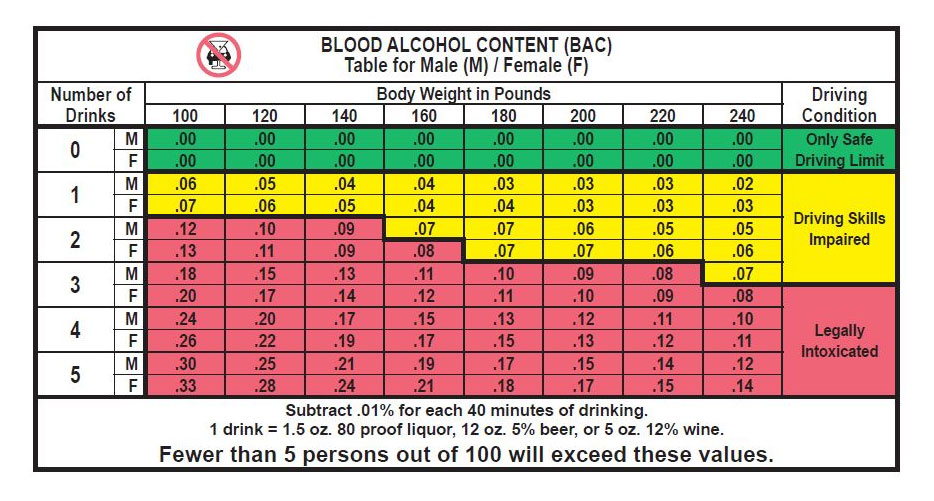
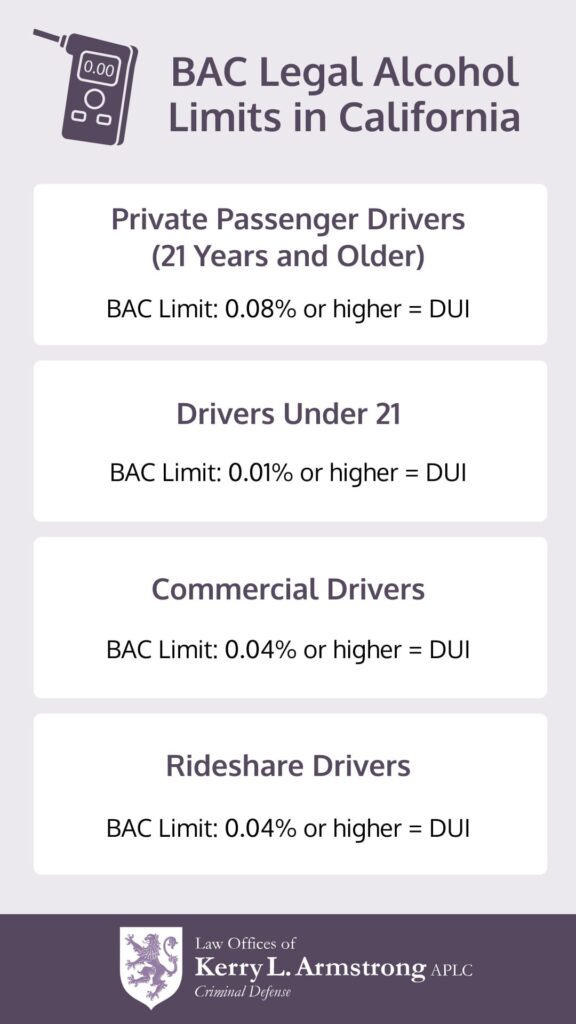
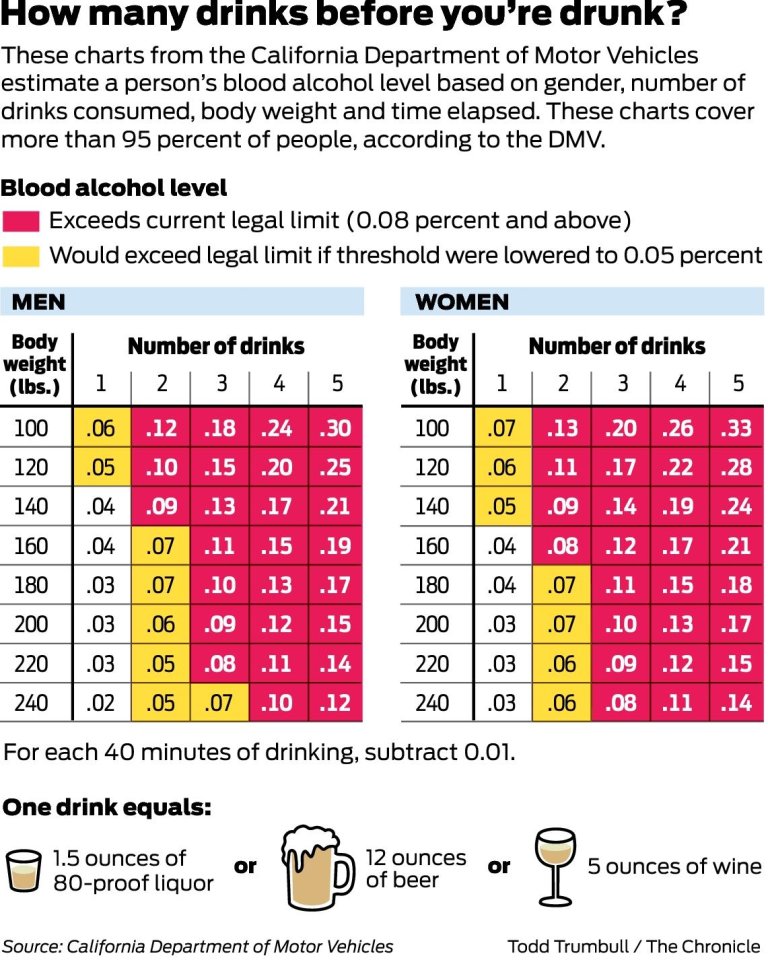
The primary concern when discussing alcohol limits in California revolves around driving. The legal Blood Alcohol Concentration (BAC) limit for drivers aged 21 and over is 0.08%. This means that if a driver’s BAC is at or above this level, they are considered legally impaired and can face severe penalties, even if they don’t exhibit overt signs of intoxication. This limit is consistent across the state, regardless of whether you are driving a personal vehicle, a rental car, or even a motorcycle.
It’s important to note that the 0.08% BAC limit is not a magic number that instantaneously signifies impairment. Alcohol affects individuals differently based on various factors such as weight, metabolism, food intake, and gender. Some individuals may feel the effects of alcohol more strongly than others, and some may even be impaired at BAC levels below 0.08%. Therefore, the 0.08% is a legal threshold, and it’s always safest to avoid driving altogether if you have consumed any alcohol.
The “Zero Tolerance” Policy for Underage Drivers
For drivers under the age of 21, California enforces a strict “Zero Tolerance” policy. This means that it is illegal for anyone under 21 to drive with any measurable amount of alcohol in their system. Even a BAC as low as 0.01% can result in serious consequences for underage drivers. This policy is in place to combat the alarming rates of alcohol-related accidents involving young people. The legal drinking age in the United States is 21, and this policy reinforces that by prohibiting any alcohol consumption for those below this age, especially when operating a vehicle.
The implications of a Zero Tolerance violation for underage drivers can be significant. These can include license suspension, mandatory alcohol education programs, fines, and a criminal record. These penalties can impact future educational opportunities, employment prospects, and insurance rates. Therefore, it is crucial for anyone under 21 to be acutely aware of and adhere to this stringent rule.
BAC and How It’s Measured
Blood Alcohol Concentration (BAC) is the metric used to determine the level of alcohol in a person’s bloodstream. It is expressed as a percentage. For example, a BAC of 0.08% means that there are 0.08 grams of alcohol per 100 milliliters of blood.
In California, BAC is typically measured through:
- Breath Tests: These are the most common methods used by law enforcement. Officers can administer breathalyzer tests at the roadside or at a police station. These devices estimate BAC by analyzing the alcohol content in a person’s breath.
- Blood Tests: Blood tests provide a more precise measurement of BAC. These are usually conducted at a medical facility after an arrest.
- Urine Tests: While less common for immediate roadside testing, urine tests can also be used to detect the presence of alcohol.
The accuracy of these tests is paramount, and law enforcement officers are trained in their proper administration. It’s important to cooperate with law enforcement if asked to submit to a chemical test. Refusal to take a test can lead to automatic license suspension, regardless of the BAC level.
Beyond Driving: Other Considerations for Alcohol Consumption in California
While the most significant legal ramifications of alcohol limits in California pertain to driving, there are other aspects of alcohol consumption that travelers might encounter. These generally pertain to where and when alcohol can be purchased and consumed, and the age at which it can legally be done.
The Legal Drinking Age: A Universal Rule
As in the rest of the United States, the legal drinking age in California is 21 years old. This applies to the purchase, possession, and consumption of alcoholic beverages. This law is strictly enforced, and establishments that sell alcohol are required to verify the age of their customers, typically by asking for a valid photo ID. Tourist attractions, hotels, restaurants, bars, and even grocery stores are all subject to these regulations.
For travelers, especially those coming from countries with different legal drinking ages, it’s crucial to be aware of this distinction. Whether you’re enjoying a leisurely dinner in a San Diego restaurant or exploring the vibrant culinary scene in Los Angeles, remember that you must be 21 or older to legally purchase or consume alcohol.
Purchasing and Consuming Alcohol: Hours and Locations
California has specific regulations regarding when and where alcohol can be purchased and consumed. These vary by city and county, but some general guidelines apply:
- Purchase Hours: Most liquor stores, supermarkets, and convenience stores can sell alcohol between 6:00 AM and 2:00 AM. However, some municipalities may have earlier closing times for alcohol sales.
- On-Premise Consumption: Bars, restaurants, and clubs are typically permitted to serve alcohol during their operating hours, which often extend later into the night. However, local ordinances can dictate specific closing times for alcohol service.
- Public Consumption: Open container laws prohibit the consumption of alcohol in public places, such as on sidewalks, in parks, or on beaches, unless specifically permitted by local ordinances (e.g., designated picnic areas or special events). It’s always wise to check local signage or ask venue staff about public consumption rules. For instance, while a beach party might be fun, consuming alcohol outside of a designated area could lead to a citation.
When you’re exploring destinations like Santa Monica or enjoying the wine country of Sonoma, these purchasing and consumption rules can influence your experience. Always be mindful of your surroundings and any posted regulations.
Navigating California’s Alcohol Laws During Your Travels
Understanding California’s alcohol limits and related laws is an integral part of responsible tourism. Whether you are a designated driver, a tourist enjoying a celebratory drink, or a young traveler on vacation, knowledge is your best guide.
Responsible Choices for a Safe and Enjoyable Trip
The primary goal of these laws is to ensure the safety and well-being of everyone in California. By adhering to the BAC limits for driving and respecting the legal drinking age, you contribute to a safer environment for yourself and others.
- Plan Your Transportation: If you intend to consume alcohol, make arrangements for safe transportation beforehand. Utilize ride-sharing services like Uber or Lyft, hire a taxi, or designate a sober driver. Many hotels, such as the Beverly Wilshire, A Four Seasons Hotel, can also assist with arranging transportation.
- Pace Yourself: When enjoying California’s diverse beverage offerings, from craft beers in San Diego to fine wines in the Central Coast, remember to drink responsibly. Alternate alcoholic beverages with water and be aware of your alcohol tolerance.
- Carry Identification: Always carry a valid form of identification, such as a passport or a driver’s license, as you will likely be asked for it when purchasing or consuming alcohol.
- Be Aware of Local Ordinances: While this guide provides general information, specific cities and counties within California may have their own unique regulations. A quick online search or a question to your hotel concierge can provide clarity on local rules.
California’s diverse attractions, from the bustling theme parks of Anaheim to the serene landscapes of Yosemite National Park, offer a wealth of experiences. By understanding and respecting the alcohol limits and laws, you can ensure your visit is not only filled with unforgettable moments but also conducted with legal compliance and personal safety in mind. Enjoy your journey through the Golden State!