
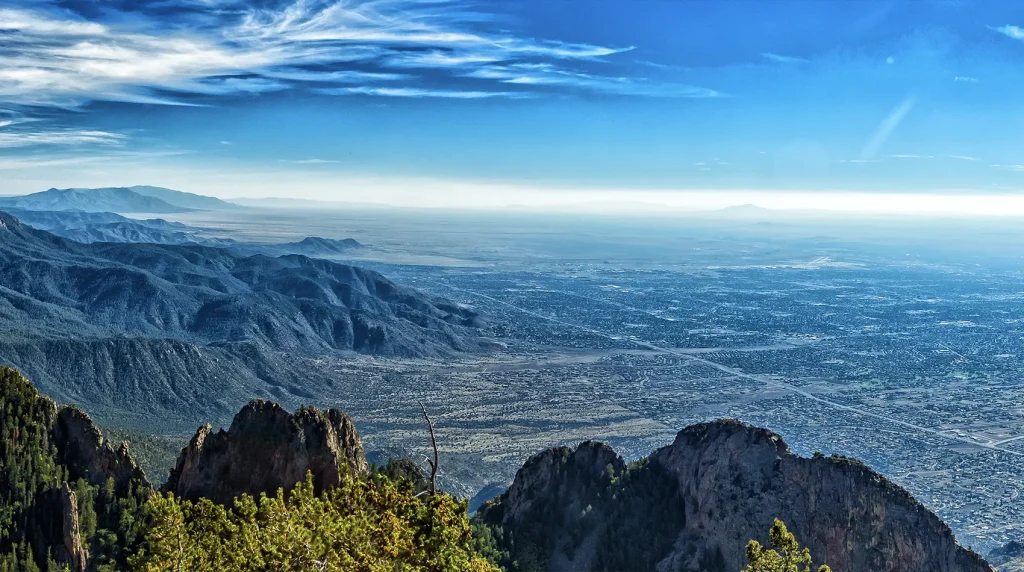
Perched on the eastern edge of the vast Rio Grande Valley, with the majestic Sandia Mountains rising abruptly to the east, Albuquerque, New Mexico, holds a distinctive position among major United States cities. Its elevation is not merely a geographic fact; it’s a defining characteristic that shapes its climate, influences its vibrant lifestyle, and offers a unique experience for every traveler. Understanding Albuquerque, New Mexico’s altitude is key to fully appreciating this Southwest gem, from planning your itinerary to choosing the perfect accommodation.
The city of Albuquerque, New Mexico sits at an average elevation of approximately 5,312 feet (1,619 meters) above sea level. However, this figure is just an average. The city spans a significant geographical area, and its elevation varies considerably from the Rio Grande floodplain in the west to the foothills of the Sandia Mountains in the east. This variation creates distinct microclimates and offers diverse vistas, making the city a fascinating study in high-desert living. For travelers, this means a dynamic environment where an understanding of altitude can enhance their stay, from health considerations to the best vantage points for breathtaking views.
Unpacking Albuquerque’s Elevation: A City in the Sky
Albuquerque, New Mexico’s elevation is more than just a number; it’s a fundamental aspect of its identity, influencing everything from the crisp, dry air to the spectacular sunsets. This high-desert setting provides a unique backdrop for both daily life and unforgettable travel experiences.
The Core Altitude and Its Variations
While the average elevation of Albuquerque, New Mexico hovers around 5,312 feet, visitors will encounter varying altitudes depending on where they explore. The lowest points, often near the Rio Grande on the city’s west side, can be around 4,900 feet (1,494 meters). Conversely, as you move eastward towards the base of the Sandia Mountains, elevations can climb to over 6,800 feet (2,073 meters). For instance, the base station of the Sandia Peak Tramway is already at a considerable elevation, and the peak itself soars to 10,678 feet (3,255 meters).
This topographic diversity means that a leisurely stroll through Old Town Albuquerque might feel different than a hike in the nearby foothills. For travel planners, this offers opportunities to experience varied landscapes and activities within a single destination. When considering accommodation, some resorts nestled closer to the mountains might offer slightly higher elevations and cooler temperatures, a detail worth noting for those sensitive to heat or looking for specific views.
Understanding the High-Desert Environment
Albuquerque, New Mexico’s high-desert location translates into a climate characterized by abundant sunshine, low humidity, and significant diurnal temperature swings. The altitude contributes to the intensity of the sun’s rays and the often-cool evenings, even after hot days. This environment is part of the city’s charm, offering clear skies ideal for stargazing and vibrant sunsets that paint the horizon in fiery hues.
For tourism, this means outdoor activities are paramount. From exploring the ancient petroglyphs at Petroglyph National Monument to cycling along the Paseo del Bosque Trail beside the Rio Grande, the dry, elevated air makes for exhilarating adventures. The unique ecosystem also supports specific flora and fauna, adding to the region’s natural appeal. Visitors interested in nature and photography will find endless inspiration in Albuquerque, New Mexico’s distinctive high-desert landscape.
Navigating the Heights: Health and Travel Considerations
The elevation of Albuquerque, New Mexico, while offering stunning beauty, also necessitates some practical considerations for visitors, particularly concerning health and activity levels. Being prepared ensures a more comfortable and enjoyable trip.
Acclimatization Tips for Visitors
For many travelers arriving from lower elevations, the altitude in Albuquerque, New Mexico might be noticeable. Symptoms of mild altitude sickness can include headaches, fatigue, dizziness, and shortness of breath. While generally not severe at Albuquerque, New Mexico’s elevation, it’s wise to take precautions:
- Hydrate generously: Drink plenty of water before and during your trip. Dehydration is a significant factor in altitude sickness.
- Take it easy: Upon arrival, avoid strenuous activities for the first 24-48 hours. Allow your body time to adjust.
- Limit alcohol and caffeine: These can contribute to dehydration and exacerbate altitude symptoms.
- Eat light meals: Digesting heavy meals can divert energy your body needs for acclimatization.
- Sun protection: The sun’s UV rays are stronger at higher altitudes. Wear sunscreen, hats, and sunglasses.
- Listen to your body: If you experience severe symptoms, seek medical advice.
Travel guides often emphasize these tips for destinations like Denver, Colorado or Santa Fe, and they apply equally to Albuquerque, New Mexico. Hotels and resorts in the area are often accustomed to guests arriving from lower elevations and some may offer amenities like humidifiers or advise on local pharmacies.
Best Practices for Enjoying High-Altitude Activities
Once acclimatized, Albuquerque, New Mexico offers a plethora of activities, many of which are enhanced by its elevated setting. Whether you’re an avid hiker, a casual cyclist, or simply enjoying sightseeing, remember to:
- Pace yourself: Even if you’re fit, physical activities might feel more demanding than at sea level. Take breaks and don’t push your limits.
- Dress in layers: The temperature can change rapidly, especially between day and night, or when ascending to higher points like Sandia Peak.
- Carry snacks: Energy levels can deplete faster at altitude.
- Know your route: When hiking or biking, be aware of elevation gains and plan accordingly.
For those planning family trips, introducing children to the concept of hydration and taking breaks is especially important. Albuquerque, New Mexico’s attractions, from the ABQ BioPark to Explora Science Center and Children’s Museum, are generally accessible, but knowing your limits ensures everyone has a positive experience.
Altitude-Inspired Adventures and Iconic Landmarks
Albuquerque, New Mexico’s elevation is inextricably linked to many of its most famous attractions and outdoor pursuits. The city’s geography provides a dramatic backdrop for exploration and offers unique perspectives.
Panoramic Views from Sandia Peak and Beyond
Without a doubt, one of Albuquerque, New Mexico’s most iconic experiences is a ride on the Sandia Peak Tramway. This aerial tram transports visitors from the city’s eastern edge up to the 10,678-foot summit of Sandia Peak. The journey itself offers breathtaking panoramic views of the entire Rio Grande Valley, the city sprawling below, and the distant Continental Divide. At the peak, the air is noticeably cooler and crisper, and the vastness of the New Mexico landscape is awe-inspiring. This landmark is a must-do for any traveler, providing a unique perspective on the region’s geography and a stunning spot for sunsets.
Beyond Sandia Peak, numerous overlooks and high points around the city offer fantastic views. Driving portions of historic Route 66 through Albuquerque, New Mexico can reveal elevated sections providing urban vistas. Even simply walking through neighborhoods like Nob Hill or Downtown Albuquerque allows glimpses of the surrounding mountains and the open sky, a constant reminder of the city’s elevated setting.
Outdoor Pursuits in the High Desert Landscape
The high-desert environment and varying altitudes make Albuquerque, New Mexico an outdoor enthusiast’s paradise. Hiking trails abound in the Sandia Mountains and the foothills, ranging from gentle walks to challenging climbs. Mountain biking is another popular activity, with trails catering to all skill levels, offering both rigorous exercise and stunning scenery.
For a more relaxed experience, the Paseo del Bosque Trail provides miles of paved pathways alongside the Rio Grande, perfect for cycling, walking, or jogging. Birdwatching is exceptional in this riparian zone, a lush contrast to the surrounding desert. The low humidity and high elevation also contribute to the success of the International Balloon Fiesta, which takes place annually at Balloon Fiesta Park. The cool morning air, characteristic of the high desert, creates ideal conditions for hot air ballooning, drawing hundreds of balloons and thousands of spectators from around the globe. This world-renowned event truly showcases how Albuquerque, New Mexico’s unique atmospheric conditions can create unparalleled experiences.
Planning Your High-Altitude Stay: Accommodation and Lifestyle
Choosing the right accommodation and embracing the local lifestyle are essential parts of any travel experience, and in Albuquerque, New Mexico, these decisions can be subtly influenced by the city’s altitude and climate.
Choosing the Right Accommodation
Albuquerque, New Mexico offers a diverse range of accommodation options, from luxury resorts to budget-friendly hotels, boutique inns, and extended-stay apartments. When booking, consider factors beyond just price and location, especially if you anticipate being sensitive to the altitude:
- Amenities for comfort: Look for hotels that offer humidifiers or can provide extra blankets for cooler evenings. Some higher-end resorts might even have on-site medical staff or oxygen services for those with specific health concerns, though this is rare at Albuquerque, New Mexico’s elevation.
- Location and elevation: If you prefer a slightly lower elevation, consider properties closer to the Rio Grande or in the central areas. For those seeking cooler temperatures and mountain views, resorts and villas on the eastern side of the city might be appealing, but these will be at a higher base elevation.
- Resorts vs. City Hotels: Resorts like the Isleta Resort & Casino offer extensive facilities, often including pools and spas, which can be relaxing after outdoor activities. City hotels such as the Hyatt Regency Albuquerque or the historic Hotel Andaluz Albuquerque, Curio Collection by Hilton place you closer to Downtown Albuquerque attractions. For a unique, more serene experience, properties like Los Poblanos Historic Inn & Organic Farm offer a tranquil escape amidst lavender fields in the Rio Grande Valley.
- Reviews and Booking: Always check recent reviews, paying attention to comments about room comfort, heating/cooling, and noise levels. Comparison websites are excellent for finding the best deals, whether you’re planning a long-term stay or a quick getaway. Boutique hotels like Hotel Chaco near the Indian Pueblo Cultural Center offer a blend of luxury and cultural immersion.

Embracing the Albuquerque Lifestyle at Elevation
Albuquerque, New Mexico’s lifestyle is deeply intertwined with its high-desert, elevated setting. The abundance of sunshine encourages an active, outdoor-oriented culture, while the unique climate fosters a distinctive culinary scene.
- Culinary Delights: New Mexican cuisine, with its signature red and green chiles, is a must-try. The city’s elevation doesn’t directly impact the food itself, but the energy expended during outdoor activities makes a hearty meal even more satisfying. Many restaurants offer shaded patios, allowing diners to enjoy the pleasant evenings.
- Shopping and Culture: Explore the shops and galleries in Old Town Albuquerque for unique Southwest souvenirs. Areas like Nob Hill along Central Avenue offer trendy boutiques and vibrant nightlife. Shopping malls like Coronado Center and Cottonwood Mall provide traditional retail experiences.
- Educational Exploration: The city’s museums, including the Indian Pueblo Cultural Center and those associated with the University of New Mexico, offer deep dives into the region’s rich history and diverse cultures. These indoor activities are perfect for when you need a break from the sun or want to immerse yourself in local heritage.
- Budget vs. Luxury: Whether you’re planning a luxury travel experience or a budget-friendly trip, Albuquerque, New Mexico caters to all. High-end resorts offer lavish amenities, while numerous motels and vacation rentals provide economical alternatives. Regardless of your budget, the natural beauty and unique experiences offered by the city’s elevation are accessible to everyone. Family trips benefit from the numerous parks and kid-friendly attractions, while business stays can find convenient and well-equipped accommodations throughout the city.
In conclusion, the altitude of Albuquerque, New Mexico is far more than a geographical footnote; it’s a fundamental element that shapes the city’s character, its stunning landscapes, and the rhythm of life within its bounds. From the clear, dry air that hosts the world-famous International Balloon Fiesta to the majestic views from Sandia Peak, the elevation enriches every aspect of an Albuquerque, New Mexico visit. By understanding and respecting its unique high-desert environment, travelers can ensure a comfortable, exhilarating, and truly unforgettable journey to this enchanting Southwest destination.
LifeOutOfTheBox is a participant in the Amazon Services LLC Associates Program, an affiliate advertising program designed to provide a means for sites to earn advertising fees by advertising and linking to Amazon.com. Amazon, the Amazon logo, AmazonSupply, and the AmazonSupply logo are trademarks of Amazon.com, Inc. or its affiliates. As an Amazon Associate we earn affiliate commissions from qualifying purchases.