
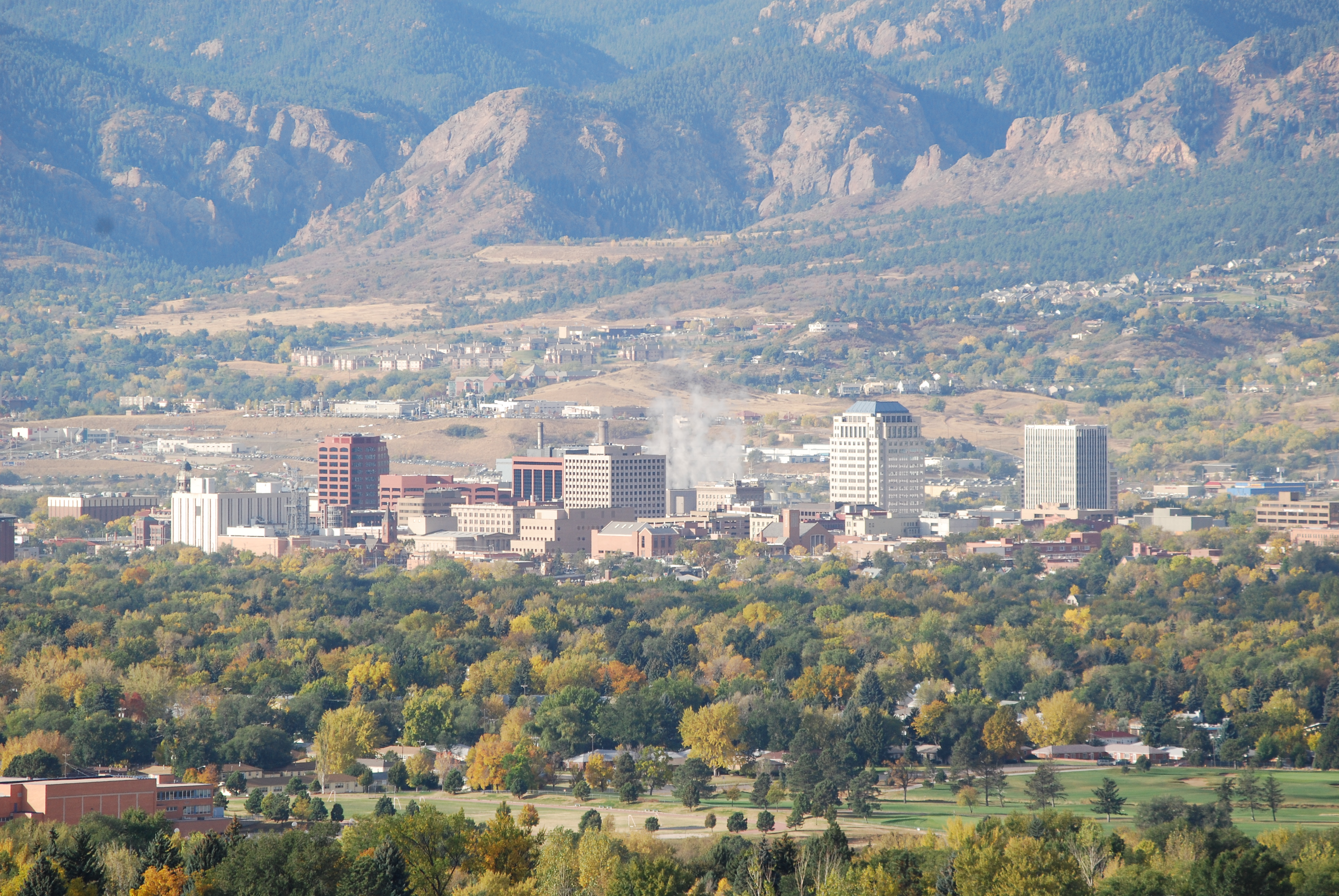
Nestled majestically at the base of the iconic Pikes Peak, Colorado Springs is a vibrant city renowned for its breathtaking natural beauty, a rich tapestry of history, and an abundance of outdoor adventures. For travelers planning a visit, one of the most frequently asked questions pertains to its elevation, and for good reason. Understanding the altitude of Colorado Springs is not just a matter of trivia; it’s crucial for travel planning, health precautions, and appreciating the unique geographical context that shapes this magnificent destination.
The exact altitude of Colorado Springs, Colorado, varies slightly across the city due to its undulating terrain, but the official city elevation is generally cited as 6,035 feet (1,839 meters) above sea level. This places it firmly in the category of high-altitude cities, distinguishing it from many other major metropolitan areas across the United States. This elevation plays a pivotal role in everything from the climate and vegetation to the physical experiences visitors can expect, making it an integral part of its identity as a premier travel destination.
Understanding Colorado Springs’ Elevation and Its Impact
The city’s elevation of just over 6,000 feet sets the stage for its dramatic landscapes and the awe-inspiring backdrop provided by the Rocky Mountains. Being positioned at such a height means that while the city itself is significant, its surroundings include much higher peaks, most notably Pikes Peak, which soars to 14,115 feet (4,302 meters). This proximity to the “America’s Mountain” directly influences the local weather patterns, offering distinct four seasons and an abundance of sunshine. The thinner air at this altitude also contributes to the remarkably clear skies, perfect for stargazing and appreciating the vast expanse of the Colorado wilderness.
For any traveler, especially those arriving from sea-level locations, understanding this elevation is paramount for a comfortable and enjoyable trip. The air at 6,035 feet contains less oxygen than at lower altitudes, which can lead to a condition commonly known as altitude sickness.
The Impact of High Altitude on Visitors
Altitude sickness, or Acute Mountain Sickness (AMS), can manifest in various ways, from mild discomfort to more severe symptoms. Common signs include headaches, dizziness, nausea, shortness of breath, fatigue, and difficulty sleeping. While most visitors to Colorado Springs will only experience mild symptoms, if any, it’s wise to be prepared, especially if your itinerary involves ascending to even higher elevations like Pikes Peak or embarking on strenuous hikes.
Tips for Acclimatization:
- Hydration is Key: Drink plenty of water before and during your visit. Dehydration can exacerbate altitude sickness symptoms. Avoid excessive alcohol and caffeine consumption upon arrival, as these can contribute to dehydration.
- Take It Easy: Plan a relaxed itinerary for your first 24-48 hours. Avoid strenuous activities, allowing your body time to adjust to the lower oxygen levels. This is particularly important for individuals coming from sea level.
- Eat Lightly: Opt for lighter meals and avoid heavy, fatty foods. A diet rich in carbohydrates can be beneficial.
- Listen to Your Body: Pay attention to any symptoms. If you feel unwell, rest and descend to a lower altitude if possible. Most symptoms are mild and resolve within a day or two.
- Consult Your Doctor: If you have pre-existing medical conditions, especially respiratory or cardiac issues, consult your doctor before traveling to high altitudes. They might recommend specific precautions or medications.
Embracing these tips ensures that your focus remains on exploring the incredible attractions and experiences Colorado Springs has to offer, rather than battling discomfort. This preparedness is a cornerstone of responsible travel, falling under the broader scope of travel guides and experiences that prioritize traveler well-being.
Iconic Attractions and Natural Wonders at Altitude
The unique altitude of Colorado Springs is inextricably linked to its most famous landmarks and natural wonders. The crisp, thin air and dramatic elevation changes contribute to the stunning vistas and unique geological formations that draw millions of tourists annually. These attractions highlight the best of Colorado tourism, offering a blend of natural beauty, adventure, and cultural insights.
One cannot speak of Colorado Springs without immediately thinking of the Garden of the Gods Park. This National Natural Landmark features towering sandstone rock formations, including the famous Kissing Camels and Balanced Rock, set against the backdrop of Pikes Peak. The park offers excellent opportunities for hiking, rock climbing, and photography, all while experiencing the city’s unique elevation firsthand. The striking red rock formations contrast beautifully with the vibrant blue skies, a view made even more spectacular by the clear, high-altitude air.
Just a short drive away lies Manitou Springs, a charming historic town known for its natural mineral springs. Visitors can sample water from eight different springs, each with its own unique mineral composition and purported health benefits. The town also boasts a vibrant arts scene, unique shops, and delicious local food, offering a quintessential Colorado experience that blends local culture with natural wonders.
For animal lovers, the Cheyenne Mountain Zoo stands out as the only mountain zoo in the United States. Perched on the side of Cheyenne Mountain, the zoo offers spectacular views of Colorado Springs and the surrounding plains. Its unique terraced layout means visitors enjoy an uphill stroll through various habitats, making it a truly elevated experience in more ways than one.
Another significant landmark is the United States Air Force Academy, a renowned military institution with stunning architecture and a sprawling campus open to visitors. The Cadet Chapel, with its striking spires, is an architectural marvel and a must-see. The visitor center provides insights into the Academy’s history and mission, offering a glimpse into a unique aspect of American culture and education at high altitude.
Exploring the Pikes Peak Region
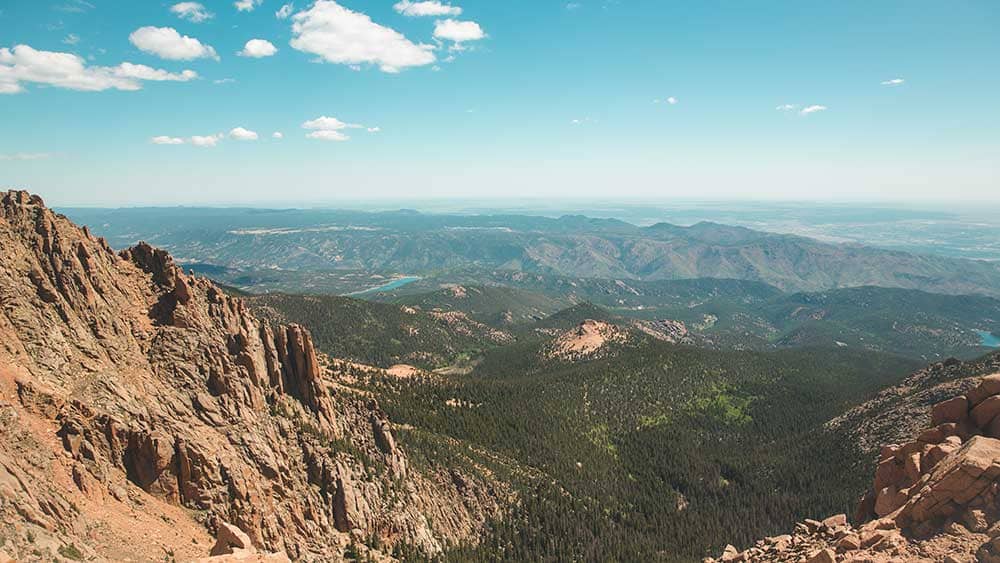
The ultimate high-altitude adventure in the area, of course, revolves around Pikes Peak itself. Reaching the summit of this “fourteener” is a bucket-list item for many, and there are several ways to conquer it:
- The Pikes Peak Highway: A scenic toll road that winds its way up to the summit, offering numerous pull-offs for stunning views and photo opportunities. This drive allows visitors to experience a gradual ascent to over 14,000 feet, where the air is noticeably thinner and the views are panoramic.
- The Pikes Peak Cog Railway: Recently renovated, this historic railway offers a comfortable and breathtaking journey to the summit, passing through diverse ecosystems as it climbs. It’s an ideal option for those who prefer to sit back and enjoy the scenery without the stress of driving or the physical exertion of hiking.
- Hiking: For the adventurous and well-prepared, the Barr Trail offers a challenging but rewarding hike to the summit. This is a strenuous all-day endeavor and should only be attempted by experienced hikers who are properly acclimatized and equipped for extreme weather changes.
Each of these methods provides a distinct perspective on the natural grandeur of the Rocky Mountains and the unique experience of being at such a high elevation. These adventures are central to the appeal of Colorado Springs as a travel destination for outdoor enthusiasts and those seeking memorable experiences.
Accommodation and Lifestyle in Colorado Springs
Beyond its natural allure, Colorado Springs offers a diverse range of accommodation options and a lifestyle that caters to various types of travelers, from luxury seekers to budget-conscious families. The city’s tourism infrastructure is well-developed, ensuring that visitors can find the perfect home base for their high-altitude adventures.
For those seeking unparalleled luxury and historic charm, The Broadmoor stands as a beacon of sophistication. This iconic resort, nestled on 5,000 acres, offers exquisite accommodations, championship golf courses, a world-class spa, and exceptional dining experiences. Its opulent setting and impeccable service epitomize luxury travel and provide an exclusive experience for guests.
However, Colorado Springs also boasts a wide array of other hotels, resorts, suites, and apartments to suit every preference and budget. From well-known chain hotels offering comfortable and convenient stays to charming boutique hotels in the downtown area, visitors have plenty of choices. Vacation rentals, including cozy cabins and spacious homes, are also popular, particularly for families or those planning longer stays, offering a more localized and immersive experience. Many accommodations boast amenities like indoor pools, fitness centers, and pet-friendly options, catering to different lifestyle needs and travel preferences.
The city’s lifestyle is heavily influenced by its outdoor environment, promoting an active and healthy way of living. This translates into a wealth of activities, from hiking and biking trails crisscrossing the city and surrounding mountains to rock climbing, white-water rafting, and horseback riding. Even for those who prefer a more relaxed pace, the numerous parks and scenic drives offer ample opportunities to enjoy the fresh mountain air and stunning views.
Beyond the Scenery: Dining and Local Culture
Colorado Springs’ tourism extends beyond its natural beauty to embrace a burgeoning culinary scene and a vibrant local culture. The city offers a diverse array of dining options, from upscale restaurants serving gourmet cuisine to casual eateries dishing out comfort food. The “farm-to-table” movement is gaining traction, with many establishments sourcing ingredients from local Colorado farms, reflecting a commitment to fresh, regional flavors.
Craft breweries and distilleries have also become a significant part of the local lifestyle, offering tastings and tours that showcase the innovative spirit of Colorado’s beverage industry. These spots are not just about drinks; they often serve as community hubs, reflecting the friendly and laid-back atmosphere of the city.
Culturally, Colorado Springs is home to several museums and art galleries that highlight local history, art, and the region’s natural heritage. The Pioneers Museum, for instance, offers a deep dive into the city’s past, while various galleries showcase local and regional artists. Seasonal festivals, concerts, and farmers’ markets further enrich the local culture, providing authentic experiences for visitors looking to connect with the community. Whether you’re planning a family trip seeking educational and recreational activities, a business stay requiring top-notch facilities, or a luxury escape filled with pampering, Colorado Springs seamlessly blends its high-altitude charm with a sophisticated yet welcoming lifestyle.
Planning Your High-Altitude Getaway
Planning a trip to Colorado Springs means considering the altitude as a key factor for an optimal experience. The best time to visit largely depends on your desired activities. Summer (June to August) is popular for hiking, biking, and outdoor adventures, but also sees the largest crowds. Spring and Fall offer milder temperatures, fewer tourists, and stunning seasonal foliage, making them ideal for scenic drives and enjoying the vibrant colors. Winter transforms the city into a picturesque wonderland, perfect for snow sports and cozy getaways, though some high-altitude roads may close due to snow.
When packing, layers are essential regardless of the season, as mountain weather can be unpredictable and temperatures can fluctuate dramatically throughout the day. Sunscreen, hats, and sunglasses are vital due to the stronger sun intensity at higher elevations. Comfortable walking shoes are a must for exploring the numerous trails and attractions.
Transportation within Colorado Springs is relatively straightforward, with rental cars being the most flexible option for exploring the wider region. Public transportation is available, and rideshare services operate throughout the city. For those flying in, the Colorado Springs Airport (COS) offers convenient access, while Denver International Airport (DEN) is a larger hub about an hour and a half’s drive north.
In conclusion, the altitude of Colorado Springs, at 6,035 feet, is more than just a number; it’s a defining characteristic that shapes its geography, attractions, and visitor experience. By understanding and preparing for this elevation, travelers can fully immerse themselves in the unparalleled beauty, adventure, and vibrant lifestyle that this remarkable Colorado city has to offer. Whether you’re gazing at the red rocks of Garden of the Gods Park, ascending to the summit of Pikes Peak, or simply enjoying the crisp mountain air, Colorado Springs promises an unforgettable high-altitude getaway.