
When planning a trip or a move to the Golden State, one might naturally wonder, “What is the area code of California, USA?” The straightforward answer might surprise you: there isn’t just one. California is a vast and populous state, encompassing an incredible diversity of landscapes, cultures, and urban centers, each served by its own set of area codes. Far from being a simple digit, these codes serve as a fascinating geographical roadmap, delineating the distinct regions that make up one of the world’s most dynamic travel destinations. Understanding California’s’s area code system is not merely about making phone calls; it’s about grasping the immense scale and vibrant tapestry of a state that offers everything from sun-drenched beaches and world-class theme parks to ancient redwood forests and high-tech innovation hubs.
This article delves beyond the numbers, exploring how California’s multiple area codes are intrinsically linked to its renowned travel destinations, diverse accommodation options, rich tourism experiences, iconic landmarks, and varied lifestyle choices. Whether you’re a luxury traveler seeking an exclusive resort in Beverly Hills, a budget-conscious adventurer exploring national parks, or a family planning a memorable vacation, understanding the regional significance of these area codes will enhance your journey across the state.
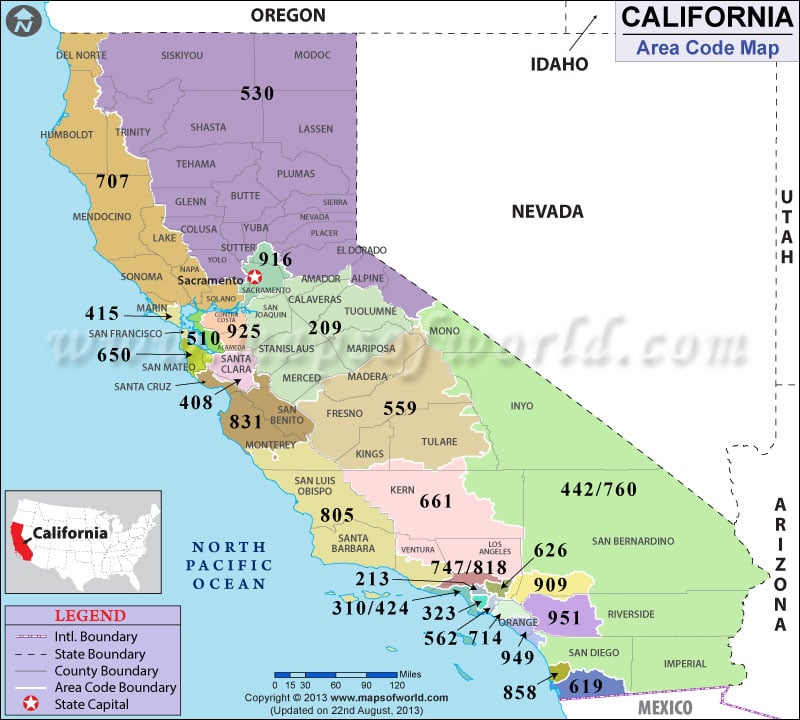
Understanding California’s Diverse Area Code Landscape
The sheer size and population density of California necessitate a complex system of telephone area codes. The state is home to nearly 40 million people, stretching over 1,000 miles from north to south. This expansive footprint, coupled with significant economic activity and technological advancement, has led to the implementation of over 30 distinct area codes, with more overlays and splits introduced regularly to meet growing demand. These codes are not random; they are carefully assigned to reflect specific geographic regions, often coinciding with major metropolitan areas, popular tourist destinations, or distinct cultural zones.
The Golden State’s Geographic and Demographic Tapestry
California’s geography is incredibly varied, featuring deserts, mountains, fertile valleys, and an extensive coastline. This diversity is mirrored in its population centers and their corresponding area codes. For instance, the bustling urban sprawl of Los Angeles County alone is served by several distinct area codes (e.g., 213, 310, 323, 424, 626, 747, 818), each reflecting different parts of the metropolitan area. The tech hub of Silicon Valley and the cultural heart of San Francisco in Northern California boast their own set of codes (e.g., 415, 650, 925, 510).
This fragmentation highlights the state’s significant demographic growth and its role as a global economic powerhouse. For travelers, understanding which area code corresponds to which region can be a practical tool for planning, offering a quick geographical reference point. When you see an address or a phone number with a specific California area code, it immediately provides insight into the likely environment – be it the urban chic of West Hollywood, the laid-back coastal charm of Santa Cruz, or the wine country sophistication of Napa Valley. This intricate system underscores the idea that California is not a monolithic entity but rather a collection of unique regions, each with its own character and appeal for tourists and residents alike.
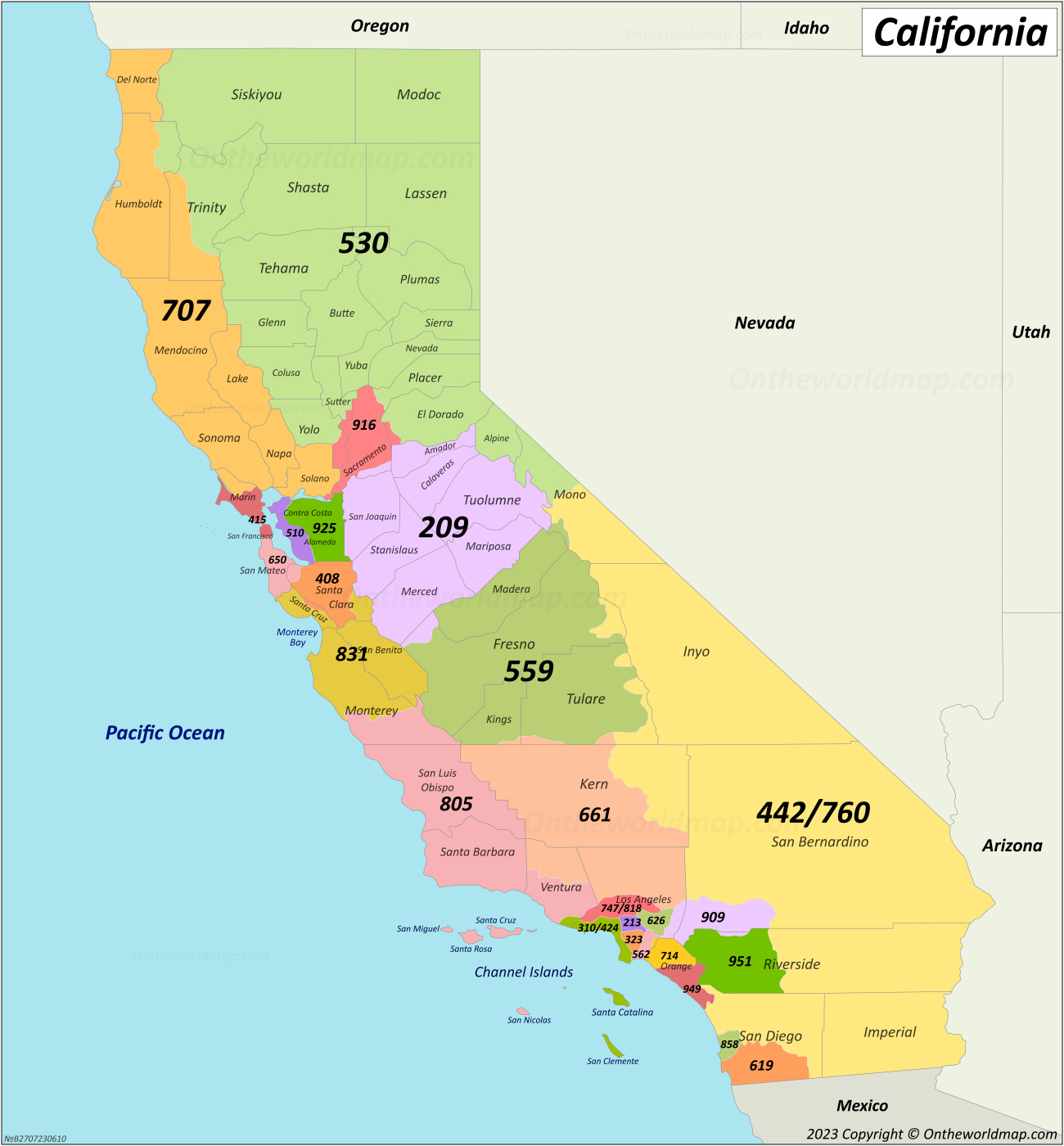
Navigating California by Region: A Traveler’s Guide Through Area Codes
Exploring California can be likened to embarking on multiple distinct journeys within one state. Each region, often identifiable by its area code, offers a unique blend of attractions, local culture, and accommodation experiences. For a truly immersive travel experience, understanding these regional distinctions is key.
Southern California: Glamour, Beaches, and Entertainment Hubs
Southern California is perhaps the most iconic image of the state for many, synonymous with sunshine, celebrities, and endless entertainment. This sprawling region encompasses several major metropolitan areas, each with its own area codes and distinct appeal:
- Los Angeles and Surrounding Areas (213, 310, 323, 424, 626, 747, 818): The heart of entertainment and urban exploration. Area code 213 is primarily for downtown Los Angeles, a hub for business travelers and those seeking luxury hotels and vibrant nightlife. Codes like 310 and 424 cover the prestigious coastal and western parts, including Beverly Hills, Santa Monica, and Malibu, home to upscale resorts, boutique hotels, and stunning beaches. Here, you can indulge in luxury travel, explore world-class dining, and visit landmarks like the Hollywood Walk of Fame and Universal Studios Hollywood. Meanwhile, 626 and 818 extend into the San Gabriel Valley and San Fernando Valley respectively, offering a mix of suburban charm, diverse culinary scenes, and access to family-friendly attractions.
- Orange County (714, 657, 949): Just south of Los Angeles, Orange County is famous for its pristine beaches and, most notably, the Disneyland Resort in Anaheim. The 714 and 657 codes predominantly cover the inland areas like Anaheim and Santa Ana, making them prime locations for family trips with numerous themed hotels and resorts catering to various budgets. The 949 code primarily serves the affluent coastal cities such as Newport Beach and Laguna Beach, offering luxury villas, high-end shopping, and scenic ocean views.
- San Diego County (619, 858, 760): As California’s southernmost major city, San Diego boasts a relaxed atmosphere, beautiful beaches, and a vibrant downtown. Area codes 619 and 858 cover the city of San Diego and its northern suburbs. This region is a paradise for those seeking outdoor activities, a rich craft beer scene, and iconic attractions like the San Diego Zoo and Balboa Park. Accommodation ranges from bustling downtown hotels to beachfront resorts. The 760 area code stretches further north into North County and inland into the desert regions, including Palm Springs – a haven for golf, spas, and mid-century modern architecture.
Northern California: Innovation, Culture, and Natural Wonders
Moving north, California’s landscape transforms into a blend of innovative tech hubs, historic cities, and breathtaking natural beauty.
- San Francisco Bay Area (415, 650, 925, 510, 707, 408, 669): This dynamic region is a melting pot of culture, technology, and stunning scenery. Area code 415 is famously associated with the city of San Francisco itself, home to the iconic Golden Gate Bridge, Alcatraz Island, and Pier 39. The city offers a range of hotels, from historic luxury establishments to charming boutique stays, perfect for cultural tourism and romantic getaways. South of the city, 650 and the newer 669 codes cover much of Silicon Valley, including Palo Alto and San Jose, appealing to business travelers and tech enthusiasts. Across the bay, 510 serves cities like Oakland and Berkeley, known for their vibrant arts scenes and diverse communities. East of the bay, 925 covers suburban areas, while 707 extends north into Napa Valley and Sonoma County, the heart of California’s wine country, where luxurious resorts, charming bed and breakfasts, and exquisite culinary experiences await. This region is ideal for luxury travel and specialized food and wine tours.
- Sacramento and the Central Valley (916, 530, 209, 559, 661): Sacramento, the state capital, uses area code 916. It’s a city rich in history, particularly its Gold Rush past, offering historical landmarks and government buildings. The broader Central Valley, covered by codes like 209, 559 (including Fresno), and 661 (reaching Bakersfield), is California’s agricultural heartland. While not traditional tourist hotspots, these areas serve as vital gateways to national parks like Yosemite National Park and Sequoia National Park, making them excellent bases for nature-focused budget travel and outdoor adventures.
- Coastal Gems and Northern Wilderness (805, 831, 707 continued): Beyond the major cities, California’s coastline and northern reaches offer serene escapes. Area code 805 encompasses the picturesque Central Coast, including charming cities like Santa Barbara and San Luis Obispo, known for their Spanish colonial architecture, wine regions, and relaxed pace. Further north, 831 covers Monterey, Carmel-by-the-Sea, and the dramatic cliffs of Big Sur, offering unparalleled scenic drives and luxurious, secluded resorts. The northern reaches of 707 delve into the Redwood Empire, where travelers can marvel at the towering trees of Redwood National Park and experience a profound connection with nature, often staying in charming cabins or eco-lodges.
Central California & Beyond: Unveiling Hidden Gems and Natural Splendor
Beyond the dominant northern and southern hubs, central and eastern California offer unique experiences often tied to vast natural landscapes.
- The Sierra Nevada Foothills and Mountains (530, 760): Area code 530 covers a significant portion of Northern California’s mountains and Eastern Sierra Nevada region, including the majestic Lake Tahoe area. This region is a four-season playground, offering skiing, hiking, and water sports. Accommodation ranges from luxury lakeside resorts to cozy cabins, perfect for adventure tourism and family trips. Further south along the Eastern Sierra, the 760 code reaches into the vast expanses, providing access to gateways for national parks like Death Valley National Park and Joshua Tree National Park. These areas are ideal for nature lovers, campers, and those seeking unique desert landscapes and stargazing opportunities, often opting for unique glamping experiences or rustic lodges.
- Mojave Desert (760): The vast 760 area code also covers the majority of the Mojave Desert, offering a completely different California experience. Here, you’ll find the quiet beauty of desert towns, unique natural formations, and a slower pace of life. This region is perfect for those seeking off-the-beaten-path travel, connecting with nature, and experiencing a starkly beautiful landscape.
Planning Your California Adventure: Accommodation, Lifestyle, and Local Insights
Navigating California’s myriad area codes is more than just a logistical exercise; it’s an integral part of planning a rich and rewarding travel experience. Each code subtly hints at the lifestyle, attractions, and accommodation types you can expect.
Choosing Your Stay: From Luxury Resorts to Budget-Friendly Apartments
California’s diverse area codes align perfectly with the state’s equally diverse range of accommodation options:
- Luxury Travel: In codes like 310 (e.g., Beverly Hills), 949 (e.g., Newport Beach), 415 (e.g., San Francisco), and 707 (e.g., Napa Valley), you’ll find an abundance of five-star hotels, exclusive resorts, and lavish villas. These properties often offer premium amenities like spas, gourmet dining, and concierge services, catering to discerning travelers looking for an opulent lifestyle experience.
- Family Trips: Areas with codes like 714 (e.g., Anaheim for Disneyland), 619 (e.g., San Diego for the Zoo), and 530 (e.g., Lake Tahoe) are replete with family-friendly hotels, resorts with water parks, and vacation rental apartments that provide space and convenience for travelers with children.
- Budget Travel: For those exploring California on a budget, look for accommodations in areas further from major tourist centers or in cities like Bakersfield (661) or Fresno (559), which serve as practical bases for exploring nearby national parks. Hostels, motels, and budget-friendly apartments are widely available, especially in larger, less glamorous cities or along major highways.
- Long-term Stays & Business Travel: Cities within codes like 408 (San Jose) or 650 (Palo Alto) in Silicon Valley cater extensively to business travelers, offering corporate apartments, extended-stay hotels, and accommodations with robust connectivity. Similarly, larger cities across the state offer diverse options for those seeking longer-term stays or apartment-style accommodations.
Embracing Local Culture and Experiences Across Different Codes
Beyond simply lodging, the area codes hint at the local culture and experiences awaiting you:
- Arts and Culture: Dive into the vibrant arts scene in 323 (East Los Angeles) or the historic theaters and museums of 415 (San Francisco).
- Food and Drink: Savor world-class wines in 707 (Napa Valley), explore diverse ethnic cuisines in 626 (San Gabriel Valley), or indulge in farm-to-table dining experiences prevalent across many Central Coast 805 communities.
- Outdoor Adventures: Whether it’s surfing in 760 (coastal San Diego County), hiking in 559 (near Yosemite), or exploring the unique geological formations of 760 (the Mojave Desert), California’s area codes often align with prime outdoor activity zones.
- Historical Exploration: From the Gold Rush history of Sacramento (916) to the mission trails of San Luis Obispo (805), history buffs will find rich narratives embedded in various regions.
In conclusion, there isn’t a single area code for California, USA, but rather a complex, evolving network that mirrors the state’s incredible diversity. For the savvy traveler, these codes are more than just numbers; they are clues to the distinct experiences, lifestyles, and landscapes that make California a world-class destination. Whether you’re seeking the glamour of Los Angeles, the innovation of San Francisco, the tranquility of national parks, or the charm of coastal towns, understanding California’s’s area code map is your first step towards an unforgettable journey through the Golden State. Always check the most current area code information when planning, as new overlays are regularly introduced to accommodate the state’s continuous growth.
LifeOutOfTheBox is a participant in the Amazon Services LLC Associates Program, an affiliate advertising program designed to provide a means for sites to earn advertising fees by advertising and linking to Amazon.com. Amazon, the Amazon logo, AmazonSupply, and the AmazonSupply logo are trademarks of Amazon.com, Inc. or its affiliates. As an Amazon Associate we earn affiliate commissions from qualifying purchases.