
Planning a trip to the southwestern United States often brings to mind images of sun-drenched deserts, majestic canyons, and vibrant red rock formations. While destinations like the Grand Canyon National Park, the bustling cityscapes of Phoenix, or the spiritual vortexes of Sedona are undoubtedly compelling, there’s one crucial detail that frequently catches travelers by surprise: Arizona’s unique time zone status. Unlike most of the country, Arizona largely does not observe Daylight Saving Time (DST), a peculiarity that can impact everything from flight schedules and hotel check-ins to tour bookings and even simply knowing what time it is when you cross state lines.
Understanding Arizona’s approach to time is not just a trivial detail; it’s a fundamental aspect of planning a seamless and enjoyable visit. For many, a trip to Arizona is about experiencing its natural beauty, immersing oneself in its rich history and culture, and perhaps indulging in the luxury resorts or boutique accommodations that dot the landscape. However, failing to account for the state’s time zone can lead to missed appointments, confusion, and unnecessary stress. This article delves into the intricacies of the Arizona time zone, exploring why it’s different, how it impacts your travel and tourism experiences, and offering essential tips to ensure your desert adventure runs like clockwork.
Understanding Arizona’s Unique Time Zone Status
The core of Arizona’s time zone story lies in its unwavering commitment to Mountain Standard Time (MST) for the majority of the year. This decision, rooted in practical and historical considerations, sets it apart from neighboring states and creates a distinctive rhythm for life and travel within its borders.
The MST Year-Round Phenomenon: Why Arizona Skips Daylight Saving Time
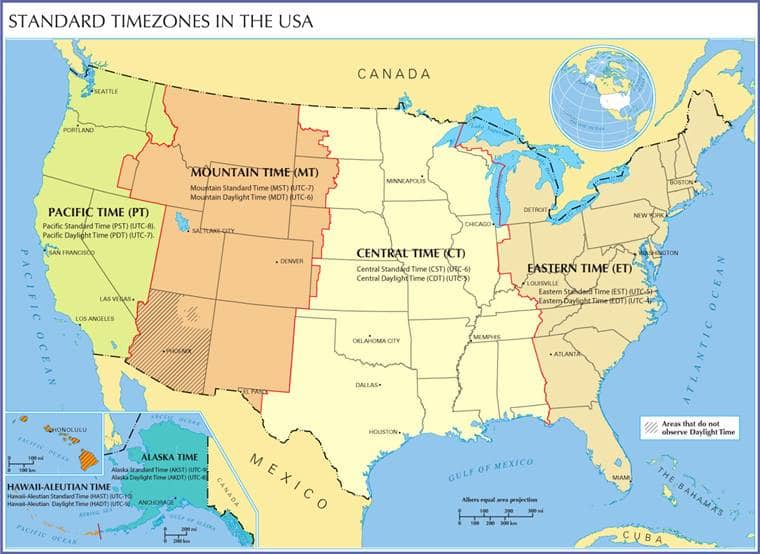
For most of the year, Arizona observes Mountain Standard Time (UTC-7). However, the critical distinction is that when the rest of the United States “springs forward” for Daylight Saving Time in March, Arizona largely stays put. This means that from approximately early March to early November, Arizona operates on the same time as Pacific Daylight Time (PDT), despite geographically being in the Mountain Time Zone. When DST ends in November, Arizona reverts to being one hour ahead of Pacific Standard Time (PST).
The primary reason for this choice is quite simple: intense summer heat. Arizona experiences exceptionally long, hot summer days. Implementing Daylight Saving Time would mean shifting an hour of daylight from the cooler mornings to the already scorching evenings, prolonging the exposure to intense sun when people are typically trying to wind down or enjoy outdoor activities. By sticking to MST, mornings remain relatively cooler for longer, allowing for earlier starts to activities before the midday heat becomes unbearable. This decision dates back to 1968, when the state opted out of the Uniform Time Act, recognizing that “saving daylight” in Arizona would be more of a burden than a benefit. This unique aspect impacts everything from when attractions open and close to the best times for outdoor adventures, shaping the lifestyle and travel rhythms across the state.
The Navajo Nation Exception: An Intra-State Time Shift
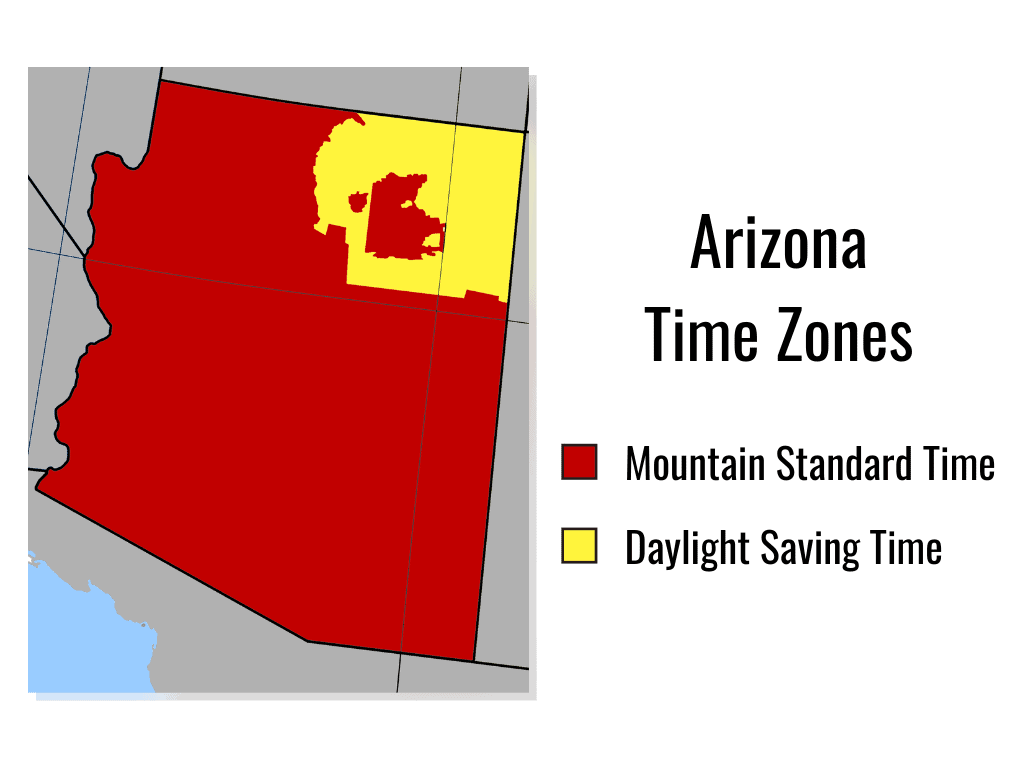
Adding another layer of complexity to Arizona’s time zone landscape is the Navajo Nation. This vast semi-autonomous territory, which extends across northeastern Arizona, northwestern New Mexico, and southeastern Utah, does observe Daylight Saving Time. This means that for about eight months of the year, the Navajo Nation operates on Mountain Daylight Time (MDT), making it one hour ahead of the rest of Arizona proper.
This exception is significant for travelers exploring popular attractions located within or near the Navajo Nation, such as Monument Valley, Antelope Canyon, and the city of Page. For instance, if you’re staying in Flagstaff (on MST) and have a tour booked for Antelope Canyon (on MDT) during DST, you must remember that your tour time will effectively be one hour later than your local Flagstaff time. Miscalculating this can easily lead to missed tours or appointments, highlighting the absolute necessity of double-checking all schedules against the local time of your specific destination within the state.
Navigating Time for Travelers: Planning Your Arizona Adventure
For anyone planning to visit Arizona, understanding the time zone nuances is paramount to a smooth and stress-free trip. From booking flights and accommodations to scheduling tours and dining experiences, every aspect of your itinerary can be influenced.
Impact on Travel Logistics: Flights, Hotels, and Tours
The primary challenge for travelers stems from the fact that most flight schedules, hotel booking systems, and online calendars often default to observing Daylight Saving Time, potentially causing discrepancies when planning a trip to Arizona.
- Flights: When booking flights to Phoenix Sky Harbor International Airport or Tucson International Airport, always confirm departure and arrival times with the understanding that Arizona doesn’t adjust its clocks. If you’re flying from a state that observes DST, your arrival time in Arizona might effectively be one hour earlier than what you initially calculate based on your departure time zone. Conversely, when departing, ensure you’re at the airport at the correct local Arizona time, which might feel like an hour later to you if you’re used to DST.
- Hotels and Accommodation: Hotels and resorts in Arizona, from luxury suites in Scottsdale to charming boutique hotels in Sedona or vacation rentals near the Grand Canyon, will always operate on local Arizona time. This means check-in and check-out times, as well as amenity schedules (like breakfast hours, pool access, or spa appointments), adhere strictly to MST. It’s always wise to double-check these times, especially if you’re arriving from a state that’s currently on DST, to avoid arriving too early or too late.
- Tours and Activities: This is perhaps where time zone awareness becomes most critical. Many popular tours, especially those involving specific entry times like Antelope Canyon or timed passes for the Grand Canyon during peak season, run on tight schedules. If your tour departs from a town within the Navajo Nation, remember that it will follow MDT during DST, meaning it will be an hour ahead of the rest of Arizona. Always confirm the local time zone of your specific tour departure point and account for any potential hour difference. This ensures you’re not left behind and can fully enjoy your planned experiences.
Popular Destinations and Time Considerations
Arizona’s diverse landscape offers countless attractions, each with its own rhythm. Here’s how the time zone affects some key destinations:
- Phoenix and Tucson: As the state’s largest metropolitan areas, Phoenix and Tucson consistently observe MST. This simplifies planning for city-based activities like visiting museums, dining out, or attending events. Just remember that during DST, they will be on the same time as Los Angeles and Las Vegas (PDT), making communication with friends or colleagues in other time zones a bit trickier.
- Grand Canyon National Park: The vast majority of the park, including its popular South Rim and North Rim, operates on Arizona time (MST year-round). This is crucial for booking ranger programs, shuttle services, and timed entry permits. However, if you plan to visit the eastern sections of the park or travel towards the Cameron Trading Post and beyond into the Navajo Nation, be mindful of the potential one-hour jump during DST.
- Sedona and Flagstaff: These popular northern Arizona destinations, known for their stunning red rock landscapes and access to the San Francisco Peaks, also adhere to MST year-round. Hikers and outdoor enthusiasts will find that the non-observance of DST extends cooler mornings, ideal for early trail starts before the sun gets too high.
- The Navajo Nation (e.g., Monument Valley, Page, Antelope Canyon): As mentioned, this area observes DST. If you’re planning a bucket-list visit to Monument Valley, a photoshoot at Antelope Canyon, or a stay in Page (near Lake Powell and Horseshoe Bend), remember to set your watch forward one hour during DST if you’re traveling from other parts of Arizona. This is a frequent source of confusion but easily managed with prior knowledge.
Experiencing Arizona: Time, Culture, and Lifestyle
Beyond mere logistics, Arizona’s time zone also subtly shapes the local lifestyle and the unique rhythm of experiencing its natural wonders. It’s a contributing factor to the relaxed, unhurried pace often associated with the desert southwest.
Beyond the Clock: Enjoying Arizona’s Natural Wonders
The decision to forego Daylight Saving Time profoundly influences how one can best enjoy Arizona’s breathtaking landscapes and outdoor activities. With cooler mornings lasting longer into the clock day during the warmer months, visitors have an extended window to engage in activities before the intense midday heat sets in.
Imagine waking up early in Sedona for a sunrise hike on Boynton Canyon Trail or Cathedral Rock. The “extra” hour of cool morning means you can start your trek at a more comfortable biological time, enjoying the serene desert air and vibrant colors as the sun ascends, rather than feeling rushed by an earlier sunrise. Similarly, exploring the vast expanse of the Sonoran Desert National Monument near Tucson becomes more enjoyable, allowing for longer morning excursions without battling the peak heat.
Evenings, on the other hand, bring slightly earlier sunsets compared to areas observing DST, which can be a boon for stargazers. Imagine the magical experience of watching the sunset over the Grand Canyon, followed by the immediate emergence of countless stars in one of the world’s best dark sky locations. This unique time structure allows for a more natural flow, aligning human activity with the natural rhythms of the desert sun, promoting a relaxed, yet active, travel style. For those seeking a blend of outdoor adventure and tranquility, Arizona’s time zone simply makes sense, shaping a lifestyle that prioritizes comfort and enjoyment of the natural environment.

Accommodation and Time Zone Awareness
The world of accommodation in Arizona is well-versed in its unique time zone. Whether you’re staying in a luxurious five-star resort in Paradise Valley, a family-friendly hotel in Mesa, or a cozy Airbnb in Bisbee, properties are meticulously organized around MST year-round.
This consistent adherence means that guests can generally rely on advertised check-in/check-out times, restaurant hours, and spa appointment schedules as being local Arizona time. However, it’s still good practice to confirm. Especially for international travelers or those arriving from distant time zones, clarifying these times upon booking or arrival can prevent minor mishaps. For instance, if you’ve booked a morning tee time at a golf resort in Scottsdale, you can be confident that the 7:00 AM start will be 7:00 AM Arizona time, allowing you to plan your morning routine accordingly.
Some accommodations, particularly those catering to business travelers or international guests, might even offer subtle reminders about the time zone difference with other major cities during certain parts of the year. This attention to detail is part of the hospitality experience in Arizona, designed to ensure your stay is as comfortable and seamless as possible, free from any time-related confusion. Whether you’re comparing hotel reviews or looking for the best deals, remember that booking platforms usually adjust, but a quick check upon arrival is always a smart move.
Practical Tips for a Seamless Arizona Trip
Ensuring your trip to Arizona is smooth and enjoyable despite its time zone peculiarities is straightforward with a few key strategies. Preparing in advance can eliminate potential confusion and allow you to fully immerse yourself in the state’s wonders.
Essential Planning Tools and Communication
The digital age has made navigating time zones significantly easier, but a proactive approach is still best when traveling to Arizona.
- Utilize Your Smartphone: Most modern smartphones automatically adjust to the local time zone based on your location. Ensure your phone’s time settings are set to “automatic” or “network-provided time” to always display the correct local time in Arizona. However, be vigilant when traveling near the borders of the Navajo Nation or adjacent states like Nevada or Utah, as your phone might sometimes pick up a signal from a different time zone.
- Confirm All Bookings: When reserving flights, accommodations, rental cars, or especially timed tours, explicitly confirm the time zone for the listed schedules. A quick call or email to the service provider can clarify any ambiguity. For example, if booking a rafting trip on the Colorado River that departs from Page (within the Navajo Nation), confirm if the listed departure time is Arizona time (MST) or Navajo Nation time (MDT during DST).
- Calendar Reminders: When adding events to your personal calendar, consider noting the time zone for each entry, especially for critical appointments. For example, “Grand Canyon Sunset Tour – 6:30 PM AZ Time.” This small detail can prevent significant headaches.
- Ask Locals: Don’t hesitate to ask hotel staff, tour guides, or even friendly locals for clarification. Arizonans are accustomed to their unique time situation and are usually happy to help visitors understand it. This local knowledge can be invaluable for real-time adjustments.
Embracing the Arizona Pace
Ultimately, a significant part of enjoying Arizona involves embracing its distinctive pace and unique relationship with time. Rather than seeing it as a complication, view it as an integral part of the Arizona experience.
- Adjust and Relax: Allow yourself a bit of flexibility, especially during the first day or two. The non-observance of DST can feel like a bonus hour of morning light or an earlier sunset, depending on your origin. Use this to your advantage. Enjoy longer breakfasts, earlier hikes before the heat, or an extra hour of stargazing in the evening.
- Plan Around the Sun: Arizona’s climate dictates much of its rhythm. By not observing DST, the state aligns more closely with the natural solar day. Plan your outdoor activities for early mornings or late afternoons to avoid the most intense sun, especially in summer. This alignment with nature is part of the “lifestyle” aspect of Arizona and contributes to a more authentic and comfortable travel experience.
- Flexibility is Key: While planning is crucial, maintaining a degree of flexibility allows for spontaneous adventures. If a beautiful sunset beckons, you’ll know exactly what time it is locally to capture that perfect moment, without the added confusion of a clock change. From the vibrant arts scene in Tucson to the historic charm of Prescott or the desert beauty around Lake Havasu City, Arizona offers a wealth of experiences. Embracing its time zone quirk is just another way to connect more deeply with this remarkable state and ensure your journey is filled with positive memories and smooth transitions.