
The allure of the Sunshine State is undeniable. With its pristine beaches, vibrant culture, and year-round warmth, Florida has long been a sought-after destination for both vacationers and those looking to relocate. From the bustling metropolises like Miami and Orlando to the charming coastal towns, Florida offers a diverse range of lifestyles. However, as with any popular location, understanding the cost of living is crucial for anyone considering a move, a long-term stay, or even an extended vacation. The question on many minds is: “What is the average cost of living in Florida?”
While a definitive single number is elusive due to the vast differences across the state, we can delve into the key components that contribute to the overall cost of living. This exploration will encompass housing, transportation, utilities, food, healthcare, and entertainment, providing a comprehensive overview to help you budget effectively for your Florida adventure or future home. We will also touch upon how different regions within Florida can significantly impact these costs, from the upscale enclaves of Palm Beach to the more affordable inland communities.
Housing: The Largest Slice of the Living Cost Pie
Housing is invariably the most significant expense for most individuals and families, and Florida is no exception. The state’s diverse housing market ranges from luxurious beachfront condos and sprawling Florida villas to more modest apartments and single-family homes. The cost of accommodation can fluctuate dramatically based on location, size, amenities, and whether you’re renting or buying.
Rental Market Dynamics
For those considering a long-term stay or a rental situation, understanding the average rental prices is paramount. In major metropolitan areas like Miami, Fort Lauderdale, and Tampa, rental prices tend to be higher, reflecting the demand and desirability of these urban centers. A one-bedroom apartment in a prime Miami neighborhood could easily range from $2,000 to $3,000 per month, while a similar unit in a less developed area might be closer to $1,500 to $2,000.
Moving to the west coast, cities like St. Petersburg and Clearwater also experience significant rental demand, particularly for those seeking proximity to the Gulf Coast beaches. Here, you might find a one-bedroom apartment averaging between $1,400 and $1,800. Further inland, cities like Orlando, while popular for tourism, can offer slightly more affordable rental options outside the immediate tourist zones. However, the influx of Florida residents and seasonal workers keeps rental prices competitive across many parts of the state.
For families or those seeking more space, the cost of renting a three-bedroom house can escalate quickly. In desirable Florida suburbs or coastal communities, expect to pay anywhere from $2,500 to $4,000 or more per month. These figures are averages, and a thorough search on accommodation booking platforms or by consulting local real estate agents is recommended to pinpoint specific costs in your desired area. Factors such as proximity to the beach, access to public transportation, and the availability of amenities like swimming pools or fitness centers at apartment complexes will all play a role in the final rental price. When comparing options, utilizing hotel and accommodation comparison websites can provide valuable insights into the prevailing rates for various types of stays, from short-term vacation rentals to longer-term apartment leases.
Homeownership Costs
For those looking to purchase property in Florida, the costs involve not only the mortgage but also property taxes, homeowners insurance, and potential Florida Homeowners Association (HOA) fees. Home prices have seen a notable increase in recent years, driven by population growth and demand.
The median home price in Florida can vary significantly. For instance, Miami-Dade County often reports some of the highest median home prices, potentially exceeding $500,000 and reaching well over $700,000 in sought-after areas. In contrast, cities in central Florida or the Panhandle might offer more accessible price points, with median home prices sometimes falling in the $300,000 to $400,000 range.
Property taxes in Florida are generally considered moderate compared to some other states, but they are based on the assessed value of your property. Homeowners insurance is another critical consideration, especially in coastal areas prone to hurricanes. Premiums can be substantial, and it’s crucial to factor these costs into your overall housing budget. Similarly, if you purchase a property within a community governed by an HOA, monthly or annual fees will apply, covering maintenance of common areas, amenities, and sometimes services like landscaping and trash removal. These fees can range from under $100 to several hundred dollars per month, depending on the community’s offerings and exclusivity.
Beyond Housing: Daily Expenses in the Sunshine State
While housing is the dominant factor, a realistic cost of living assessment must include other essential daily expenses. These can range from the mundane to the enjoyable, all contributing to your monthly outlay in Florida.
Utilities: Keeping Your Florida Home Comfortable
The cost of utilities in Florida is influenced by several factors, primarily the climate. Air conditioning is a necessity for a significant portion of the year, leading to higher electricity bills. Depending on usage, the size of your home, and the efficiency of your appliances, monthly electricity costs can range from $150 to $300 or more, especially during the peak summer months.
Other utilities like water, sewer, and trash collection are generally more affordable. A monthly bill for these services might range from $50 to $100. Internet and cable TV packages vary widely based on service provider and desired speed or channels, but a typical bundle could cost between $70 and $150 per month. Natural gas is less common in many parts of Florida compared to other states, as electric is the primary source for heating and cooking.
Food and Groceries: Fueling Your Florida Lifestyle
The cost of food and groceries in Florida is generally in line with the national average, though it can be influenced by regional availability and local taxes. Eating out frequently, especially in tourist hotspots or upscale dining establishments, can quickly inflate your food budget.
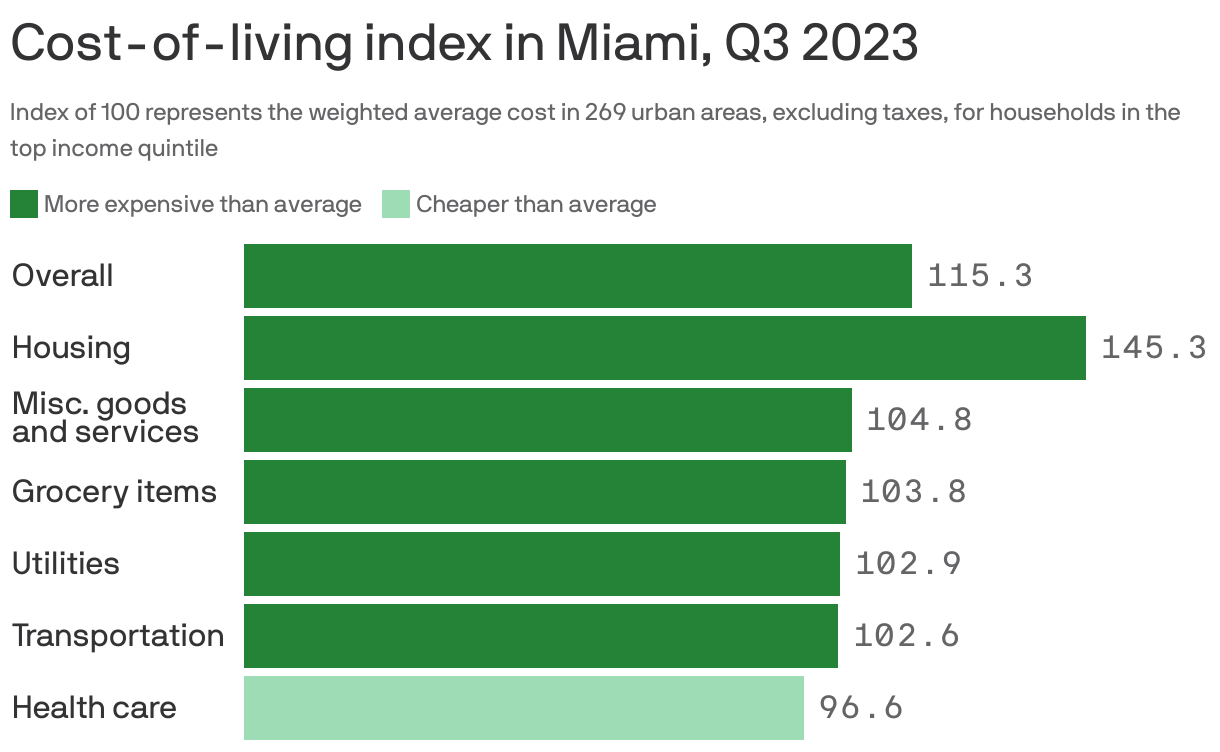
A family of four might spend between $800 and $1,200 per month on groceries, depending on their dietary choices and shopping habits. Shopping at local farmers’ markets can sometimes offer fresh produce at competitive prices, and exploring different grocery chains can help identify cost-saving opportunities. When dining out, a casual meal for two could cost $40-$70, while a more elaborate dinner at a mid-range restaurant might be $80-$150 or more. For those indulging in luxury travel or seeking gourmet experiences, the cost of food can be substantially higher, reflecting the quality of ingredients and the dining ambiance.
Transportation: Getting Around the Sunshine State
Florida is a car-dependent state, and owning a vehicle is often a necessity, particularly outside of major urban centers with robust public transportation systems. The cost of car ownership includes car payments (if applicable), insurance, fuel, and maintenance.
Car insurance rates in Florida can be higher than the national average due to factors like increased traffic, weather-related claims, and personal injury protection (PIP) laws, although Florida has recently moved away from mandatory PIP. Expect to pay anywhere from $150 to $300 per month for comprehensive car insurance, depending on your driving record, the vehicle you drive, and your coverage levels.
Fuel prices fluctuate, but Florida generally sees prices similar to the national average. The cost of regular maintenance, such as oil changes and tire rotations, should also be factored in. For those living in cities like Miami or Orlando, public transportation options like buses and light rail can offer a more budget-friendly alternative to owning a car, although their reach and convenience can vary. Ride-sharing services are also widely available.
Healthcare: A Vital Consideration
Healthcare costs are a significant component of the cost of living everywhere, and Florida is no exception. The average cost of health insurance premiums and out-of-pocket expenses can vary greatly depending on your age, health status, the type of insurance plan you have, and whether your employer provides coverage.
For individuals purchasing their own health insurance, monthly premiums can range from $400 to $800 or more for a decent plan. Doctor’s visits, specialist appointments, prescription medications, and emergency care all contribute to out-of-pocket expenses. It’s crucial to research healthcare providers and understand your insurance network to manage these costs effectively.
Lifestyle and Entertainment: Enjoying Florida’s Offerings
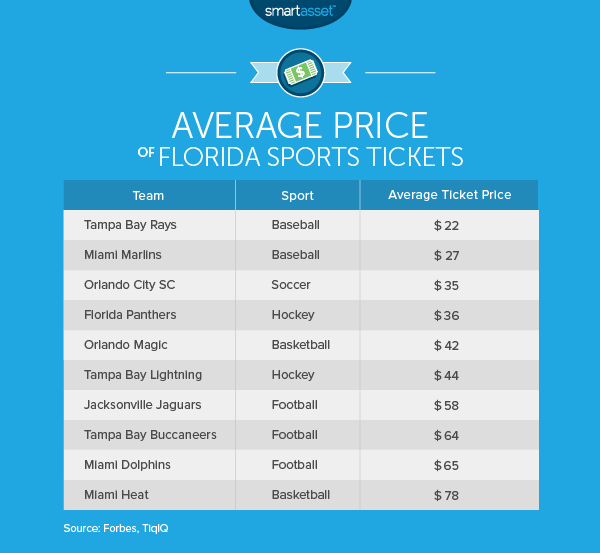
Florida boasts an extensive array of attractions and activities, from world-renowned theme parks like Walt Disney World Resort and Universal Orlando Resort to beautiful beaches, vibrant nightlife, and cultural landmarks. The cost of entertainment is highly discretionary and can significantly impact your overall spending.
Attractions and Activities
Visiting Florida‘s theme parks can be a substantial expense. A multi-day ticket to Walt Disney World Resort can cost several hundred dollars per person, and similar pricing applies to other major attractions. However, Florida also offers numerous free or low-cost activities, such as exploring state parks, enjoying public beaches, visiting free museums on certain days, and attending local festivals.
For those who enjoy a lively lifestyle, the dining and nightlife scenes in cities like Miami and Fort Lauderdale offer a wide range of options, from casual bars to exclusive clubs. A night out can range from $50 to several hundred dollars, depending on your choices.
Luxury vs. Budget Travel and Stays
The lifestyle you adopt in Florida will directly influence your cost of living. Luxury travel and high-end accommodations, such as staying at a luxury resort like the Ritz-Carlton Naples or dining at Michelin-starred restaurants, will naturally lead to higher expenses. Conversely, budget travel and a more frugal lifestyle can make Florida considerably more affordable.
Opting for vacation apartments or villas instead of hotels, cooking more meals at home, utilizing public transportation, and seeking out free or low-cost entertainment are all effective strategies for managing expenses. Many of the state’s most beautiful natural landmarks, like the Everglades National Park or the tranquil springs, can be enjoyed with minimal cost, offering incredible experiences for nature lovers.
Regional Variations: Not All of Florida is Created Equal
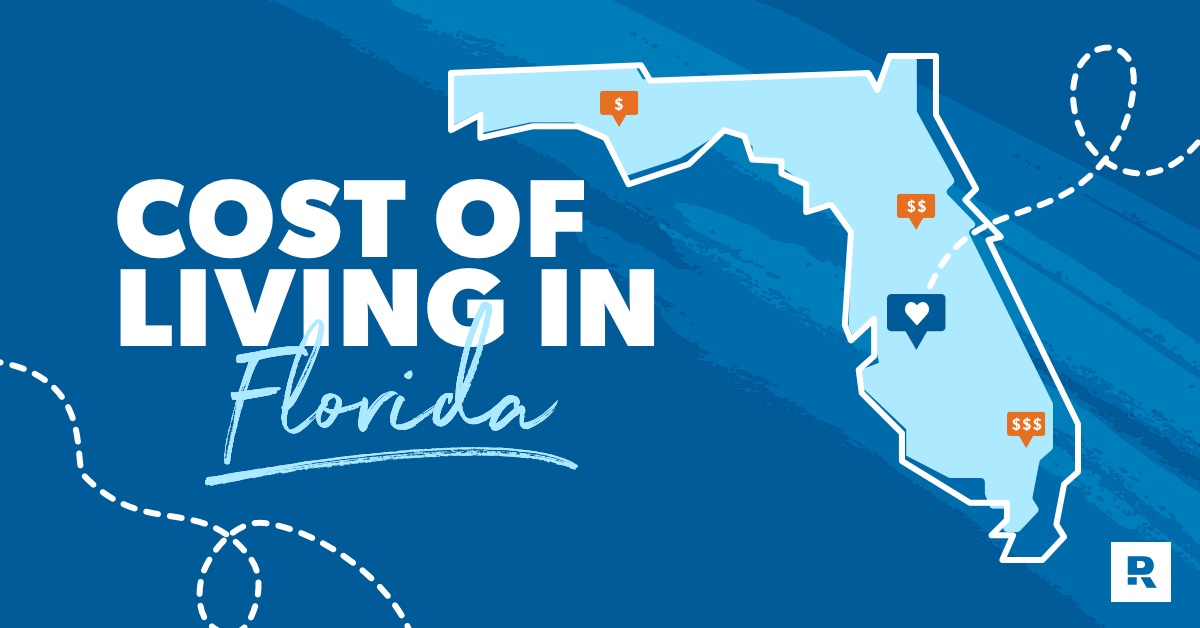
It’s impossible to discuss the cost of living in Florida without acknowledging the significant regional disparities. The cost of living in South Florida, particularly in areas like Miami-Dade, Broward, and Palm Beach counties, is generally higher than in other parts of the state. This is driven by higher housing prices, increased demand, and a more robust luxury market.
Central Florida, including the Orlando metropolitan area, experiences a cost of living that is a mix of tourist-driven prices and more affordable residential options. West Coast cities like Tampa, St. Petersburg, and Clearwater offer a slightly more moderate cost of living compared to South Florida, though they remain popular and can be pricey, especially in coastal communities.
The Panhandle region, encompassing cities like Pensacola and Tallahassee, and the northern parts of Florida often present more affordable housing options and a lower overall cost of living. These areas can be ideal for those seeking a quieter lifestyle and a more budget-friendly environment, while still offering access to beautiful natural landscapes and a growing cultural scene.
In conclusion, the average cost of living in Florida is a complex equation influenced by numerous variables. While a broad range exists, understanding these individual components – housing, utilities, food, transportation, healthcare, and entertainment – and considering the specific region you are interested in will provide a much clearer picture. Whether you’re planning a dream vacation, a short-term escape, or a permanent relocation to the Sunshine State, informed budgeting is key to enjoying all that Florida has to offer without breaking the bank.