
Florida, the Sunshine State, is a dream destination for many, attracting millions of tourists annually with its sun-drenched beaches, world-class theme parks, vibrant cities, and diverse natural landscapes. From the bustling metropolises of Miami and Orlando to the tranquil beauty of the Everglades and the charming historic streets of St. Augustine, there’s an undeniable allure to life and travel in Florida. But beyond the vacation brochures and postcard-perfect scenery, many prospective residents and even current inhabitants ponder a crucial question: What is the average salary in Florida? Understanding the economic landscape is just as vital as knowing the best times to visit Disney World or the ideal beachfront resorts in Clearwater. This exploration delves into the financial heartbeat of the state, offering insights that can inform lifestyle choices, travel budgets, and career aspirations within this dynamic region.

Florida’s Economic Landscape: A Multi-Faceted Perspective
To accurately gauge the average salary in Florida, it’s essential to appreciate the state’s diverse economic drivers. Unlike some regions heavily reliant on a single industry, Florida boasts a robust and varied economy. Tourism, of course, is a colossal contributor, encompassing everything from the hospitality sector – hotels, resorts, and vacation rentals – to the entertainment and attractions industry. Beyond leisure, Florida is a significant player in aerospace, defense, healthcare, technology, agriculture, and international trade, particularly through its major ports.
The sheer scale of Florida‘s population and its status as a popular retirement haven also influence its economic figures. With a burgeoning population and a constant influx of new residents, the demand for services and goods is consistently high. This economic dynamism, however, can lead to significant salary variations across different sectors, geographical locations within the state, and individual experience levels. Therefore, when we discuss the “average salary,” it’s important to recognize that this is a statistical representation that smooths over a wide spectrum of earnings.
Factors Influencing Salary Averages
Several key factors contribute to the salary landscape in Florida. Understanding these elements provides a more nuanced picture than a single, overarching average.
Industry Variations
The dominant industries in Florida dictate the earning potential for their respective workforces. For instance, high-growth sectors like technology and healthcare often offer more competitive salaries than some segments of the retail or service industries, though the latter are crucial to the state’s tourism economy. The presence of major corporations, research institutions, and specialized manufacturing facilities in areas like Tampa Bay and Orlando can also create pockets of higher-paying jobs. Conversely, areas heavily dependent on seasonal tourism might see lower average wages, especially in entry-level positions.
Geographic Location
Salaries can differ significantly from one Florida city or region to another. Major metropolitan areas and economic hubs tend to have higher average salaries due to increased demand for skilled labor, a higher cost of living, and a greater concentration of high-paying industries. For example, cities like Miami, Fort Lauderdale, and Tampa typically report higher average incomes compared to smaller towns or more rural areas. This disparity is also reflected in the cost of accommodation, with housing prices in popular coastal cities often being substantially higher.
Experience and Education
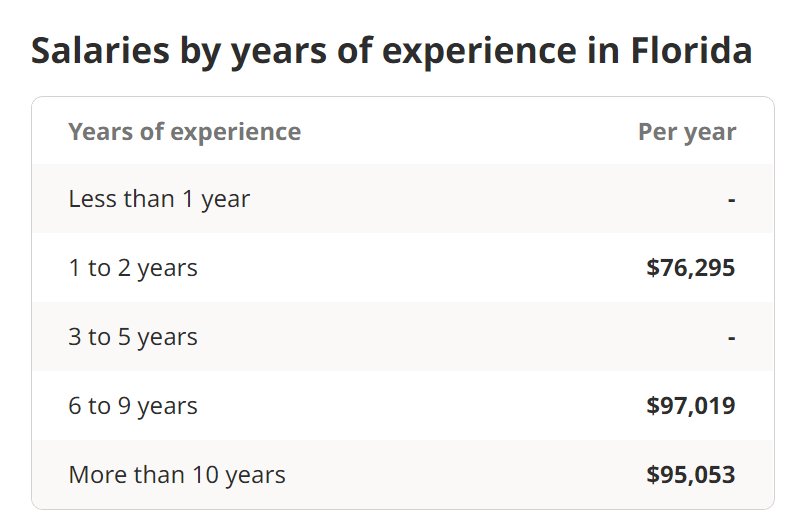
As with most places, an individual’s level of experience and educational attainment play a pivotal role in their earning potential in Florida. Professionals with advanced degrees, specialized skills, and years of experience in demand fields will command higher salaries than those just entering the workforce or possessing general skills. The state’s growing university system and technical colleges are vital in providing the skilled workforce needed to fill these roles.
Cost of Living
It’s crucial to consider the cost of living when interpreting salary averages. While Florida might have a lower average salary than some highly expensive states like California or New York, its cost of living can also be more affordable in many areas. However, popular tourist destinations and desirable coastal communities often have a higher cost of living, particularly for housing. This means that a seemingly lower salary in Florida might offer comparable or even better purchasing power than a higher salary in a more expensive state.
Exploring Salary Data for Florida
To provide concrete figures, let’s examine general salary data relevant to Florida. While exact figures can fluctuate based on the source and the specific methodology used for calculation (e.g., median vs. average, inclusion of all jobs vs. full-time positions), common reports offer a good indication.
According to various economic surveys and data aggregators, the average annual salary in Florida typically hovers in the range of $50,000 to $60,000. It’s important to note that this is a broad average and can be influenced by numerous factors. The median salary, which represents the midpoint where half of individuals earn more and half earn less, often provides a more representative picture of typical earnings for a large portion of the population. The median salary in Florida has also been observed to be in a similar range, perhaps slightly lower than the average, reflecting the distribution of incomes across the state.
Key Salary Benchmarks and Comparisons

To contextualize these figures, it’s helpful to look at some specific salary benchmarks within Florida and compare them to national averages.
Top Earning Industries and Occupations
Certain industries in Florida consistently offer higher compensation. The healthcare sector, for instance, with its numerous hospitals and specialized clinics, provides well-paying roles for doctors, nurses, and allied health professionals. The technology sector is also experiencing growth, creating demand for software developers, data scientists, and cybersecurity experts, who typically earn above-average salaries. Furthermore, management and executive positions across all industries are inherently high-paying.
- Healthcare Professionals: Doctors, surgeons, and specialized medical practitioners often earn well into six figures. Registered nurses, while varying by experience and location, typically earn competitive salaries.
- Technology Sector: Software engineers, IT managers, and cybersecurity analysts can expect salaries significantly above the state average.
- Management and Executive Roles: Positions such as CEOs, CFOs, and senior managers across various industries represent the highest earners.
- Finance and Legal Services: Professionals in banking, investment, and law also tend to command high salaries.
Lower Earning Sectors and Their Significance
On the other end of the spectrum, sectors that are vital to Florida‘s economy, particularly tourism and hospitality, often feature a higher proportion of entry-level and service-oriented jobs that come with lower average wages. This includes roles in hotels, restaurants, theme park operations, and retail. While these jobs may not offer the highest individual salaries, they provide essential employment opportunities for a vast number of residents and are fundamental to the state’s economic vibrancy and its appeal as a destination. The economic health of these sectors directly impacts the lives of many Floridians.
Impact of Major Cities vs. Rural Areas
The salary gap between major metropolitan areas and rural parts of Florida is substantial. Cities like Orlando, Jacksonville, Tampa, and Miami concentrate a larger number of businesses, corporations, and specialized services, leading to higher average salaries. For example, a marketing manager in Miami might earn considerably more than a similar role in a smaller city like Gainesville or in the more rural parts of North Florida. This is often mirrored by a higher cost of living in these urban centers, especially for accommodation and amenities.
Making Informed Decisions: Salary, Lifestyle, and Travel in Florida
Understanding the average salary in Florida is not just an academic exercise; it has profound implications for how individuals choose to live, work, and even travel within the state. Whether you are considering a permanent move, planning an extended stay, or simply looking to manage your travel budget effectively, this financial context is indispensable.
Financial Planning for Residents
For Floridians, knowing the average salary can help in setting realistic financial goals, understanding borrowing capacities, and planning for the future. It can influence decisions about where to live within the state, the type of housing to seek – whether a luxury suite in South Beach or a more budget-friendly apartment in a less tourist-centric area – and how to allocate income towards savings, investments, or discretionary spending like travel and leisure activities. The affordability of living in different Florida cities is a direct consequence of the interplay between average salaries and the cost of goods and services, including the cost of staying in various types of accommodation.
Budgeting for Travelers
For tourists, understanding salary benchmarks, even indirectly, can offer perspective on the local economy and pricing. While a tourist’s spending power is primarily dictated by their home country’s economic conditions, being aware of local wage levels can subtly inform perceptions of value and service. For example, the cost of a meal at a fine-dining restaurant in Naples or a day pass to Universal’s Islands of Adventure might be viewed differently when considering the average earnings of the staff who make these experiences possible. This awareness can enhance appreciation for the services and experiences Florida offers.
Career Opportunities and Relocation
Prospective residents considering a move to Florida for career opportunities should research salary expectations within their specific field and in their desired locations. Websites like Glassdoor, Indeed, and the U.S. Bureau of Labor Statistics provide more granular data on salaries for specific job titles in various Florida cities. This research is crucial for negotiating offers and ensuring that a potential move aligns with financial aspirations. The state’s economic growth in areas like technology in Orlando and healthcare in Tampa presents numerous opportunities for skilled professionals.
The Role of Lifestyle and Leisure Spending
Florida is synonymous with leisure and lifestyle. From luxury resorts in the Florida Keys to family-friendly villas near theme parks, the state caters to a wide range of preferences and budgets. Understanding your earning potential within Florida’s economic framework directly impacts your ability to enjoy these lifestyle offerings. Whether you are planning a budget-friendly road trip exploring the natural beauty of Florida State Parks or indulging in a luxurious beachfront stay at a resort like the Ritz-Carlton, Amelia Island, your personal financial situation, influenced by the prevailing salary landscape, will be a key determinant.
In conclusion, while the average salary in Florida provides a statistical benchmark, it is the interplay of industry, location, experience, and cost of living that truly defines the economic reality for residents and influences the visitor experience. Florida remains a compelling place to live and visit, offering a unique blend of economic opportunity and unparalleled lifestyle experiences.