
Texas, the Lone Star State, conjures images of vast landscapes, booming cities, and a distinct cultural identity. For many, it represents a land of opportunity, attracting individuals and families seeking new horizons, robust job markets, and a unique lifestyle. But what does “opportunity” truly mean in financial terms? Understanding the average salary in Texas isn’t just a matter of economic data; it’s a window into the cost of living, the quality of life, and the potential for travel, leisure, and comfortable accommodation within this dynamic state.
This guide delves into the financial landscape of Texas, exploring how average earnings shape the daily lives, travel habits, and lifestyle choices of its residents. Whether you’re considering a move, planning a long-term stay, or simply curious about the economic pulse of this vibrant region, understanding the interplay between income and lifestyle is paramount.
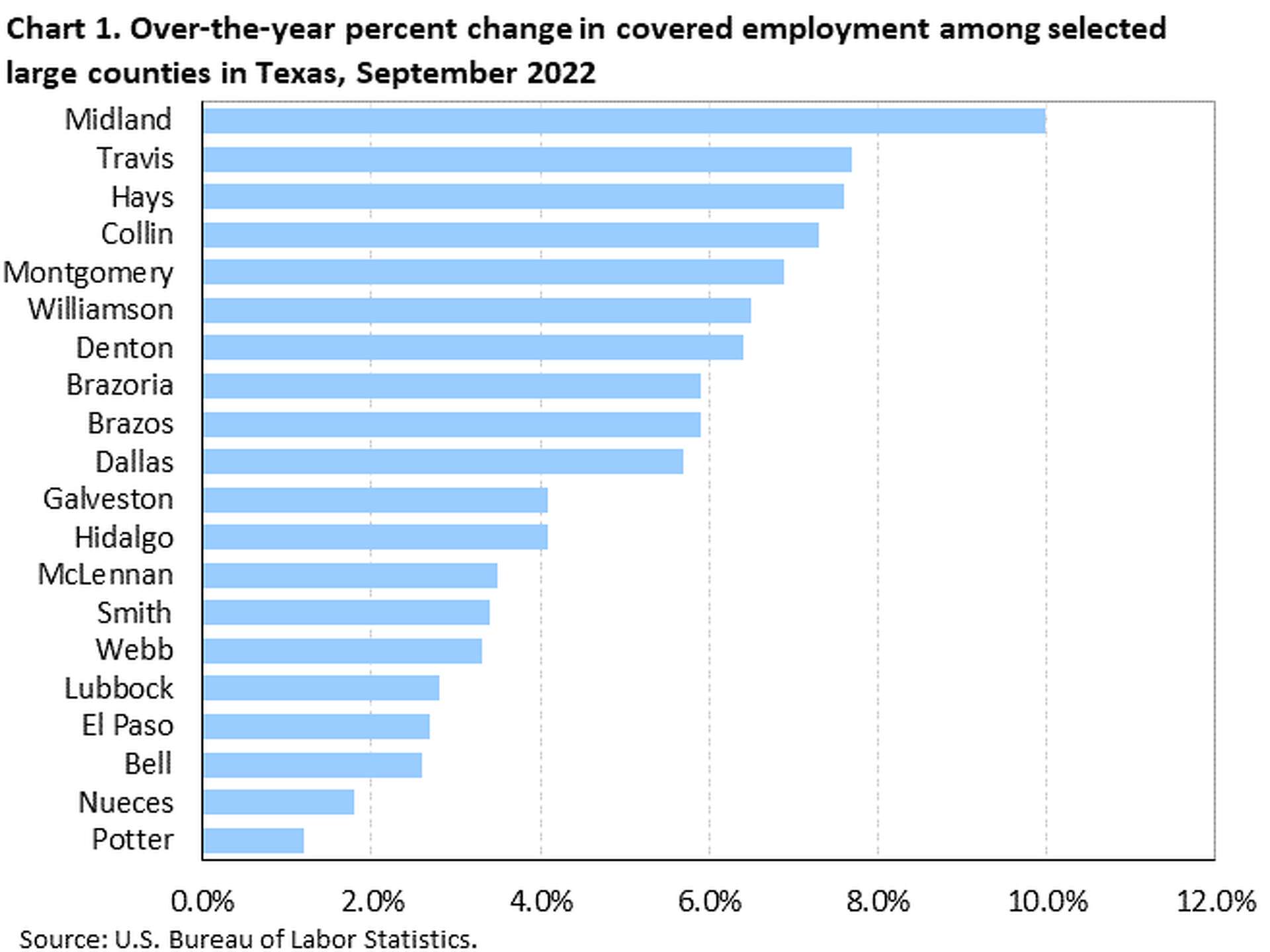
Understanding Texas’ Economic Landscape and Average Earnings
Texas’ economy is a powerhouse, known for its diversity and resilience. From the oil fields to the burgeoning tech hubs, the state offers a wide array of career paths, each with its own salary potential. This economic vibrancy directly influences the average earnings, which in turn dictate the lifestyle and travel opportunities available to its residents.
The Current Financial Pulse of the Lone Star State
According to the U.S. Bureau of Labor Statistics, the mean annual wage for all occupations in Texas typically hovers in the range of $58,000 to $65,000, depending on the most recent data set. This figure represents an average across all industries and experience levels, providing a benchmark rather than an absolute for any single individual. The median wage, which indicates that half of workers earn more and half earn less, often sits slightly lower, suggesting a significant number of entry-level or lower-paying positions balancing out higher salaries.
It’s crucial to remember that “average” can be a deceptive term. A newly graduated professional entering the workforce might start well below this figure, while an experienced engineer or a senior executive could earn significantly more. The state’s booming population growth, coupled with a generally favorable business environment, contributes to a competitive yet opportunity-rich job market, pushing salaries upward in many sectors.
Key Factors Influencing Wages Across Texas
Several factors contribute to the wide variation in individual earnings across Texas:
- Industry Sector: As we’ll discuss, some industries naturally command higher salaries due to specialized skills or high demand.
- Geographic Location: Salaries often differ significantly between major metropolitan areas and smaller towns. Urban centers like Dallas, Houston, and Austin generally offer higher wages to offset a higher cost of living.
- Education and Experience: Higher levels of education (e.g., bachelor’s, master’s, or doctoral degrees) and extensive professional experience are consistently linked to increased earning potential.
- Company Size and Type: Large corporations, particularly those in high-tech or finance, often offer more competitive salaries and benefits packages than smaller businesses or startups.
- Demand for Skills: Professions with high demand and a limited supply of qualified workers, such as certain tech roles or specialized healthcare positions, tend to offer more attractive compensation.
Major Industries Driving Texas’ Economy
The diverse economic tapestry of Texas is supported by several powerhouse industries:
- Energy (Oil & Gas): Historically, Texas has been synonymous with oil and gas. While fluctuations occur, this sector continues to be a major employer, particularly in Houston and western Texas, offering competitive salaries for engineers, geologists, and field workers.
- Technology: Austin, often dubbed “Silicon Hills,” has emerged as a major tech hub, attracting giants and startups alike. This sector offers some of the highest salaries in the state for software developers, data scientists, and IT professionals. Dallas and Houston also boast significant tech presences.
- Healthcare: With a growing population, the demand for healthcare services is consistently high across the state. Major medical centers, especially in Houston’s vast Medical Center complex, employ a huge workforce, from doctors and nurses to administrative staff, often with robust compensation.
- Manufacturing: From aerospace to semiconductors, manufacturing remains a vital part of the Texas economy, employing a skilled workforce in various roles.
- Finance: Dallas and Houston serve as significant financial centers, hosting numerous banks, investment firms, and corporate headquarters that offer lucrative opportunities in finance and accounting.
- Trade and Logistics: Given its central location and extensive infrastructure, Texas is a hub for trade, transportation, and logistics, impacting salaries for supply chain managers, truck drivers, and warehouse staff.
These industries not only provide substantial employment but also generate wealth that supports the local economies, influencing everything from the availability of luxury hotels to the vibrancy of local tourism.
Navigating the Cost of Living in Texas Cities
While understanding the average salary is a crucial first step, its true value is only revealed when compared against the cost of living. Texas is known for its generally lower cost of living compared to coastal states, but this can vary dramatically depending on where you choose to reside.
Urban vs. Rural: Where Your Dollar Stretches Further
The adage “everything’s bigger in Texas” extends to the diversity in living costs.
- Major Metros (Austin, Dallas, Houston): These cities, while offering higher salaries and more job opportunities, also come with a higher price tag. Housing, in particular, can be significantly more expensive. Austin consistently ranks among the most expensive cities in Texas due to its booming tech industry and high demand for housing. Dallas and Houston follow closely.
- Mid-Sized Cities (San Antonio, Fort Worth): Often considered more affordable alternatives to the largest cities, these still offer a robust urban experience with a slightly gentler impact on the wallet. San Antonio, for instance, provides a rich cultural experience and growing job market at a more accessible cost.
- Rural Areas and Smaller Towns: Moving away from the major urban centers typically means a much lower cost of living, especially for housing. However, job opportunities might be fewer and salaries generally lower, requiring a careful balance between earnings and expenses.
Housing: A Significant Piece of the Financial Puzzle

Housing is almost always the single largest expenditure for individuals and families, and Texas is no exception.
- Rent vs. Mortgage: An average salary in Texas can afford a comfortable rental apartment in most cities, though luxury apartments or those in prime locations might be a stretch without a higher income or dual-income household. For homeownership, the average salary provides a solid foundation, especially when factoring in the state’s lack of a personal income tax. However, fierce competition and rising home values, particularly in the DFW Metroplex and Austin, can make purchasing a home challenging for those at the lower end of the average salary spectrum.
- Accommodation for Travelers and Newcomers: For those exploring relocation or extended stays, understanding the local accommodation market is key. Options range from budget-friendly hotels and long-term stay apartments to upscale resorts like a Marriott or a Hilton property. Platforms like Airbnb and VRBO also offer diverse choices, from private rooms to entire homes, catering to various budget requirements and stay durations. The average salary can certainly afford comfortable temporary accommodation while exploring permanent housing options.
Transportation, Food, and Lifestyle Expenses
Beyond housing, other significant costs impact the average Texan’s budget:
- Transportation: Texas is a car-centric state, and owning a vehicle is almost a necessity for most. Fuel costs, insurance, and maintenance are regular expenses. Public transportation options exist in major cities but are not as extensive as in some older, denser cities in other states.
- Food: Groceries are generally comparable to the national average, though farm-to-table options and local markets can offer both savings and unique culinary experiences. Dining out, from casual BBQ joints to fine dining restaurants, is a popular activity, with costs varying widely by city and establishment.
- Utilities: Air conditioning is a non-negotiable expense for much of the year, contributing to higher electricity bills during summer months.
- Taxes: While Texas boasts no state income tax, property taxes are relatively high to compensate. Sales tax also applies to most goods and services. This means that while your paycheck might appear larger upfront, these other taxes will impact your disposable income.
Lifestyle and Leisure: What an Average Texas Salary Can Afford
The average salary in Texas is not just about covering expenses; it’s about affording a quality of life that includes leisure, travel, and cultural experiences. The state’s vastness and diversity mean there’s something for everyone, regardless of their exact income bracket.
Exploring Texas: Travel and Attractions on an Average Budget
For residents earning an average Texas salary, domestic travel within the state is highly accessible and enjoyable.
- Historical and Cultural Immersion: A weekend trip to San Antonio to explore the historic Alamo and stroll along the famous River Walk is well within reach. In Dallas, visiting the Sixth Floor Museum at Dealey Plaza offers a poignant historical experience.
- Science and Innovation: In Houston, spending a day at the NASA Johnson Space Center is an inspiring and educational outing that won’t break the bank.
- Nature and Outdoors: The diverse natural landscapes of Texas offer endless opportunities. A road trip to Big Bend National Park in West Texas provides breathtaking desert scenery and hiking. For beach lovers, the warm waters of the Gulf Coast, particularly destinations like South Padre Island, are perfect for weekend getaways. The scenic Texas Hill Country with its wineries (e.g., near Fredericksburg) and picturesque towns is also highly accessible.
- Family Trips and Experiences: The average salary allows for family-friendly excursions to theme parks, zoos, and state parks throughout Texas. Many cities also offer free or low-cost attractions like public gardens, art walks, and community events.
Dining, Entertainment, and Local Experiences
Texas is a foodie’s paradise, famous for its BBQ, Tex-Mex, and a rapidly evolving culinary scene.
- Dining Out: An average salary supports regular dining experiences, from casual eateries to mid-range restaurants. While luxury dining might be reserved for special occasions, the sheer variety of delicious and affordable options means you can always enjoy the local flavors.
- Entertainment: Catching a live music show in Austin, the self-proclaimed “Live Music Capital of the World,” attending a rodeo, or cheering on a professional sports team in Dallas, Houston, or San Antonio are all within reach. Many cities host vibrant festivals and events year-round, offering rich cultural experiences at various price points.
- Shopping: From expansive malls to charming boutiques in historic downtowns, shopping opportunities abound. The average salary allows for discretionary spending on personal interests and hobbies.
Accommodation Choices for Every Income Level
Whether you’re traveling for leisure or considering a long-term relocation, Texas offers a spectrum of accommodation options.
- Budget Travel: For those on a tighter budget, numerous motels, guesthouses, and independent hotels offer clean, comfortable stays. Hostels are also becoming more prevalent in major cities.
- Mid-Range Comfort: The average salary comfortably supports stays in mid-tier hotel chains or well-appointed vacation rentals. These often provide a good balance of amenities, location, and value, perfect for family trips or business stays.
- Luxury Experiences: While daily stays at five-star resorts might be more of an indulgence, the average salary can certainly allow for occasional luxury travel experiences, perhaps for a special anniversary or a celebratory weekend. Texas boasts an impressive collection of luxury resorts, from urban high-rises in Dallas and Houston to serene retreats in the Hill Country or along the Gulf Coast. For long-term stays, individuals with an average salary can often find comfortable serviced apartments or negotiate better rates for extended hotel bookings.
Career Opportunities and Relocation Appeal in Texas
Beyond the immediate financial figures, the broader appeal of Texas lies in its long-term career prospects and quality of life. The state continues to be a magnet for individuals seeking growth and a lifestyle that balances work and leisure.
High-Growth Sectors and Emerging Job Markets
The economic diversification of Texas means that job opportunities are constantly evolving.
- Tech Boom: The continued expansion of technology companies, particularly in Austin and the DFW Metroplex, ensures a steady demand for skilled tech professionals.
- Renewable Energy: Texas is also a leader in wind energy and is growing its solar capacity, creating jobs in engineering, manufacturing, and maintenance within the renewable sector.
- Healthcare Innovation: The state’s large university and medical systems continue to drive innovation in healthcare, leading to a consistent need for professionals in research, patient care, and medical technology.
- Advanced Manufacturing: From aerospace in Houston to semiconductors in the DFW Metroplex, advanced manufacturing offers stable, well-paying jobs.
These sectors, combined with the traditional strengths, ensure that individuals with an average Texas salary can often find pathways to career advancement and increased earning potential over time.
Is Texas the Right Move for Your Career and Lifestyle?
For many, the balance of a competitive job market, a generally lower cost of living (especially compared to other major U.S. states), and a vibrant culture makes Texas an attractive place to live and work. The absence of state income tax is a significant financial draw, allowing residents to retain more of their gross earnings.
- Business Stays: For professionals, Texas’ major cities are frequently destinations for business. The average salary comfortably supports business travel, including stays at reputable hotels, access to coworking spaces, and professional networking opportunities.
- Family Focus: With diverse educational institutions, a wide array of family-friendly attractions, and a strong sense of community in many areas, Texas appeals to families. An average salary can provide a comfortable lifestyle for a family, especially when careful budgeting is applied to housing and entertainment.

Long-Term Stays and Community Integration
Relocating to Texas often involves an initial period of discovery, where individuals might opt for long-term stay accommodation before committing to a permanent residence. The thriving tourism industry across the state also means there’s a strong infrastructure for hospitality, making it easier for newcomers to find suitable temporary housing. Integrating into the local culture is also a significant draw. Whether it’s the friendly atmosphere of Fort Worth, the dynamic energy of Dallas, the innovative spirit of Austin, or the international flavor of Houston, each city offers a unique community experience. Exploring local food festivals, art markets, and regional landmarks like the historic Southfork Ranch or the Christmas Capital of Texas, Grapevine, allows newcomers to truly embrace the Texan way of life.
In conclusion, while the average salary in Texas provides a solid foundation for a comfortable lifestyle, its true value is amplified by the state’s diverse economy, varied cost of living, and abundant opportunities for leisure and travel. Texas isn’t just a place to earn a living; it’s a destination where a reasonable income can unlock a rich and fulfilling life, complete with memorable experiences, welcoming communities, and endless possibilities for exploration.