
Alaska, a land of immense natural beauty and breathtaking landscapes, is a destination that beckons adventurers and nature enthusiasts from across the globe. Known for its vast wilderness, towering mountains, and abundant wildlife, the Last Frontier offers experiences unlike any other. However, when planning a trip to this magnificent state, one of the most crucial factors to consider is the weather. Understanding the average temperatures in Alaska is paramount to packing appropriately, planning activities, and truly savoring your journey. From the vibrant aurora borealis dancing in the winter sky to the midnight sun illuminating summer adventures, Alaska’s climate dictates its unique appeal.
Alaska’s Diverse Climate: A Tale of Two Worlds
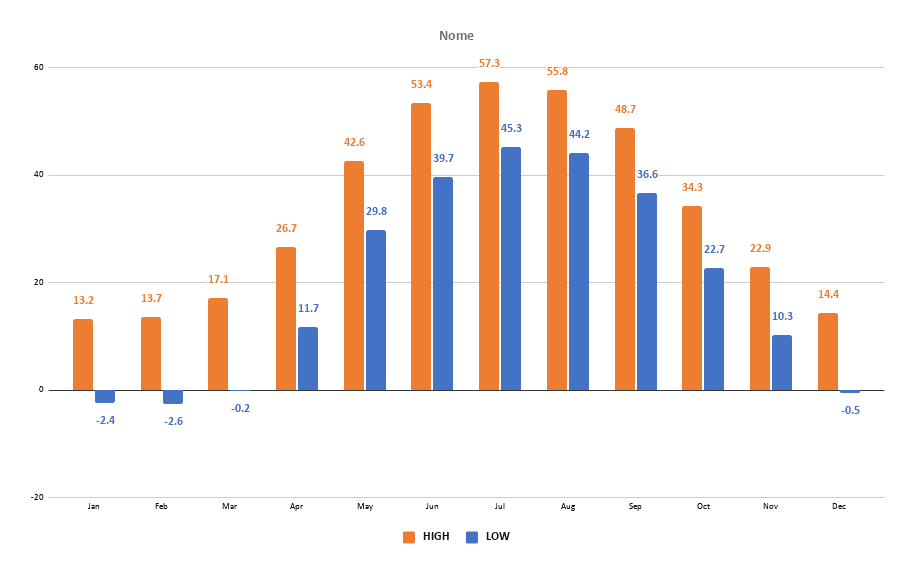
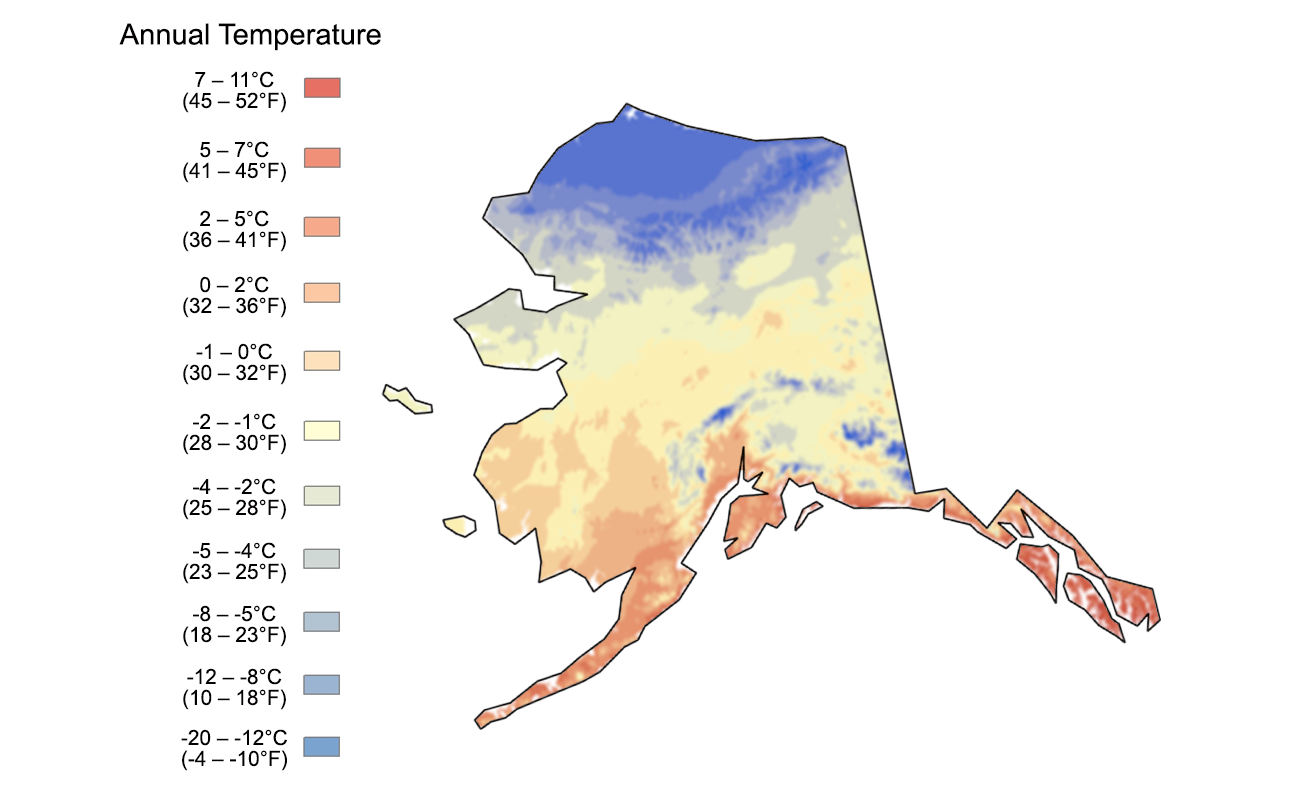
Alaska is a state of extremes, and its climate is no exception. Spanning a colossal landmass, it encompasses a variety of climate zones, each with its distinct temperature patterns and weather phenomena. The sheer size of Alaska means that pinpointing a single “average” temperature is an oversimplification. Instead, it’s more accurate to discuss regional variations and seasonal shifts that define the Alaskan experience. Generally, Alaska can be divided into several major climatic regions: the Panhandle, Southcentral, Interior, and Arctic. Each of these regions experiences vastly different temperature ranges throughout the year, influenced by factors such as latitude, proximity to the ocean, and mountainous terrain.
The Coastal Charm of the Panhandle and Southcentral
The southeastern part of Alaska, known as the Alaska Panhandle, enjoys a more moderate, maritime climate. This region, home to the Inside Passage and cities like Juneau and Ketchikan, is characterized by cooler summers and milder winters compared to the rest of the state. The average summer temperatures here typically range from the low 50s to the mid-60s Fahrenheit (around 10-18°C). Rainfall is abundant, contributing to the lush, temperate rainforests that define this area. Winters in the Panhandle are wet and cool, with average temperatures hovering in the 20s and 30s Fahrenheit (-5 to 4°C). Snowfall is common, especially at higher elevations, but the coastal influence prevents extreme cold from settling in for extended periods.
Moving west to Southcentral Alaska, which includes Anchorage, the state’s largest city, the climate becomes more continental, with greater temperature extremes. Summers in [Anchorage](https://lifeoutولو of the box.com/anchorage) are pleasantly warm, with average highs in the 60s Fahrenheit (15-20°C), and occasionally reaching into the 70s (21-25°C). The days are long, thanks to the midnight sun phenomenon, allowing ample time for exploring attractions like the Chugach State Park. Winters in Southcentral are cold and snowy. Average temperatures in January, the coldest month, hover around 10-20°F (-12 to -7°C), with sub-zero temperatures common. This region receives significant snowfall, making it a prime destination for winter sports enthusiasts. The Kenai Peninsula, a popular tourist destination within Southcentral, shares similar climate patterns, offering stunning coastal scenery and opportunities for wildlife viewing.
The Extreme End: Interior and Arctic Alaska
Further inland lies Interior Alaska, a region dominated by vast boreal forests and characterized by a more severe continental climate. Cities like Fairbanks are nestled within this zone, experiencing the most extreme temperature variations in the state. Summers in the Interior can be surprisingly warm, with average highs in the 70s Fahrenheit (21-25°C) and occasional heatwaves pushing temperatures into the 80s and even 90s (27-37°C). The long daylight hours of summer are a hallmark of this region. However, winters are notoriously harsh. Average January temperatures in Fairbanks can plummet to -10°F to -20°F (-23 to -29°C), with wind chills making it feel even colder. These frigid temperatures are ideal for witnessing the mesmerizing spectacle of the Northern Lights, making it a top destination for aurora chasers.
At the northernmost reaches of the state lies Arctic Alaska, a land of tundra and extreme cold. This region, home to towns like Utqiagvik (formerly Barrow), experiences polar climate conditions. Summers are short and cool, with average temperatures rarely exceeding 40-50°F (4-10°C). The ground may thaw on the surface, but permafrost remains year-round. Winters are long, dark, and frigid. Average temperatures in January can be as low as -20°F to -30°F (-29 to -34°C), and can drop much lower. The Arctic is a realm of perpetual twilight in winter and near-constant daylight in summer. Due to its extreme conditions and remoteness, the Arctic is generally visited by more intrepid travelers seeking unique wildlife encounters and a glimpse into indigenous cultures.
Seasonal Temperature Variations: Planning Your Alaskan Adventure
Alaska’s dramatic seasonal shifts significantly influence the visitor experience, from the types of activities available to the wardrobe essentials. Understanding these seasonal temperature variations is key to planning a successful and enjoyable trip.
Summer: The Season of Long Days and Mild Temperatures
Summer in Alaska, typically from June through August, is the most popular time for tourism. During these months, the state experiences the phenomenon of the midnight sun, where daylight can extend for 18-20 hours a day, especially in the Interior and Arctic regions. This extended daylight allows for maximum exploration of Alaska’s natural wonders, from cruising through the fjords of the Inside Passage to hiking in Denali National Park and Preserve.
Average daytime temperatures during the Alaskan summer are generally pleasant. In the Panhandle and Southcentral regions, expect highs in the 50s and 60s Fahrenheit (10-20°C). The Interior can experience warmer temperatures, often in the 60s and 70s Fahrenheit (15-25°C), with occasional days reaching into the 80s. Evenings can cool down considerably, so layering is always recommended. While generally mild, coastal areas can experience fog and rain, while inland areas might have clearer skies but can also experience temperature fluctuations. Packing light, waterproof layers, comfortable hiking shoes, and insect repellent is essential for a summer trip.
Autumn: A Canvas of Color and Cooling Temperatures
As summer gives way to autumn, Alaska transforms into a breathtaking spectacle of fall foliage. From late August through September, the landscape erupts in vibrant hues of red, orange, and gold. Temperatures begin to cool significantly across the state. In Southcentral and the Panhandle, average daytime temperatures in September can range from the 40s to 50s Fahrenheit (4-15°C), dropping into the 30s at night. The Interior experiences a more pronounced cooling, with daytime temperatures often in the 40s and 50s Fahrenheit (4-15°C), and overnight lows dipping below freezing.
Autumn is an excellent time to visit for those seeking fewer crowds and stunning natural beauty. It’s also the beginning of aurora season in the Interior, as the nights grow longer and darker. However, the weather can be unpredictable, with early snowfalls not uncommon, particularly in the higher elevations. Visitors should be prepared for a wider range of temperatures, including frost and potential snow. This season is ideal for scenic drives, hiking, and photography.
Winter: The Reign of Cold and Snow
Winter in Alaska, from roughly October through March, is a time of profound beauty and extreme cold, especially in the Interior and Arctic. This is the season when Alaska truly earns its reputation as the “Last Frontier.” For those who embrace the cold, winter offers unique experiences. The average daytime temperatures across much of the state hover well below freezing. In Southcentral, daytime averages might be in the teens and single digits Fahrenheit (-15 to -7°C), while the Interior can see averages of -10°F to -20°F (-23 to -29°C). The Arctic experiences the most extreme cold, with average winter temperatures frequently dropping to -30°F (-34°C) and below.
Despite the frigid temperatures, winter in Alaska is a time of vibrant activity. It’s prime time for spotting the Northern Lights, which are most visible during the long, dark nights. Popular winter activities include dog sledding, snowshoeing, skiing, and ice fishing. Towns and cities often hold winter festivals, celebrating the season with unique cultural events and traditions. Packing for an Alaskan winter requires serious thermal layers, insulated boots, waterproof outer shells, hats, gloves, and scarves. The perceived temperature can be much lower due to wind chill, so proper insulation is paramount.
Spring: The Thaw and the Return of Daylight
Spring in Alaska, from April through May, is a transitional period marked by the gradual return of longer days and the slow thaw of winter’s grip. Temperatures begin to rise, though they remain cool. In April, average temperatures might still be below freezing in many areas, but by May, daytime highs can reach into the 40s and 50s Fahrenheit (4-15°C) in Southcentral and the Panhandle. The Interior begins to warm up more significantly in May.
Spring can be a muddy season as snow melts, especially in the Interior. However, it’s also a time of renewed life. Wildlife begins to emerge, and migratory birds return to the state. This shoulder season can offer a more budget-friendly travel option, with fewer crowds and a unique perspective on Alaska’s natural cycles. While the weather can be unpredictable, with lingering snow and chilly temperatures, spring offers a glimpse of Alaska awakening from its winter slumber.
Factors Influencing Alaska’s Temperature
Several key factors contribute to the vast range of temperatures experienced across Alaska. Understanding these elements provides a deeper appreciation for the state’s diverse climate.
Latitude and Solar Radiation
Alaska’s northern latitude is the primary driver of its climate. As one moves further north, the intensity of solar radiation decreases, and the duration of daylight varies dramatically between seasons. During summer, the high latitude results in extended daylight hours, allowing the land to absorb more heat. Conversely, in winter, the low angle of the sun and the limited daylight lead to prolonged periods of cold. The Arctic Circle, which passes through Alaska, experiences phenomena like the polar night in winter and the midnight sun in summer, which profoundly impact temperature and environmental conditions.
Proximity to Water Bodies
The influence of large bodies of water, such as the Pacific Ocean and the Bering Sea, plays a significant role in moderating coastal temperatures. Regions like the Alaska Panhandle benefit from the warming influence of the Pacific Ocean, leading to milder winters and cooler summers compared to the inland areas. The ocean’s thermal mass helps to buffer extreme temperature fluctuations. In contrast, Interior Alaska, far from the moderating influence of the ocean, experiences much more extreme temperature swings between seasons.

Topography and Elevation
Alaska’s varied topography, characterized by extensive mountain ranges like the Alaska Range and the Brooks Range, also profoundly impacts local temperatures. Higher elevations are generally colder than lower elevations, with temperatures decreasing by approximately 3.5°F for every 1,000 feet of elevation gain. Mountain ranges can also act as barriers to weather systems, creating distinct climatic zones on either side. For example, the rain shadow effect can result in drier conditions on the leeward side of a mountain range. Snowfall also tends to be heavier in mountainous areas, contributing to colder temperatures, especially during winter. The presence of glaciers and ice fields further influences local microclimates, keeping surrounding areas cooler.
Ultimately, Alaska’s average temperature is a complex interplay of these geographical and astronomical factors. Whether you’re dreaming of experiencing the vibrant summer landscapes or the ethereal glow of the Northern Lights in winter, understanding Alaska’s climatic nuances will undoubtedly enhance your travel plans and ensure a truly unforgettable adventure in this magnificent state.