
Florida, often celebrated as the Sunshine State, beckons millions of visitors each year with its pristine beaches, world-class theme parks, vibrant cities like Miami and Orlando, and unparalleled natural beauty. From the pulsating nightlife of South Beach to the tranquil waters of the Everglades, the state offers a diverse tapestry of experiences for every type of traveler. Whether you’re planning a luxurious stay at a five-star resort, a budget-friendly family adventure, or considering a move to embrace the Florida lifestyle, understanding the local landscape goes beyond just knowing the best attractions or accommodations. It also involves being aware of the systems in place to ensure safety and well-being, especially concerning public health. One such critical system, though often misunderstood, is the Baker Act.
For those unfamiliar, the Baker Act is Florida’s statutory procedure for involuntary mental health examination. While the topic of mental health may seem distant from the sun-drenched narratives of tourism and travel, it’s an essential aspect of responsible living and visiting in any destination. Understanding the Baker Act provides a layer of reassurance, knowing that robust frameworks exist to assist individuals experiencing mental health crises. This article aims to demystify the Baker Act, explaining what it is, when and how it’s initiated, and what implications it holds for both residents and visitors to the Sunshine State. By shedding light on this crucial legislation, we hope to foster a greater understanding of mental health support in Florida, contributing to a more informed and secure travel and lifestyle experience.
Understanding the Baker Act: A Safety Net for Mental Well-being
The Baker Act is a cornerstone of Florida’s mental health system, designed to provide immediate intervention for individuals who, due to mental illness, pose a significant risk to themselves or others. It’s formally known as the Florida Mental Health Act of 1971, named after former state representative Maxine Baker, who championed its passage. This legislation allows for the involuntary examination of an individual, providing a crucial safety net in moments of crisis. It’s not a punitive measure but rather a civil process focused on assessment and, if necessary, short-term stabilization and treatment planning. For anyone enjoying the vibrant lifestyle or exploring the vast destinations across Florida, understanding the Baker Act is part of being a well-informed citizen or guest, ensuring that help is available when needed most.
What is the Baker Act?
At its core, the Baker Act authorizes the involuntary detention and examination of individuals who meet specific criteria indicating they may be a danger to themselves or others, or are severely self-neglecting, due to mental illness. This temporary hold, typically for up to 72 hours, occurs in designated Baker Act receiving facilities, which are often specialized psychiatric units within hospitals or standalone mental health centers. During this period, mental health professionals conduct a thorough evaluation to determine the individual’s mental state, the need for continued treatment, and whether they can be safely discharged.
It is vital to distinguish the Baker Act from criminal incarceration. An individual placed under a Baker Act is not being arrested; rather, they are being taken to a safe environment for a mental health assessment. This distinction is particularly important for tourists or visitors who might encounter such a situation. The intent is solely therapeutic and protective, aiming to prevent harm and facilitate access to appropriate care. The process is designed with safeguards to protect individual rights while ensuring urgent mental health needs are addressed.
Criteria for Initiating a Baker Act
The initiation of a Baker Act is not arbitrary; it must adhere to strict legal criteria to protect individual liberties. For an individual to be taken for an involuntary examination under the Baker Act, three primary conditions must be met:
- Reason to Believe the Person is Mentally Ill: There must be evidence or observed behavior suggesting the person has a mental illness. This isn’t about general distress or unhappiness but specific symptoms indicative of a diagnosable mental disorder.
- Due to Mental Illness, the Person Poses a Threat: The mental illness must lead to either:
- Danger to Self: This includes suicidal ideation, attempts, or severe self-neglect (e.g., inability to provide for basic needs like food, shelter, or safety) such that death or serious bodily harm is likely in the near future. Imagine a visitor to Orlando becoming disoriented and wandering into dangerous situations, unable to care for themselves due to acute mental distress.
- Danger to Others: This involves homicidal threats, violent behavior, or other actions that indicate a clear and present risk of harm to other individuals.
- Refusal of Voluntary Examination or Inability to Determine Need: The person has either refused a voluntary mental health examination after being offered one, or they are too impaired by their mental illness to make an informed decision about seeking help.
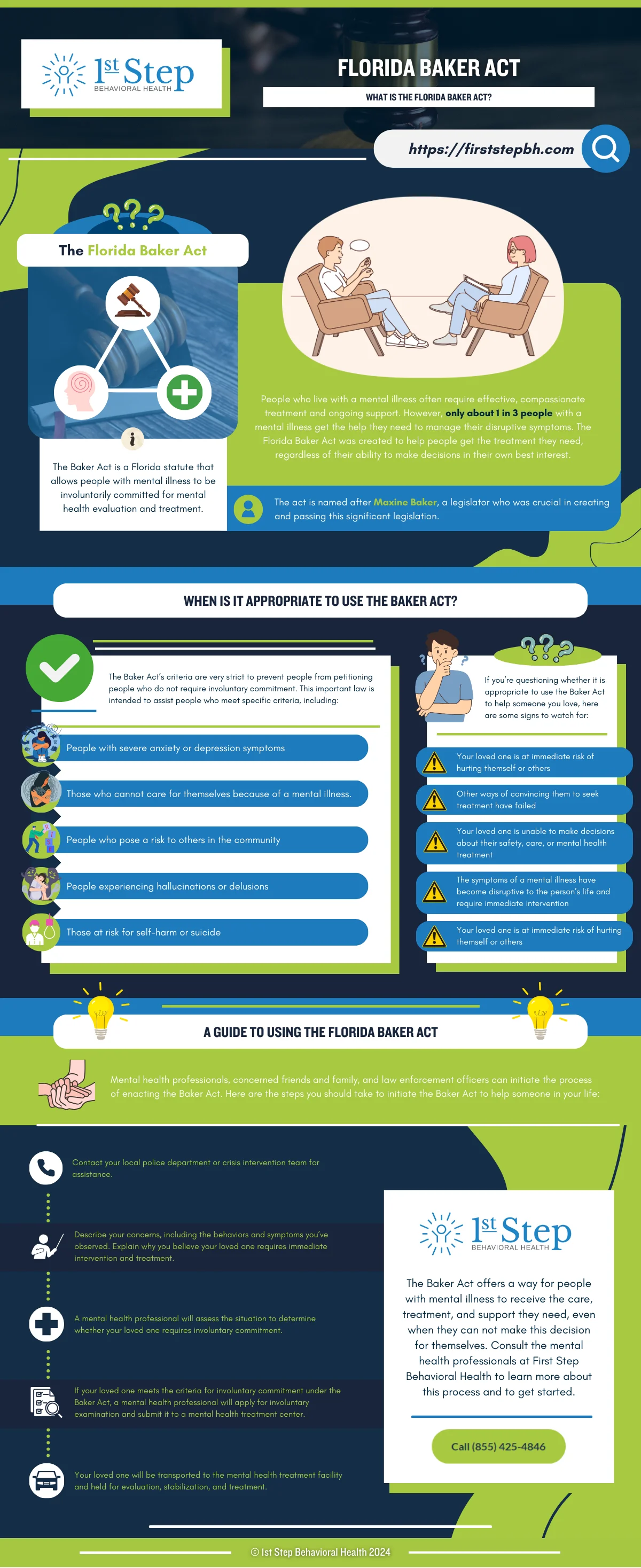
Who can initiate a Baker Act? The authority rests with a limited number of individuals and entities:
- Law Enforcement Officers: Often the first responders, police officers can initiate a Baker Act based on their observations in the field. This is particularly relevant in public spaces like Jacksonville’s downtown or a resort in Naples, where a distressed individual might come to their attention.
- Physicians and Clinical Psychologists: Healthcare professionals who observe a patient meeting the criteria can initiate the process.
- Court Orders: A judge can issue an ex parte order for involuntary examination based on sworn testimony.
- Mental Health Professionals: Certain certified mental health professionals are also authorized to initiate a Baker Act.
This structured approach ensures that the Baker Act is invoked responsibly, providing a crucial safety net for individuals in acute mental health distress across Florida.

The Baker Act Process: From Initial Contact to Care
Navigating the Baker Act process can be a distressing experience, especially for individuals or their loved ones who are unfamiliar with the system. However, understanding the steps involved can help demystify the procedure and highlight its protective intent. Whether you’re a long-term resident of Tampa or a tourist enjoying the sights of Miami Beach, knowing what happens when a Baker Act is initiated is crucial for peace of mind regarding the state’s mental health infrastructure. The journey, from the initial contact to the determination of ongoing care, is carefully regulated to ensure both safety and due process.
What Happens During a Baker Act?
Once the criteria for a Baker Act are met, the individual is transported to a designated Baker Act receiving facility. These facilities are licensed by the state and include psychiatric hospitals, designated units within general hospitals, or specialized mental health centers. The transport is typically conducted by law enforcement or emergency medical services, ensuring the individual’s safety and the safety of others. During this initial phase, the environment is chosen to be therapeutic, not punitive, often distinct from a typical emergency room if possible.
Upon arrival, the individual undergoes an initial assessment. This is not a formal admission for long-term treatment but rather an evaluation period, which can last up to 72 hours. During these hours, a team of mental health professionals—including psychiatrists, psychologists, social workers, and nurses—will:
- Conduct a comprehensive psychiatric evaluation: This includes assessing the individual’s current mental state, medical history, and risk factors.
- Review physical health: Sometimes, physical ailments can mimic or exacerbate mental health symptoms, so a medical assessment is crucial.
- Observe behavior: Staff will monitor the individual’s interactions and conduct within the facility.
- Discuss with family/friends (with consent): Collateral information from loved ones can provide valuable insights into the individual’s typical behavior and recent changes.

Throughout this period, individuals under a Baker Act retain specific rights. They must be informed of their rights, which include the right to legal counsel, the right to a hearing to challenge the hold, and the right to communicate with family unless deemed clinically contraindicated for safety reasons. The focus during these 72 hours is entirely on assessment and stabilization, aiming to de-escalate crisis situations and determine the most appropriate next steps for care.
What Happens After the 72-Hour Examination?
The 72-hour period is critical for evaluation, culminating in a decision about the individual’s future care. Several outcomes are possible after the initial examination:
- Release: If, after thorough evaluation, the mental health professionals determine that the individual no longer meets the criteria for involuntary commitment (i.e., they are not an immediate danger to themselves or others due to mental illness, or they are able to make informed decisions about their care), they will be released. This could happen at any point within the 72 hours.
- Voluntary Admission for Further Treatment: The individual may agree to voluntarily admit themselves to the facility for further treatment. This often occurs when they recognize their need for help and choose to continue receiving care in a structured environment. This transition from involuntary to voluntary status is encouraged if clinically appropriate.
- Petition for Involuntary Inpatient Placement: If the individual still meets the criteria for involuntary commitment after the 72-hour period, and they refuse voluntary treatment, the facility can petition a court for involuntary inpatient placement. This legal process involves a court hearing where a judge reviews the evidence presented by mental health professionals to decide if continued involuntary treatment is necessary. This step ensures an additional layer of legal oversight and protection of individual rights.
- Outpatient Treatment Recommendations: Regardless of whether the individual is released or voluntarily admitted, the facility may provide recommendations for ongoing outpatient mental health services, therapy, or support groups to help maintain their well-being. This might involve referrals to community mental health centers or private practitioners in their area, whether it’s a tourist needing follow-up care upon returning home or a local resident seeking long-term support.
Family involvement and advocacy are often crucial throughout this process. While patient confidentiality is paramount, facilities typically work to involve family members where appropriate and legally permissible, providing updates and guidance. For visitors to Florida, this could mean coordinating with their home country’s or state’s healthcare providers for continuity of care. The ultimate goal of the Baker Act process is to ensure that individuals in crisis receive timely and appropriate mental health care while upholding their rights, reinforcing Florida’s commitment to public health and safety for everyone who experiences the state.
Baker Act and the Florida Experience: What Travelers and Residents Should Know
Florida’s allure lies in its promise of relaxation, adventure, and a vibrant lifestyle. Whether you’re dreaming of a luxurious hotel stay near Walt Disney World Resort, an apartment rental in a charming coastal town, or simply soaking up the sun on a Florida beach, the state aims to provide a safe and enjoyable environment. However, mental health challenges can affect anyone, anywhere, and knowing that support systems like the Baker Act are in place adds a layer of security for both residents and visitors. Integrating this understanding into your Florida experience helps ensure a more holistic approach to well-being, emphasizing that enjoyment and safety go hand in hand.
Mental Health Resources for Visitors and Locals
Florida is committed to providing comprehensive support for mental well-being, acknowledging that a healthy population contributes to a thriving tourism industry and a high quality of lifestyle. For both residents and those on vacation, a robust network of mental health resources is available:
- Emergency Services (911): In any immediate life-threatening mental health crisis, calling 911 is the fastest way to get help. First responders, including law enforcement and paramedics, are trained to assess situations and connect individuals with appropriate mental health services, including initiating a Baker Act if necessary.
- Crisis Hotlines: Several national and state-specific hotlines offer immediate support, confidential counseling, and referrals to local services. The National Suicide Prevention Lifeline (988) and the Crisis Text Line are accessible from anywhere in Florida. These resources are invaluable for individuals experiencing distress or for those concerned about a loved one, offering an alternative to emergency services when the threat is not immediate.
- Community Mental Health Centers: Across major metropolitan areas like Miami, Orlando, Tampa, and Jacksonville, as well as smaller communities, Florida has a network of community mental health centers. These centers provide a wide range of services, including therapy, medication management, and crisis intervention. Many facilities are equipped to handle walk-in crises or offer telehealth options.
- Hospital Psychiatric Units: Major hospitals throughout Florida maintain psychiatric units or have affiliations with dedicated mental health facilities that serve as Baker Act receiving centers. This ensures that expert medical and psychiatric care is accessible, whether you’re staying at a glamorous South Beach hotel or a quiet villa in the Florida Keys.
- Private Practitioners and Telehealth: For non-emergency needs, countless private therapists, counselors, and psychiatrists practice throughout the state, many offering telehealth services, which can be convenient for travelers needing continuity of care or residents seeking specialized support.
These resources underscore that while the Baker Act serves as a critical measure for acute crises, Florida offers a broad spectrum of mental health support to cater to diverse needs, promoting a healthier and more resilient community for all.
Preparing for a Safe and Enjoyable Trip
For those planning a trip to Florida, especially individuals with pre-existing mental health conditions or those traveling with loved ones who do, a bit of preparation can significantly enhance safety and enjoyment. The Florida lifestyle is about embracing adventure and relaxation without unnecessary worry, and proactive steps in mental health can contribute greatly to this.
- Medication Management: Ensure you have an adequate supply of any prescribed medications, along with copies of your prescriptions and a letter from your doctor. Keep medications in your carry-on luggage when flying.
- Insurance Coverage: Understand your health insurance policy’s coverage for mental health services, particularly out-of-state or out-of-network care. It’s also wise to know if your policy covers emergency psychiatric care in Florida.
- Identify Local Resources: Before you depart, research mental health facilities, hospitals, and crisis lines in your specific Florida destination. Having this information readily available can be invaluable in an emergency. For example, if staying near Universal Orlando Resort, identify the nearest Baker Act receiving facility.
- Self-Care and Stress Management: Travel can be stressful, even when it’s for leisure. Be mindful of sleep patterns, nutrition, and hydration. Build in time for rest and relaxation amidst your adventure. Many Florida resorts and hotels offer wellness amenities that can support mental well-being, from spas to fitness centers.
- Open Communication: If traveling with family or friends, discuss your mental health needs or concerns beforehand. Establish a plan for what to do if a crisis arises. This openness can alleviate stress and ensure prompt support.
- Understanding the Baker Act’s Role: Remember that the Baker Act is a last resort, a critical safety mechanism for severe crises. By taking proactive steps, most individuals can enjoy their Florida travel and lifestyle experiences without needing this intervention. Its existence, however, offers reassurance that severe mental health emergencies are addressed with care and legal oversight.
By being informed and prepared, both residents and visitors can fully embrace the beauty and excitement of Florida, confident in the knowledge that comprehensive mental health support systems are in place, fostering a truly worry-free and enriching experience.
The Baker Act in Florida stands as a vital, albeit often somber, component of the state’s commitment to public health and safety. While the prospect of involuntary examination can be concerning, it is crucial to view the Baker Act as a protective measure—a necessary legal framework designed to intervene during acute mental health crises when an individual poses a danger to themselves or others. It ensures that help is accessible when a person is unable or unwilling to seek it voluntarily, preventing potential tragedies and facilitating access to professional care.
For residents, understanding the Baker Act is part of being an informed citizen, aware of the resources and legal safeguards that exist within their community. For the millions of visitors who flock to Florida’s sunny shores, majestic landmarks, and world-renowned attractions, knowledge of the Baker Act provides an often-overlooked layer of security. It signifies that even amidst the joy and excitement of travel, there are robust systems in place to address serious health emergencies, including those related to mental well-being. This contributes to the overall sense of safety and preparedness, enhancing the desirability of Florida as a premier destination.
Ultimately, the goal is to foster an environment where mental health is openly discussed, stigma is reduced, and support is readily available. The Baker Act is a testament to Florida’s comprehensive approach to health, ensuring that every individual—whether a lifelong resident or a transient guest exploring the diverse offerings of the Sunshine State—can live and travel with the assurance that critical care is there when it is most desperately needed. By understanding and respecting these provisions, we contribute to a more compassionate and secure Florida experience for everyone.
LifeOutOfTheBox is a participant in the Amazon Services LLC Associates Program, an affiliate advertising program designed to provide a means for sites to earn advertising fees by advertising and linking to Amazon.com. Amazon, the Amazon logo, AmazonSupply, and the AmazonSupply logo are trademarks of Amazon.com, Inc. or its affiliates. As an Amazon Associate we earn affiliate commissions from qualifying purchases.