
Alaska, the Last Frontier, a land of unparalleled wilderness, breathtaking landscapes, and abundant wildlife, beckons adventurers from across the globe. Deciding when to visit this vast and magnificent state, however, can be a crucial element in crafting the perfect Alaskan experience. The “best” month is not a universal answer; it is a deeply personal choice, contingent upon your specific interests, desired activities, and tolerance for various weather conditions. This guide will delve into the nuances of visiting Alaska throughout the year, helping you pinpoint the ideal time for your unforgettable journey, drawing upon the wealth of information available on travel destinations, accommodation options, and unique tourism experiences.

Understanding Alaska’s Seasons for Optimal Travel
Alaska’s dramatic seasonal shifts significantly influence the visitor experience. Each season offers distinct advantages and challenges, shaping everything from wildlife viewing opportunities to the availability of activities and the overall atmosphere. Understanding these seasonal characteristics is paramount when planning your trip.
Summer: The Peak of Activity and Daylight
The period from June through August is widely considered Alaska’s peak tourist season, and for good reason. This is when the state truly bursts into life, offering the longest daylight hours of the year, often referred to as the “midnight sun.” These extended daylight hours are a major draw, allowing for maximum exploration and enjoyment of the numerous attractions.
Wildlife Encounters: Summer is arguably the prime time for wildlife viewing. Denali National Park and Preserve becomes a magnet for those seeking to spot grizzly bears, moose, caribou, and Dall sheep against a backdrop of stunning scenery. On the coast, especially in areas like Barrow (Utqiagvik), whale watching tours are highly successful, with opportunities to see humpback whales, orcas, and even beluga whales. The marine life in places like Kenai Fjords National Park is also at its most active during these months. Birdwatchers will also find a paradise, with migratory birds returning to nest and feed.
Outdoor Activities: The warmer temperatures and extended daylight make summer the ideal season for a wide array of outdoor pursuits. Hiking trails across the state, from the scenic paths of Homer to the more challenging routes in the Chugach Mountains, are generally clear of snow and accessible. Cruising through the Inside Passage, perhaps on a luxury cruise ship or a smaller expedition vessel, offers unparalleled views of glaciers, fjords, and coastal wildlife. Kayaking, fishing for salmon and halibut, and exploring the charming towns like Juneau and Skagway are all popular summer activities. For the adventurous, activities like white-water rafting on the Talkeetna River or glacier trekking on the Matanuska Glacier are at their best.
Infrastructure and Accessibility: During the summer months, most tourist facilities, including hotels, lodges, and tour operators, are fully operational. Transportation networks are also at their most robust, with ferries, flights, and road access generally unimpeded. This makes logistical planning for your trip to Alaska relatively straightforward. However, this popularity also means that accommodation and tours can book up far in advance, especially in sought-after locations like Anchorage and Seward. It is advisable to book your hotels and activities well in advance to secure your preferred options.
Considerations for Summer Travel: While summer offers the most favorable conditions for many, it also comes with its own set of considerations. The most significant is the cost; due to high demand, prices for flights, accommodation, and popular tours tend to be at their highest. Secondly, while generally pleasant, Alaska’s weather can still be unpredictable. Rain is common, especially along the coast, and temperatures can vary significantly. It is essential to pack layers and be prepared for all types of weather, even during the summer. Finally, be prepared for crowds, particularly in popular national parks and towns.
Shoulder Seasons: Sweet Spots for Value and Scenery
For those seeking a balance between good weather, fewer crowds, and more favorable pricing, the shoulder seasons—late spring (May) and early fall (September)—present compelling alternatives. These months offer a unique charm and a different perspective on Alaska’s magnificent landscapes.
Spring: The Awakening of the Wilderness
May marks the beginning of Alaska’s transformation from its winter slumber. As the snow melts and the days lengthen, the state awakens, offering a refreshing and increasingly accessible experience.
Late May Delights: By late May, many of Alaska’s iconic attractions begin to open their doors. While some higher elevation trails might still be snow-covered, lower elevations become accessible for hiking. Wildlife is becoming more active, with newborn animals starting to appear. The famous Iditarod Trail Sled Dog Race, although concluding in March, has laid the groundwork for widespread appreciation of sled dog culture, and some operations may offer summer training runs. The vibrant green of new growth starts to carpet the landscape, offering a beautiful contrast to the lingering snow on the mountain peaks.
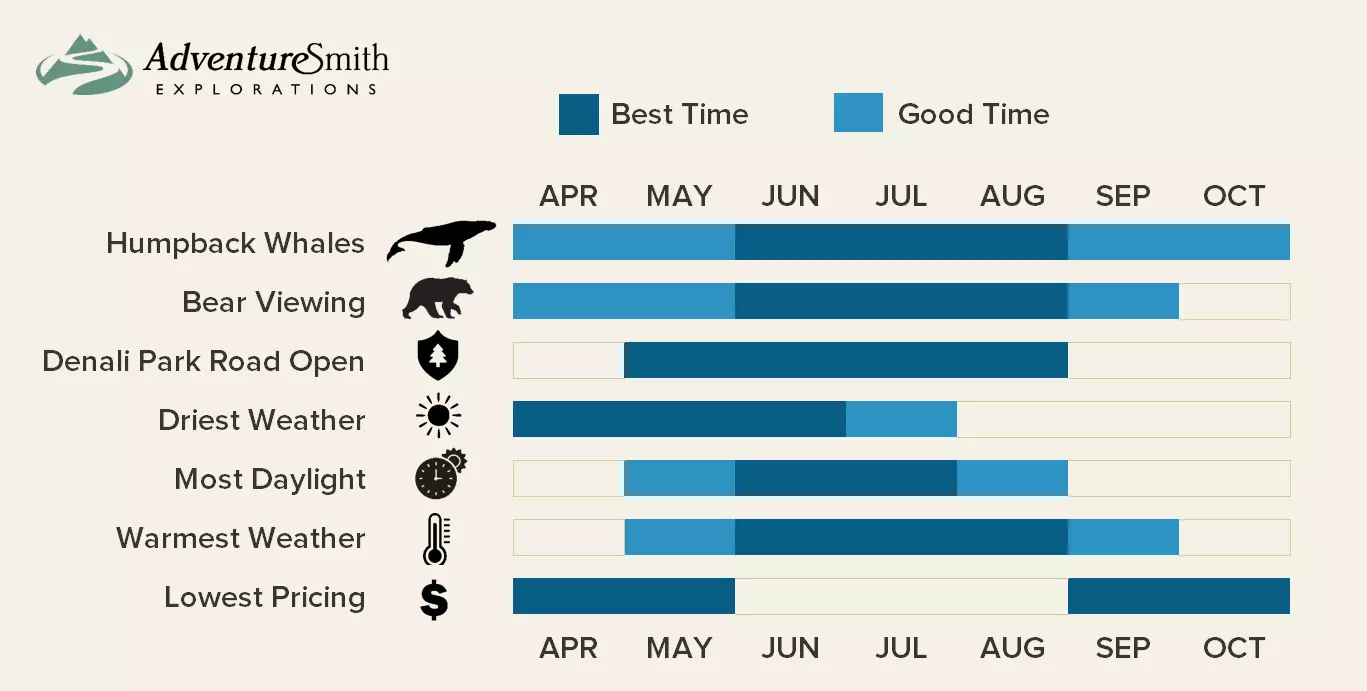
Advantages of May Travel: Traveling in May can offer significant cost savings compared to the peak summer months. Accommodation and flight prices often decrease, and you’ll encounter fewer tourists. This provides a more intimate and authentic experience of Alaska. The daylight hours are increasing rapidly, offering ample time for exploration. This is also a fantastic time for photographers, as the softer light and blooming wildflowers create stunning visual opportunities.
Considerations for May Travel: It is important to note that not all tourist facilities may be fully operational in early May. Some remote lodges or specific tours might not begin their season until later in the month or even June. The weather can still be quite variable, with the possibility of late snowfalls in some regions. It’s crucial to check the operational status of any specific attractions or activities you are interested in.
Fall: A Symphony of Colors and Wildlife
September in Alaska is a spectacle of autumnal beauty, coupled with unique wildlife and activity opportunities. The landscape transforms into a canvas of vibrant reds, oranges, and yellows, creating breathtaking vistas.
Autumnal Splendor and Wildlife: The fall foliage in areas like Fairbanks and the Matanuska-Susitna Valley is renowned for its brilliance. The crisp air and clear skies often make for spectacular sunsets and stargazing opportunities. For wildlife enthusiasts, September is an excellent month for spotting bears as they fatten up for hibernation, particularly in coastal areas where salmon runs are still strong. Moose are also more visible as they enter their rutting season.
Activity Opportunities: Many of the popular summer activities remain available in September, though some may have reduced schedules as the season winds down. Hiking, fishing, and scenic drives are still highly enjoyable. This is also a prime time for aurora borealis (Northern Lights) viewing, as the nights grow longer and darker, especially in the northern regions of the state. Experiencing the magic of the Aurora Borealis is a bucket-list item for many, and September offers a good chance to witness this natural phenomenon.
Advantages of September Travel: Similar to May, September offers a reduction in crowds and potentially lower prices for travel and accommodation. The weather, while cooler, can be very stable with crisp, clear days. The combination of stunning scenery, active wildlife, and the potential for seeing the Northern Lights makes September a highly rewarding month to visit.
Considerations for September Travel: As the season progresses, daylight hours begin to shorten, so planning your daily activities accordingly is important. Some tour operators and lodges may begin to close for the season in late September, so it is essential to verify availability. While temperatures are generally cool and pleasant, be prepared for colder conditions, especially in the evenings and at higher elevations.
Winter: The Embrace of Snow and Light
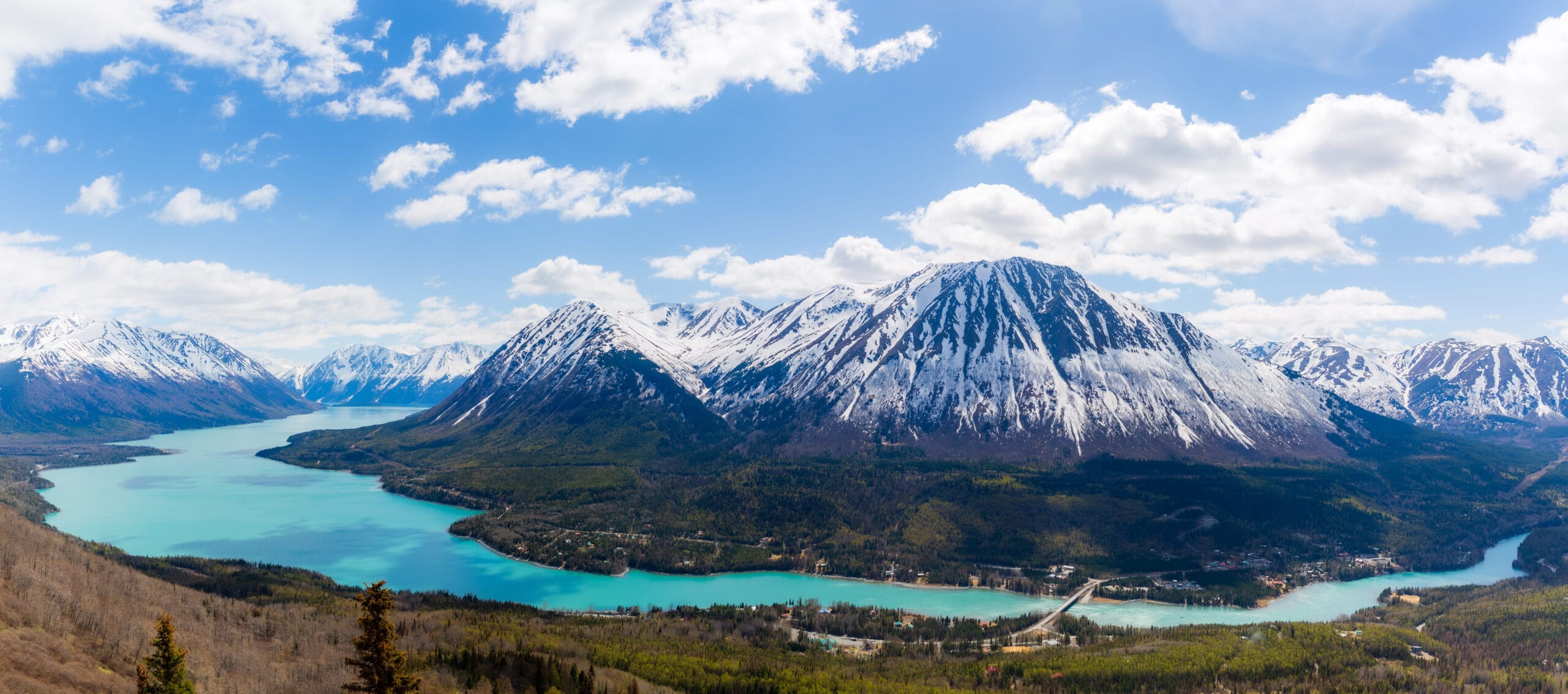
Alaska’s winter, from roughly October through April, offers a dramatically different, yet equally captivating, experience. It is a season for those who embrace the cold and seek the unique beauty and thrilling activities that only the Alaskan winter can provide.
The Reign of Snow and Ice: Winter transforms Alaska into a pristine wonderland of snow and ice. The landscape is draped in a thick blanket of white, creating a serene and stark beauty. This is the prime time for winter sports, with opportunities for skiing, snowboarding, snowshoeing, and ice skating at various resorts and designated areas.
Northern Lights Spectacle: The long, dark nights of winter are the absolute best time for witnessing the Aurora Borealis. Regions like Fairbanks are particularly renowned for their frequent and spectacular displays of this celestial phenomenon. Dedicated aurora tours and viewing lodges are popular choices for those seeking to maximize their chances of seeing the lights.
Unique Winter Activities: Winter opens up a world of unique Alaskan experiences. Sled dog mushing, the state’s official sport, becomes a highlight, with opportunities for scenic rides and even participation in competitive races. Ice fishing on frozen lakes and rivers is another popular pastime. Exploring frozen waterfalls and venturing into ice caves offers a different perspective on Alaska’s natural wonders. Many towns host winter festivals and celebrations, showcasing local culture and traditions.
Accommodation and Accessibility in Winter: While some tourist infrastructure may scale back during the winter, many hotels and lodges in major cities like Anchorage and Fairbanks remain open year-round. Remote lodges and certain summer-focused tour operators will be closed. Transportation can be more challenging, with road conditions impacted by snow and ice, and flight schedules sometimes affected by weather. However, specialized winter transportation like snowmobiles and dog sleds opens up access to otherwise unreachable areas.
Considerations for Winter Travel: Alaska’s winter is characterized by extreme cold and limited daylight. Visitors must be adequately prepared with warm clothing and appropriate gear. Many outdoor activities are weather-dependent, and conditions can change rapidly. The limited daylight hours mean that sightseeing and outdoor exploration need to be planned carefully. However, for those who embrace the cold and the darkness, the rewards of an Alaskan winter are immense, offering a sense of peace, solitude, and unparalleled natural beauty.
Ultimately, the “best” month to visit Alaska is the one that aligns with your personal travel aspirations. Whether you dream of the endless daylight and abundant wildlife of summer, the colorful tranquility of autumn, the crisp awakening of spring, or the ethereal glow of the Northern Lights in winter, Alaska offers a unique and unforgettable experience year-round. Researching specific destinations within Alaska, such as Ketchikan for its rich Native American heritage and salmon fishing, or Girdwood for its mountain resorts and adventure activities, will further refine your choice. By considering the seasonal offerings and your own preferences, you can confidently select the perfect time to embark on your Alaskan adventure.