
Deciding on the “best” time to visit Hawaii is much like choosing the perfect wave – it depends entirely on your skill level, preferences, and what kind of ride you’re looking for. This archipelago, a jewel in the Pacific Ocean and a state of the United States, offers a myriad of experiences year-round, from the vibrant cityscape of Honolulu on Oahu to the serene, volcanic landscapes of the Big Island. Each season brings its unique charm, affecting everything from weather patterns and crowd levels to accommodation prices and the availability of specific activities.
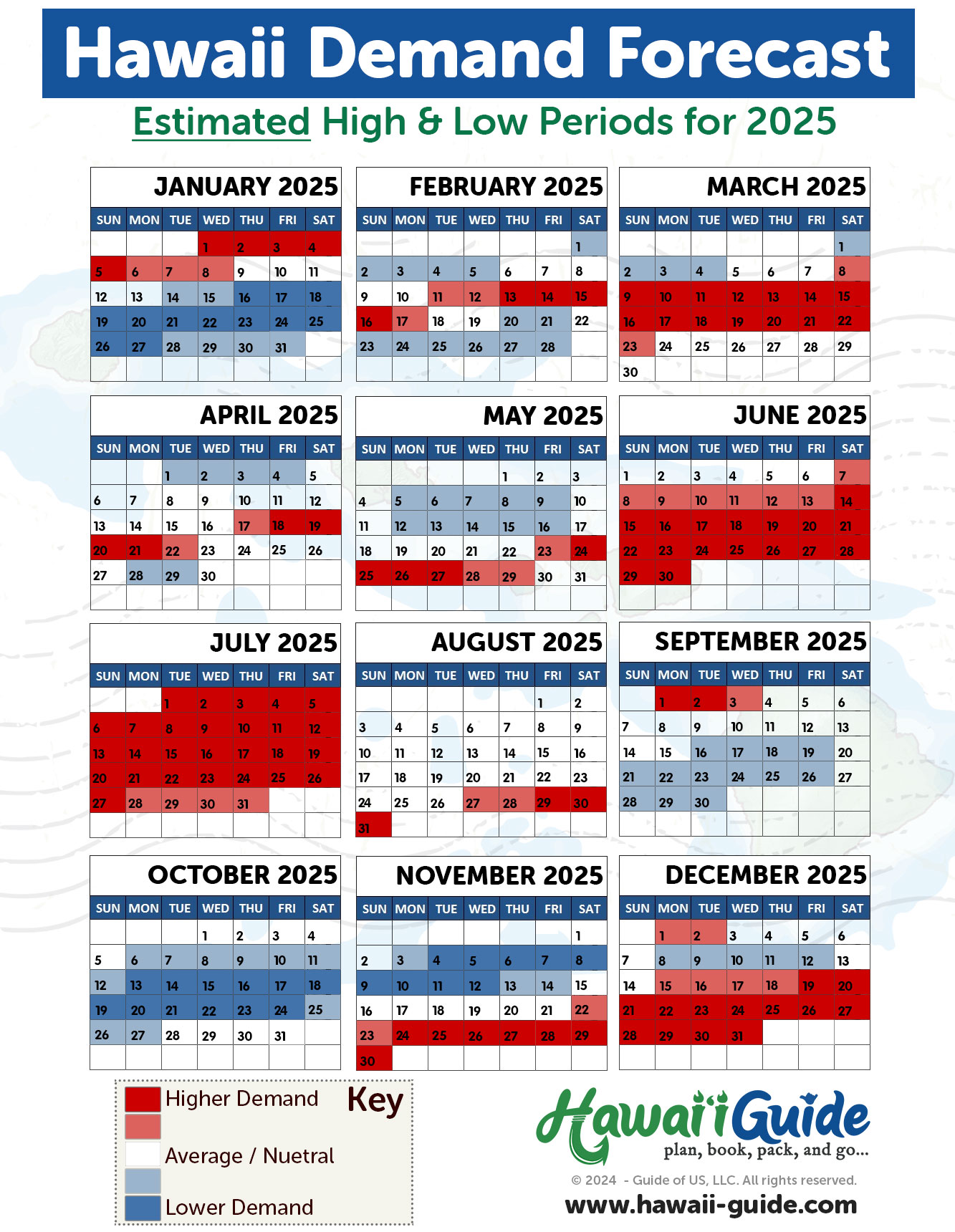
Our comprehensive guide aims to help you navigate these seasonal nuances, ensuring your dream Hawaiian escape aligns perfectly with your expectations. Whether you’re a budget travel enthusiast, a seeker of luxury travel experiences, an adventure junkie, or planning family trips, understanding the rhythm of the islands is key to unlocking your ideal vacation. We’ll delve into the distinct characteristics of each period, explore how to tailor your trip to your interests, and provide essential tips for booking your accommodations to make the most of your Hawaiian adventure.
Understanding Hawaii’s Seasons: Weather, Crowds, and Costs
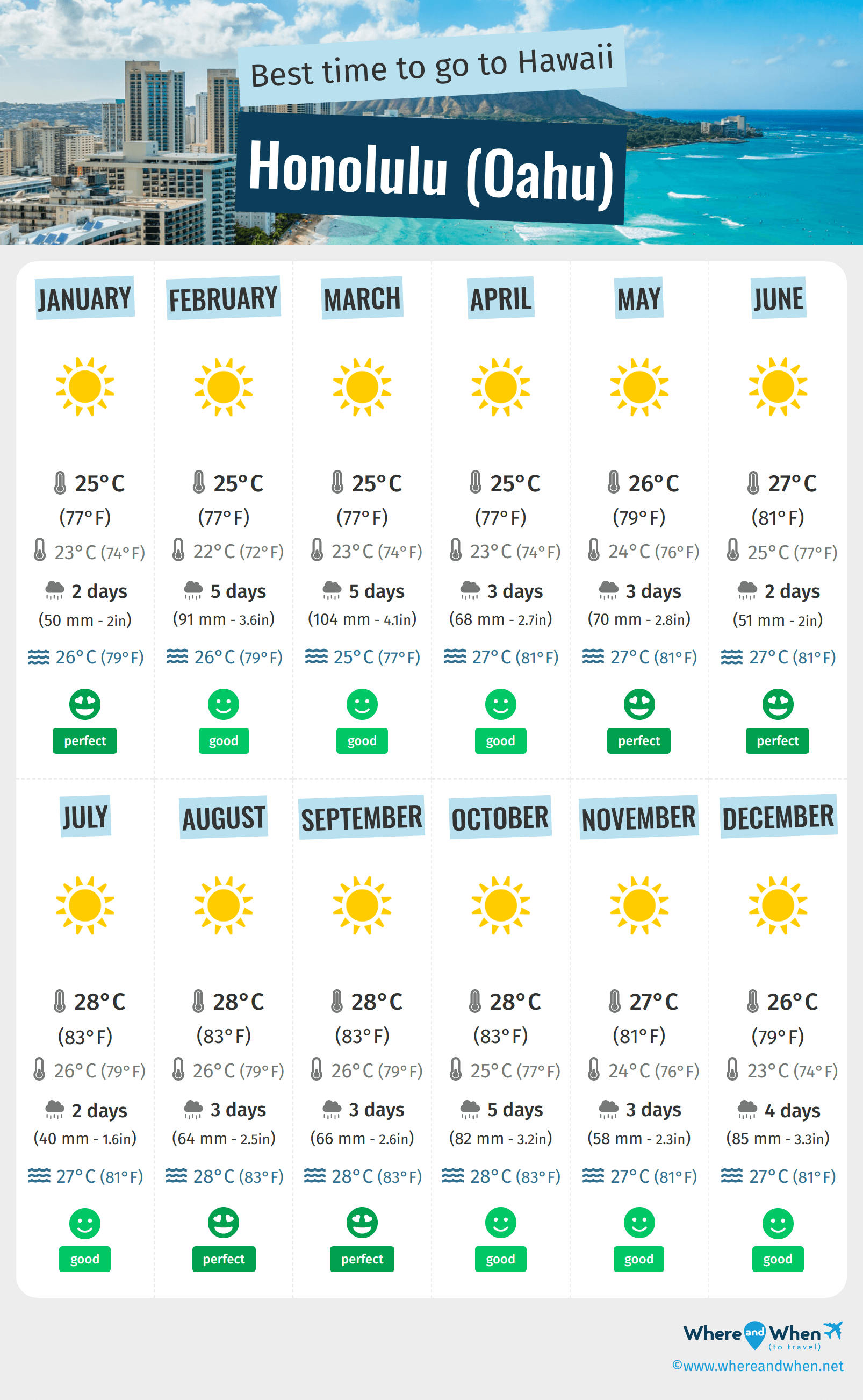
Hawaii enjoys a remarkably consistent tropical climate, with temperatures generally hovering between 70-85°F (21-29°C) throughout the year. However, subtle shifts in weather, ocean conditions, and, more significantly, tourism demand, define its seasons. These factors directly influence crowd sizes, the availability of certain activities, and, most importantly, the overall cost of your trip.
The Peak Season: Winter’s Allure (December – March)
Weather: While the mainland United States shivers, Hawaii offers a warm, inviting escape. Winter months bring slightly cooler temperatures, averaging around 75°F (24°C), and an increased chance of rain, particularly on the windward (eastern) sides of the islands. However, these brief, refreshing showers often give way to sunshine. A defining characteristic of Hawaiian winters, especially on Oahu’s famed North Shore, are the colossal waves that draw professional surfers and spectators from around the globe.
Crowds: This period marks Hawaii’s high season. Holiday periods (Christmas, New Year’s, President’s Day, Spring Break) see a massive influx of tourists, leading to crowded beaches, popular attractions like Pearl Harbor and Diamond Head, and bustling cities. Planning is crucial if you aim to travel during these times.
Costs: Unsurprisingly, peak season translates to peak pricing. Flights are significantly more expensive, and hotels, resorts, and vacation rentals command their highest rates. Booking well in advance—sometimes up to a year for prime holiday dates—is essential to secure desirable accommodations and reasonable airfares. Expect to pay a premium for everything from rental cars to popular tours.
Activities: Winter is synonymous with whale watching. From December to May, thousands of humpback whales migrate to Hawaii’s warm waters, particularly around Maui, to breed and calve. Boat tours are plentiful and offer incredible opportunities to witness these majestic creatures. For adrenaline junkies, the enormous waves on the North Shore of Oahu host world-renowned surfing competitions. While swimming on these beaches may be dangerous, watching the pros is an unforgettable spectacle. Many cultural festivals and events also take place during this time, celebrating Hawaiian heritage.
The Shoulder Seasons: Spring and Fall (April – May, September – November)
Weather: These periods offer arguably the most pleasant weather conditions. Temperatures are warm and comfortable, with less humidity and significantly less rainfall compared to winter. The ocean is generally calmer, especially in late spring and early fall, creating ideal conditions for water activities.
Crowds: The shoulder seasons strike a perfect balance, offering fewer crowds than the peak winter months and slightly more visitors than the quietest summer weeks (outside of holidays). This means shorter lines at attractions, more space on the beaches, and a generally more relaxed atmosphere.
Costs: Travel during spring and fall typically offers the best value. Accommodation prices and airfares are noticeably lower than during peak season, making it an excellent time for budget travel without compromising on the experience. You can often find fantastic deals on resorts and other accommodations.
Activities: With calm waters, these seasons are perfect for snorkeling, diving, paddleboarding, and kayaking. The visibility underwater is often exceptional. Hiking trails across all islands, from the lush paths of Kauai’s Na Pali Coast to the volcanic landscapes of Hawaii Volcanoes National Park on the Big Island, are more accessible and enjoyable without the intense summer heat or winter rains. Fall also brings unique cultural events and food festivals, offering a deeper dive into local culture.
The Off-Peak Season: Summer’s Charm (June – August)
Weather: Hawaiian summers are characterized by warm, dry weather, especially on the leeward (western) coasts of the islands. Temperatures average around 80-85°F (27-29°C), and the ocean is at its calmest and warmest, providing superb conditions for swimming and sunbathing.
Crowds: While summer is often associated with school holidays, Hawaii’s summer season is generally considered off-peak in terms of international and mainland United States tourism, as many opt for European or other destinations. However, family trips and domestic travelers still flock to the islands, so it’s not entirely devoid of crowds, especially around popular spots like Waikiki Beach.
Costs: Prices for flights and accommodations are typically moderate, falling somewhere between the shoulder seasons and the peak winter rates. You can often find good deals, especially if you book in advance and are flexible with your travel dates.
Activities: Summer is prime time for beach activities and water sports. The calm Pacific waters are perfect for learning to surf on gentle waves, trying stand-up paddleboarding, or simply relaxing on the sand. It’s an ideal season for family trips, with plenty of kid-friendly activities and tranquil swimming conditions. Exploring Hawaii Volcanoes National Park on the Big Island or marveling at Waimea Canyon on Kauai are also excellent choices, with minimal rain impacting outdoor plans.
Tailoring Your Hawaiian Getaway: Matching Your Interests to the Calendar
The “best” time for you truly depends on your priorities. Hawaii is incredibly diverse, offering something for every type of traveler at different times of the year.
For the Budget-Conscious Traveler
If cost is your primary concern, the shoulder seasons (April-May and September-November) are your golden ticket. During these months, you’ll find the most competitive rates on flights and accommodations, from cozy apartments to luxurious resorts. Traveling mid-week can further reduce expenses. Consider booking well in advance and exploring package deals that combine airfare and lodging. Visiting less-touristed areas or opting for villas with kitchen facilities can also help manage costs effectively, aligning with smart budget travel strategies.
For Luxury Seekers and Exclusive Experiences
For those seeking luxury travel and more exclusive experiences, consider the very beginning or end of the peak winter season (early December or late March). You’ll still enjoy fantastic weather and the energy of the season but might find slightly less crowded conditions than the absolute holiday rush. High-end resorts like the Four Seasons Resort Maui at Wailea or the Grand Hyatt Kauai Resort & Spa will be fully operational, offering their full suite of amenities and services. The shoulder seasons can also offer a more serene luxury experience, with fewer crowds at fine dining establishments and boutique shops, allowing for a more intimate enjoyment of Hawaii’s upscale offerings.
For Adventure and Nature Enthusiasts
Your ideal time hinges on your preferred adventure.
- Surfing: If you dream of witnessing or riding big waves, winter (December-March) on Oahu’s North Shore is non-negotiable. For beginner-friendly waves, summer (June-August) offers gentler conditions on south-facing shores like Waikiki Beach or Kaanapali Beach on Maui.
- Whale Watching: Winter (December-May) is prime time, with Maui being a top spot.
- Hiking & Exploring Landforms: The shoulder seasons (April-May, September-November) provide cooler temperatures and less rain, making treks through Hawaii Volcanoes National Park, the Na Pali Coast, or to the summit of Diamond Head more enjoyable.
- Snorkeling & Diving: Summer (June-August) offers the calmest, warmest waters and best visibility, ideal for exploring vibrant marine life.
For Family Fun and Relaxation
Summer (June-August) is a popular choice for family trips, coinciding with school breaks. The calm, warm waters are perfect for children to swim and play safely. Many resorts offer dedicated kids’ clubs and family-friendly activities during this time. While crowds can be present, the overall atmosphere is festive and accommodating. The spring shoulder season (April-May) is also excellent for families looking for pleasant weather, fewer crowds, and better value before the summer rush. Attractions like the Polynesian Cultural Center on Oahu are perfect for all ages, offering educational and entertaining insights into Hawaiian and Pacific island cultures.
Booking Your Dream Hawaiian Accommodation
Regardless of when you decide to visit, advance booking is paramount for Hawaii, especially for accommodations. The islands offer a diverse range of lodging options to suit every preference and budget, from sprawling resorts and intimate boutique hotels to private villas and charming apartments.
For peak season travel, aim to book your hotels or resorts 6-12 months in advance. During shoulder and off-peak seasons, 3-6 months usually suffices. Utilize online booking platforms for comparison and read recent reviews to gauge the quality and service. Consider what amenities are important to you – whether it’s beachfront access, a pool, a kitchenette, or a spa. Many resorts also offer packages that can be cost-effective. For those considering a long-term stay or extended vacations, private villas or serviced apartments can offer more space and value, particularly for families or groups.
Navigating Local Culture and Activities
Beyond the beaches and waves, Hawaii’s rich local culture is an integral part of the experience. Many cultural events, such as the Merrie Monarch Festival (an annual hula competition in April on the Big Island’s Hilo), happen during specific times. Food festivals, celebrating everything from pineapples to coffee (like the Kona Coffee Cultural Festival in November), offer delicious insights into the islands’ agricultural heritage.
Exploring historical landmarks like Pearl Harbor on Oahu or the ancient fishponds throughout the islands provides a deeper understanding of Hawaii’s past. Visiting a local farmers’ market in towns like Lahaina on Maui or attending a luau are excellent ways to immerse yourself. Respect for the ‘aina (land) and the local customs is always appreciated, enhancing your overall experience and contributing positively to sustainable tourism. Don’t forget to consult travel guides specific to your chosen island for unique local activities, from stargazing atop Mauna Kea to exploring hidden waterfalls.

Your Perfect Hawaiian Moment Awaits
Ultimately, the “best” time to go to Hawaii is subjective and depends on what kind of vacation you envision. If you dream of witnessing colossal waves, spotting humpback whales, and don’t mind the bustling crowds, then the winter months are for you. If calm waters, excellent hiking conditions, and fewer tourists appeal, coupled with better value, then the shoulder seasons of spring and fall are ideal. And for families seeking warm, tranquil waters for swimming and plenty of sunshine, summer offers its own unique charm.
Regardless of your choice, early planning and booking are paramount to securing your preferred flights, accommodations, and activities. By understanding the seasonal rhythms of this tropical paradise and aligning them with your personal preferences, you can ensure your trip to Hawaii is not just a vacation, but a truly unforgettable experience. Dive into our travel guides and start envisioning your perfect escape to one of the world’s most enchanting destinations.
LifeOutOfTheBox is a participant in the Amazon Services LLC Associates Program, an affiliate advertising program designed to provide a means for sites to earn advertising fees by advertising and linking to Amazon.com. Amazon, the Amazon logo, AmazonSupply, and the AmazonSupply logo are trademarks of Amazon.com, Inc. or its affiliates. As an Amazon Associate we earn affiliate commissions from qualifying purchases.