
Alaska, often called “The Last Frontier,” is a land of unparalleled natural beauty, immense wilderness, and captivating experiences. From towering glaciers and majestic mountains to abundant wildlife and the mystical Northern Lights, it offers an adventure like no other. Deciding the best time to visit Alaska isn’t a one-size-fits-all answer; it entirely depends on what you hope to see, do, and experience. Each season paints this vast state with a distinct brushstroke, offering unique opportunities and challenges. This comprehensive guide will navigate you through the year in Alaska, helping you pinpoint the ideal window for your dream adventure, factoring in everything from wildlife viewing and cultural events to accommodation and budget considerations.
Summer in Alaska: The Golden Season (June to August)
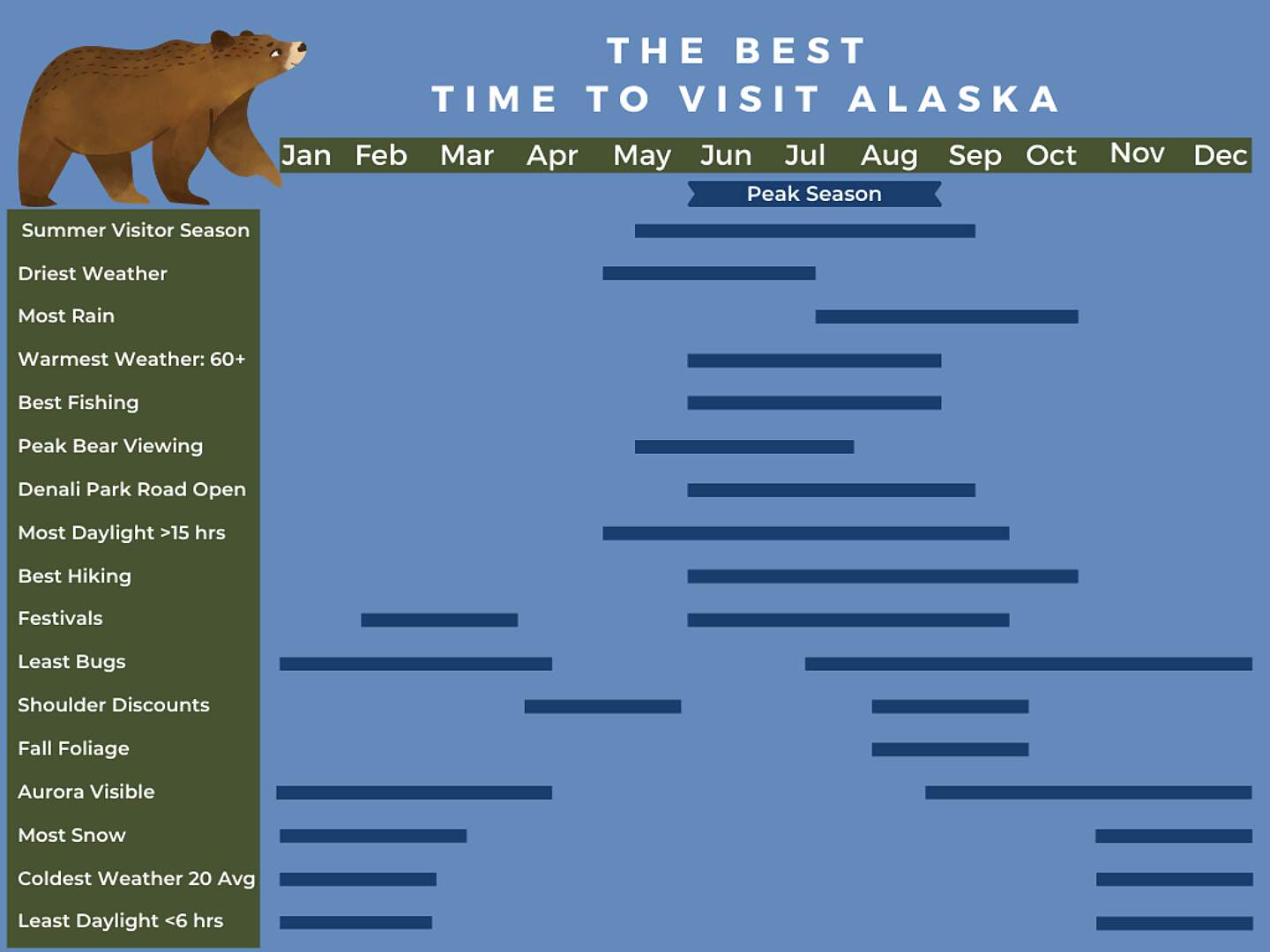
For many, summer (June through August) is unequivocally the best time to visit Alaska. This is the peak season, and for good reason: the weather is at its warmest and most stable, daylight hours are incredibly long (thanks to the phenomenon of the Midnight Sun), and all attractions and tour operators are in full swing. If your vision of an Alaskan adventure includes iconic experiences like glacier cruises, extensive hiking, and abundant wildlife viewing, then summer is your prime window.
Unforgettable Wildlife Encounters and Glacier Adventures
Summer truly brings Alaska’s wilderness to life. This is when the state’s iconic wildlife is most active and accessible. Bears, including grizzlies and black bears, are frequently spotted foraging along rivers and coasts, especially in famous bear-watching locales like Katmai National Park and Lake Clark National Park. Marine life thrives, with opportunities to witness whales (humpback, orca, gray), sea otters, seals, and puffins on boat tours through the Inside Passage, Kenai Fjords National Park, or Prince William Sound.
Glacier viewing is also at its prime. From massive tidewater glaciers calving into the ocean to accessible ice fields perfect for trekking, summer offers the best conditions. Popular options include cruise excursions from Seward or Whittier, or flightseeing tours over the vast Knik Glacier or Mendenhall Glacier near Juneau. Hiking enthusiasts will revel in the extensive trail networks of Denali National Park, where the majestic Mount Denali (formerly Mount McKinley) often reveals itself from beneath its cloud cover. Fishing for salmon and halibut is world-class, making summer an angler’s paradise.
The Midnight Sun and Festival Fun
The seemingly endless daylight hours of the Alaskan summer are a unique experience. North of the Arctic Circle, the sun literally doesn’t set for weeks, and even in southern cities like Anchorage, you’ll enjoy over 19 hours of daylight in late June. This allows for extended sightseeing, late-night hikes, and a vibrant atmosphere. Local communities come alive with festivals celebrating the long days, the Solstice, and Alaskan culture. Cities like Fairbanks host midnight baseball games, and farmers’ markets overflow with fresh produce.
However, this popularity comes with considerations. Accommodation, from luxurious Alaskan lodges and resorts to budget-friendly hotels and vacation rentals, can be booked months in advance and command premium prices. The same applies to flights and popular tours. If you’re planning a summer trip, early booking is not just recommended, it’s essential. Travelers seeking a quieter, more secluded experience might find the crowds overwhelming in popular areas.
Planning Your Summer Journey
Packing for an Alaskan summer means layers. While days can be warm and sunny (even into the 70s°F or 20s°C), evenings can be cool, and rain is always a possibility. Waterproof outer layers, sturdy hiking boots, and insect repellent are must-haves. Transportation options are abundant, from rental cars allowing for scenic road trips (like the drive between Anchorage and Seward or Denali) to the iconic Alaska Railroad, offering breathtaking views. For a more structured experience, cruises along the Inside Passage or Gulf of Alaska are incredibly popular, providing a comfortable way to see multiple coastal towns and natural wonders.
Winter Wonderland: Embracing Alaska’s Frosty Charm (November to March)
While summer offers the quintessential postcard views, winter in Alaska (November through March) unveils a different, equally magical facet of the state. For those willing to embrace the cold and shorter daylight hours, winter presents unique, often breathtaking, opportunities that no other season can match. It’s a time of profound quiet, pristine snowscapes, and the chance to witness one of nature’s most spectacular phenomena.
Chasing the Northern Lights and Winter Sports
The primary draw for many winter visitors is the chance to witness the Aurora Borealis, or Northern Lights. With long, dark nights and clear skies, Alaska is one of the world’s best places for aurora viewing. Fairbanks, located beneath the “aurora oval,” is particularly renowned for its consistent displays, offering various tours and dedicated viewing lodges. While the lights are visible from late August to April, peak viewing occurs during the darkest months of winter.
Beyond the aurora, winter transforms Alaska into an adventurer’s playground. Dog sledding, a traditional mode of transportation, is an iconic experience, with options ranging from short recreational rides to multi-day expeditions. The legendary Iditarod Trail Sled Dog Race kicks off in March, drawing spectators from around the globe. Downhill skiing and snowboarding thrive at resorts like Alyeska Resort near Girdwood, while cross-country skiing and snowshoeing trails abound across the state. Ice fishing, snowmobiling, and even ice sculpting festivals add to the winter charm.
Cozy Stays and Unique Experiences
Winter travel often means fewer crowds, translating to a more intimate and serene experience. Accommodation options range from cozy cabins nestled in the woods to comfortable hotels in major cities. Many lodges specialize in aurora viewing, offering wake-up calls when the lights appear. While some remote areas may be inaccessible, major cities like Anchorage and Fairbanks remain vibrant, offering museums, cultural centers, and excellent dining experiences. The slower pace allows for deeper immersion into local culture and opportunities to connect with residents.
Preparing for an Alaskan Winter
Visiting in winter requires careful preparation. Temperatures can drop significantly, often well below freezing. Proper layering, including thermal underwear, insulated waterproof outerwear, hats, gloves, and warm boots, is absolutely crucial for comfort and safety. Some roads, especially those leading to more remote areas, may be closed or require specialized vehicles. Many tour operators specialize in winter activities, providing necessary gear and expert guidance. While overall travel costs can be lower due to off-peak demand for flights and hotels, specialized winter tours and gear rentals can add to the budget. This season is ideal for those seeking adventure, solitude, and the ethereal beauty of a snow-covered landscape under the dancing Northern Lights.
Spring and Fall: Shoulder Season Charms (April-May & September-October)
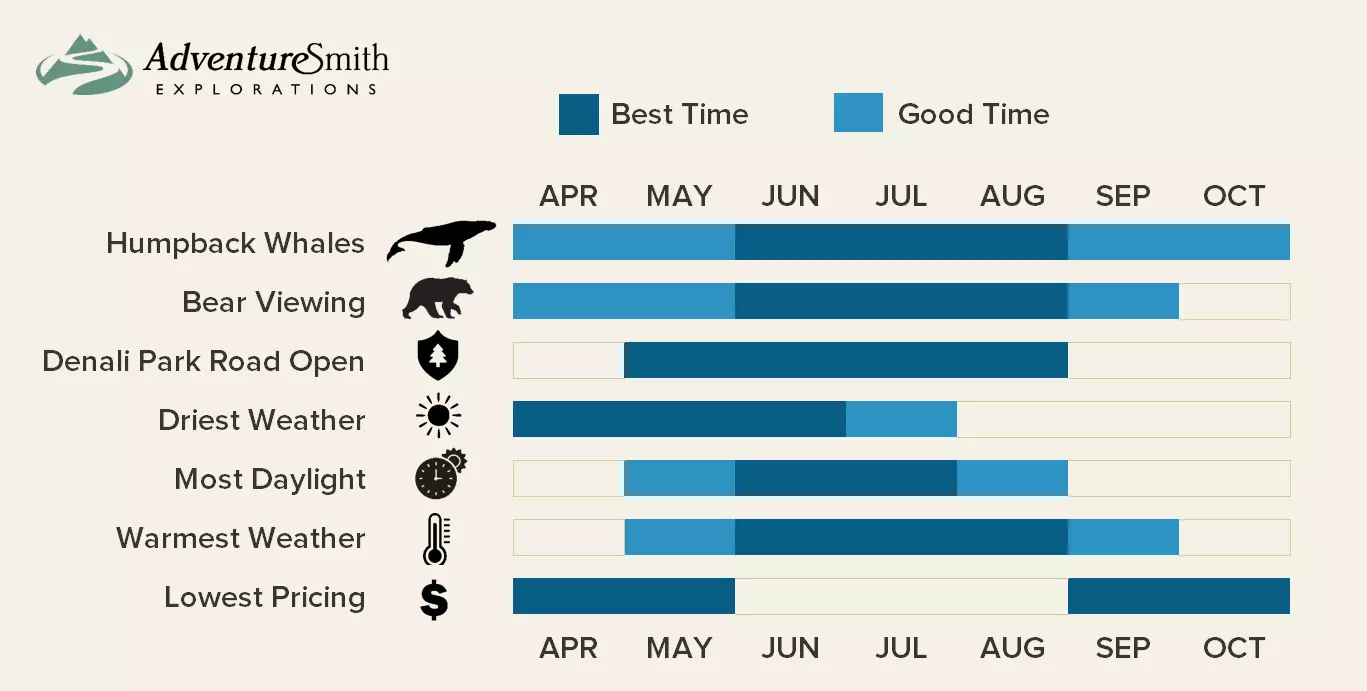
The shoulder seasons – spring (April-May) and fall (September-October) – offer a compelling alternative for travelers seeking a balance between summer’s accessibility and winter’s unique beauty, often with the added benefit of fewer crowds and more attractive pricing. These transitional months present a different kind of Alaskan experience, characterized by changing landscapes and a quieter pace.
Transitioning Landscapes and Budget-Friendly Travel
Spring in Alaska (April-May) is a time of awakening. The snow begins to melt, revealing vibrant green landscapes and burgeoning wildflowers. Wildlife emerges from hibernation, and migratory birds return, making it an excellent time for birdwatching. Rivers swell with snowmelt, offering exciting rafting opportunities as the ice breaks up. The temperatures are milder than winter but still cool, and daylight hours are rapidly increasing.
Fall in Alaska (September-October) is characterized by a spectacular burst of color. The tundra transforms into a canvas of reds, oranges, and yellows, creating stunning photographic opportunities. The salmon runs are often in full swing, attracting bears and eagles. Days are crisp and clear, but temperatures begin to drop, and daylight shortens. This is also a fantastic time for aurora viewing, especially in late September and October, before the deep cold of winter sets in.
A significant advantage of visiting during the shoulder seasons is the potential for budget-friendly travel. Flights and accommodation (hotels, B&Bs, lodges) are generally less expensive than in peak summer. Tour operators may offer discounts, and popular attractions are less crowded, allowing for a more relaxed experience. If you prefer to avoid the peak season rush while still enjoying a wide range of activities, these months are worth serious consideration.
Unique Opportunities and Considerations
While the shoulder seasons offer compelling reasons to visit, they also come with their unique set of considerations. Weather can be highly variable, with a mix of sun, rain, and even late-season snow in spring, and crisp, clear days giving way to colder temperatures and potential early snowfalls in fall. Some smaller tour operators or remote accommodations might have limited schedules or not yet be fully open (in spring) or begin to close down (in fall). It’s crucial to check ahead.
Cruises, especially those operating the Inside Passage route, often offer early and late-season sailings in April/May and September/October, providing a more serene journey with beautiful scenery and generally better prices than mid-summer. These periods are particularly appealing to photographers, naturalists, and those who appreciate the subtle shifts of nature and a more tranquil travel pace.
Tailoring Your Alaskan Adventure: Key Considerations
Ultimately, the “best” time to visit Alaska is subjective and hinges on your personal priorities and preferences. To help you make an informed decision, consider these key factors:
What Are Your Priorities?
- Wildlife Viewing: Summer (June-August) offers the most active and diverse wildlife, including bears, whales, and migrating birds.
- Northern Lights: Winter (November-March) provides the darkest skies and longest nights, with Fairbanks being a prime location. Late fall (September-October) can also be good.
- Glacier Cruising & Hiking: Summer (June-August) provides the best weather and full accessibility to parks like Denali and Kenai Fjords.
- Budget Travel: Shoulder seasons (April-May, September-October) or winter generally offer lower prices on flights and accommodation.
- Avoiding Crowds: Shoulder seasons and winter will provide a more intimate experience with fewer tourists.
- Winter Sports: Winter (November-March) is essential for activities like dog sledding, skiing, and ice fishing.
- Midnight Sun: Mid-summer (June-July) for exceptionally long daylight hours.
- Autumn Colors: Fall (September) for stunning foliage displays.
Accommodation and Logistics
Regardless of when you visit, planning is paramount. For summer travel, booking flights, hotels (including resorts, lodges, apartments, and villas), and tours several months in advance is critical due to high demand. During the shoulder seasons and winter, while more flexibility exists, checking the operating schedules of specific attractions and booking unique experiences (like aurora tours or remote lodges) in advance is still advisable. Compare booking options online, read reviews, and consider what amenities are important for your stay, whether it’s luxury travel or a more budget-conscious trip.
Transportation within Alaska varies by season. Rental cars are popular in summer for self-guided adventures, though roads can be challenging in winter. The Alaska Railroad offers scenic routes for much of the year. For reaching remote destinations, bush planes are a common and exciting mode of transport.
Essential Packing and Safety Tips
No matter the season, layering is key. Alaskan weather can change rapidly. Always include waterproof and windproof outer layers, even in summer. Sturdy, comfortable, waterproof footwear is a must for any outdoor activity. Bear spray and knowledge of bear safety protocols are recommended if you plan on hiking in the backcountry. Always inform someone of your itinerary when venturing into remote areas. For winter, specialized cold-weather gear is essential.
In conclusion, Alaska truly is a year-round destination, each season offering a distinctive and profound travel experience. Whether you dream of endless daylight and abundant wildlife in summer, the ethereal dance of the Northern Lights in winter, or the peaceful transition of the shoulder seasons, careful planning aligned with your personal desires will ensure your visit to The Last Frontier is an unforgettable one.
LifeOutOfTheBox is a participant in the Amazon Services LLC Associates Program, an affiliate advertising program designed to provide a means for sites to earn advertising fees by advertising and linking to Amazon.com. Amazon, the Amazon logo, AmazonSupply, and the AmazonSupply logo are trademarks of Amazon.com, Inc. or its affiliates. As an Amazon Associate we earn affiliate commissions from qualifying purchases.