
The majestic landmass often affectionately referred to as the “Big Island” in the Hawaiian archipelago holds the official name of the Island of Hawaii. It is the largest island in the United States and the youngest, continuing to grow with active volcanic eruptions. Far from being merely large, this island is a microcosm of diverse landscapes, vibrant cultures, and unparalleled adventures, making it a dream destination for travelers seeking everything from serene beach escapes to thrilling volcanic explorations. From its snow-capped mountains to its black sand beaches, the Island of Hawaii offers an astonishing array of experiences that cater to every type of lifestyle and travel preference, whether you’re planning a luxurious honeymoon, a budget-friendly family trip, or an adventurous solo journey.
The Island of Hawaii: A Realm of Remarkable Diversity
The Island of Hawaii’s official designation underscores its significance within the state of Hawaii. It is indeed “big” – nearly twice the size of all the other Hawaiian islands combined, a fact that contributes significantly to its unique appeal and the sheer variety of its topography and microclimates. This expansive canvas hosts 10 of the world’s 14 climate zones, ranging from tropical rainforests to arid deserts and even alpine tundra. Such profound environmental diversity is a cornerstone of the island’s allure, promising a distinct adventure around every corner.
Geographic Wonders and Volcanic Majesty
At the heart of the Island of Hawaii’s identity are its colossal volcanoes, which not only shaped its physical form but continue to define its ever-evolving landscape. The island is formed by five shield volcanoes: the youngest and most active, Kīlauea; the largest subaerial volcano in both mass and volume, Mauna Loa; the tallest mountain in the world from base to peak (when measured from the ocean floor), Mauna Kea, home to a renowned astronomical observatory; and the two dormant volcanoes, Hualālai and Kohala. The continuous activity of Kīlauea and Mauna Loa means the island is constantly expanding, offering visitors the rare opportunity to witness primal land creation in real-time. This geological dynamism is not just a spectacle; it’s a profound experience that connects visitors to the Earth’s raw power and ancient processes. Travelers are drawn to these natural wonders, considering them essential landmarks that embody the spirit of the Big Island.
A Tapestry of History and Culture
Beyond its geological marvels, the Island of Hawaii is steeped in a rich history that dates back to the arrival of Polynesian voyagers centuries ago. It was here that Captain James Cook first made contact with Hawaiians in 1778 at Kealakekua Bay, marking a pivotal moment in the islands’ history. The island also played a crucial role in the unification of the Hawaiian Islands under Kamehameha I, who was born in North Kohala and ultimately established the Kingdom of Hawaii. This heritage is preserved in numerous historical sites and national parks across the island. Visitors can explore ancient temples (heiau), royal grounds, and places of refuge, gaining insight into the intricate traditions, beliefs, and governance of early Hawaiian society. The commitment to preserving local culture is a cornerstone of tourism on the Island of Hawaii, allowing for an authentic and educational experience that transcends typical sightseeing.
Unforgettable Experiences and Must-See Landmarks
The sheer size and ecological diversity of the Island of Hawaii translate into an unparalleled array of attractions and activities. From exploring active volcanoes to diving with manta rays, the island promises an itinerary full of memorable experiences for every traveler, fitting into both adventurous and laid-back lifestyles.
From Volcanic Landscapes to Pristine Beaches
One of the most iconic natural attractions is Hawaii Volcanoes National Park, a UNESCO World Heritage Site where visitors can witness the raw power of creation as lava flows into the Pacific Ocean. The park offers breathtaking hikes across volcanic craters, through lush fern forests, and to scenic viewpoints overlooking steam vents. Beyond the fiery landscapes, the island boasts an incredible variety of beaches. Punalu’u Black Sand Beach, famous for its striking black sands created by pulverized lava, is a popular spot for sunbathing and spotting Hawaiian green sea turtles. For those seeking golden or even green sands, the island offers distinct options. Akaka Falls State Park provides a serene escape, where visitors can marvel at two majestic waterfalls cascading into a lush gorge. Meanwhile, Waipi’o Valley, known as the “Valley of Kings,” presents a dramatic landscape of towering cliffs, a black sand beach, and stunning waterfalls, offering a glimpse into ancient Hawaii. The southernmost point of the United States, Ka Lae (also known as South Point), offers dramatic cliff diving opportunities and windswept views of the vast Pacific Ocean.
Cultural Immersion and Astronomical Marvels
The Island of Hawaii also provides rich cultural and educational experiences. The ʻImiloa Astronomy Center in Hilo combines indigenous Hawaiian culture with modern astronomy, celebrating the connection between ancient wayfinding and contemporary scientific discovery. Further up Mauna Kea, the Mauna Kea Observatories represent one of the world’s premier sites for astronomical research, offering incredible stargazing opportunities from its visitor center. The island’s vibrant local culture comes alive through its numerous festivals and events, such as the internationally acclaimed Merrie Monarch Festival in Hilo, which celebrates Hula and Hawaiian culture. The Kona Coffee Cultural Festival highlights the island’s famous Kona coffee industry, offering tours and tastings. For sports enthusiasts, the Ironman World Championship held annually in Kailua-Kona is a major draw, showcasing endurance athletes from around the globe. Historic landmarks like Hulihe’e Palace and national historical parks such as Pu’uhonua o Hōnaunau National Historical Park, Kaloko-Honokōhau National Historical Park, and Pu’ukoholā Heiau National Historic Site offer profound insights into the ancient ways of life and spiritual significance of the land.
Navigating the Island: Regions, Towns, and Travel Tips
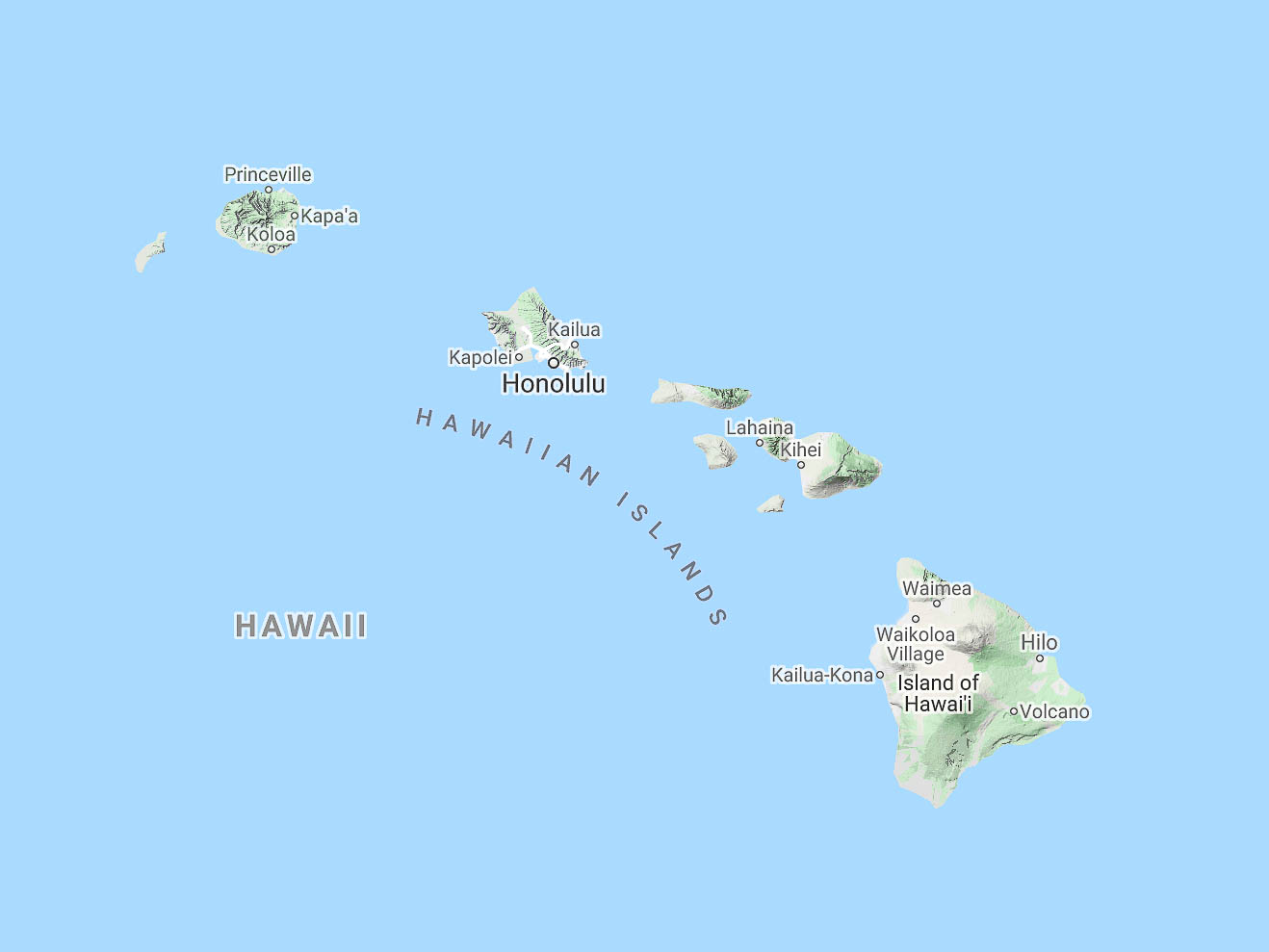
Understanding the geography of the Island of Hawaii is key to planning a seamless trip. The island effectively has two main sides, each with its own distinct character and weather patterns, influencing where travelers choose to stay and what experiences they prioritize.
Contrasting Charms of Hilo and Kailua-Kona
The eastern side of the island is dominated by Hilo, the largest city on the Big Island and a verdant hub known for its lush rainforests, frequent rainfall, and charming old-Hawaii ambiance. Hilo serves as a gateway to the volcanoes, Akaka Falls State Park, and the Panaewa Rainforest Zoo and Gardens. Attractions like Wailuku River State Park, home to Rainbow Falls and Boiling Pots, are easily accessible from Hilo. The western side, centered around Kailua-Kona, is famous for its sunny, dry climate, beautiful beaches, and vibrant resort scene. This Kona Coast is a haven for water activities like snorkeling, diving, and deep-sea fishing. Kailua Pier is a bustling center for ocean excursions and a popular spot to watch sunsets. Towns like Waimea in the northern interior offer a taste of paniolo (Hawaiian cowboy) culture with the historic Parker Ranch, while the southeastern coast near former towns like Kalapana and Pahoa reveals the ongoing impact of Kīlauea’s lava flows.
Accommodation and Lifestyle Choices
The Island of Hawaii offers a comprehensive range of accommodation options to suit every budget and lifestyle. Along the Kona Coast and in the Waikoloa Beach Resort area, luxury resorts like The Fairmont Orchid, Hawaii, Mauna Lani, Auberge Resorts Collection, Four Seasons Resort Hualalai, Hilton Waikoloa Village, Kona Village, A Rosewood Resort, and Westin Hapuna Beach Resort provide world-class amenities, stunning oceanfront settings, and exceptional service, perfect for those seeking a lavish retreat or a memorable family vacation. Mid-range hotels, such as the Courtyard by Marriott King Kamehameha’s Kona Beach Hotel and Outrigger Kona Resort and Spa, offer comfortable stays with excellent access to local attractions and activities. For budget travelers or those seeking a more authentic local experience, vacation rentals (apartments, villas), guesthouses, and charming B&Bs are available, particularly in areas like Hilo and smaller towns. Long-term stay options are also increasingly popular, allowing visitors to fully immerse themselves in the island’s rhythms. Whether you’re interested in luxury travel, a family-friendly resort, or a quiet, off-the-beaten-path experience, the diverse accommodation landscape on the Big Island ensures every traveler can find their ideal home away from home.
Planning Your Big Island Adventure
A trip to the Island of Hawaii requires a bit of planning to maximize the experience, given its expansive nature and varied attractions. Consideration of transportation, activities, and local etiquette will ensure a fulfilling journey.
Getting There and Around
The Island of Hawaii is served by two main airports: Kona International Airport (KOA) on the west side and Hilo International Airport (ITO) on the east. Most international and mainland United States flights arrive at Kona International Airport, while Hilo International Airport primarily handles inter-island flights from Honolulu (Oahu), Maui, and Kauai. Renting a car is almost essential for exploring the Big Island due to the vast distances between attractions and limited public transport. Major highways connect the main towns and sites, offering scenic drives through diverse landscapes.
Essential Tips for a Memorable Trip
To fully appreciate the wonders of the Island of Hawaii, consider these tips:
- Embrace the Diversity: Plan to spend time on both the Hilo (wet, lush) and Kona (dry, sunny) sides to experience the full spectrum of the island’s climate zones and attractions.
- Respect the Land and Culture: “Malama Aina” means to care for the land. Be mindful of environmental impacts, stick to marked trails, and respect sacred sites. Engage with local culture by attending a luau, visiting historical parks, or trying local food.
- Book in Advance: Especially for popular tours, unique accommodations, or during peak travel seasons, booking flights, hotels, and activities well in advance is highly recommended to secure your preferred options and potentially better rates.
- Pack Smart: Given the varied climates, pack layers, swimwear, sturdy hiking shoes, rain gear, and sun protection.
- Explore Beyond the Obvious: While popular spots like Hawaii Volcanoes National Park and Punalu’u Black Sand Beach are must-sees, consider venturing to lesser-known gems like Hakalau Forest National Wildlife Refuge, Laupahoehoe Point Beach Park, Manuka State Wayside, Puako Petroglyph Archaeological Preserve, Hapuna Beach State Recreation Area, Anaehoomalu Bay, Puako Bay, and Spencer Beach Park for a deeper connection with the island.
The Island of Hawaii, affectionately known as the Big Island, is more than just a name; it’s a testament to nature’s grandeur and humanity’s enduring spirit. It promises an adventure that will not only leave you with stunning photographs but also with a profound appreciation for its unique beauty and rich cultural heritage.