
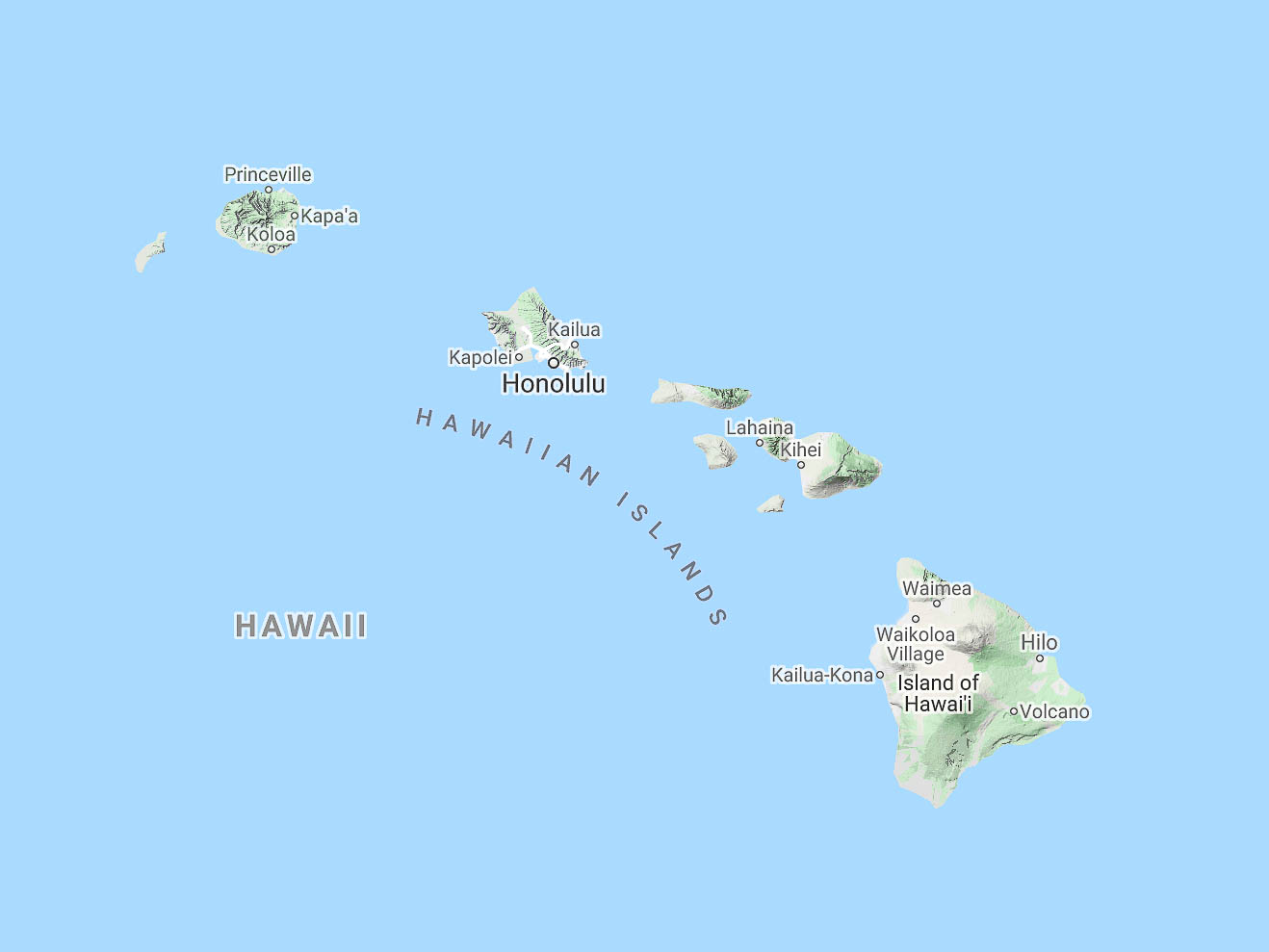
When travelers envision a Hawaiian escape, images of pristine beaches, lush rainforests, and vibrant cultures often come to mind. But for those seeking an adventure truly grand in scale, the question inevitably arises: “What is the biggest island in Hawaii?” The answer is the Island of Hawaii, affectionately and accurately known worldwide as the Big Island. Far surpassing its sister islands in sheer landmass, this magnificent destination offers a universe of landscapes, experiences, and cultural immersion that is unparalleled within the archipelago. From active volcanoes constantly reshaping its terrain to snow-capped peaks, black sand beaches, and verdant valleys, the Big Island is not just a place to visit; it’s a living, breathing testament to nature’s raw power and exquisite beauty. For any enthusiast of travel, tourism, and unique lifestyle experiences, understanding the magnitude and diversity of the Big Island is the first step towards an unforgettable journey.
The Island of Hawaii: A Realm of Unrivaled Scale and Geological Wonders
The Big Island’s moniker isn’t merely a nickname; it’s a statement of fact. As the youngest and largest of the Hawaiian Islands, it represents an ongoing geological saga, a place where the Earth is literally being born before your eyes. Its expansive size means that travelers can embark on a journey through multiple climatic zones and geographical marvels, often within a single day.
Unpacking the Big Island’s Colossal Dimensions
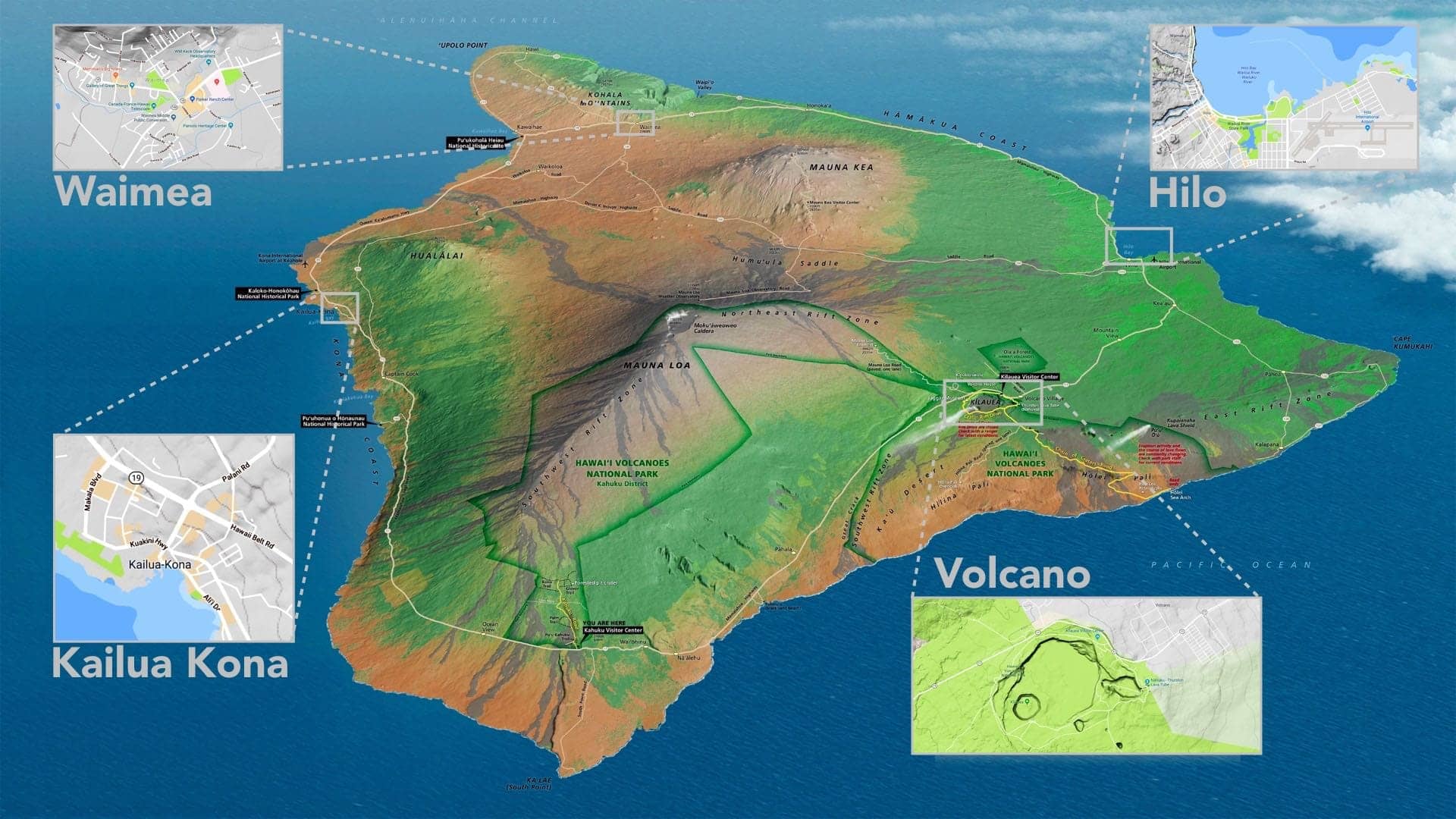
To truly grasp the Big Island’s grandeur, one must look at the numbers. Covering approximately 4,028 square miles (10,432 square kilometers), the Island of Hawaii is nearly twice the size of all the other main Hawaiian Islands combined. For comparison, Maui, the second-largest, is roughly 727 square miles, while the most populous island, Oahu, measures about 597 square miles. This vast expanse translates into incredible diversity, allowing the island to host ten out of the world’s fourteen climate zones, from humid tropical to polar tundra. Its rugged, volcanic terrain is dominated by five massive shield volcanoes: Mauna Kea, Mauna Loa, Kilauea, Hualalai, and Kohala. These geological giants have not only shaped the island’s past but continue to define its present, making it a dynamic landscape unlike any other in the United States.
A Living, Evolving Landscape
What truly sets the Big Island apart is its active geology. Kilauea, one of the world’s most active volcanoes, has been erupting almost continuously for decades, adding new land to the island’s southeastern coast. This ongoing process provides a unique opportunity for visitors to witness the creation of new land, often visible through lava glow at night or through solidified flows that stretch across the landscape like black ribbons. This constant transformation underscores the island’s youthful energy and its raw connection to the Earth’s core. Exploring trails through ancient lava tubes or walking across solidified lava fields where steam still rises from cracks offers a profound sense of geological time and the relentless power of nature. It’s a powerful reminder that the Big Island is not just a static destination but a dynamic, ever-changing environment. This geological activity makes the Big Island a must-see for anyone interested in the Earth sciences or simply seeking a destination that offers a profound connection to natural forces.
A Tapestry of Climates and Landscapes: From Volcanic Deserts to Lush Rainforests
The sheer size of the Big Island allows for an astonishing array of environments. Traveling across the island feels like traversing continents, offering something distinct for every type of adventurer, from the intrepid hiker to the serene beach-goer.
Exploring the Iconic Hawaii Volcanoes National Park
At the heart of the Big Island’s allure is Hawaii Volcanoes National Park, a UNESCO World Heritage site and a true marvel of nature. Home to two of the world’s most active volcanoes, Kilauea and Mauna Loa (the world’s largest active volcano by volume), the park offers an unparalleled opportunity to witness volcanic activity up close. Visitors can drive along scenic routes like the Chain of Craters Road, which descends from the summit of Kilauea down to the sea, passing steam vents, desolate lava fields, and impressive sea arches formed by ancient lava flows. Hiking trails lead through otherworldly landscapes, from the Thurston Lava Tube (Nahuku), a massive underground cave formed by flowing lava, to the rim of the Halema’uma’u crater, where, depending on volcanic activity, one might witness the mesmerizing glow of a lava lake at night. The park also showcases unique ecosystems adapted to volcanic soil and offers profound cultural significance to native Hawaiians, who view these volcanoes as sacred grounds and home to the goddess Pele.
The Ascent to Mauna Kea: Stargazing and Celestial Views
Towering above the Pacific, Mauna Kea is not only the highest point in Hawaii but, when measured from its base on the ocean floor, is taller than Mount Everest. Its summit, often dusted with snow in winter, houses some of the world’s most advanced astronomical observatories, drawn by the incredibly clear, dark skies and stable atmospheric conditions. A journey to Mauna Kea offers a stark contrast to the volcanic activity below. Visitors can drive up to the Onizuka Center for International Astronomy Visitor Information Station at 9,200 feet for spectacular sunset views and free stargazing programs, complete with powerful telescopes. For those venturing to the summit (preferably with a 4×4 vehicle and acclimatized to the altitude), the experience of watching the sunset over a sea of clouds, followed by an unparalleled view of the cosmos, is truly unforgettable. It’s a remarkable transition from the fiery depths of the Earth to the boundless expanse of the universe, all within a few hours’ drive.
Beaches Beyond Compare: Sands of Every Hue
The Big Island’s volcanic origins have endowed it with a striking array of beaches, defying the typical image of golden sands. Here, you can literally walk on beaches of various colors, each with its own unique charm. The most famous is Punalu’u Black Sand Beach, created by lava flowing into the ocean and shattering into tiny fragments of black volcanic rock. This stunning coastline is often graced by basking green sea turtles (honu), adding to its natural splendor. On the southern tip of the island lies Papakolea Green Sand Beach, one of only four green sand beaches in the world. Its distinctive olive hue comes from olivine crystals eroded from an ancient cinder cone. While access requires a short hike or local shuttle, the reward is a truly unique coastal experience. For those yearning for classic white sand, the resort-laden Kohala Coast on the western side of the island offers exquisite stretches like Mauna Kea Beach and Hapuna Beach State Park, perfect for swimming, sunbathing, and snorkeling in calm, turquoise waters. This incredible variety of beaches ensures that every preference, from adventurous exploration to serene relaxation, is catered to.
Lush Valleys and Waterfalls: The Verdant East
Crossing the island to its eastern side, particularly around Hilo, reveals a starkly different landscape: one of abundant rainfall, tropical rainforests, and dramatic waterfalls. Here, the moist trade winds create a verdant paradise, home to botanical gardens and stunning natural formations. Akaka Falls State Park is a prime example, offering a paved, easy loop trail through lush greenery to viewing points for two spectacular waterfalls: the 100-foot Kahuna Falls and the magnificent 442-foot Akaka Falls, which plunges into a deep gorge. Further north, the majestic Waipio Valley, known as the “Valley of the Kings,” is a place of profound historical and cultural significance. Its dramatic cliffs, cascading waterfalls, and black sand beach make it one of Hawaii’s most breathtaking panoramas. While access to the valley floor is limited to 4×4 vehicles or guided tours due to an extremely steep road, the overlook provides an awe-inspiring view that captures the essence of untamed Hawaiian beauty. This stark contrast from the volcanic west highlights the Big Island’s unparalleled environmental diversity.
Crafting Your Big Island Experience: Activities, Culture, and Culinary Delights
The vastness and varied terrain of the Big Island mean that the possibilities for activities and experiences are virtually endless, catering to every interest and energy level.
Adventure Awaits: Land, Air, and Sea
For the adventurous traveler, the Big Island is a playground. Below the surface, the crystal-clear waters off the Kona Coast are world-renowned for snorkeling and diving, particularly the unforgettable night dives with manta rays. Deep-sea fishing charters offer the chance to reel in marlin and tuna. Above ground, hiking opportunities abound, from challenging treks in Hawaii Volcanoes National Park to gentler trails through botanical gardens. Zip-lining adventures across lush canyons provide an adrenaline rush and unique aerial perspectives of the landscape. For an even more expansive view, helicopter tours offer a bird’s-eye perspective of active lava flows (when present), cascading waterfalls, and remote valleys inaccessible by land, truly emphasizing the island’s scale. Beyond the thrills, a more sedate but equally enriching activity is exploring the Kona Coffee Belt. Here, visitors can tour picturesque coffee farms, learn about the cultivation process, and sample some of the world’s most prized coffee, enjoying panoramic views of the coast as an added bonus.
Embracing Local Culture and History
The Big Island is steeped in rich Hawaiian history and culture, offering numerous opportunities for immersion. Pu’uhonua o Honaunau National Historical Park, often called the “Place of Refuge,” is a sacred site where ancient Hawaiian lawbreakers could seek sanctuary. Walking through its meticulously preserved grounds provides a profound insight into traditional Hawaiian society, justice, and spirituality. Throughout the island, local markets, especially the Hilo Farmers Market, offer a vibrant glimpse into local life, showcasing fresh produce, handcrafted goods, and regional specialties. Attending a traditional luau is another popular way to experience Hawaiian culture through food, music, and hula dancing, often set against a stunning ocean backdrop. These experiences, coupled with the inherent aloha spirit of the local residents, offer a deeper appreciation for the unique heritage of Hawaii.
A Taste of the Big Island
The Big Island’s diverse climates also contribute to a fantastic culinary scene focused on fresh, local ingredients. Beyond the famous Kona coffee, the island is a haven for foodies. Fresh seafood, caught daily, is a staple, with poke bowls, grilled mahi-mahi, and sushi being popular choices. Tropical fruits like papayas, mangoes, and lychees are abundant and incredibly flavorful. Farm-to-table dining has a strong presence, especially in the areas around Kona and Hilo, offering innovative dishes that highlight the island’s bounty. Don’t forget to try local treats like shave ice, malasadas (Portuguese donuts), and poi for an authentic taste of Hawaiian comfort food. The blend of traditional Hawaiian flavors with international influences makes dining on the Big Island an adventure in itself.
Choosing Your Perfect Stay: Accommodation and Lifestyle on the Big Island
Given its vastness, selecting the right accommodation on the Big Island is crucial for tailoring your travel experience. Different regions offer distinct vibes and accessibility to attractions, catering to a wide range of lifestyles and budgets.
From Luxury Resorts to Quaint Retreats
The Kohala Coast on the western side of the island, north of Kona, is renowned for its world-class luxury resorts. Destinations like Waikoloa boast opulent hotels with championship golf courses, sprawling pools, spas, and direct access to pristine white sand beaches. These resorts cater to those seeking a pampered, amenity-rich experience, ideal for luxury travel, honeymoons, or family trips where relaxation and convenience are top priorities. For a more intimate and authentic experience, charming bed and breakfasts and vacation rentals can be found scattered across the island, particularly in smaller towns and along the scenic Hamakua Coast. These options often provide a deeper connection to local life and are ideal for budget travel or long-term stays. In Hilo, on the wetter east side, you’ll find a mix of smaller hotels and local guesthouses, perfect for exploring the rainforests, waterfalls, and Hawaii Volcanoes National Park without the high-end resort prices of the west.
Navigating Your Stay: Tips for Big Island Exploration
Due to the sheer size of the Big Island and the distances between its major attractions, renting a car is not just recommended, it’s virtually essential. This allows the freedom to explore at your own pace and access remote areas. Planning your itinerary is key to maximize your time, as driving from Hilo to Kona can take over two hours, and even longer if you take the scenic southern route. Considering a split stay, perhaps a few nights in Hilo to explore the east and volcanic park, and then moving to Kona or the Kohala Coast for beach activities and sunsets, can be an effective strategy for first-time visitors. The best time to visit generally spans from spring to fall for drier weather, but the island’s varied climates mean there’s always a sunny spot to be found. Whether you’re planning a romantic getaway, a family adventure, or a solo exploration, the Big Island offers accommodation and experiences to fit every lifestyle, ensuring a truly personalized Hawaiian journey.
In conclusion, the Island of Hawaii, the undisputed Big Island, stands as the grandest jewel in the Hawaiian Islands crown. Its immense size is matched only by its incredible diversity, offering a unique blend of active volcanoes, snow-capped mountains, black, green, and white sand beaches, and lush tropical rainforests. From the dramatic landscapes of Hawaii Volcanoes National Park to the celestial wonders of Mauna Kea, and from thrilling ocean adventures to deep cultural immersion, the Big Island promises an experience that is as vast and varied as the island itself. It’s not just the biggest; it’s arguably the most captivating, offering a comprehensive and unforgettable Hawaiian journey for every traveler.
LifeOutOfTheBox is a participant in the Amazon Services LLC Associates Program, an affiliate advertising program designed to provide a means for sites to earn advertising fees by advertising and linking to Amazon.com. Amazon, the Amazon logo, AmazonSupply, and the AmazonSupply logo are trademarks of Amazon.com, Inc. or its affiliates. As an Amazon Associate we earn affiliate commissions from qualifying purchases.