
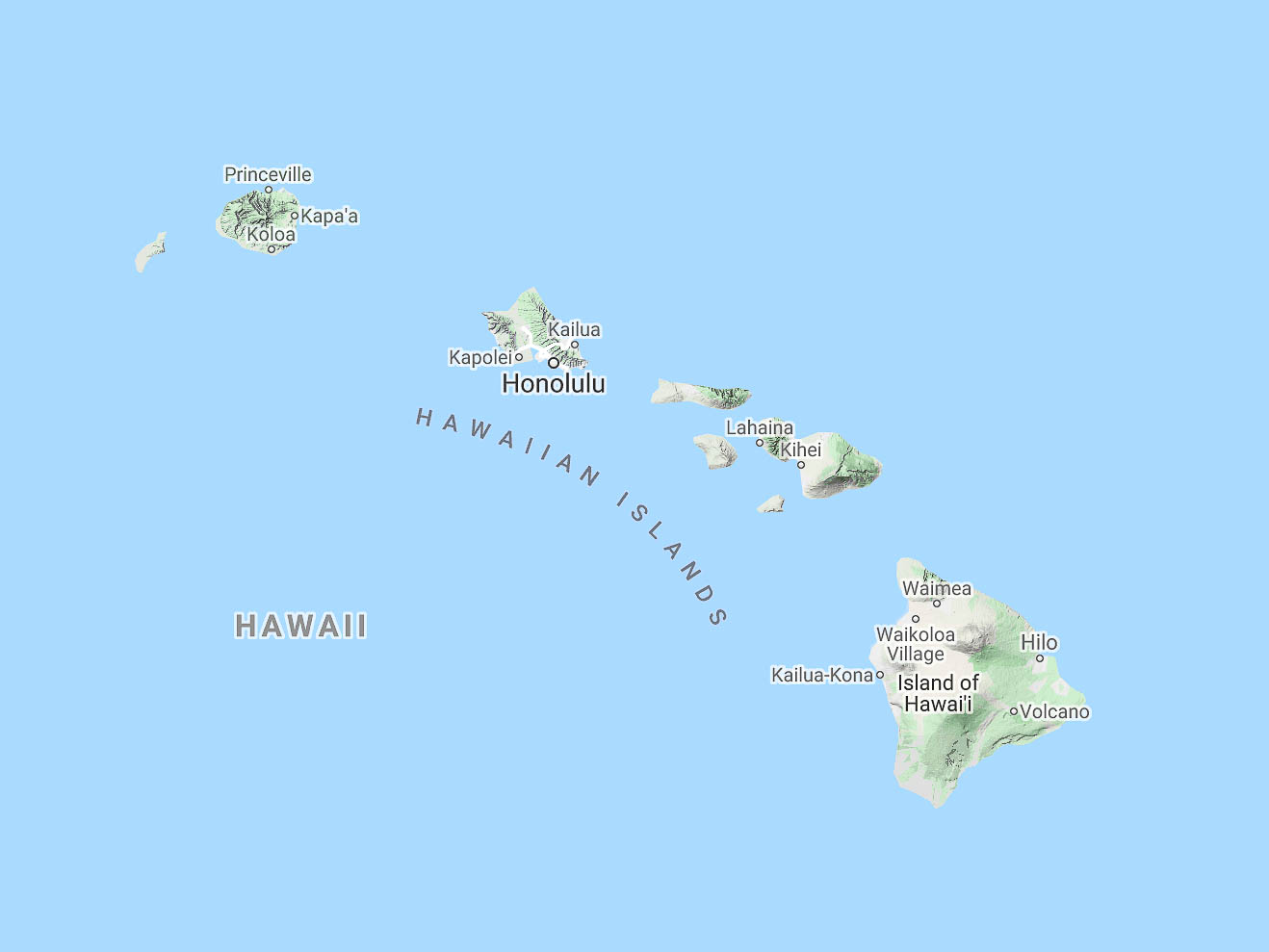
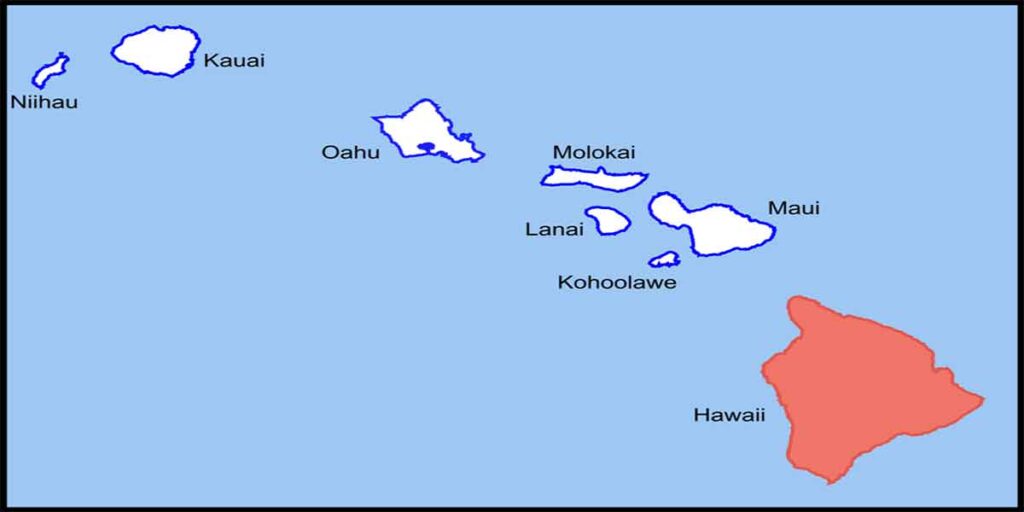
The Hawaiian Islands are a breathtaking archipelago that conjures images of pristine beaches, lush rainforests, and the spirit of aloha. For many travelers, the allure of Hawaii lies in its diverse landscapes and unique cultural tapestry, spread across several distinct islands. When planning a trip or simply indulging in a geographical curiosity, one question often arises: “What is the biggest island in Hawaii called?” The answer is unequivocal: it’s the island of Hawaii, often referred to as the Big Island. This moniker isn’t just a nickname; it accurately reflects its sheer size and the incredible variety of experiences it offers, making it a paramount destination for any explorer of the Pacific.
Exploring the Grandeur of the Big Island
The Big Island of Hawaii stands apart from its sister islands in more ways than one. Geologically, it is the youngest and largest of the Hawaiian Islands, a fact that directly contributes to its dramatic and ever-changing landscapes. Unlike the more eroded and gentler topography of older islands like Maui or Oahu, the Big Island boasts active volcanoes, vast lava fields, and towering mountains that showcase the raw power of creation. This dynamism translates into an unparalleled diversity of environments, from snow-capped peaks to tropical rainforests and arid coastal plains, all within the confines of a single island.
Natural Wonders and Geological Marvels
The most compelling reason for the Big Island’s immense appeal is its extraordinary natural beauty, largely shaped by volcanic activity. The island is home to Hawaii Volcanoes National Park, a UNESCO World Heritage site and a testament to the island’s ongoing formation. Here, visitors can witness the awe-inspiring power of Kīlauea, one of the world’s most active volcanoes, and Mauna Loa, the largest volcano on Earth by volume. The park offers a unique opportunity to explore volcanic craters, walk through lava tubes, and observe the fascinating process of land creation. The stark beauty of the recent lava flows, contrasted with the vibrant green of newly colonizing plant life, is a profound reminder of nature’s resilience.
Beyond the active volcanic zones, the Big Island offers a wealth of other natural wonders. The Waipi’o Valley, a sacred and historically significant area, plunges dramatically from the plateau to the ocean, boasting sheer cliffs, black sand beaches, and powerful waterfalls. Exploring this valley, whether by guided tour or a challenging hike, provides a glimpse into ancient Hawaiian life and the profound connection between the people and the land.
For those drawn to the ocean, the Big Island’s coastline is equally captivating. From the popular snorkeling and diving spots off Kona to the dramatic sea cliffs of the Hamakua Coast, the waters surrounding the island teem with marine life. Manta ray night dives and swims, particularly in Keauhou Bay, offer an unforgettable encounter with these gentle giants. The island’s diverse marine ecosystems, including vibrant coral reefs and protected bays, make it a haven for sea turtles, dolphins, and a myriad of colorful fish.
The Diverse Climates and Landscapes of the Big Island
The sheer size of the Big Island results in an astonishing array of climate zones. It’s not uncommon to experience multiple climates within a single day’s drive. The western side, known as Kona, is typically sunny and arid, characterized by rolling hills, coffee plantations, and charming beach towns. This is where many of the luxury resorts and vacation rentals are clustered, offering a quintessential Hawaiian beach vacation experience.
In contrast, the eastern side, or Hilo side, is lush, verdant, and experiences significantly more rainfall. This is the domain of dense tropical rainforests, abundant waterfalls like the iconic Akaka Falls, and a more laid-back, local atmosphere. The Hilo area is a gateway to exploring the Hamakua Coast and the Puna district, known for its rugged beauty and unique geological features.
Further inland, the landscape transforms dramatically. The slopes of Mauna Kea, a dormant volcano, are home to some of the world’s most advanced astronomical observatories. At over 13,800 feet, the summit is often dusted with snow, creating a surreal juxtaposition with the tropical environment below. Visitors can drive up to the visitor information station for stargazing programs, and with the right vehicle and preparation, even reach the summit for unparalleled views of the cosmos and breathtaking sunsets. This elevation also leads to a unique alpine climate, vastly different from the coastal regions.
Unforgettable Experiences on the Big Island
The Big Island offers a wealth of activities and experiences that cater to every type of traveler, from the adventure seeker to the relaxation enthusiast and the culturally curious. Its vastness means that you can spend weeks here and still uncover new wonders.
Adventure and Exploration
For those seeking adventure, the Big Island is a playground. Hiking trails abound, ranging from easy coastal walks to challenging multi-day treks through volcanic landscapes. Exploring Hawaii Volcanoes National Park offers opportunities for guided hikes across lava fields or into the caldera of Kīlauea. For a unique adrenaline rush, consider a helicopter tour over the active volcano or the dramatic coastline for a perspective that can only be achieved from the air.
Water sports are naturally a major draw. Snorkeling and diving in the clear waters off Kona reveal a vibrant underwater world. Kayaking along the coast provides a more intimate connection with the ocean, allowing exploration of hidden coves and sea caves. For surfers, the breaks on the northern coast, such as those near Hawi, offer challenging waves, while more gentle spots can be found for beginners.
Cultural Immersion and Local Life
The Big Island is steeped in rich Hawaiian history and culture, offering visitors a chance to connect with the spirit of aloha beyond the tourist resorts. Visiting ancient Hawaiian sites, such as the Pu’uhonua o Hōnaunau National Historical Park, offers a profound insight into the island’s past and the traditions of the Hawaiian people. This sacred place, meaning “Place of Refuge,” was once a sanctuary for those who broke the ancient laws.

Exploring local markets in towns like Hilo and Kona allows you to sample local produce, artisanal crafts, and delicious Hawaiian cuisine. Don’t miss the opportunity to try poke, shave ice, and the locally grown Kona coffee. Attending a traditional luau provides a festive evening of food, music, and hula dancing, offering a lively glimpse into Hawaiian hospitality and entertainment.
Relaxation and Luxury
Despite its adventurous spirit, the Big Island also excels in providing opportunities for relaxation and luxury. The western coast, particularly around Kailua-Kona, is home to a variety of world-class resorts and hotels. These accommodations often feature stunning ocean views, expansive pools, rejuvenating spas, and fine dining options, offering a perfect base for unwinding after a day of exploration.
For those seeking a more private and secluded experience, villas and apartments are available for rent, providing a home-away-from-home atmosphere with the flexibility to tailor your stay. Whether you prefer to wake up to the sound of the ocean in a beachfront villa or enjoy the amenities of a luxury resort, the Big Island caters to a discerning clientele looking for comfort and tranquility.
Accommodation Options on the Big Island
When visiting the Big Island, choosing the right accommodation is key to enhancing your travel experience. The island’s diversity is reflected in its wide range of lodging options, from luxurious resorts to charming vacation rentals and cozy boutique hotels.
Resorts and Hotels
The western coast, particularly the Kohala Coast and areas around Kailua-Kona, is renowned for its high-end resorts. These establishments often offer a comprehensive array of amenities, including multiple swimming pools, championship golf courses, world-class spas, and a variety of dining venues. Properties like the Mauna Lani, Auberge Resorts Collection and the Four Seasons Resort Hualalai exemplify the luxury experience, providing impeccable service and breathtaking oceanfront settings. For travelers seeking a more lively atmosphere, hotels in Kailua-Kona offer easy access to shops, restaurants, and historical sites.
On the eastern side, particularly in Hilo, accommodations tend to be more modest but offer a genuine local charm. You’ll find comfortable hotels and inns that serve as excellent bases for exploring the lush rainforests and waterfalls of the Hamakua Coast. These options often provide a more authentic feel, allowing visitors to immerse themselves in the local culture and pace of life.
Vacation Rentals and Apartments
For travelers seeking more independence or extended stays, vacation rentals and apartments are an excellent choice. The Big Island has a diverse selection of these properties, ranging from cozy studios to spacious multi-bedroom homes. These can be found in both popular tourist areas and more secluded, residential neighborhoods. Renting a condo or a house provides the flexibility of preparing your own meals, enjoying a private living space, and experiencing the island like a local. Websites and agencies specializing in Hawaiian accommodation can help compare prices and find the perfect fit for families, couples, or solo travelers. Long-term stay options are also available for those wishing to sabbatical or experience island life for an extended period.
Planning Your Trip to the Biggest Island
To truly appreciate the Big Island, careful planning is essential. Its sheer size necessitates a strategic approach to itinerary building to maximize your time and minimize travel fatigue. Understanding the island’s geography and the distribution of its attractions is crucial for an enriching experience.
Navigating the Big Island
Renting a car is almost essential for exploring the Big Island. Public transportation is limited, and the distances between attractions can be significant. When choosing a rental car, consider the terrain you plan to explore. While a standard car is suitable for most main roads, a 4×4 vehicle may be beneficial if you plan to venture onto unpaved roads, particularly to access remote beaches or higher elevations like Mauna Kea.
When planning your routes, consider grouping activities by region. For instance, dedicate several days to exploring the Volcanoes National Park and the southern part of the island. Then, allocate time for the lush Hilo and Hamakua Coast on the eastern side, and the sunny beaches and resorts of Kona and the Kohala Coast on the west. Remember that driving between these regions can take several hours, so factor this into your daily schedule.
Best Times to Visit
The Big Island enjoys pleasant weather year-round, making it a desirable destination at any time. However, there are nuances to consider. The dry season, generally from April to October, offers more consistent sunshine, particularly on the western side, making it ideal for beach activities and outdoor exploration. This is also peak tourist season, so expect larger crowds and higher prices for flights and accommodation.
The wet season, from November to March, brings more rainfall, especially to the eastern side, which can result in more vibrant greenery and dramatic waterfalls. While some travelers might be deterred by the rain, this period can offer a more tranquil experience with fewer crowds and potentially lower costs. This season also brings larger surf to the north and west shores, attracting experienced surfers. Regardless of the season, always check the weather forecast and be prepared for the diverse microclimates the island offers.
Ultimately, the Big Island of Hawaii is a destination that defies simple categorization. Its immense size is not merely a statistic but a promise of unparalleled diversity, adventure, and natural splendor. From the fiery heart of its volcanoes to the serene beauty of its coastlines, this island offers an experience that is as vast and varied as the Pacific Ocean itself. It is a place where the raw power of nature meets the enduring spirit of aloha, leaving an indelible mark on every traveler fortunate enough to explore its wonders.