
Venturing through the Golden State, from the sun-drenched beaches of San Diego to the bustling cityscapes of San Francisco, travelers are often captivated by its diverse landscapes, iconic landmarks, and vibrant cultural tapestry. Whether you’re planning a luxury escape to Beverly Hills, a family adventure to Disneyland Resort in Anaheim, or a tranquil retreat to Napa Valley wine country, understanding the nuances of local expenditures is key to a smooth and enjoyable trip. Among these, the California sales tax stands out as a fundamental component of the cost of goods and certain services throughout your journey.
Unlike some other states in the United States, California has a relatively high sales tax rate, and it’s not a uniform figure across the entire state. This can sometimes lead to surprises for visitors, especially when factoring in the various local district taxes that contribute to the final price. For travelers focused on budgeting for accommodations, souvenirs, dining experiences, or even the small conveniences bought at a hotel gift shop, a clear grasp of how sales tax works in California is invaluable. This article aims to demystify the California sales tax, offering insights into its structure, regional variations, and practical implications for tourists, ensuring your travel plans remain as golden as the state itself.
Unpacking the California Sales Tax Landscape
The sales tax in California is a multi-layered system, comprising a statewide base rate and various local district taxes. This structure ensures that essential public services are funded at both the state and local levels, supporting the infrastructure and amenities that make California such a desirable destination for tourism and lifestyle. Understanding these layers is the first step to accurately predicting the total cost of your purchases.
The Statewide Baseline: A Foundation for Understanding
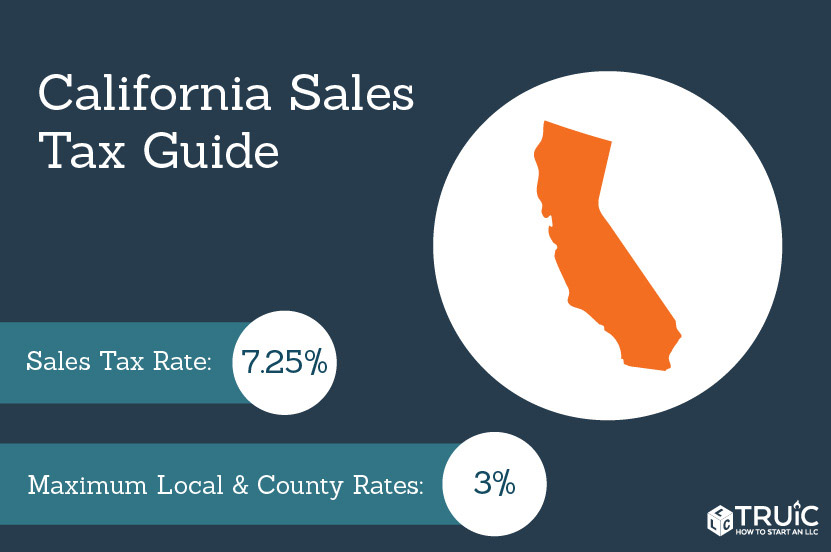
At its core, California imposes a standard statewide sales tax rate. As of recent updates, this base rate is 7.25%. This percentage is applied uniformly across all cities and counties in California, serving as the foundational component of every sales tax calculation. This means that no matter where you are in the state, from the northern forests near Lake Tahoe to the southern deserts of Palm Springs, this 7.25% will always be part of the sales tax you pay on eligible items.
This statewide tax is a crucial source of revenue for the California state government. The funds generated from this tax contribute to a vast array of essential state-level services. These include, but are not limited to, public education, healthcare programs, social services, and the maintenance and development of the state’s extensive transportation infrastructure, such as highways and bridges – vital for travelers navigating the expansive state. Additionally, a portion supports environmental protection initiatives, ensuring the preservation of California’s stunning natural beauty, from the majestic redwoods of the Mendocino Coast to the awe-inspiring vistas of Yosemite National Park. Understanding this baseline is crucial, as it sets the stage for the additional complexities introduced by local district taxes.
Decoding District Taxes: Local Variations and Their Impact
Beyond the statewide rate, the California sales tax system incorporates what are known as “district taxes.” These are additional sales taxes levied by specific cities, counties, or special purpose districts within the state. These district taxes are added on top of the 7.25% statewide rate, leading to the varying total sales tax rates observed across different localities. The purpose of these district taxes is to fund local projects and services that directly benefit the communities where they are collected.
For example, a city might impose a district tax to fund public safety initiatives, improvements to local parks and recreation facilities, or specific transportation projects unique to that area. A county might use its district tax revenue for broader infrastructural upgrades or to support local cultural attractions. These local surcharges reflect the specific needs and priorities of individual communities within California. This means that while a souvenir purchased in Sacramento will include the 7.25% state tax, it will also include Sacramento’s specific district taxes, resulting in a higher total rate than if the same item were purchased in a different county with fewer or lower local taxes.
For travelers, this layered system means that the total sales tax can fluctuate significantly depending on their exact location. Whether you are shopping for designer goods in Beverly Hills, grabbing a casual meal near the Golden Gate Bridge in San Francisco, or purchasing necessities during a long-term stay in Long Beach, the final price will be influenced by the specific combination of state and local district taxes applicable to that precise point of sale. This dynamic aspect of the sales tax is a key consideration for anyone planning their budget or comparing prices across different regions of the state.
Navigating Sales Tax in Popular California Destinations
The allure of California often lies in its incredibly diverse regions, each offering unique experiences. From the cosmopolitan flair of Los Angeles to the serene beauty of Big Sur, the financial landscape, including sales tax, shifts with the geography. Understanding these regional differences is vital for any traveler looking to make the most of their California adventure, whether it’s a luxury getaway or a budget-conscious exploration.
Regional Differences: What to Expect Across the Golden State
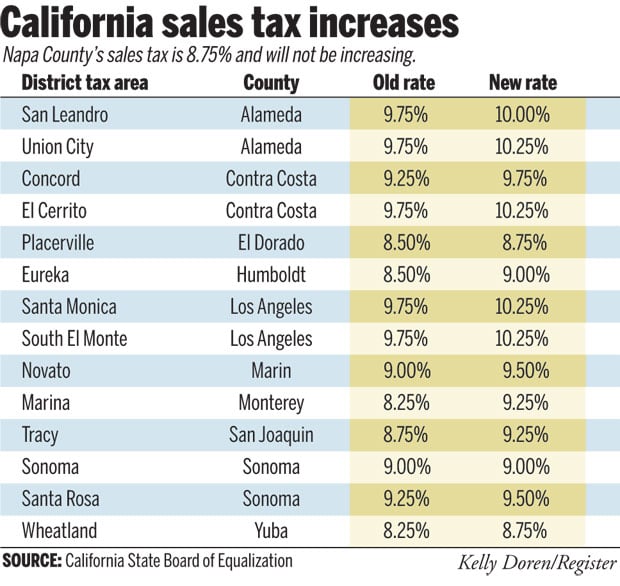
The combined state and district sales tax rates in California can vary quite dramatically, presenting a patchwork of percentages across its 58 counties and numerous cities. While the 7.25% state rate is constant, the additional district taxes can range from as little as 0.10% to over 3%, significantly impacting the final sales tax rate.
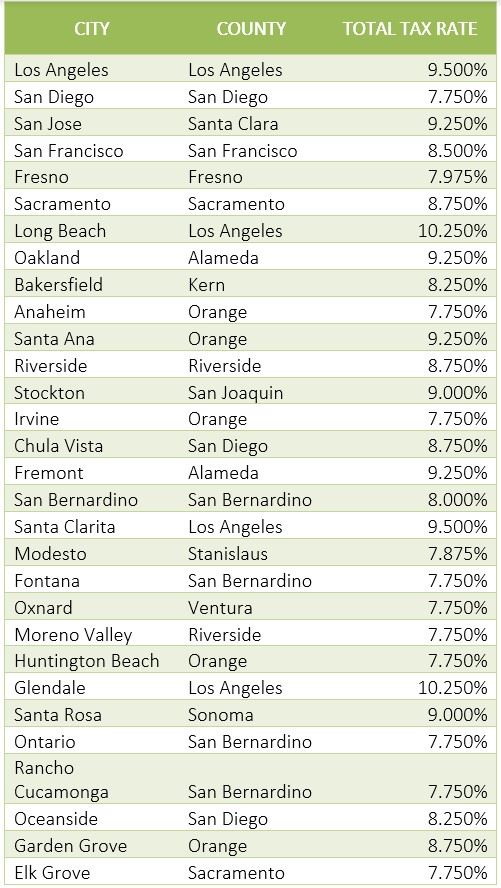
For instance, visitors to major metropolitan areas often encounter some of the higher sales tax rates. In Los Angeles County, particularly in the city of Los Angeles itself, combined rates can hover around 9.5% to 10.25% depending on specific districts, reflecting the extensive local services and infrastructure demands of a global city. Similarly, San Francisco, with its high cost of living and robust public transit systems, sees rates often in the 8.625% to 8.75% range.
Other significant regions also show variations. Orange County, home to popular attractions like the Disneyland Resort, generally has rates around 7.75% to 8.75%. In the tech hub of Santa Clara County, often associated with Silicon Valley, rates can be around 9.25%. Even less populous areas like El Dorado County in the Sierra Nevada foothills or Imperial County near the Mexican border will have their own specific rates, which might be closer to the state minimum or slightly higher due to local measures. These variations mean that a luxury watch purchased in Beverly Hills could incur a different sales tax amount than the exact same watch bought in Santa Barbara, even if the pre-tax price is identical. For savvy shoppers and meticulous budgeters, knowing the specific rates for their destination cities is a crucial piece of travel planning.
How Sales Tax Influences Your Travel Budget and Shopping
The varying sales tax rates directly impact the overall cost of a California trip, particularly for those who plan to indulge in shopping, dining, and other purchases beyond their basic accommodation. For travelers on a budget, an extra 1% or 2% on purchases can add up significantly over the course of a week-long trip, especially if they are making numerous retail purchases or dining out frequently.
Consider a family trip to Southern California. The cost of souvenirs at Universal Studios Hollywood, meals at theme park restaurants, and clothes from a mall in Orange County will all be subject to the local sales tax. If their itinerary includes a drive up the Pacific Coast Highway to San Francisco for more shopping and fine dining, they might encounter different rates. For those enjoying a luxury travel lifestyle, where high-value purchases like art, designer clothing, or expensive wines from Wine Country are part of the experience, the sales tax can add hundreds, if not thousands, of dollars to the final bill.
Conversely, understanding these rates allows for more strategic budgeting. If a traveler knows that a specific item is significantly cheaper in a district with a lower sales tax, they might plan their purchases accordingly. For hotels, while the room rate itself is subject to a separate Transient Occupancy Tax (TOT), any items bought from the hotel gift shop, mini-bar snacks, or in-house restaurant meals will have sales tax applied. This knowledge is especially useful for long-term stays where routine purchases contribute substantially to the overall expenditure. Being aware of these regional sales tax differences empowers travelers to manage their finances effectively, whether they are stretching a tight budget or splurging on an unforgettable California experience.
What’s Taxed and What’s Not: Essential Knowledge for Visitors
Understanding the types of goods and services subject to sales tax in California is crucial for any visitor. This knowledge helps in planning expenditures and avoiding unexpected costs, allowing for a more focused approach to enjoying attractions, dining, and shopping. While the general rule is that tangible personal property is taxed, there are important distinctions and exemptions that can affect your travel budget.
Goods and Services Subject to Sales Tax
In California, sales tax is generally applied to the retail sale of tangible personal property. This broad category covers most physical goods that you might purchase during your travels. For tourists, this includes a wide array of typical expenditures:
- Retail Purchases: This is the most common application. Any item bought from a store – be it clothing, electronics, books, souvenirs from landmarks like the Hollywood Walk of Fame, art, or household goods – will be subject to sales tax. Whether you’re upgrading your camera in Los Angeles or buying local crafts in Carmel-by-the-Sea, expect sales tax to be added.
- Prepared Food and Restaurant Meals: When you dine out, whether it’s at a fine dining establishment in Napa Valley, a casual cafe in San Francisco, or fast food near the Disneyland Resort, the sales tax will be applied to your entire bill (excluding tips, which are voluntary service payments). This also includes grab-and-go items considered “prepared food,” such as sandwiches, salads from a deli, hot coffee, or bakery items ready for immediate consumption.
- Hotel Incidentals: While the room rate itself is subject to TOT, other purchases within your accommodation are subject to sales tax. This includes items from the mini-bar, snacks and drinks bought from the hotel gift shop, and meals ordered via room service or consumed at the hotel’s restaurants.
- Rental Items: Sales tax typically applies to the rental of tangible personal property, such as renting a surfboard at a Santa Monica beach, renting certain equipment for outdoor activities, or even the rental of a movie. However, specific taxes often apply to car rentals, which are distinct from the general sales tax.
- Digital Goods: While generally services are not taxed, the line can blur with digital goods. For items like software or digital products delivered electronically, the taxability can depend on whether the product is considered a tangible good or a service, which is a continuously evolving area of tax law.
It’s important to note that pure services, such as a haircut, a spa treatment, or a guided tour, are generally not subject to California sales tax. However, if a service involves the transfer of tangible personal property – for example, a massage therapist selling you a lotion after the session – then that product portion would be taxed. This distinction between goods and services is key for travelers planning their activities and lifestyle expenditures.
Notable Exemptions: Saving Opportunities for Smart Travelers
While most tangible goods are taxed, California provides several significant exemptions that can offer saving opportunities, especially for visitors on longer stays or those focused on budget travel.
The most notable and beneficial exemption for almost every traveler is unprepared food products, commonly referred to as groceries. If you visit a supermarket or grocery store and purchase items that require preparation (e.g., raw ingredients, fresh produce, packaged meats, dairy products, most canned goods), these items are exempt from sales tax. This is a considerable advantage for families or individuals staying in accommodations with kitchenettes, such as apartments or villas, who plan to cook some of their meals. For example, buying ingredients for a picnic lunch to enjoy at Griffith Observatory or preparing breakfast at your San Diego vacation rental won’t incur sales tax on the food items themselves. This exemption highlights the distinction from “prepared food” purchased at restaurants or delis, which is taxed.
Other key exemptions include:
- Prescription Medications: All prescription medicines, whether dispensed by a pharmacy or a physician, are exempt from sales tax. This is a vital exemption for residents and visitors alike.
- Certain Medical Devices: Specific medical devices and mobility aids are also exempt, though this is less likely to impact the typical tourist.
- Newspapers and Periodicals: Generally, sales of newspapers and most magazines are exempt from sales tax.
- Sales for Resale: Businesses purchasing items for resale are not charged sales tax at the time of purchase, as the tax is applied when the item is finally sold to the end consumer.
Being aware of these exemptions allows savvy travelers to optimize their spending. Opting for groceries over constant dining out, especially for breakfast or simple lunches, can lead to noticeable savings over the course of a trip, enabling a more flexible budget for attractions, experiences, or luxury indulgences. These exemptions are particularly relevant for those seeking a more economical travel lifestyle or planning extended family trips.
Practical Tips for Managing Sales Tax on Your California Trip
Embarking on a California journey promises unforgettable memories, but effectively managing your expenses, particularly the often-overlooked sales tax, can significantly enhance your experience. A little foresight can go a long way in ensuring your travel budget stretches further, whether you’re exploring the vibrant culture of Los Angeles or the serene beauty of Catalina Island.
Budgeting and Awareness: Planning Ahead
The most effective strategy for handling sales tax is to always factor it into your budget. Many travelers make the mistake of only accounting for the advertised price, leading to an unwelcome surprise at checkout. Here are some key considerations for planning ahead:
- Research Local Rates: Before heading to a specific city or county, take a moment to look up its current combined sales tax rate. A quick online search for “[City Name] California sales tax” will usually provide the most up-to-date information. Knowing that San Francisco or Alameda County might have a higher rate than Sacramento can help you decide where to make larger purchases.
- Assume Tax is Extra: When browsing menus, souvenir shops, or retail stores, always assume that the price displayed does not include sales tax. Mentally add an extra 8-10% to the listed price for a more accurate estimate of the final cost. This simple habit can prevent budget overruns, particularly on shopping sprees or when dining at popular tourist spots.
- Utilize Grocery Exemptions: As highlighted, unprepared food is sales tax-exempt. If you’re staying in a hotel suite or apartment rental with kitchen facilities, consider buying groceries for breakfast, snacks, and some lunches. This not only saves on sales tax but can also be significantly cheaper than dining out for every meal, freeing up funds for premium experiences or accommodation upgrades.
- Consider Timing of Purchases: For high-value items, if your itinerary takes you through areas with different sales tax rates, it might be strategic to make those purchases in the locale with the lowest rate. This often requires careful planning but can lead to tangible savings.
By adopting these budgeting and awareness practices, you transform sales tax from a potential annoyance into a manageable element of your travel finances, allowing you to focus more on the incredible destinations and experiences California has to offer.
Impact on Key Travel Expenses
Sales tax impacts various facets of a California trip, and being mindful of its application to specific expenses can help you manage your overall spending more effectively.
- Dining Out: Restaurant meals are perhaps the most frequent point where sales tax is applied. Whether you’re enjoying gourmet cuisine in Napa Valley or a casual meal near Venice Beach, the total cost will include sales tax. For a party of four spending $100 on dinner, an 8% sales tax adds $8, and this adds up rapidly over several meals. Remember that tips are generally not subject to sales tax, as they are a gratuity for service, not a sale of goods.
- Shopping Sprees: From luxury boutiques on Rodeo Drive in Beverly Hills to souvenir shops along Pier 39 in San Francisco, every piece of tangible merchandise you buy will have sales tax added. If you plan extensive shopping, particularly for electronics or high-fashion items, the cumulative effect of sales tax, especially in districts with higher rates, can be substantial. Factor this into your luxury travel budget.
- Accommodation Incidentals: While the hotel room itself is subject to TOT (Transient Occupancy Tax), any other physical goods purchased within the hotel premises—like items from the mini-bar, snacks from a vending machine, or products from the hotel’s gift shop—will incur sales tax. This is particularly relevant for those who enjoy the convenience of hotel amenities.
- Rental Cars & Fuel: It’s important to distinguish here. The rental car itself typically has specific rental car taxes and fees, which are separate from general sales tax. However, any physical items purchased at the rental counter (e.g., maps, car accessories) would be subject to sales tax. Fuel purchases at gas stations, on the other hand, do include sales tax on the price of the gasoline, although the gas price displayed already reflects these embedded taxes. This is a critical point for travelers planning road trips along scenic routes like the Pacific Coast Highway.
By keeping these specific impacts in mind, you can gain a clearer picture of your financial outflows during your California adventure. Whether you are budgeting for a family vacation, a romantic getaway, or a business stay, understanding how and where sales tax applies will ensure a smoother, more predictable, and ultimately more enjoyable experience in the Golden State. Safe travels!
LifeOutOfTheBox is a participant in the Amazon Services LLC Associates Program, an affiliate advertising program designed to provide a means for sites to earn advertising fees by advertising and linking to Amazon.com. Amazon, the Amazon logo, AmazonSupply, and the AmazonSupply logo are trademarks of Amazon.com, Inc. or its affiliates. As an Amazon Associate we earn affiliate commissions from qualifying purchases.