
When one thinks of New York, images of towering skyscrapers, iconic yellow cabs, Broadway shows, and the bustling energy of Manhattan immediately spring to mind. It’s a natural assumption, then, that New York City must be the capital of this vibrant state. After all, it’s a global epicenter of finance, culture, fashion, and media, a magnet for millions of travelers and a symbol of American ambition. However, this common misconception masks a rich history and a fascinating story of a lesser-known but equally significant city that holds the true political heart of the Empire State.
The actual capital of New York State is Albany. This revelation often surprises many, even those who have lived in the state for years. Nestled on the western bank of the Hudson River, approximately 150 miles north of New York City, Albany plays a pivotal role in the governance, history, and evolving lifestyle of New York. Far from being a quiet, overshadowed administrative hub, Albany offers a unique blend of historical gravitas, architectural grandeur, and a burgeoning cultural scene, making it a compelling destination for travelers seeking to explore beyond the familiar metropolitan gleam. Understanding Albany’s identity is key to appreciating the broader narrative of New York State and its diverse tapestry of destinations.

Unraveling the Empire State’s Core: It’s Not Where You Think!
The widespread belief that New York City is the capital of New York is entirely understandable. It is, without question, the most famous city in the United States and arguably one of the most recognized urban centers globally. Its sheer size, economic power, and cultural influence dwarf many national capitals, let alone state ones. From Times Square’s dazzling lights to the solemnity of the Statue of Liberty, New York City’s landmarks are etched into the collective consciousness worldwide. However, the designation of a state capital is often rooted in historical context, strategic location, and political accessibility rather than population size or economic might.
Dispelling the Myth: Why New York City Isn’t the Capital
Historically, many state capitals in the United States were chosen for their central geographical location within the state, ensuring that representatives from all regions could travel to and from the seat of government with relative ease. While New York City is undeniably a hub of activity, its location at the far southeastern tip of the state made it less ideal for statewide governance, particularly in an era before advanced transportation networks. The sprawling rural and upstate regions of New York required a more accessible central point.
Moreover, the hustle and bustle of a major metropolis like New York City can often be a distraction for legislative processes. A capital city, while vibrant, typically aims to provide an environment conducive to deliberation and governance, away from the immediate pressures and intense media scrutiny of a global commercial center. While New York City has served as a temporary capital for various governmental bodies throughout history, including briefly for the fledgling United States in its early days, its permanent role was destined to be that of a global economic and cultural powerhouse, not the primary seat of state government.
Albany: A City Forged in History
Albany’s claim to being the capital dates back to 1797, making it the second-oldest continually inhabited European settlement in the United States, behind St. Augustine, Florida. Its strategic location at the confluence of the Mohawk and Hudson Rivers made it a vital trading post and military stronghold from its earliest days. Established by the Dutch as Fort Orange in 1614, it later became a significant fur trading center. When the English took control in 1664, they renamed it Albany in honor of the Duke of Albany, who later became King James II of England.
This deep historical lineage is palpable throughout the city. Albany’s history is intertwined with the foundational moments of both New York State and the United States. It served as a critical hub during the French and Indian War and the American Revolution, and its role in early canal and railway systems solidified its importance as a commercial and transportation hub. Choosing Albany as the capital reflected its historical significance, central location within the state, and its established infrastructure. This blend of ancient roots and modern governance makes it a captivating destination for those interested in American history and the dynamics of state politics.
Discovering Albany: A Hub of History, Culture, and Attractions
Far from being a mere government town, Albany offers a rich tapestry of attractions, cultural experiences, and vibrant urban life. Its status as the capital has endowed it with magnificent architecture and institutions that reflect its importance, while its enduring history provides endless avenues for exploration. For any traveler interested in more than just the capital building, Albany presents a compelling travel destination.
Architectural Marvels and Political Powerhouses
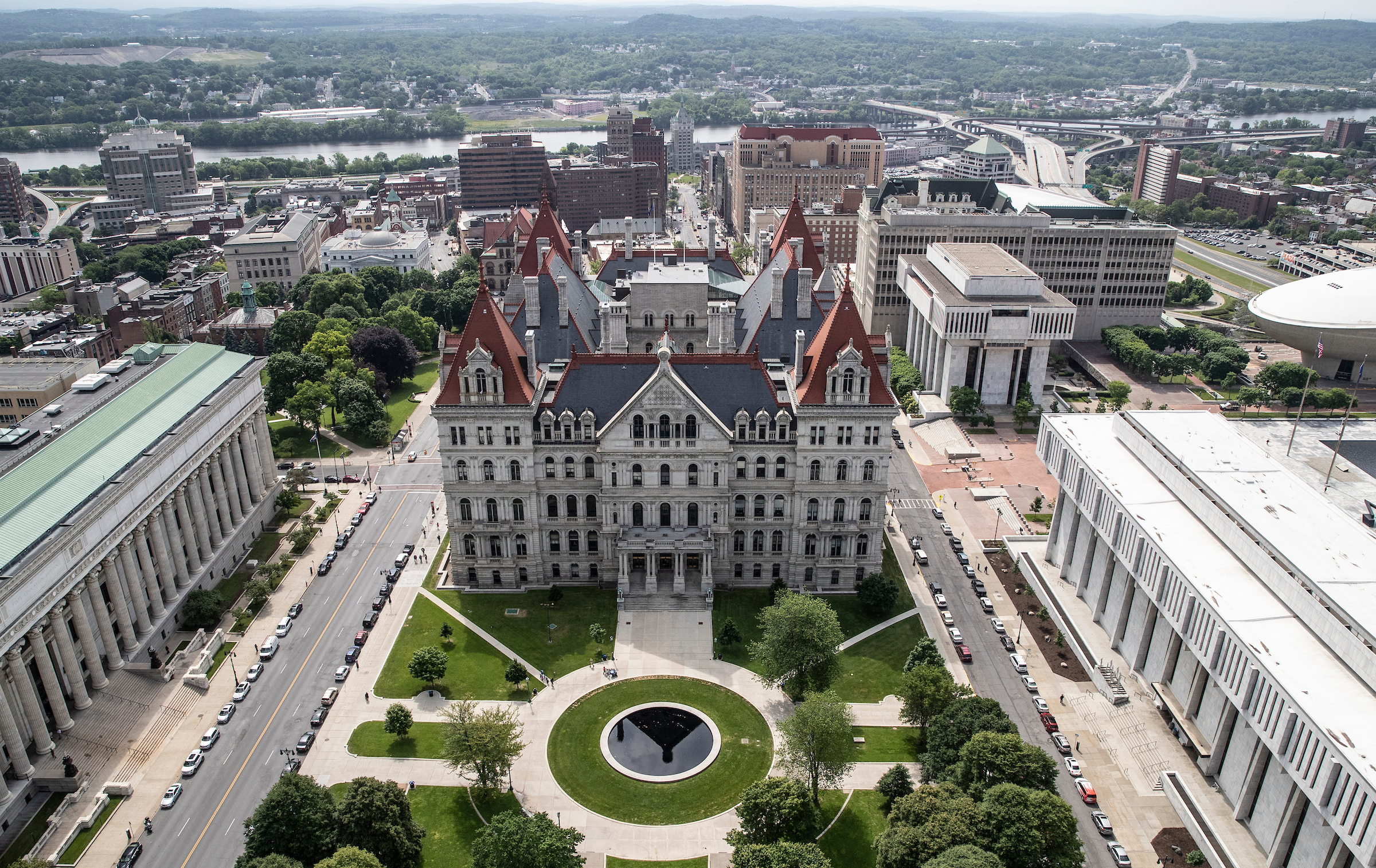
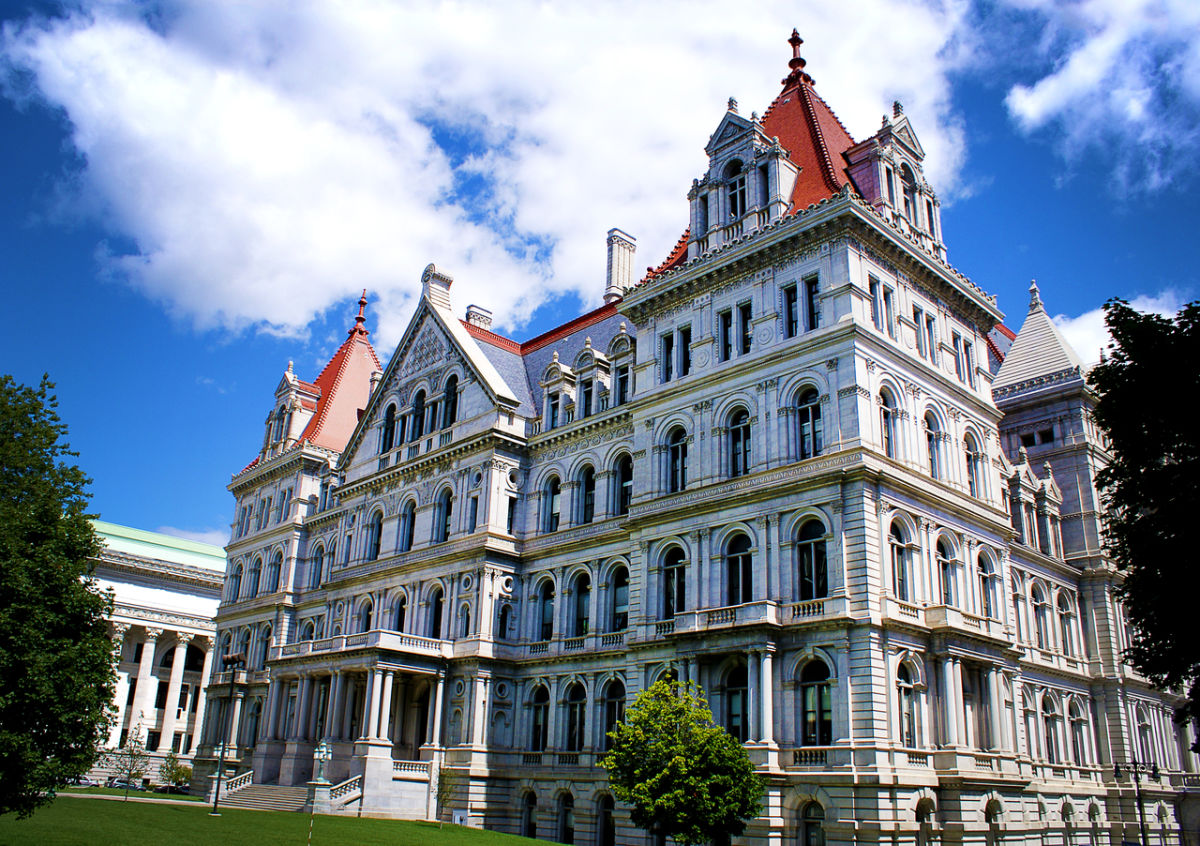
The crown jewel of Albany’s landmarks is undoubtedly the New York State Capitol Building. An architectural masterpiece, it boasts a unique blend of Romanesque Revival and Châteauesque styles, taking over 30 years and $25 million (a colossal sum in the late 19th century) to complete. Guided tours offer a fascinating glimpse into its intricate carvings, grand staircases, and the legislative chambers where state laws are debated and passed. Adjacent to the Capitol is the expansive Empire State Plaza, a modernist complex featuring impressive government buildings, reflecting pools, and striking contemporary art installations. It’s a testament to urban planning and serves as a public space for concerts, ice skating in winter, and various community events.
Within the Empire State Plaza is “The Egg” (officially the Performing Arts Center at the Empire State Plaza), an iconic, curvilinear performing arts venue that hosts a diverse array of concerts, plays, and dance performances throughout the year. Its distinctive shape makes it an instant visual landmark. These structures collectively define the modern face of Albany’s political and cultural landscape.
Museums, Arts, and Local Culture
Beyond the governmental structures, Albany is rich in museums and cultural institutions that cater to a wide range of interests. The New York State Museum, also located within the Empire State Plaza, is the oldest and largest state museum in the United States. It offers comprehensive exhibits on New York’s natural and cultural history, from prehistoric fossils to 9/11 artifacts, providing an invaluable educational experience for all ages.
For history buffs, the USS Slater is a must-visit. It’s the only remaining WWII Destroyer Escort afloat in the United States and offers guided tours that transport visitors back in time to naval life during wartime. Another unique historical site is the Shaker Heritage Society at the Ann Lee Pond Nature Preserve, the site of America’s first Shaker settlement. It preserves the buildings and culture of this distinctive religious community. Additionally, the Schuyler Mansion is a beautifully preserved 18th-century home of General Philip Schuyler, a prominent figure in the American Revolution and father-in-law to Alexander Hamilton.
Albany’s arts scene extends to the Palace Theatre, a beautifully restored 1930s movie palace that now serves as a major venue for concerts, comedy shows, and classical performances. The city also boasts numerous art galleries and a growing number of independent shops and restaurants that contribute to its distinctive local culture.
Green Spaces and Outdoor Experiences
Beyond its historical and cultural indoor attractions, Albany offers several lovely green spaces for relaxation and outdoor activities. Washington Park is perhaps the most famous, a picturesque urban oasis modeled after Central Park in New York City. It features a beautiful lake, a Victorian-era bridge, a popular playground, and hosts various festivals, most notably the annual Tulip Festival in May, which draws thousands of visitors to admire its vibrant displays. The park is perfect for a leisurely stroll, a picnic, or simply enjoying the outdoors.
The scenic Hudson Riverway offers walking and biking trails, providing stunning views of the Hudson River and connecting visitors to other parts of the Capital Region. For those interested in environmental education and outdoor exploration, the Albany Pine Bush Preserve is a unique inland pine barrens ecosystem, home to rare plants and animals, including the endangered Karner Blue butterfly. It provides opportunities for hiking, nature observation, and a deeper connection with New York’s natural heritage.
Accommodation and Lifestyle in Albany: Planning Your Stay
For travelers planning a visit to New York’s capital, Albany provides a range of accommodation options and a welcoming lifestyle that caters to various preferences and budgets. Whether you’re on a luxury getaway, a family trip, or a business stay, the city offers choices that ensure a comfortable and memorable experience.
From Boutique Hotels to Budget-Friendly Stays
Albany’s hotel scene is diverse. For those seeking luxury hotels and upscale amenities, options like the Renaissance Albany Hotel, situated in a beautifully renovated historic building downtown, offer sophisticated rooms and excellent service. The Hilton Albany provides another comfortable and convenient choice, especially for those visiting the Empire State Plaza for government or business. These hotels often feature amenities such as fine dining restaurants, fitness centers, and meeting spaces suitable for business travelers.
For travelers looking for a more intimate or boutique hotel experience, Albany has charming independent hotels and bed and breakfasts scattered throughout its historic neighborhoods. These offer personalized service and a unique charm that larger chains might lack. Budget-friendly options are also readily available, particularly along the major arteries leading into the city, providing comfortable and clean stays without breaking the bank, perfect for families or those on a tighter travel budget. Booking in advance, especially during legislative sessions or major events, is always advisable.
Culinary Journeys and Local Flavors
Albany’s culinary landscape is a delightful mix of traditional and contemporary. From upscale eateries serving modern American cuisine to cozy pubs offering classic comfort food, there’s something to satisfy every palate. The city’s diverse population and historical roots are reflected in its food scene, with options ranging from Italian and Irish restaurants to trendy cafes and farm-to-table establishments utilizing fresh ingredients from the surrounding Hudson Valley region.
Don’t miss the opportunity to explore Albany’s craft beverage scene, with several local breweries and distilleries gaining recognition. Many restaurants and bars also feature New York State wines and spirits, allowing visitors to truly savor the local flavors. Food tours can be an excellent way to discover hidden culinary gems and learn about the city’s gastronomic history.
Family Trips, Business Stays, and Beyond
Albany’s combination of history, culture, and accessibility makes it an ideal destination for various types of travelers. For family trips, the New York State Museum, USS Slater, and Washington Park offer engaging and educational experiences for children and adults alike. The city’s walkable downtown and relatively compact size make it easy to navigate with kids.
For those on business stays, Albany’s direct connection to state government and various industries makes it a practical choice. The abundance of conference facilities, executive accommodations, and convenient transportation links ensures a productive and efficient visit. Furthermore, Albany’s position as a gateway to upstate New York makes it a popular starting point for road trips and adventures into the Hudson Valley, the Adirondacks, or even to cities in neighboring New England.
Expanding Your New York State Adventure from Albany
One of Albany’s greatest assets as a travel destination is its strategic location within New York State. It serves as an excellent base for exploring the wider Capital Region and venturing into some of the state’s most scenic and historically rich areas. A visit to Albany can easily be integrated into a broader New York State itinerary, offering diverse experiences from serene nature to vibrant resort towns.
Day Trips and Nearby Destinations
Just a short drive north of Albany lies Saratoga Springs, renowned for its mineral springs, horse racing (Saratoga Race Course), and thriving arts scene. It’s a perfect day trip destination for those seeking relaxation, entertainment, or a taste of New York’s high society. Congress Park, the National Museum of Racing and Hall of Fame, and the National Museum of Dance and Hall of Fame are just a few of its many attractions. Further north, the majestic Adirondack Mountains beckon outdoor enthusiasts with hiking, skiing, and pristine lakes like Lake George, offering endless opportunities for adventure tourism.
To the south, the picturesque Hudson Valley unfolds with its charming towns, historic estates (Vanderbilt Mansion National Historic Site, Olana State Historic Site), renowned wineries, and farm-to-table restaurants. It’s an ideal region for scenic drives, culinary tours, and exploring America’s artistic and agricultural heritage. A visit to the United States Military Academy at West Point offers a glimpse into military history and impressive river views.
Even more distant but accessible via a scenic drive or train journey are the Finger Lakes region with its famous wineries and stunning gorges, and the breathtaking Niagara Falls on the western border with Canada. Albany’s central position in the eastern part of New York State makes it an invaluable starting point for exploring the state’s incredible diversity, allowing travelers to seamlessly transition from urban historical exploration to natural wonders and charming rural destinations.
Conclusion: Embracing Albany, The True Heart of New York
So, what is the capital of New York? The answer is definitively Albany. While New York City captures global attention with its unparalleled energy and iconic status, Albany quietly, yet profoundly, fulfills its role as the administrative and historical core of the Empire State. From its deep Dutch roots and pivotal role in early American history to its stunning Capitol Building and vibrant cultural scene, Albany offers a compelling narrative for any discerning traveler.
Exploring Albany is more than just a historical lesson; it’s an experience that enriches one’s understanding of New York State’s multifaceted identity. It’s a city that blends the gravitas of governance with accessible attractions, a welcoming local culture, and diverse accommodation options suitable for every kind of trip. For those planning their next adventure in the Empire State, consider starting your journey in Albany. Discover its hidden gems, delve into its storied past, and use it as a springboard to uncover the broader wonders of upstate New York. It’s an experience that will undoubtedly leave you with a richer appreciation for the true heart of New York.
LifeOutOfTheBox is a participant in the Amazon Services LLC Associates Program, an affiliate advertising program designed to provide a means for sites to earn advertising fees by advertising and linking to Amazon.com. Amazon, the Amazon logo, AmazonSupply, and the AmazonSupply logo are trademarks of Amazon.com, Inc. or its affiliates. As an Amazon Associate we earn affiliate commissions from qualifying purchases.