
When planning a journey through the Pacific Northwest, or even if you’re simply curious about the intricacies of American geography, a fundamental question often arises: “What is the capital of Oregon?” While larger cities like Portland might dominate popular perception, the true seat of government for the Beaver State is a distinct and charming city, offering a unique blend of history, culture, and natural beauty. This article delves into the identity of Oregon’s capital, exploring its significance, its attractions, and why it deserves a prominent place on any traveler’s itinerary.
The answer to our titular question is Salem. Nestled in the fertile Willamette Valley, Salem is not merely a administrative hub; it is a city with a rich past and a vibrant present, a place where the echoes of pioneer history meet the dynamic pulse of contemporary Oregon life. Understanding Salem’s role as the capital provides a deeper appreciation for the state’s governance, its heritage, and the diverse experiences it offers to visitors.

The Historical Significance of Salem, Oregon
Salem’s journey to becoming the capital of Oregon is a narrative woven with threads of exploration, settlement, and political evolution. Its establishment and eventual designation as the seat of power reflect the state’s growth and the strategic importance of its geographical location.
Early Days and Pioneer Spirit
The area that is now Salem was first inhabited by Indigenous peoples for thousands of years before European-American settlers arrived. In 1840, a group of missionaries established a settlement, initially calling it Chemeketa. The name “Salem” was adopted in 1850, a biblical reference meaning “peace,” which resonated with the early settlers. The city quickly became a central point for westward expansion, serving as a crucial stop for pioneers traveling the Oregon Trail.
The mid-19th century was a pivotal time for Oregon. As the population grew and the desire for self-governance intensified, the need for a permanent capital became evident. Early provisional governments shifted locations, but Salem’s strategic position in the Willamette Valley, coupled with its burgeoning community, made it a strong contender.
Becoming the State Capital
In 1855, Salem was officially designated as the permanent capital of the Oregon Territory. This decision solidified its role as the center of political activity and paved the way for its development as a significant urban center. The construction of government buildings, the establishment of institutions, and the influx of people drawn to the administrative functions of the capital all contributed to Salem’s growth.
While Oregon City briefly served as the capital before Salem, and there were periods where Corvallis was also considered, Salem’s claim has been consistent for over a century and a half. This enduring status has shaped the city’s identity, imbuing it with a sense of tradition and a deep connection to the state’s legislative history.
Exploring Salem: Beyond the State Capitol
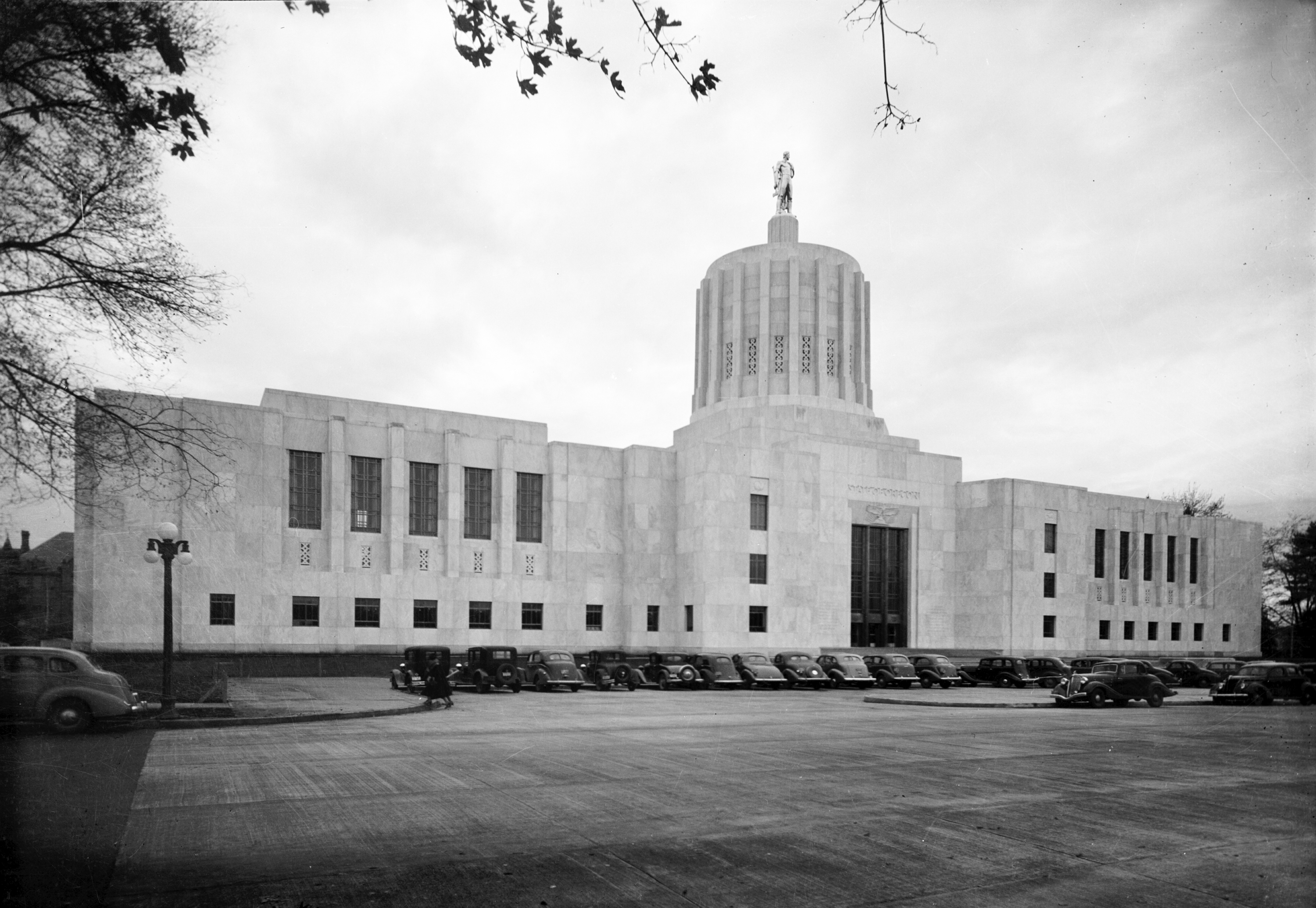
While the Oregon State Capitol Building stands as a prominent symbol of governmental power, Salem offers a wealth of attractions and experiences that extend far beyond its political functions. Visitors can immerse themselves in the city’s vibrant local culture, discover its natural surroundings, and indulge in its culinary offerings.
Cultural and Educational Institutions
Salem boasts a number of institutions that offer insights into the region’s heritage and artistic expression. The Oregon Historical Society Museum (though primarily in Portland, Salem has local historical societies) and various local museums provide a window into the state’s past, from its Indigenous roots to its industrial development.
For those interested in the arts, Salem features galleries and performance spaces showcasing local and regional talent. The Elsinore Theatre, a historic landmark, hosts a variety of performances, adding a touch of classic entertainment to the city’s cultural landscape.
Natural Beauty and Outdoor Recreation
The Willamette Valley, where Salem is situated, is renowned for its stunning natural landscapes. The city itself is surrounded by fertile farmland and rolling hills, offering picturesque views and opportunities for outdoor exploration.

- Willamette River: The Willamette River flows through Salem, providing opportunities for boating, fishing, and scenic walks along its banks. Several parks, such as Riverfront Park, offer recreational facilities and tranquil spaces to enjoy the river’s presence.
- Local Parks and Trails: Beyond the river, Salem is home to numerous city parks and nature trails. These green spaces are perfect for hiking, biking, or simply enjoying a leisurely stroll amidst the natural beauty of the valley.
- Nearby Wineries: The Willamette Valley is a world-renowned wine region, particularly famous for its Pinot Noir. Salem serves as an excellent base for exploring the numerous wineries located within a short driving distance, offering wine tasting experiences and vineyard tours.
Experiencing Salem’s Local Flavor: Food and Events
A visit to any city is incomplete without sampling its local cuisine and experiencing its community events. Salem offers a distinct culinary scene and a calendar filled with activities that showcase its unique character.
Culinary Delights
Salem’s food scene reflects the agricultural bounty of the Willamette Valley. From farm-to-table restaurants to cozy cafes and international eateries, there’s something to satisfy every palate.
- Farmers Markets: During the warmer months, Salem’s farmers markets are a hub of activity, offering fresh, locally sourced produce, artisanal goods, and delicious prepared foods. These markets are an excellent way to connect with the local community and taste the region’s finest offerings.
- Local Eateries: The city is dotted with restaurants that highlight regional ingredients. Visitors can enjoy everything from fresh seafood to expertly prepared meats and innovative vegetarian dishes. Don’t miss the opportunity to try local specialties that often feature berries, hazelnuts, and other produce common to the valley.
Annual Events and Festivals
Salem’s calendar is punctuated by a variety of events that draw locals and visitors alike. These gatherings offer a chance to experience the city’s community spirit and cultural traditions.
- Oregon State Fair: Held annually, the Oregon State Fair is a major attraction, featuring agricultural exhibits, carnival rides, live entertainment, and culinary competitions. It’s a quintessential Oregon experience that celebrates the state’s heritage.
- Art and Music Festivals: Throughout the year, Salem hosts various art walks, music festivals, and cultural celebrations that highlight the creativity and talent within the community. These events provide opportunities to enjoy local art, live performances, and a vibrant atmosphere.
Planning Your Visit to Oregon’s Capital
Whether you’re a history buff, a nature enthusiast, a foodie, or simply someone looking to discover a new destination, Salem offers a compelling experience. Its role as the capital of Oregon is just one facet of its rich identity, inviting exploration and discovery.
Getting to Salem
Salem is conveniently located within easy reach of major transportation hubs. Portland International Airport (PDX) is the nearest major airport, situated about an hour’s drive north. From the airport, visitors can rent a car, take a shuttle, or utilize public transportation to reach Salem. The city is also accessible by car via Interstate 5, making it a straightforward destination for road trips. For those who prefer train travel, Amtrak service is available, connecting Salem to other cities along the West Coast.
Accommodation Options
Salem offers a range of accommodation options to suit various budgets and preferences. From well-known hotel chains to charming bed and breakfasts and vacation rentals, visitors can find a comfortable place to stay. Consider looking for hotels near the downtown area for easy access to attractions and restaurants, or explore options in quieter neighborhoods for a more relaxed experience. For those looking for a unique stay, boutique hotels and inns often provide a more intimate and personalized lodging experience.
Things to Do for Every Traveler
When you visit Salem, you’ll find that the question “What is the capital of Oregon?” opens the door to a city brimming with activities. For the politically inclined, a tour of the Oregon State Capitol Building is a must. Nature lovers can explore the Oregon Garden, a stunning botanical attraction just a short drive away, or wander through the local parks. Foodies will delight in the local dining scene and the abundance of fresh produce available at the farmers markets. Families can enjoy the Enchanted Forest, a unique storybook-themed amusement park. For those interested in learning more about the region, visiting the Willamette Heritage Center provides deeper historical context.
In conclusion, the capital of Oregon is Salem, a city that beautifully balances its governmental importance with a welcoming atmosphere and a wealth of attractions. It serves as a vital center for the state and an engaging destination for travelers seeking to experience the authentic charm of the Pacific Northwest.