
For anyone planning a trip to the vibrant city of Chicago, considering a temporary relocation, or even just curious about the economic heartbeat of one of the United States’ most dynamic urban centers, understanding the local minimum wage is a crucial piece of the puzzle. While often perceived as a dry economic topic, the minimum wage in a major metropolis like Chicago profoundly influences everything from the cost of your morning coffee to the price of a dinner out, the wages of hospitality staff, and the overall affordability of an extended stay. On a platform dedicated to travel, hotels, tourism, accommodation, landmarks, and lifestyle, dissecting Chicago’s minimum wage helps travelers and potential residents alike budget more effectively, appreciate the local economy, and make informed decisions about their experiences in the Windy City.
Chicago, as a global hub for business and tourism, attracts millions of visitors annually. These visitors contribute significantly to the local economy, often interacting with workers who earn minimum wage or slightly above. From hotel housekeepers and restaurant servers to retail staff on the Magnificent Mile and ticket takers at world-class attractions, understanding the baseline compensation for these essential roles offers a deeper appreciation of the city’s operational fabric. Moreover, for digital nomads, students, or individuals considering seasonal work opportunities in Chicago’s bustling tourism sector, knowing the minimum wage is foundational to planning their finances and assessing the feasibility of living and working in this incredible destination. This article will delve into the specifics of Chicago’s minimum wage, its historical context, the nuances for tipped employees, and its broader implications for both the local lifestyle and the visitor experience.
Understanding Chicago’s Minimum Wage Landscape
The minimum wage in Chicago is determined at the municipal level, often exceeding both the state and federal minimum wage rates. This reflects a commitment by the city to ensure a higher standard of living for its workforce, particularly in a high-cost urban environment. The framework for Chicago’s minimum wage is dynamic, with regular adjustments designed to keep pace with inflation and the rising cost of living. Staying abreast of these changes is essential for employers, employees, and anyone planning to spend time or conduct business in the city.
Current Rates and Recent Adjustments
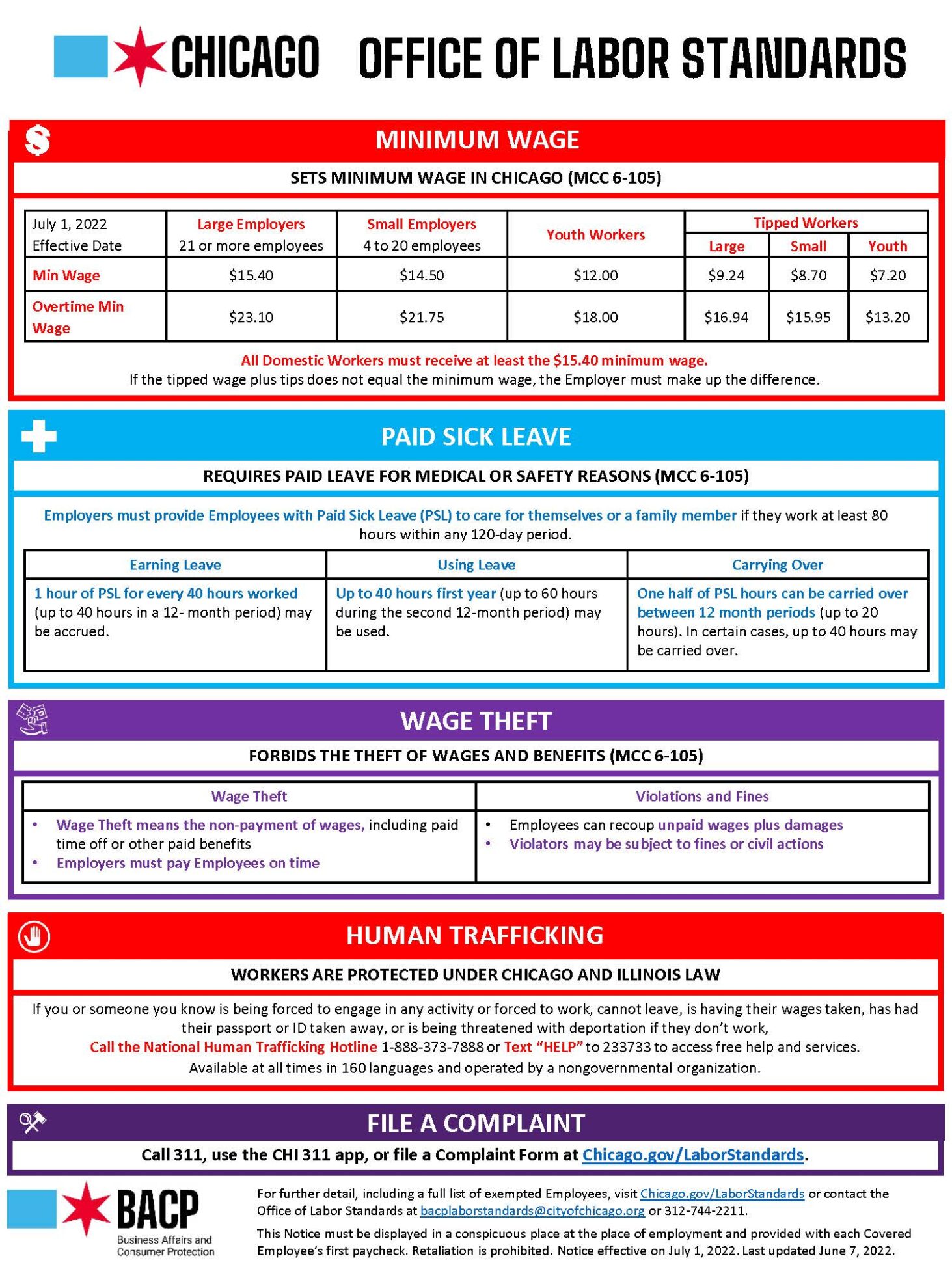
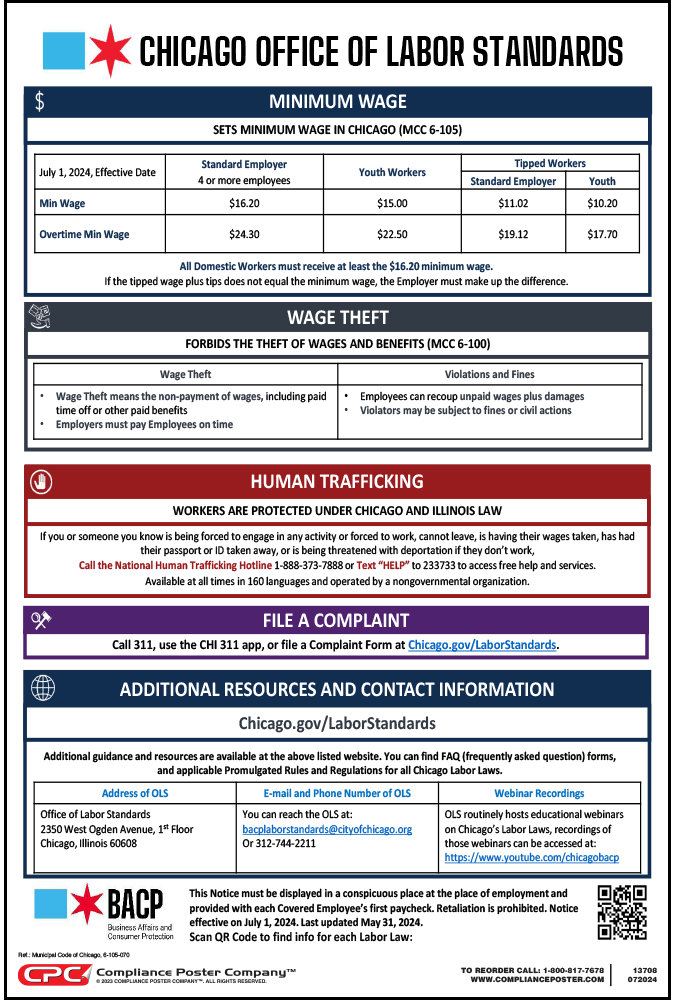
Chicago’s minimum wage undergoes annual adjustments, typically on July 1st of each year. These increases are often tied to the Consumer Price Index (CPI) to help maintain purchasing power for workers. For businesses with 21 or more employees, the minimum wage has generally seen a steady increase. Smaller businesses, with 4 to 20 employees, often have a slightly lower minimum wage, but still one that surpasses the state and federal benchmarks. The logic behind this two-tiered system is to provide some flexibility for smaller businesses that may have fewer resources to absorb significant wage increases immediately.
For example, as of July 1, 2023, the minimum wage for non-tipped workers in Chicago increased to $15.80 per hour for employers with 21 or more employees. For employers with 4 to 20 employees, the rate rose to $15.00 per hour. These figures are significantly higher than the federal minimum wage of $7.25 per hour, which has remained unchanged since 2009. The state of Illinois also has its own minimum wage, which, while higher than the federal rate, is typically lower than Chicago’s specific mandate. For instance, the Illinois minimum wage increased to $14.00 per hour for adults as of January 1, 2024. This layered approach underscores Chicago’s commitment to establishing its own economic standards, reflecting its unique urban environment and cost of living. These rates are subject to future annual adjustments, so anyone seeking the absolute latest figures should consult the City of Chicago Office of Labor Standards.
Tipped Employees and Minimum Wage
The hospitality industry, a cornerstone of Chicago’s tourism sector, relies heavily on tipped employees. For these workers – think servers, bartenders, and hotel bellhops – the minimum wage structure is different. Chicago operates on a “tip credit” system, meaning employers can pay tipped employees a lower direct wage, provided that their tips bring their total earnings up to at least the standard minimum wage. However, Chicago has been progressively phasing out the sub-minimum wage for tipped workers, aiming for all workers to earn the full minimum wage regardless of tips.
As of July 1, 2023, the minimum wage for tipped employees in Chicago with 21 or more employees was $9.48 per hour, and for those with 4 to 20 employees, it was $9.00 per hour. The employer is legally obligated to make up the difference if an employee’s tips, combined with their direct wage, do not reach the standard minimum wage for non-tipped workers. This is a crucial protection for hospitality staff, ensuring a basic income floor. The ongoing phase-out means that these sub-minimum rates will continue to increase annually, eventually aligning with the full minimum wage for all employees, irrespective of tips. This policy shift is significant for the industry, potentially impacting menu prices and service charges, which in turn affect the budget of a tourist experiencing Chicago’s renowned culinary scene.
Youth and Training Wages
Beyond the standard adult minimum wage, some jurisdictions have specific provisions for youth workers or employees undergoing training periods. In Chicago, the primary focus has been on a universal minimum wage that applies broadly across age groups, without specific lower rates for younger workers as might be found in some other states or under federal law. The general minimum wage rates apply to most employees, regardless of age, once they are working in the city. However, there can be exceptions for certain types of training programs or internships, particularly those tied to educational institutions or government-funded initiatives. It is always advisable to check the specific guidelines from the Chicago Office of Labor Standards for any nuanced regulations that might apply to particular employment scenarios involving youth or specialized training. This straightforward approach simplifies compliance for employers and ensures younger workers receive fair compensation consistent with their adult counterparts.
The Impact of Minimum Wage on Travel and Lifestyle in Chicago
The minimum wage isn’t just a number; it’s a foundational element influencing the economic landscape of a city, and by extension, the experience of anyone visiting or residing there. In Chicago, a higher minimum wage has multifaceted impacts on both the cost of experiencing the city and the quality of life for its residents, directly touching upon themes relevant to travel, accommodation, and lifestyle choices.
Budgeting for a Chicago Trip
For travelers, the minimum wage indirectly affects their budget through the cost of goods and services. A higher minimum wage often translates to slightly higher prices for dining out, hotel services, and certain retail purchases. When you enjoy a deep-dish pizza in the Loop or stay at a reputable hotel chain like a Marriott or Hilton in River North, a portion of what you pay contributes to the wages of the staff who make your experience possible. While this might mean a slightly higher overall cost compared to cities with lower minimum wages, it also arguably contributes to better service and a more stable local economy.
Visitors planning their travel budget should factor in these realities. Accommodation, transportation, food, and attraction tickets are all influenced. For instance, while a higher minimum wage might make a gourmet meal slightly more expensive, it could also mean that service staff are less reliant on tips, although tipping remains customary in the United States. Understanding these dynamics allows travelers to allocate their funds more realistically, whether they are opting for luxury travel experiences or budget travel solutions. Savvy travelers might look for hotels offering complimentary breakfasts or consider exploring the city’s diverse culinary scene beyond the most tourist-heavy areas to find more affordable, yet authentic, options. The overall cost of a trip to Chicago, from seeing the view from the Willis Tower to enjoying a show, is shaped by these economic fundamentals.
Working Temporarily in Chicago
For those considering an extended stay in Chicago – perhaps digital nomads seeking a vibrant urban base, students on a gap year, or individuals looking for seasonal work in the tourism industry – the minimum wage is a direct financial consideration. A higher minimum wage makes temporary work opportunities more attractive and viable. Whether it’s a short stint in a retail store, a hospitality role, or a seasonal position at one of Chicago’s many attractions like Navy Pier or the Art Institute of Chicago, the hourly rate provides a clearer picture of potential earnings.
This information is crucial for planning accommodation (from short-term apartment rentals to longer-term hotel suites), budgeting for daily expenses, and assessing whether a temporary income can cover the relatively high cost of living in a major city. Many young professionals or travelers on working holidays specifically seek cities with strong minimum wage protections to ensure they can sustain themselves comfortably while exploring a new destination. The existence of a robust minimum wage framework in Chicago means that even entry-level or temporary positions offer a respectable income floor, enhancing the city’s appeal as a place to live, work, and explore for various durations.
Cost of Living vs. Minimum Wage
While Chicago’s minimum wage is significantly higher than federal and state rates, the city also contends with a substantial cost of living, particularly regarding housing. Rent for apartments, even modest ones, can be steep, especially in desirable neighborhoods close to tourist attractions and business districts. Transportation, while efficient via the CTA, still adds to monthly expenses, as do groceries, utilities, and other daily necessities.
For an individual earning minimum wage, navigating Chicago’s cost of living requires careful budgeting. While the minimum wage provides a better safety net than in many other parts of the country, it doesn’t guarantee a lavish lifestyle. Many residents at this income level often share accommodation, utilize public transportation extensively, and seek out budget-friendly entertainment and dining options. This aspect is particularly important for individuals contemplating long-term stays or permanent relocation, as it highlights the need to consider total earnings versus total expenses. For travelers, understanding this balance helps contextualize the pricing they encounter and appreciate the economic realities faced by many who call Chicago home.
Beyond the Basics: Compliance and Worker Rights
A robust minimum wage law is only as effective as its enforcement. Chicago has established mechanisms to ensure compliance and protect workers’ rights, fostering a more equitable and stable labor environment. These protections are vital for both permanent residents and temporary workers alike, offering reassurance that labor standards are upheld.
Who Enforces Minimum Wage Laws?
In Chicago, the primary responsibility for enforcing local minimum wage laws falls to the City of Chicago Office of Labor Standards (OLS). This office is dedicated to educating both employers and employees about their rights and responsibilities under the city’s various labor ordinances, including minimum wage, paid sick leave, and fair workweek policies. They investigate complaints, mediate disputes, and, if necessary, take enforcement actions against employers who fail to comply.
Additionally, the Illinois Department of Labor (IDOL) enforces the state minimum wage laws, while the United States Department of Labor (USDOL) oversees the federal Fair Labor Standards Act (FLSA). When there are multiple layers of minimum wage laws (federal, state, and local), employers are required to pay the highest applicable rate. This multi-layered enforcement system provides comprehensive protection for workers in Chicago, ensuring that there are avenues for redress if wage laws are violated. For travelers working temporarily, knowing these resources exist offers peace of mind.
What to Do if You’re Not Paid Correctly
If an employee, whether a long-term resident or a temporary worker, believes they have not been paid the correct minimum wage in Chicago, there are clear steps they can take. The first and often most effective step is to communicate directly with their employer or their human resources department to clarify any discrepancies. Many issues can be resolved at this level through simple explanation or correction of errors.
If direct communication doesn’t resolve the issue, or if an employee fears retaliation, they can file a complaint with the City of Chicago Office of Labor Standards. The OLS website provides detailed information on how to file a complaint, what information is needed, and what the process entails. Employees are protected against retaliation for exercising their rights under Chicago’s labor laws. Similar complaint processes are also available through the Illinois Department of Labor and the United States Department of Labor, offering multiple avenues for workers to seek resolution and recover unpaid wages. This robust system of worker protection reinforces Chicago’s reputation as a city that values its workforce.
Chicago’s Economic Landscape and Tourism
Chicago’s economy is vast and diversified, but its tourism and hospitality sectors play an outsized role in defining the city’s character and supporting a significant portion of its workforce. The minimum wage policies are intricately linked to the health and sustainability of these vital industries.
The Hospitality Sector’s Role
The hospitality sector – encompassing hotels, restaurants, bars, event venues, and attractions – is a major employer in Chicago. Thousands of individuals work in roles directly serving tourists and business travelers. Iconic hotels like a Hyatt in the Loop or boutique accommodations in Wicker Park rely on a dedicated workforce for everything from front desk operations to room service and maintenance. The city’s world-class dining scene, from Michelin-starred restaurants to casual eateries, also employs a large number of staff.
A strong minimum wage in Chicago aims to ensure that these essential workers can afford to live in the city they serve. By providing a living wage, the city helps reduce employee turnover, improve morale, and potentially enhance the quality of service, all of which directly benefit the visitor experience. When employees are fairly compensated, they are more likely to be engaged and contribute positively to the vibrant atmosphere that Chicago is famous for. This is a crucial aspect of sustainable tourism, where the benefits of visitor spending are felt by a broader segment of the local population.
Supporting Local Businesses
When tourists visit Chicago, their spending choices have a direct impact on local businesses. Opting for a meal at a neighborhood restaurant, purchasing souvenirs from independent shops, or staying at an apartment rental managed by a local company all circulate money within the Chicago economy. By choosing to support businesses that comply with Chicago’s minimum wage laws, travelers indirectly contribute to the economic well-being of the city’s workers.
This ethical tourism perspective adds another layer of meaning to travel decisions. Guests staying in a hotel that provides fair wages to its staff, or dining in an establishment that adheres to local labor standards, are contributing to a more equitable economic environment. Conversely, understanding the minimum wage helps travelers recognize if certain services seem unusually cheap, which might, in some cases, signal non-compliance with labor laws. By making conscious choices, visitors can align their travel experiences with values that promote local prosperity and a higher quality of life for the people who make Chicago such an exceptional destination. Whether strolling through Millennium Park, exploring the exhibits at the Field Museum, or catching a game, every dollar spent contributes to the local economic ecosystem.
Conclusion
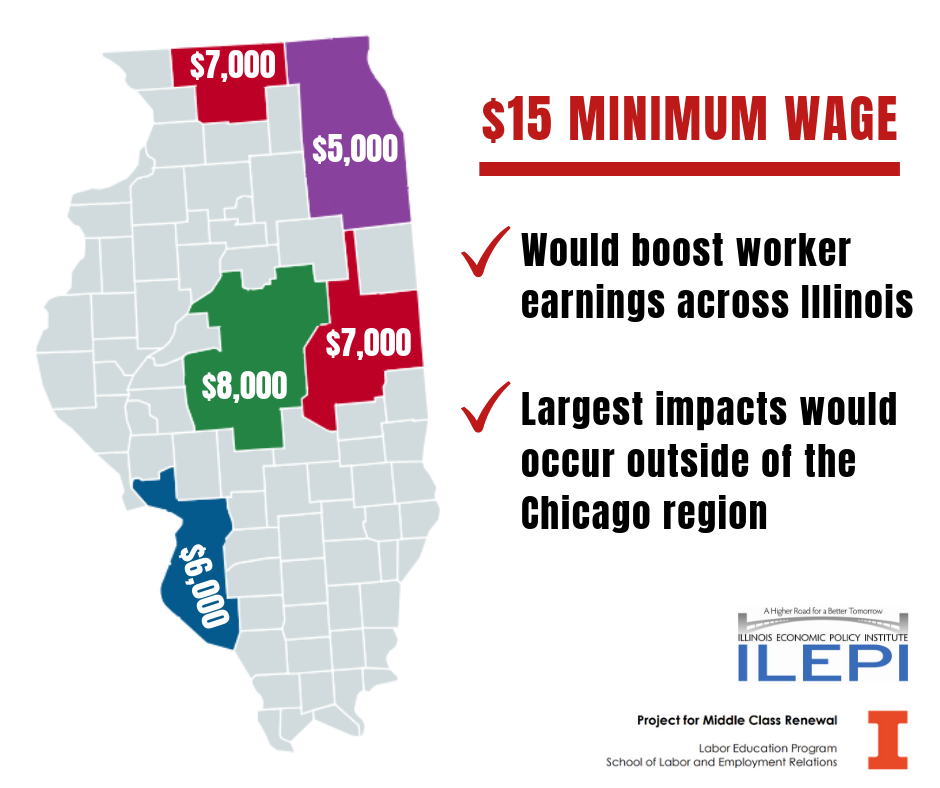
The question “What is the Chicago minimum wage?” opens up a broader discussion about the economic realities of a major urban center and its profound implications for both residents and visitors. Chicago’s commitment to a higher minimum wage, surpassing both state and federal mandates, reflects a conscious effort to support its workforce in a high-cost environment. This policy not only impacts the livelihoods of countless individuals in the city’s robust hospitality and service sectors but also subtly shapes the overall cost and experience of traveling through or living within this iconic Illinois metropolis.
For the intrepid traveler, the discerning hotel guest, or the adventurous digital nomad, understanding Chicago’s minimum wage framework is more than just a matter of economic trivia. It’s a lens through which to better appreciate the value of services received, to budget more effectively for an unforgettable trip, and even to make more informed and ethical choices about where to spend one’s money. From the bustling streets of the Loop to the architectural marvels lining the Chicago River, every interaction with Chicago’s economy is influenced by these foundational labor standards. By supporting businesses that comply with these fair wage policies, visitors contribute to the ongoing vitality and equitable growth of one of the world’s truly great cities, ensuring that Chicago remains a welcoming and prosperous destination for all.
LifeOutOfTheBox is a participant in the Amazon Services LLC Associates Program, an affiliate advertising program designed to provide a means for sites to earn advertising fees by advertising and linking to Amazon.com. Amazon, the Amazon logo, AmazonSupply, and the AmazonSupply logo are trademarks of Amazon.com, Inc. or its affiliates. As an Amazon Associate we earn affiliate commissions from qualifying purchases.