
When planning a trip to the vibrant city of Chicago, understanding the local tax structure is an essential part of budgeting. While the allure of its world-class museums, iconic architecture, and culinary delights often takes center stage, knowing about the Chicago sales tax can significantly impact your overall travel expenses. This guide aims to demystify the intricacies of sales tax in Chicago, offering a clear picture for travelers and residents alike.
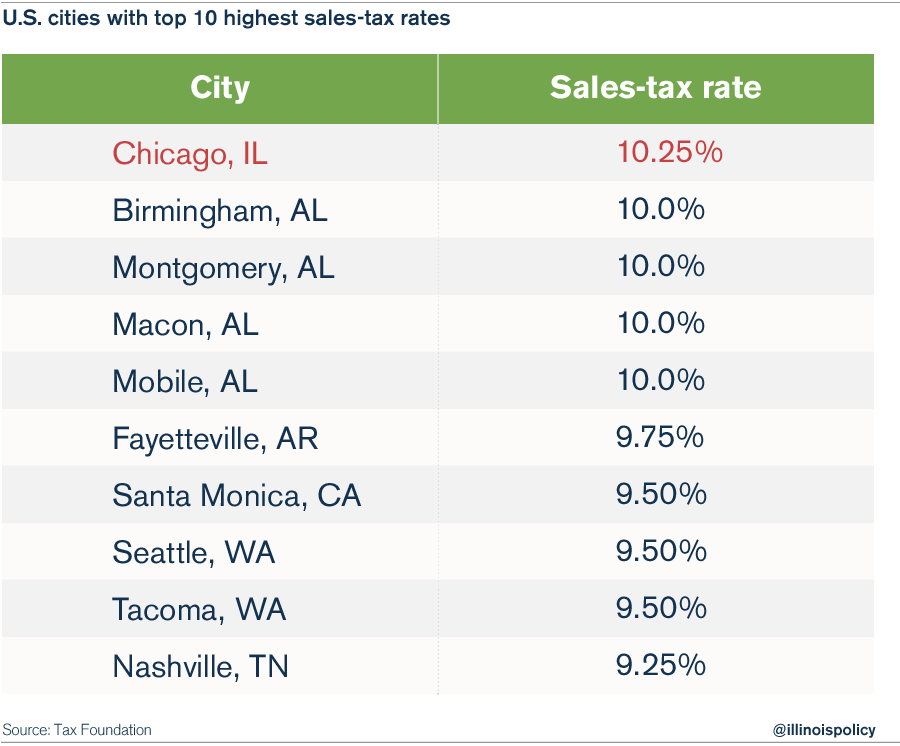
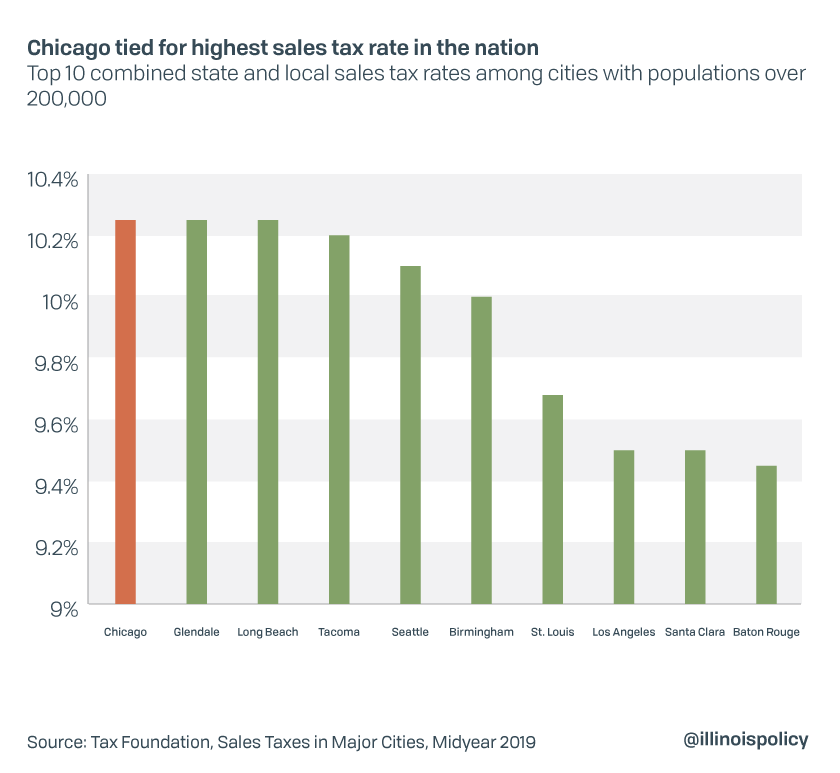
Sales tax is a consumption tax imposed by governments on the sale of goods and services. In Chicago, this tax is levied at multiple levels, including state, county, and municipal, making it one of the higher sales tax rates in the United States. For visitors staying in hotels, dining at restaurants, shopping for souvenirs, or engaging in various activities, these taxes add to the final price. Understanding these rates and how they are applied will help you budget more effectively for your Chicago adventure.
Understanding the Layers of Chicago Sales Tax
The sales tax in Chicago is a composite figure, derived from the rates set by different governmental entities. This multi-layered approach is common in many urban centers across the United States, but Chicago stands out due to the cumulative effect of these different tax jurisdictions.
State, County, and Municipal Contributions
At its core, the Chicago sales tax is a combination of the state sales tax, the Cook County sales tax, and the City of Chicago municipal sales tax. Each of these has its own distinct rate, and when combined, they form the total sales tax rate that consumers will see at the point of sale.
The state of Illinois has a base sales tax rate. On top of this, Cook County imposes its own sales tax. Finally, the City of Chicago adds its specific municipal sales tax, further increasing the overall burden. This layered system means that the same item purchased in different parts of Illinois might have a different sales tax applied, and within Cook County, the rate is highest within the city limits of Chicago.
It’s important to note that sales tax rates are subject to change. While the general structure remains consistent, legislative adjustments can lead to modifications in state, county, or municipal rates. Therefore, it’s always advisable to check the most current rates for accurate budgeting, especially for longer stays or significant purchases.
Special Taxes and Fees in Chicago
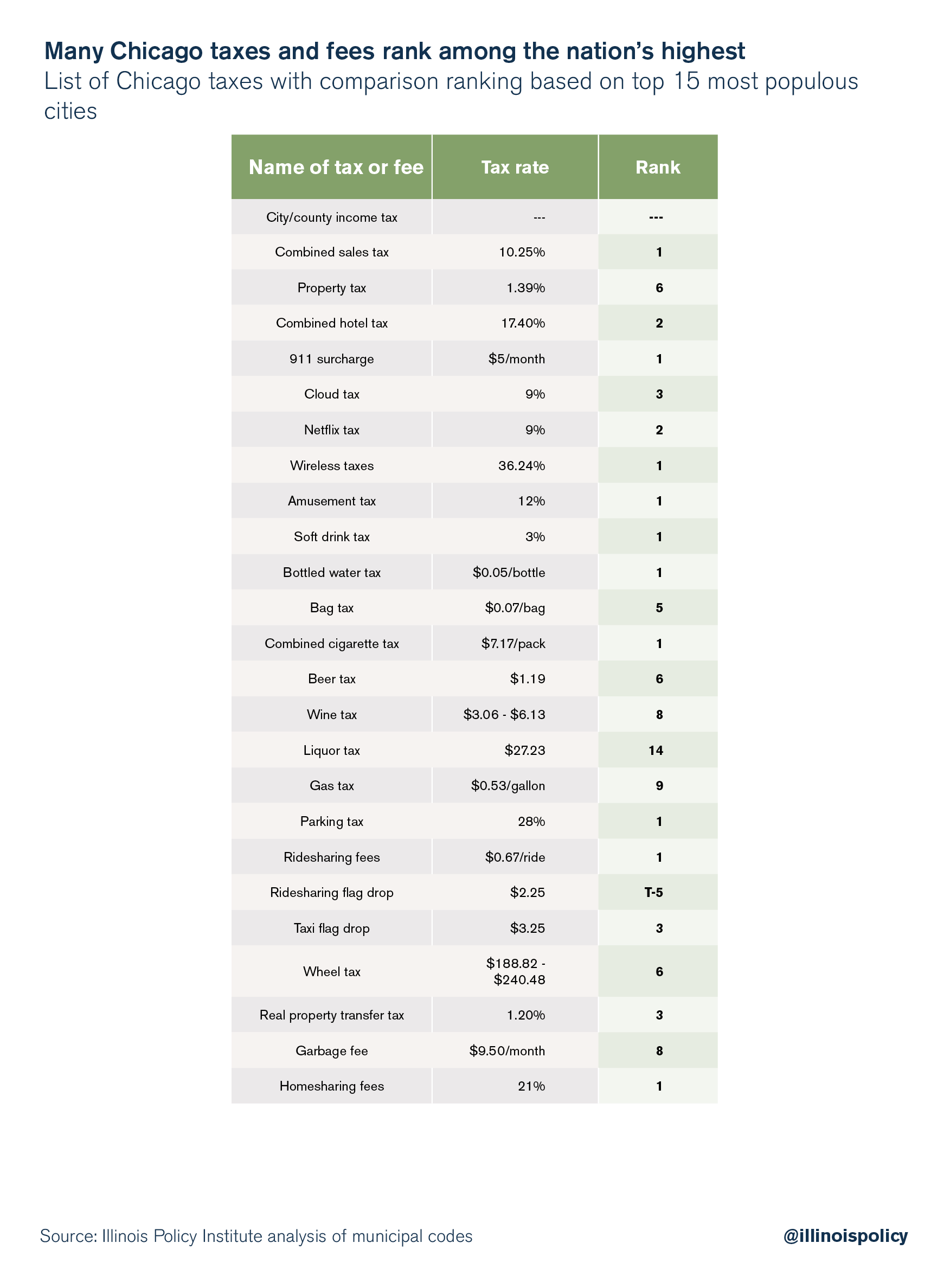
Beyond the standard sales tax, Chicago also imposes several special taxes and fees on certain goods and services. These are often designed to generate revenue for specific city initiatives or to address particular public policy concerns. Understanding these can be crucial, as they can significantly increase the cost of specific items or experiences.
For instance, there are often additional taxes on items like prepared foods, restaurant meals, and certain entertainment services. The rationale behind these taxes can vary, but they are a common feature in large urban areas aiming to fund public services or encourage specific consumer behaviors. For travelers, this means that dining out at a popular Chicago restaurant or attending a concert might carry a higher tax burden than anticipated.
Furthermore, the accommodation sector in Chicago is subject to various taxes, including hotel taxes. These taxes are levied on the nightly rate of hotel rooms and are often used to fund tourism promotion efforts and local infrastructure. While essential for the city’s tourism industry, they are a noticeable addition to the cost of staying in a Chicago hotel, whether it’s a luxurious suite at the The Langham Chicago or a more budget-friendly option.
How Chicago Sales Tax Impacts Travel Expenses
The cumulative effect of state, county, and city taxes, along with special levies, means that Chicago sales tax has a direct and noticeable impact on various aspects of a traveler’s budget. From accommodation to dining and shopping, every expenditure can be influenced by these rates.
Accommodation Costs
When booking a hotel in Chicago, whether you’re looking for a family-friendly resort like the Ritz-Carlton Chicago or a business-oriented stay, the sales tax will be an added expense. Hotel taxes in Chicago are typically a percentage of the room rate and can add a substantial amount to the final bill, especially for longer stays or during peak tourist seasons.
These taxes are usually calculated and added to the advertised room rate when you check out, or they are factored into the total price when booking online. It’s wise to factor in these additional percentages when comparing prices between different hotels or accommodation types, such as apartments or villas. For instance, a room that appears to be $200 per night might end up costing closer to $230 or more once all applicable taxes are included.
Dining and Entertainment
Chicago is renowned for its diverse culinary scene, from Michelin-starred restaurants to iconic deep-dish pizza joints. However, the cost of indulging in these gastronomic experiences is increased by the sales tax on food and beverages. This tax often applies to restaurant meals, prepared foods, and alcoholic beverages, and it can be higher than the general sales tax rate in some instances due to specific city ordinances.
Similarly, tickets for popular attractions, sporting events, concerts, and other forms of entertainment are also subject to sales tax. If you’re planning to visit the Art Institute of Chicago, catch a show at the Broadway in Chicago theaters, or cheer for the Chicago Cubs at Wrigley Field, remember to account for the sales tax on the ticket prices. This is especially true for premium seating or special event tickets.
Shopping and Souvenirs
For many travelers, shopping is an integral part of the travel experience. Whether you’re looking for high-end fashion on Michigan Avenue, unique souvenirs from local boutiques, or everyday necessities, the Chicago sales tax will be applied to your purchases.
The general sales tax rate applies to most tangible goods. This means that any item you buy, from a Chicago Bears jersey to a piece of art from a local gallery, will have the sales tax added at the register. When budgeting for shopping, it’s essential to add this percentage to the price tag of every item you intend to purchase.
Navigating Chicago Sales Tax for Smart Travel
While the sales tax in Chicago might seem daunting, understanding its structure and how it impacts your spending can help you manage your budget effectively and make informed decisions. Being aware of potential tax implications allows for better planning and can prevent unwelcome surprises.
Budgeting Strategies
The most effective strategy for navigating Chicago sales tax is diligent budgeting. Before your trip, research the current sales tax rates applicable to different categories of spending. Websites of the Illinois Department of Revenue or Cook County government can provide official figures.
When planning your expenses for accommodation, dining, activities, and shopping, add an estimated percentage for sales tax to each item. For example, if you plan to spend $500 on dining, and you estimate the sales tax to be around 10.25%, you should budget an additional $51.25 for taxes. This proactive approach ensures you have a realistic financial picture.
Consider the types of purchases you plan to make. If your trip is heavily focused on dining out and shopping, the impact of sales tax will be more significant than for a trip centered around free activities like exploring parks or visiting public landmarks.
Tips for Reducing the Impact
While you cannot avoid sales tax entirely when making purchases in Chicago, there are a few strategies that might help mitigate its impact.
Firstly, familiarize yourself with any potential tax exemptions. While these are often limited for tourists, certain essential goods or services might have different tax treatments. However, for most travel-related expenses like accommodation, dining, and entertainment, standard sales tax rates usually apply.
Secondly, consider timing your purchases. If you are making large purchases, and if your travel plans allow for it, exploring shopping options outside of Chicago but still within Illinois might result in slightly lower sales tax rates in some suburban areas of Cook County. However, the difference might not always justify the added travel time and effort.
Finally, for business travelers, understanding the tax implications for business expenses is crucial. Keep meticulous records of all receipts, as many business expenses are tax-deductible. For individuals, focusing on smart budgeting and prioritizing experiences that offer good value for money will be more effective than trying to find ways to circumvent established tax laws.
Final Thoughts for Chicago Visitors
The sales tax in Chicago is an unavoidable part of the cost of doing business and enjoying leisure in this magnificent city. While it contributes to the upkeep of public services, infrastructure, and tourism initiatives that enhance the visitor experience, it’s essential to be prepared. By understanding the layered tax structure, its impact on accommodation, dining, shopping, and entertainment, and by employing smart budgeting strategies, you can ensure that your trip to Chicago is not only memorable for its incredible attractions like the Millennium Park and the Navy Pier, but also financially manageable. Embrace the vibrant spirit of Chicago with confidence, knowing you’ve factored in all aspects of your travel budget.
LifeOutOfTheBox is a participant in the Amazon Services LLC Associates Program, an affiliate advertising program designed to provide a means for sites to earn advertising fees by advertising and linking to Amazon.com. Amazon, the Amazon logo, AmazonSupply, and the AmazonSupply logo are trademarks of Amazon.com, Inc. or its affiliates. As an Amazon Associate we earn affiliate commissions from qualifying purchases.