
The allure of the Hawaiian Islands is undeniable, a tropical paradise conjured in postcards and dreams. But beyond the shimmering turquoise waters and lush, volcanic landscapes lies a crucial element that shapes every visitor’s experience: the climate. Understanding Hawaii’s weather patterns is paramount for planning the perfect getaway, from deciding when to visit to what to pack, and even which island might best suit your desires. This archipelago, a string of jewels in the vast Pacific Ocean, boasts a climate that is remarkably consistent yet subtly diverse across its islands and elevations, offering a spectrum of experiences year-round.
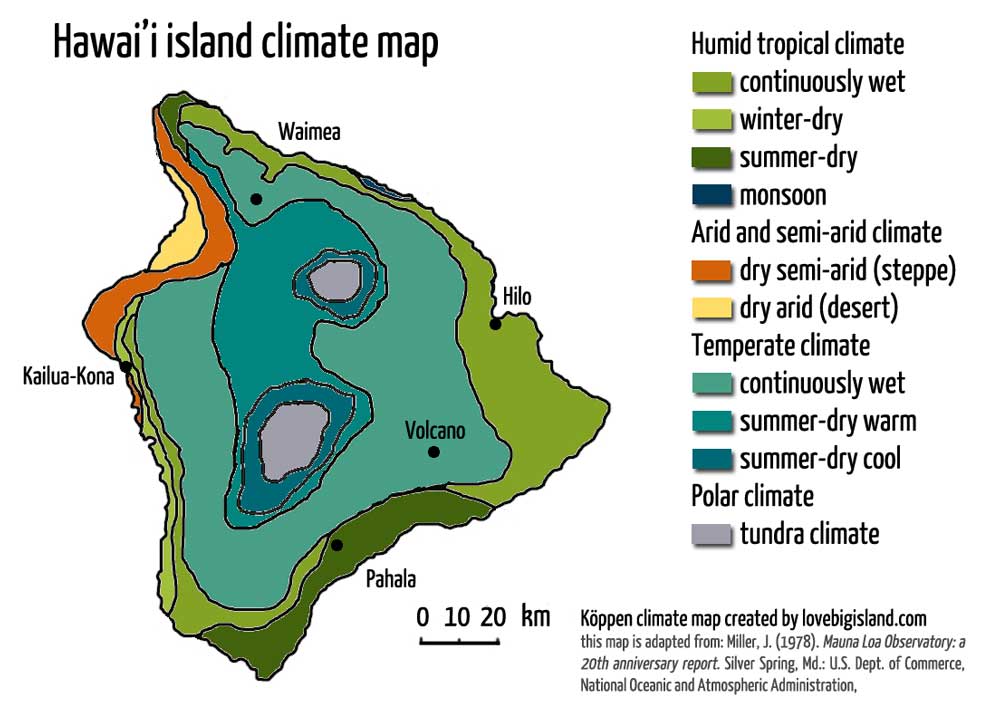
The tropical latitude dictates Hawaii’s fundamental climatic character: warm, pleasant temperatures and a distinct wet and dry season. However, the interplay of oceanic influences, trade winds, and significant elevation changes creates microclimates that can dramatically alter conditions from one side of an island to another, or from the coast to the mountains. This complexity is part of what makes Hawaii so captivating, offering unique opportunities for exploration and enjoyment, no matter your travel style. Whether you’re dreaming of a luxurious escape to a world-class resort, an adventurous trek through rainforests, or a relaxed family vacation, knowing about the climate will ensure your Hawaiian adventure is everything you hoped for.
Understanding Hawaii’s Tropical Climate
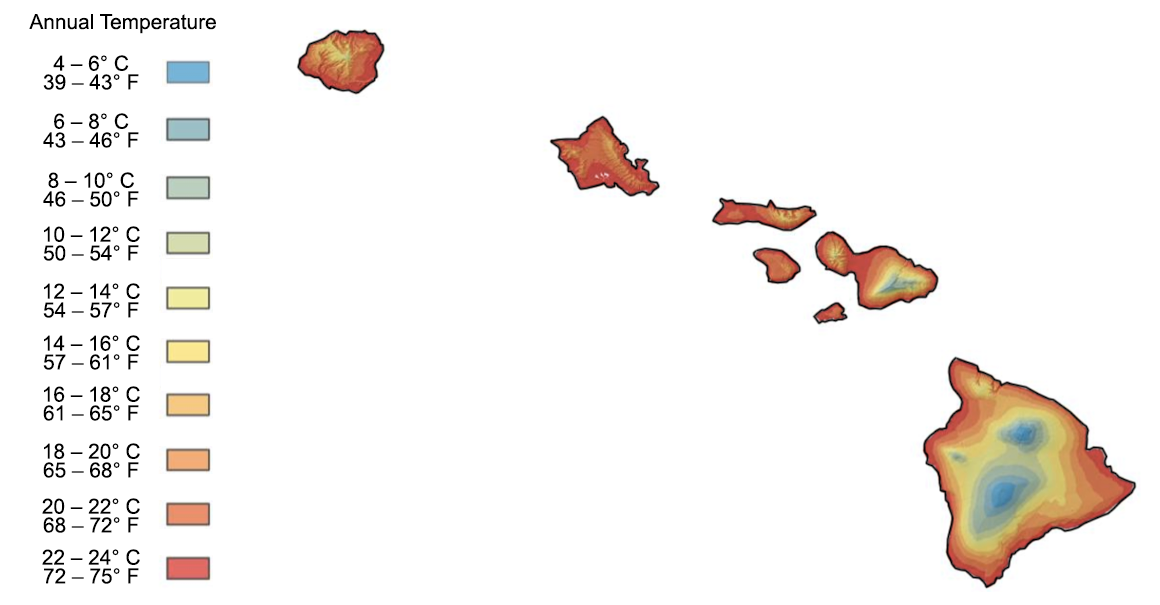
At its core, Hawaii’s climate is defined by its proximity to the equator. This tropical location means that the islands experience minimal temperature variation throughout the year. The average daytime temperature hovers around a comfortable 75-85°F (24-29°C) along the coastlines, with nighttime lows dipping only slightly. There isn’t a harsh winter or a sweltering summer in the way many continental destinations experience. Instead, Hawaii operates on a more subtle seasonal shift, primarily characterized by differences in rainfall.
The Two Seasons: Wet and Dry
Hawaii is generally divided into two main seasons: the dry season, typically from April to October, and the wet season, from November to March.
The Dry Season (May to October): This period is characterized by lower humidity, less rainfall, and more consistent sunshine. It’s often considered the prime time for beach activities, water sports, and exploring the islands’ natural beauty. The trade winds, prevalent throughout the year, are generally stronger during the dry season, providing a refreshing breeze that keeps the warmth at bay. This makes it an ideal time for sunbathing, snorkeling, and simply enjoying the idyllic coastal environments. If your ideal Hawaiian vacation involves abundant sunshine and calm seas, the dry season is your best bet.
The Wet Season (November to April): While called the “wet” season, this doesn’t mean perpetual downpours. Instead, expect more frequent, though often brief, showers. These showers are typically heavier in the late afternoon or evening and can be localized, meaning one part of an island might be experiencing rain while another remains sunny. The wet season also brings slightly cooler temperatures and higher humidity. Crucially, the winter months are also when Hawaii experiences larger surf, particularly on the north-facing shores of islands like Oahu, making it a mecca for professional surfers. For those interested in witnessing the power of the ocean or enjoying cooler, lush landscapes, the wet season still offers plenty of appeal.
The Influence of Trade Winds and Elevation
The gentle, consistent Pacific Trade Winds are a defining feature of Hawaii’s climate, blowing predominantly from the northeast. These winds play a crucial role in moderating temperatures and influencing rainfall patterns. They are responsible for the lush, verdant landscapes on the windward (northeastern) sides of the islands, which receive more moisture. Conversely, the leeward (southwestern) sides tend to be drier and sunnier, often characterized by more arid landscapes. This geographical phenomenon creates distinct microclimates that can be exploited for various activities and preferences.
Coastal Breezes vs. Mountain Mists
The impact of elevation on Hawaii’s climate is profound and often dramatic. As you ascend the volcanic slopes of mountains like Mauna Kea or Mauna Loa on the Big Island, temperatures can drop significantly. At higher altitudes, it can become quite cool, even cold, especially at night. You might experience anything from a pleasant tropical warmth at sea level to a crisp, mountain air environment just a few thousand feet higher.
Coastal Areas: Along the shores and in the valleys, the climate remains consistently warm and tropical, moderated by the trade winds. This is where most of the popular resorts, like the Grand Wailea or the Four Seasons Resort Maui at Wailea, are located, and where the classic Hawaiian beach experience is most readily found. Expect balmy evenings perfect for al fresco dining and days ideal for exploring famous beaches like Waikiki Beach or Poipu Beach.
Mountainous Regions: Higher elevations offer a completely different climate. The summit of Mauna Kea, for instance, can experience sub-freezing temperatures and even snow in winter, making it a unique destination for stargazing and experiencing an alpine environment in the tropics. On islands like Kauai, the windward sides, battered by trade winds and rainfall, are home to incredibly lush rainforests and dramatic cliffs, such as the Na Pali Coast. The leeward sides of these islands, however, are often sunnier and drier, offering a more Mediterranean-like feel in certain areas.
Island-Specific Climate Nuances
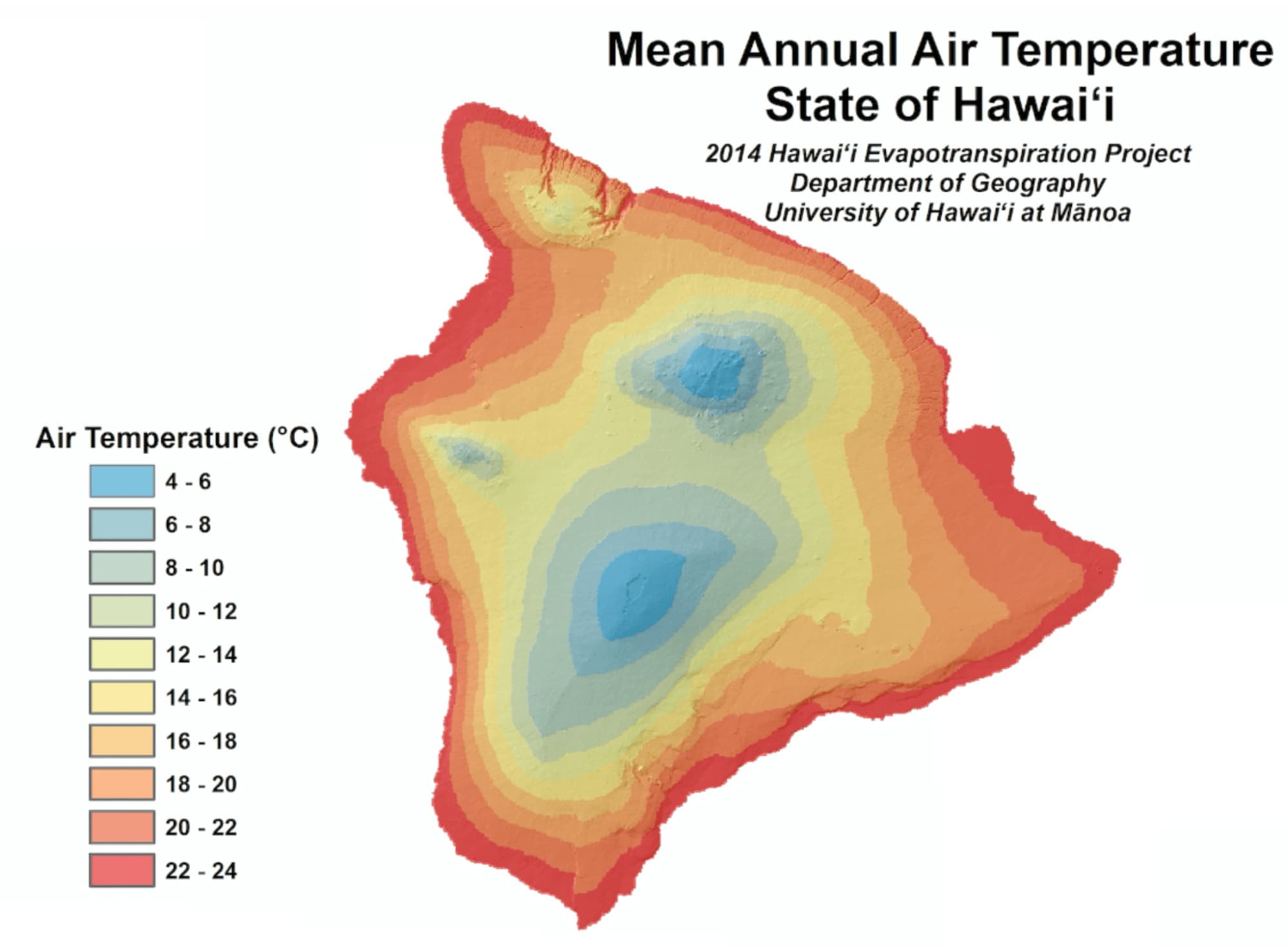
While the general climate patterns apply across the Hawaiian Islands, each island has its own subtle climatic characteristics due to its size, topography, and prevailing wind patterns.
Kauai: The Garden Isle’s Lushness
Kauai, known as the “Garden Isle,” is one of the wettest places on Earth, particularly on its north and east shores. The Mount Waialeale region receives an immense amount of rainfall, contributing to the island’s incredibly verdant landscapes and numerous waterfalls. The southern and western coasts tend to be drier and sunnier, offering classic Hawaiian beach destinations like Poipu. When visiting Kauai, understanding these regional differences is key to planning activities, especially if you’re seeking the iconic dramatic cliffs of the Na Pali Coast or the tranquil beaches of the south.
Oahu: The Gathering Place’s Variety
Oahu, the most populous island and home to Honolulu and Waikiki, offers a diverse range of climates. The south shore, where Waikiki is located, is generally sunny and warm year-round, protected by the Koʻolau mountain range. The north shore, famous for its legendary winter surf, experiences much larger waves and more rain during the wet season. The central plains are often drier, while the windward (east) side receives more rainfall, contributing to its lush scenery. Oahu’s varied climate allows for a wide array of experiences, from bustling city life to world-class surfing and serene hiking trails.
Maui: The Valley Isle’s Contrasts
Maui is celebrated for its incredible climatic diversity. The leeward side, home to popular resort areas like Ka’anapali and Wailea, is typically sunny and dry, perfect for beach holidays and golfing. The windward side, particularly the Road to Hana, is lush and tropical, experiencing frequent rainfall that sustains its verdant rainforests and dramatic waterfalls. The dormant volcano Haleakala offers a dramatic climatic shift, with its summit often being cool, foggy, and even experiencing frost. This contrast makes Maui a versatile destination, catering to those seeking sun-drenched relaxation and those craving the embrace of a tropical rainforest.
The Big Island (Hawaii Island): A Land of Extremes
Hawaii Island, affectionately known as the “Big Island,” lives up to its name in its climatic range. Due to its sheer size and the presence of massive volcanoes like Mauna Loa and Mauna Kea, the island experiences a remarkable array of climate zones. The Kona side (west) is generally dry and sunny, ideal for coffee plantations and beach resorts. The Hilo side (east) is one of the wettest places in Hawaii, fostering lush rainforests and dramatic waterfalls. The volcanic summits offer alpine conditions, while the southern tip can be arid and desert-like. This extreme diversity means you can experience nearly every climate imaginable on a single island, from volcanic deserts to cloud forests and tropical beaches, often within a short drive.
Planning Your Hawaiian Climate-Conscious Trip
Understanding Hawaii’s climate is not just about knowing when to pack shorts and a t-shirt; it’s about tailoring your trip to maximize your enjoyment and experience the islands at their best.
Best Times to Visit for Specific Activities
- Beaches and Sunbathing: The dry season (April to October) offers the most consistent sunshine and calmest ocean conditions, making it ideal for beach lovers.
- Surfing: For those who want to witness or participate in big wave surfing, the winter months (November to February) on the north shores of Oahu and Maui are the prime time.
- Hiking and Exploring Lush Landscapes: The wet season (November to April) can enhance the beauty of rainforests and waterfalls, though be prepared for potential rain. However, even in the wet season, many leeward areas remain sunny.
- Whale Watching: The humpback whales migrate to Hawaii’s warm waters from December to May, with the peak season typically being January through March.
- Avoiding Crowds: The shoulder seasons – spring (April to May) and fall (September to October) – often offer pleasant weather with fewer crowds than the peak summer and winter holiday periods.
Packing Essentials for All Seasons
Regardless of the time of year, Hawaii is a destination for lighter clothing.
- Lightweight clothing: T-shirts, shorts, sundresses, and comfortable walking shoes are essential.
- Swimwear: Multiple swimsuits are recommended, as they may not dry quickly in humid conditions.
- Sun protection: A wide-brimmed hat, sunglasses, and high-SPF sunscreen are crucial. The tropical sun can be intense.
- Rain gear: Even in the dry season, a light, packable rain jacket or poncho is wise, especially if you plan to explore higher elevations or windward areas.
- Layers: For evenings or visits to higher altitudes, a light sweater or jacket is advisable.
- Waterproof bag: Useful for protecting electronics and valuables during boat trips or sudden showers.
- Insect repellent: Particularly useful for evenings or if you plan on hiking through lush vegetation.
By considering these climatic factors and nuances, your journey to the Hawaiian Islands can be planned with confidence, ensuring you are well-prepared to embrace the warmth, beauty, and diverse experiences that this extraordinary destination has to offer. Whether you’re seeking adventure, relaxation, or cultural immersion, Hawaii’s climate provides a welcoming backdrop to an unforgettable escape.