
The allure of California is undeniable. It’s a state that conjures images of sun-drenched beaches, towering redwood forests, world-class entertainment, and innovative technology. This vast and diverse land, stretching from the Pacific Ocean to the Sierra Nevada mountains, boasts a climate as varied and captivating as its landscapes and attractions. Understanding the climate in California is paramount for anyone planning a trip, whether you’re seeking a luxurious desert escape, a family adventure in the mountains, or a budget-friendly exploration of its vibrant cities. This guide will delve into the distinct climatic zones of California, helping you pack the right gear and choose the perfect time to visit its many wonders.
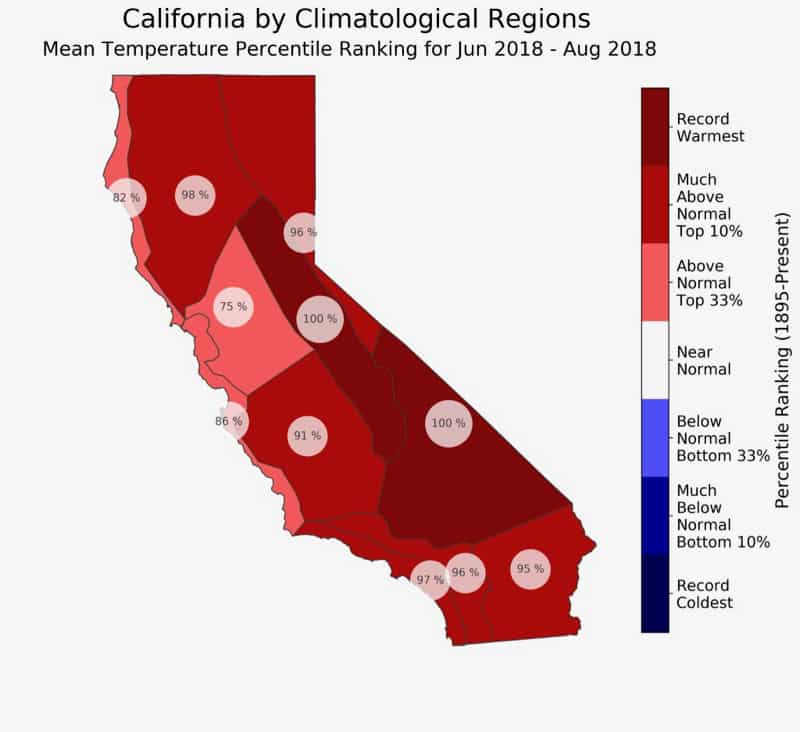
California’s Diverse Climatic Zones: A Region-by-Region Breakdown
Due to its immense size and varied topography, California experiences a remarkable spectrum of climates. From the arid deserts of the south to the snow-capped peaks of the north, each region offers a unique weather experience.
Coastal California: The Mediterranean Embrace
The most iconic image of California’s climate is often associated with its lengthy coastline. Stretching from San Diego in the south to San Francisco in the north, this region enjoys a quintessential Mediterranean climate. This means mild, wet winters and warm, dry summers.
Southern California Coast: Sunny and Mild Year-Round
Cities like Los Angeles, Santa Monica, and San Diego are renowned for their consistently pleasant weather. Temperatures rarely dip below freezing in winter, typically hovering in the comfortable 60s Fahrenheit (around 15-20°C). Summers are warm and sunny, with average highs in the 70s and 80s Fahrenheit (20-30°C), though inland areas can experience hotter temperatures. The coastal breezes often temper the summer heat, making beach days a year-round possibility, though the ocean water temperature can be quite cool even in summer. Rainfall is generally light, concentrated in the winter months, which are characterized by occasional storms. This predictability makes the Southern California coast an ideal destination for those seeking sunshine and outdoor activities at any time of the year. Whether you’re looking to surf in Huntington Beach, explore the La Jolla Cove, or simply relax on the sands of Santa Monica State Beach, the coastal climate here is almost always inviting.
Central and Northern California Coast: Cooler Summers and Foggy Mornings
As you travel north along the coast, the climate becomes slightly cooler, especially during the summer months. Cities like Santa Barbara, Monterey, and San Francisco experience a phenomenon known as “marine layer” or fog, particularly in the mornings and early afternoons during summer. This fog is a result of warm, moist air from the Pacific Ocean meeting cooler ocean currents. While it can sometimes obscure views and keep temperatures cooler (often in the 60s Fahrenheit or 15-20°C), it also contributes to the unique charm of these areas, preventing the extreme heat that can affect inland regions. Winters here are also mild and wetter, with temperatures similar to Southern California, but with more frequent rainfall. San Francisco’s famous fog is a testament to this distinct microclimate, offering a refreshing reprieve from potential inland heat. For visitors planning to explore the Golden Gate Bridge or the picturesque towns along the coast, packing layers is always a wise decision, as temperatures can fluctuate significantly throughout the day.
Inland California: Extremes of Heat and Cold
Moving away from the moderating influence of the Pacific Ocean, inland California presents a dramatically different climatic picture, characterized by greater temperature extremes.
The Central Valley: Hot Summers and Mild Winters
The vast Central Valley of California, a major agricultural hub, experiences a continental-influenced climate. Summers here are notoriously hot, with temperatures frequently soaring into the 90s and even 100s Fahrenheit (30-40°C). The lack of coastal breezes means that this heat can be intense and prolonged. Winters are generally mild, with average temperatures in the 50s Fahrenheit (around 10-15°C), though occasional frost can occur. Rainfall is still concentrated in the winter months, but the valley generally receives less precipitation than the coastal regions. This climate is ideal for growing a wide variety of crops, but for visitors, it means planning activities for the cooler parts of the day during summer months. Destinations like Sacramento or cities within wine country can experience significant heat.

Southern California Deserts: Scorching Summers and Chilly Nights
The desert regions of southern California, including the iconic Mojave Desert and the Colorado Desert, are known for their extreme aridity and dramatic temperature swings. Summers are scorching, with temperatures regularly exceeding 100°F (38°C) and often reaching 110°F (43°C) or higher in places like Palm Springs and Death Valley. The low humidity offers some relief from the perceived heat, but the sun’s intensity is undeniable. Visitors to these areas, especially during the summer, must take extreme precautions, including staying hydrated, wearing protective clothing, and limiting outdoor activities to early mornings and late evenings. However, desert winters are surprisingly pleasant, with daytime temperatures often in the 60s and 70s Fahrenheit (15-25°C), making it an ideal time for outdoor exploration of national parks like Joshua Tree National Park and Joshua Tree. Evenings in the desert can get quite chilly, often dropping into the 40s or 50s Fahrenheit (5-15°C), so packing layers is essential. The stark beauty of the desert landscape is captivating year-round, but understanding its extreme climate is crucial for a safe and enjoyable visit.
Mountainous Regions: Distinct Seasons and Snowfall
The elevated terrain of California, most notably the Sierra Nevada mountain range, offers a climate dramatically different from the coast or the valleys. This region experiences four distinct seasons, including significant snowfall in the winter.
Sierra Nevada: Winter Wonderland and Warm Summers
The Sierra Nevada mountains are home to world-famous ski resorts like Mammoth Mountain and areas surrounding Lake Tahoe. Winter (roughly November through April) brings abundant snowfall, transforming the landscape into a winter wonderland perfect for skiing, snowboarding, and other snow sports. Temperatures during winter can dip well below freezing, especially at higher elevations. The Sierra Nevada is also a crucial water source for the state, with snowpack melting to feed rivers and reservoirs throughout the spring and summer. Spring in the mountains is a transitional period, with melting snow leading to beautiful wildflower displays at lower elevations, while snow persists at higher altitudes. Summers in the Sierra Nevada are generally warm and pleasant, with daytime temperatures in the 70s and 80s Fahrenheit (20-30°C), making it ideal for hiking, camping, and enjoying the pristine alpine lakes. However, afternoon thunderstorms are common, so always be prepared. Autumn offers crisp air, stunning fall foliage, and cooler temperatures before the onset of winter snow. For those planning a visit to Yosemite National Park or exploring the scenic beauty of the Tioga Pass, understanding the seasonal changes in the mountains is vital for accessibility and enjoyment.
Northern California Inland: Cooler Summers and Wetter Winters
Beyond the coastal fog belt and the immediate foothills, inland northern California offers a climate that is a blend of its neighbors.
Wine Country and Shasta Region: Distinct Seasonal Variations
Areas like Napa Valley and Sonoma County, while influenced by coastal air, experience hotter summers than the coast itself, though generally not as extreme as the southern deserts or the Central Valley. The dry summers are ideal for grape growing. Winters here are mild and wet, similar to the coastal regions, with cooler temperatures and more consistent rainfall. Further north, the Shasta region can experience more pronounced seasonal differences, with cooler summers and colder winters that can sometimes bring snow to higher elevations. Visitors to these regions will find that spring and autumn offer the most pleasant weather for exploring vineyards, enjoying outdoor dining, and experiencing the local culture.
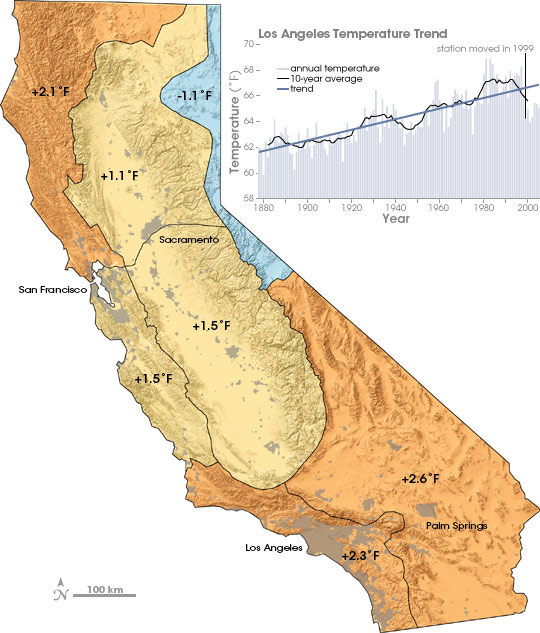
Planning Your California Adventure: Climate Considerations
Understanding California’s diverse climates is not just about packing the right clothes; it’s about optimizing your travel experience. Whether you dream of attending a music festival in Coachella Valley during its pleasant spring months, hiking through the redwoods in the cooler coastal air of Muir Woods National Monument, or marveling at the summer stars in the clear desert skies, timing is everything.
Consider visiting the desert regions in late autumn, winter, or early spring to avoid the extreme summer heat. For wine enthusiasts, late spring, summer, and early autumn are prime times to visit Napa Valley and Sonoma County, with harvest season in the fall offering a particularly vibrant atmosphere. Ski enthusiasts will naturally target the winter months for the Sierra Nevada.
When booking your accommodation, whether it’s a luxury resort in Beverly Hills, a charming bed and breakfast in Carmel-by-the-Sea, or a family-friendly hotel in Anaheim near Disneyland Resort, think about the typical weather for your chosen travel dates. This will help you make informed decisions about activities, transportation, and the overall comfort of your stay.
Ultimately, California’s appeal lies in its ability to offer something for everyone, regardless of the season. By arming yourself with knowledge about its multifaceted climate, you can ensure your California adventure is as spectacular as the state itself.