
Guam, a captivating island paradise in the Western Pacific, is renowned for its stunning beaches, rich history, and vibrant culture. For many travelers planning a visit, understanding the local climate is a crucial part of their itinerary planning. Whether you’re dreaming of a sun-drenched escape, seeking adventure, or simply looking for the perfect weather to explore historical landmarks, knowing what to expect from Guam’s climate will ensure a more enjoyable and well-prepared experience. This comprehensive guide delves into the nuances of Guam’s tropical weather patterns, helping you pack appropriately and make the most of your island adventure.
Understanding Guam’s Tropical Maritime Climate
Guam’s location near the equator dictates its classification as a tropical island, characterized by consistently warm temperatures year-round and distinct wet and dry seasons. The surrounding Pacific Ocean plays a significant role in moderating temperatures, preventing extreme heat or cold. This maritime influence also contributes to high humidity levels, a common feature of tropical climates.
Temperature and Humidity: A Year-Round Warmth
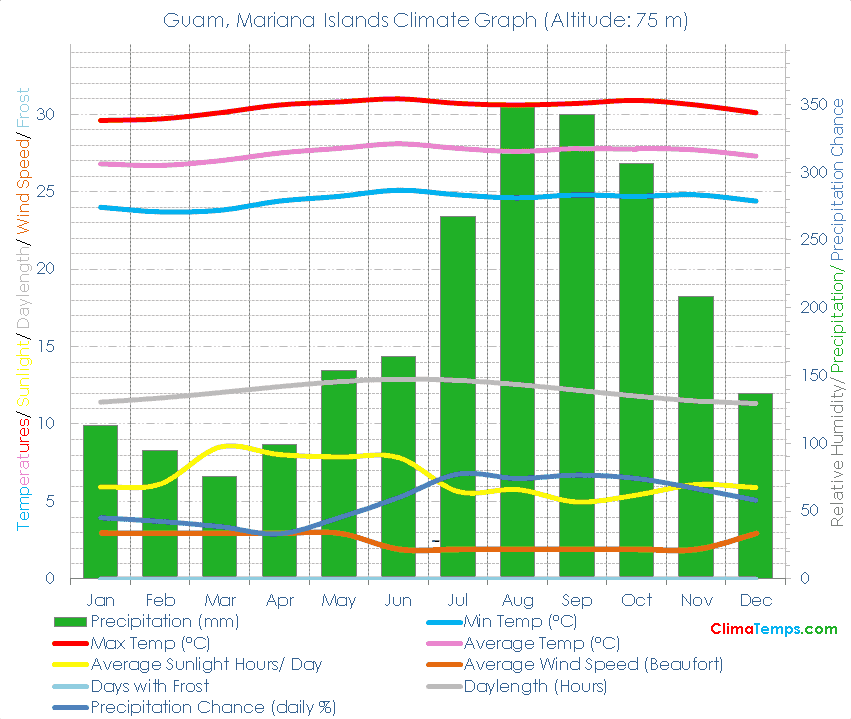
The temperature in Guam rarely deviates significantly from the comfortable range of 70s to 80s Fahrenheit (around 24-29 degrees Celsius). Daytime highs typically hover in the mid-80s, while nighttime lows offer a slight respite, dipping into the 70s. There are no distinct “hot” or “cold” seasons in the way one might experience in temperate zones. Instead, the warmth is a constant, making it an ideal destination for those seeking to escape cooler climates.
Humidity, however, is a noticeable aspect of Guam’s weather. Expect high humidity levels throughout the year, often ranging from 70% to over 90%. This can make the air feel warmer than the thermometer might suggest and contributes to the lush, tropical vegetation that characterizes the island. While it might take some adjustment for visitors accustomed to drier air, it’s an integral part of the tropical experience. Staying hydrated and wearing light, breathable clothing are key strategies for managing humidity.
The Influence of Trade Winds
Guam experiences prevailing northeast trade winds for most of the year. These winds are a delightful aspect of the island’s climate, providing a natural air conditioning effect that helps to alleviate the otherwise persistent warmth and humidity. They are particularly strong and consistent during the dry season, offering refreshing breezes that enhance outdoor activities. While the trade winds can sometimes bring light showers, they generally contribute to a more comfortable and pleasant atmosphere, especially along the coastlines.
Guam’s Distinct Seasons: Wet vs. Dry
While Guam doesn’t experience the dramatic seasonal shifts seen in other parts of the world, it does have two primary seasons: the dry season and the wet season. These are primarily defined by the amount of rainfall and the intensity of the trade winds.
The Dry Season: December to May
The dry season, generally spanning from December to May, is often considered the most popular time to visit Guam. During these months, rainfall is significantly lower, and the island enjoys more sunshine. The trade winds are typically at their strongest and most consistent, providing pleasant breezes that make exploring the island’s many attractions comfortable. This period is ideal for outdoor adventures, from snorkeling and diving in the crystal-clear waters around Tumon Bay to hiking through the lush rainforests and visiting historical sites like the Spanish Steps and the Fort Nuestra Señora de la Soledad.
Despite being termed “dry,” occasional light showers are still possible, but they are usually brief and do not disrupt activities for long. The sky is often a brilliant blue, and the seas are generally calmer, perfect for boat tours and enjoying the pristine beaches.
Peak Tourist Months and Weather Considerations
The period from December to April typically sees the highest influx of tourists. This is directly linked to the favorable weather conditions. Many visitors from colder climates choose this time for their tropical getaway. While the weather is indeed excellent, it’s worth noting that popular resorts and attractions might be more crowded, and prices for accommodations, such as those found at the Hyatt Regency Guam or Dusit Thani Guam Resort, could be at their highest. Booking in advance is highly recommended during these months to secure your preferred lodging and avoid disappointment.
The Wet Season: June to November
The wet season, running from June to November, is characterized by increased rainfall and higher humidity. While the term “wet season” might conjure images of constant downpours, it’s important to understand that Guam’s rainfall often comes in the form of intense, short-lived thunderstorms, typically in the afternoon. These can be quite dramatic but often clear up quickly, leaving behind a refreshed, vibrant landscape.
During this season, the trade winds can sometimes weaken or shift, leading to periods of calmer seas and potentially more stagnant air, making the humidity feel more pronounced. However, the island remains lush and green, and the reduced rainfall doesn’t typically deter all outdoor activities. Many find this period to be a more budget-friendly time to visit, with potentially lower prices for flights and accommodations.
Typhoons and Tropical Storms
One of the primary considerations during the wet season, particularly from August to October, is the potential for typhoons and tropical storms. Guam is located in a region prone to these weather events. While direct hits are not a daily occurrence, the island does experience the fringes of these storms, which can bring heavy rains, strong winds, and rough seas.
During a typhoon warning, the government of Guam issues advisories, and local authorities may recommend seeking shelter. Many hotels and resorts are well-prepared for these events, offering safety protocols and secure accommodations. It’s advisable for travelers visiting during these months to stay informed about weather forecasts and heed local guidance. The Guam National Weather Service is an excellent resource for up-to-date information.
Planning Your Trip: Packing and Activities
Understanding Guam’s climate allows for informed decisions about what to pack and when to visit, ensuring a seamless travel experience.
What to Pack for Guam’s Climate
Regardless of the season, packing light, breathable clothing is essential for Guam. Think cotton t-shirts, linen shirts, shorts, and comfortable walking shoes. A wide-brimmed hat and sunglasses are crucial for sun protection, and high SPF sunscreen is a must.
For the wet season, a lightweight, waterproof rain jacket or poncho is highly recommended. While swimming is popular year-round, packing a swimsuit is, of course, a given. For evenings, especially in more upscale restaurants or resorts, you might consider packing a slightly dressier outfit, but generally, the island maintains a casual atmosphere.
Essential Items for Tropical Weather
- Lightweight, breathable clothing: Cotton, linen, and moisture-wicking fabrics are ideal.
- Swimwear: For beaches, pools, and water sports.
- Sun protection: High SPF sunscreen, wide-brimmed hat, sunglasses.
- Waterproof rain jacket or poncho: Especially for the wet season.
- Comfortable walking shoes or sandals: For exploring.
- Insect repellent: To protect against mosquitoes, particularly during dawn and dusk.
- Reusable water bottle: To stay hydrated and reduce plastic waste.
Activities Tailored to the Climate
Guam offers a wealth of activities that can be enjoyed year-round, with slight adjustments based on the season.
Dry Season Activities
The dry season is perfect for maximizing your time outdoors.
- Beach hopping and water sports: Explore iconic beaches like Ypao Beach Park and Tumon Beach. Enjoy snorkeling, diving, paddleboarding, and kayaking. The calm waters are excellent for learning new water sports.
- Historical site exploration: Visit landmarks such as Fort San Jose and the Agana Cathedral-Basilica. The drier weather makes hiking to sites like Two Lovers Point more comfortable.
- Island tours: Take a scenic drive around the island, stopping at various viewpoints and attractions. Consider a visit to the War in the Pacific National Historical Park.
- Outdoor dining and entertainment: Enjoy the many beachfront restaurants and open-air bars.
Wet Season Activities
Even during the wet season, enjoyable activities abound.
- Indoor attractions: Explore the Guam Museum to delve into the island’s rich history and culture. Visit the numerous shopping centers, such as the Micronesia Mall.
- Spa and wellness: Indulge in a relaxing spa treatment at one of the island’s many resorts.
- Culinary exploration: Guam’s food scene is vibrant. Enjoy local Chamorro cuisine at restaurants or try diverse international flavors. Consider a cooking class to learn about local dishes.
- Afternoon showers as an experience: Embrace the tropical downpours. Many find the dramatic change in atmosphere and the fresh, clean scent after a rain shower to be a unique part of the island’s charm. Just be prepared to duck for cover for a short period.
- Surfing and bodyboarding: While some water activities might be limited by rougher seas, certain conditions during the wet season can be ideal for surfing.

Conclusion: Embracing Guam’s Tropical Charm
Guam’s climate is a defining characteristic of this beautiful island, offering a consistently warm and tropical experience. While the distinction between the dry and wet seasons is important for planning, the island’s charm is ever-present. Whether you are seeking adventure on the water, historical immersion, or simply relaxation on a sun-drenched beach, Guam’s temperate year-round climate, moderated by the Pacific Ocean and refreshed by the trade winds, ensures a memorable journey. By understanding the nuances of its tropical maritime climate, you can pack wisely, plan your activities effectively, and fully embrace the unparalleled beauty and hospitality of Guam. From the vibrant marine life visible during a dive in Apra Harbor to the historical echoes at the Latte Stone Park, Guam awaits, ready to offer an unforgettable experience in its delightful tropical embrace.
LifeOutOfTheBox is a participant in the Amazon Services LLC Associates Program, an affiliate advertising program designed to provide a means for sites to earn advertising fees by advertising and linking to Amazon.com. Amazon, the Amazon logo, AmazonSupply, and the AmazonSupply logo are trademarks of Amazon.com, Inc. or its affiliates. As an Amazon Associate we earn affiliate commissions from qualifying purchases.