
Embarking on a journey, whether for a fleeting vacation or a more permanent relocation, often involves more than just booking flights and choosing the perfect hotel. Responsible travel and informed lifestyle choices necessitate an understanding of local laws, customs, and legal frameworks, particularly when venturing into a new state or country. For those considering a visit to or residence in the vast and vibrant Lone Star State, comprehending specific legal age requirements, including the age of consent, is a crucial aspect of navigating its unique landscape safely and respectfully. This article delves into the age of consent in Texas, expanding to cover other relevant age-related laws that travelers, families, and individuals should be aware of to ensure a smooth, enjoyable, and legally compliant experience in this dynamic corner of the United States.
Understanding the legal fabric of your destination is an integral part of responsible tourism. It ensures not only your safety and compliance but also allows you to immerse yourself more fully in the local culture without unintentional missteps. From the bustling metropolises like Houston and Dallas to the serene beauty of the Texas Hill Country and the historic charm of San Antonio, Texas offers a diverse array of experiences. However, a deeper appreciation for the state also comes from acknowledging and respecting its legal boundaries, especially concerning sensitive topics such as age-related regulations.
Understanding the Legal Landscape in the Lone Star State
Texas, like every other state, operates under a specific set of laws that govern the conduct and interactions of its residents and visitors. When planning a trip, considering accommodation options, or even contemplating a long-term stay, familiarizing yourself with these legal parameters is not just advisable; it’s essential. This section aims to demystify some of these crucial age-related laws, providing a clear picture of what one needs to know to navigate Texas confidently.
Defining the Age of Consent in Texas
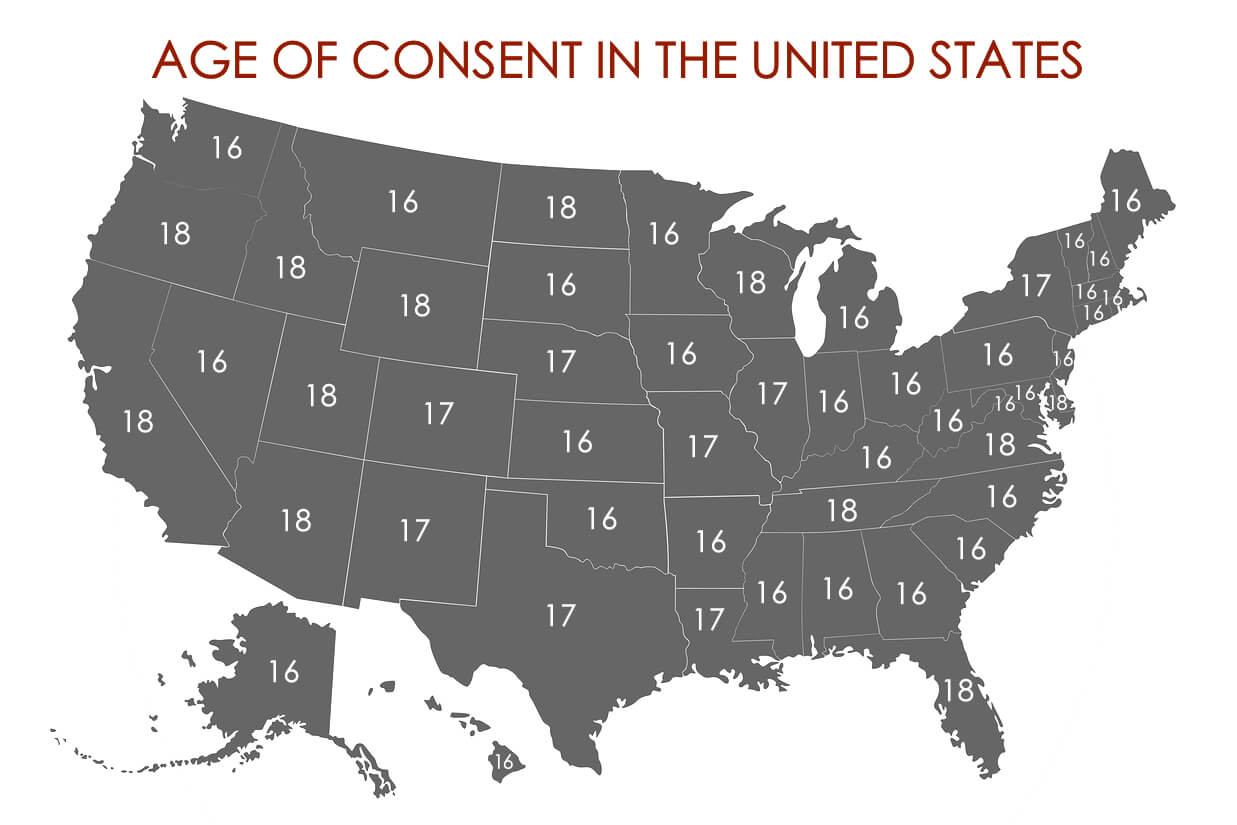
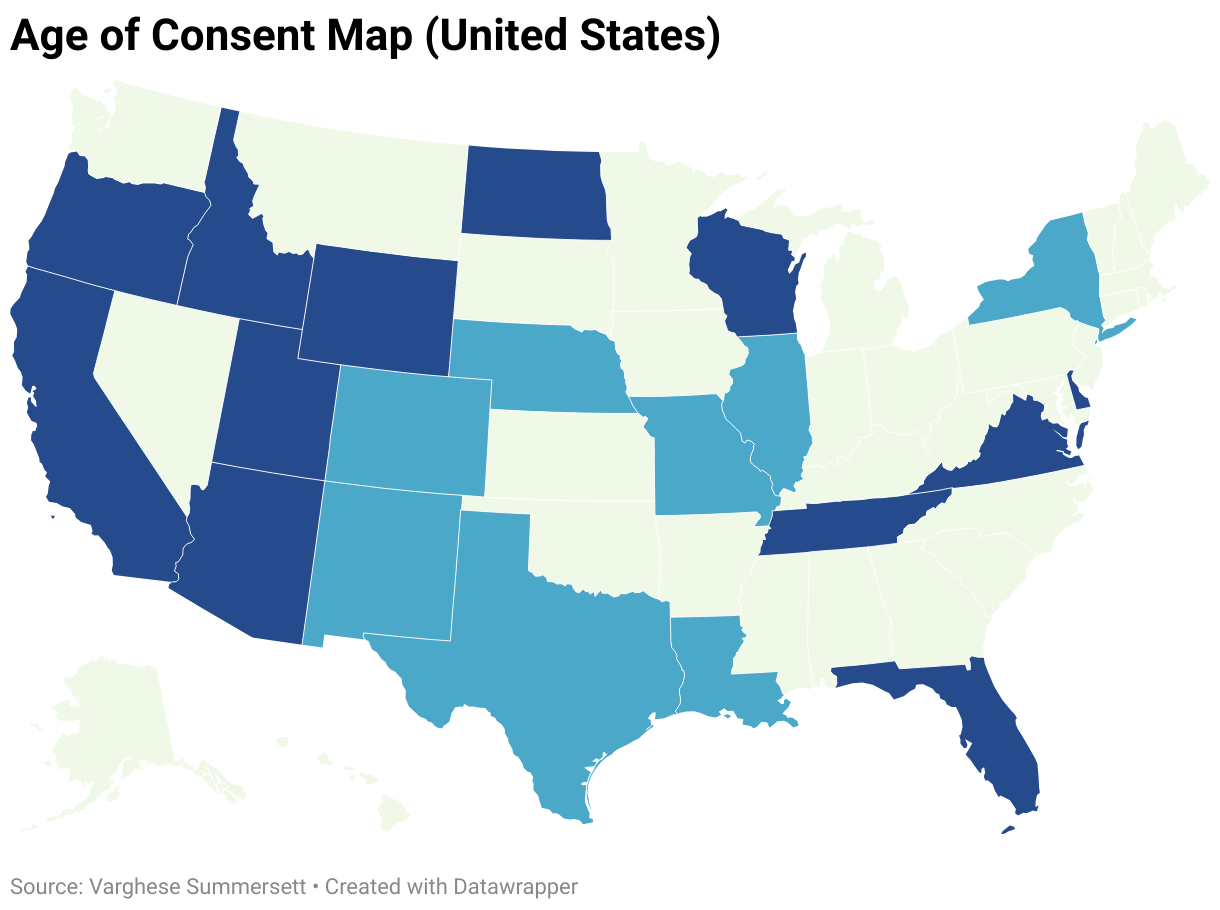
At the heart of our discussion is the age of consent. In Texas, the age of consent is 17 years old. This means that any sexual activity with an individual under the age of 17 is considered a criminal offense, regardless of whether the younger person claims to have consented or not. The law is designed to protect minors from exploitation and is taken very seriously within the state’s legal system. Violations of this law carry severe penalties, including lengthy prison sentences and significant fines, reflecting the gravity with which such offenses are treated.
For travelers, particularly those from countries or states where the age of consent might differ, this information is paramount. Ignorance of the law is not considered a valid defense. It underscores the importance of exercising extreme caution and diligence in any interpersonal relationships formed while visiting or residing in Texas. This legal stipulation is a cornerstone of child protection laws and serves as a vital safeguard for the youth of the state. It’s a fundamental piece of information for anyone seeking to responsibly engage with the community and understand the boundaries of permissible conduct.
Beyond Consent: Other Age-Related Laws for Minors
While the age of consent is a specific legal point, it’s part of a broader framework of age-related laws that define the rights and responsibilities of minors in Texas. Understanding these additional regulations is crucial for families traveling with children, young adults exploring the state, or anyone considering moving to Texas with dependents.
The age of majority in Texas is 18 years old. At this age, individuals are generally considered adults and gain most legal rights and responsibilities, such as the ability to enter into contracts, vote, and purchase firearms. However, there are exceptions:
- Alcohol and Tobacco: The legal age to purchase and consume alcoholic beverages and tobacco products (including e-cigarettes and vaping products) is 21 years old. This aligns with federal law in the United States and is strictly enforced across the state, from the vibrant nightlife of Austin to the quiet towns.
- Driving: Individuals can obtain a learner’s permit at 15 years old and a provisional driver’s license at 16 years old in Texas, with certain restrictions regarding driving hours and passengers. This is vital information for families with teenage drivers or young visitors planning to explore the state by car.
- Marriage: While the general age for marriage without parental consent is 18, minors aged 16 or 17 can marry with parental consent or a court order. This reflects a nuanced approach to individual autonomy versus parental guidance.
- Curfews: Many Texas cities, including major hubs like Houston, Dallas, San Antonio, and Austin, enforce curfews for minors, typically applying to individuals under 17 or 18. These curfews often restrict unaccompanied minors from being in public places during late-night hours, particularly on weekends. Visitors with teenagers should check local ordinances for the specific city they are visiting to avoid potential issues.
- Tattoos and Piercings: In Texas, it is illegal to tattoo a minor under the age of 18, even with parental consent. For body piercings (excluding earlobe piercings), parental consent is generally required for minors. These regulations are designed to protect the health and long-term well-being of young individuals.
These varying age requirements highlight the complexity of legal compliance. For those planning a family vacation to attractions like Six Flags Over Texas or a cultural tour through Galveston, knowing these rules ensures that activities are enjoyed without legal complications.
Responsible Travel and Lifestyle in Texas: What Visitors Should Know
When you journey to Texas, you’re not just crossing a geographical line; you’re entering a distinct legal and cultural environment. For a truly enriching and trouble-free experience, a commitment to responsible travel and an informed lifestyle is paramount. This involves understanding how state laws, particularly those concerning age, can impact your visit, whether you’re traveling solo, with family, or for business.
Navigating Parental Rights and Responsibilities
For families exploring Texas, an awareness of parental rights and responsibilities, as defined by state law, is incredibly beneficial. While the basics of guardianship remain consistent across the United States, specific nuances can arise. For instance, if traveling with minors who are not your biological children (e.g., grandchildren, nieces, nephews, or friends’ children), having official documentation such as a notarized letter of consent from their legal guardians can prevent potential issues, particularly in emergency medical situations or during extended stays.
Consider a family trip to the Houston Space Center or a historical tour of The Alamo and the Riverwalk in San Antonio. While these experiences are generally straightforward, understanding that in legal scenarios, parental consent for medical treatment, school enrollment (if considering a long-term move), or participation in certain activities might be specifically governed by Texas statutes can save a lot of stress. For families considering a long-term stay or relocation, engaging with local educational or childcare services will undoubtedly bring state-specific regulations to the forefront, emphasizing the need for prior knowledge.
Safety and Legal Awareness for Young Adults and Solo Travelers
Young adults and solo travelers represent a significant portion of the tourism demographic, often seeking adventure, new connections, and memorable experiences. Whether exploring the vibrant music scene in Austin, visiting the Dallas Arts District, or enjoying the beaches of South Padre Island, it is crucial for these individuals to prioritize their safety and maintain legal awareness.
The age of consent in Texas (17) is a particularly important piece of information for young adults, especially those who may be accustomed to different age requirements elsewhere. Misunderstandings can have severe legal repercussions. It’s always advisable to verify the age of any individual with whom one is contemplating a romantic or sexual relationship to ensure compliance with state law. Beyond this, general safety practices are always recommended: informing someone of your whereabouts, avoiding isolated areas, and being mindful of personal belongings. When staying at a resort or villa, utilize the security services and advice offered by the establishment. Texas is a welcoming state, but like any unfamiliar environment, it requires a degree of caution and informed decision-making to ensure a safe and enjoyable journey.
Embracing Texas Culture Responsibly
Texas offers an unparalleled tapestry of experiences, from the cowboy traditions of Fort Worth to the artistic enclaves of Marfa and the stunning landscapes of Big Bend National Park. To truly appreciate and immerse oneself in this rich culture, it is essential to do so responsibly, which includes an understanding and respect for its legal framework.
The Importance of Local Laws and Customs
Respecting local laws and customs is the bedrock of responsible tourism. When you visit Texas, you are not just a spectator; you are a temporary member of its community. This means adhering to the rules that govern that community, not only for your own protection but also out of respect for the residents and their way of life.
Consider, for example, the various landmarks and attractions that dot the state. While most tourist activities are open to all ages, certain venues might have age restrictions or guidelines that are important to note. Concert halls in Austin may have age limits for certain shows, particularly those serving alcohol. Similarly, some historical sites or museums might have specific visitor policies relevant to younger children. Staying informed about these local nuances, whether through guides, official websites, or inquiries at your accommodation, contributes to a smoother and more enriching travel experience. The majestic Texas State Capitol in Austin, for example, welcomes all visitors, but adherence to behavioral guidelines ensures the preservation of this significant landmark. Understanding the “when in Rome” philosophy, applied to Texas laws, elevates your journey from a simple visit to a respectful engagement with the state’s heritage and contemporary life.

Where to Find Reliable Information
In an age of information overload, discerning accurate and reliable legal information is paramount. When it comes to sensitive topics like the age of consent or other age-related laws, relying on official sources is crucial.
- Official Government Websites: The most authoritative sources for Texas laws are the state’s official government websites. The Texas Legislature Online, the Texas Penal Code, and the websites of the Texas Department of Public Safety are excellent starting points. These sites provide detailed, up-to-date information directly from the source.
- Legal Professionals: For complex legal questions or specific scenarios, consulting with a legal professional licensed to practice in Texas is always the best course of action. This is particularly true if you are considering a long-term move or have unique circumstances.
- Reputable Travel Guides and Forums (with caution): While travel guides and online forums can offer valuable insights into attractions and experiences, exercise caution when seeking legal advice from these sources. Always cross-reference any legal information with official government channels.
Avoid relying solely on anecdotal evidence or unofficial social media discussions, as these can often be inaccurate or outdated. Being proactive in seeking reliable information demonstrates a commitment to responsible travel and ensures that your adventure in Texas, whether exploring the Gulf Coast or enjoying the vibrant downtowns of cities like El Paso, Plano, Irving, Frisco, Corpus Christi, and Amarillo, remains both memorable and free from legal complications.
In conclusion, understanding the age of consent and other age-related laws in Texas is a fundamental aspect of responsible travel and an informed lifestyle. By familiarizing yourself with these crucial regulations, you not only protect yourself and those around you but also contribute to a respectful and harmonious interaction with the vibrant culture and communities of the Lone Star State. Whether you’re here for leisure, business, or a new beginning, a commitment to legal awareness ensures that your Texas experience is as enriching and fulfilling as possible.