
Colorado, with its breathtaking natural beauty, vibrant cities, and unparalleled outdoor recreation opportunities, has long been a magnet for those seeking a dynamic lifestyle amidst stunning landscapes. From the majestic peaks of the Rocky Mountains to the bustling urban centers of Denver and Boulder, the Centennial State offers a unique blend of adventure and sophistication. However, this coveted lifestyle comes with a price tag, and understanding the cost of living in Colorado is crucial for anyone considering a move, a long-term stay, or even extended travel within the state. As a premier destination for tourism, accommodation, and diverse lifestyles, Colorado presents a complex economic picture influenced by its popularity and unique geographical advantages. This comprehensive guide will break down the various facets of expenses you can expect, from housing to daily necessities and the cost of embracing the iconic Colorado way of life.
The Colorado Dream: A Price Tag Perspective
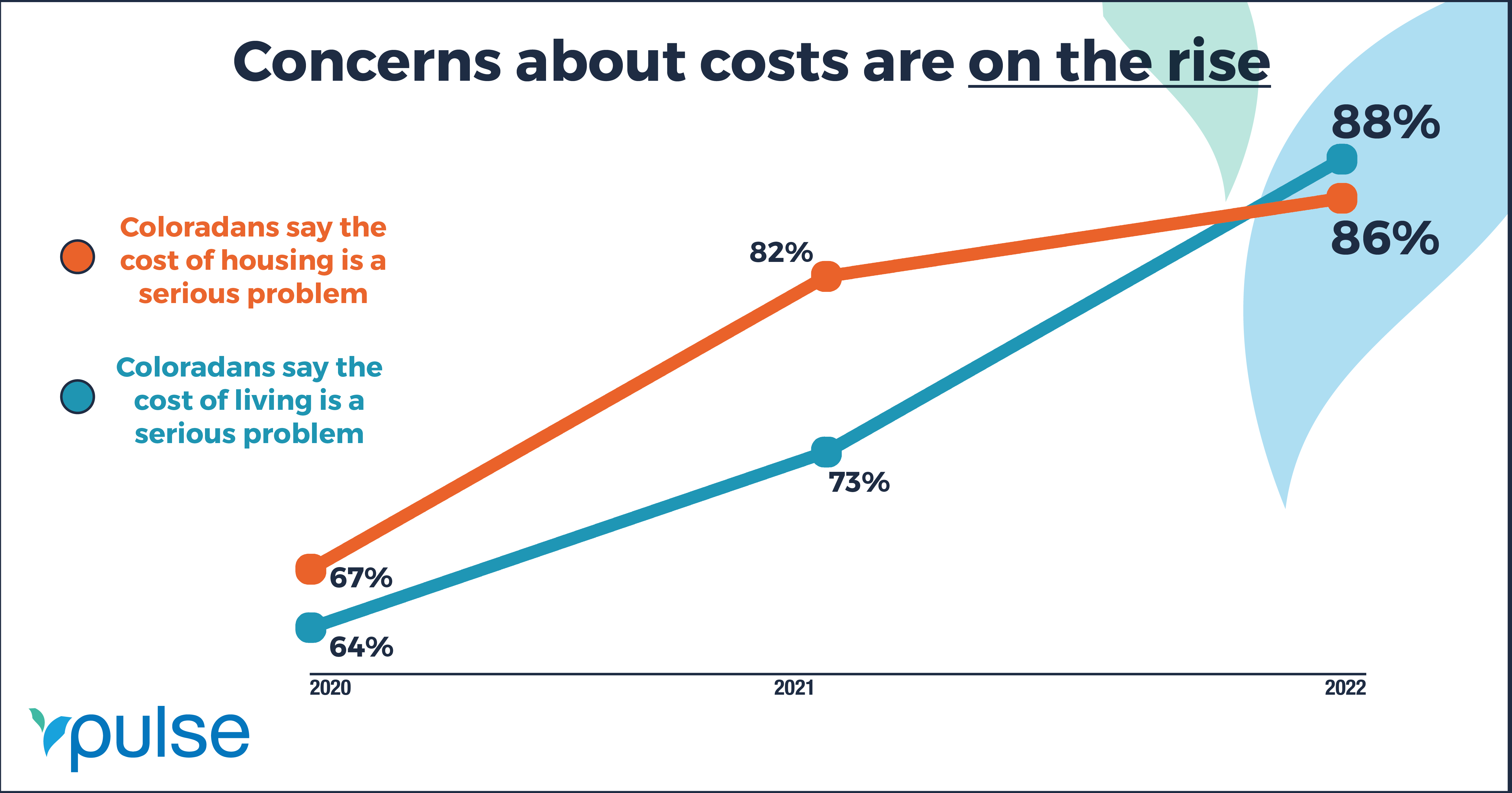
Colorado’s allure is undeniable, drawing in new residents and tourists alike with its promise of 300 days of sunshine, world-class ski resorts, and a thriving job market, particularly in tech and aerospace. This consistent demand, coupled with limited developable land in some of the most desirable areas, has significantly impacted the cost of living. While the average income in Colorado is higher than the national average, so are many of its core expenses, making it one of the pricier states in the nation. For those exploring destinations, planning experiences, or even considering long-term accommodation, a realistic understanding of these costs is paramount.
Housing: The Dominant Factor
Unsurprisingly, housing stands out as the single most significant expense when considering the cost of living in Colorado. Both rental rates and home prices have soared over the past decade, driven by population growth and strong demand. Major metropolitan areas such as Denver, Boulder, Fort Collins, and Colorado Springs consistently rank among the most expensive housing markets in the country.
For renters, a one-bedroom apartment in Denver can easily range from $1,600 to $2,200 per month, with two-bedroom units commanding $2,000 to $3,000 or more, especially in popular neighborhoods like LoDo or Cherry Creek. In Boulder, known for its university and progressive community, these figures are often even higher, with one-bedroom apartments frequently exceeding $2,000-$2,500. For visitors considering an extended stay, looking into serviced apartments or unique villas might offer a blend of comfort and potentially better value than traditional hotels for longer durations. Websites specializing in accommodation comparison and long-term stays can be invaluable resources.
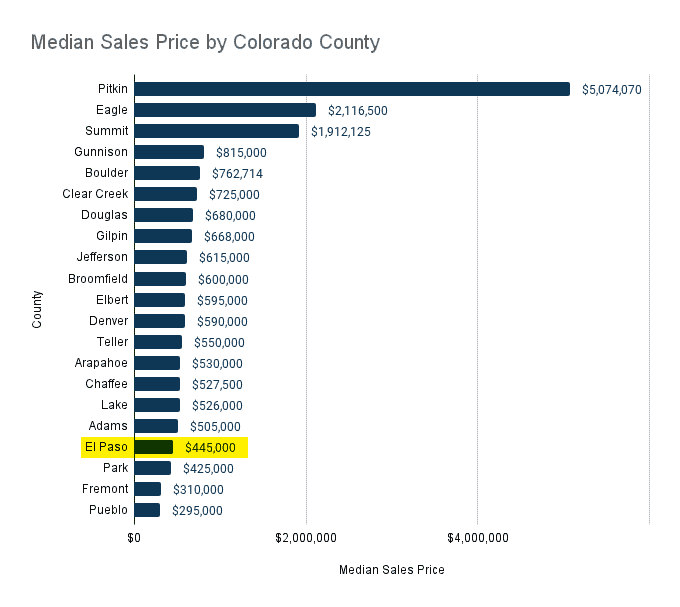
Purchasing a home in Colorado requires a substantial investment. The median home price across the state has hovered well above the national average, often exceeding $500,000 to $600,000, and significantly higher in prime locations. In Denver’s competitive market, median prices can approach or surpass $700,000, while in Boulder County, they can easily top $900,000 or even $1 million for single-family homes. This steep entry barrier often means that many residents opt for renting, particularly younger professionals or those not planning a long-term commitment. For those on a budget, exploring the outskirts of major cities or smaller, burgeoning towns further afield might reveal more affordable opportunities. However, this often necessitates longer commutes, a factor that needs to be weighed against the savings in housing costs. Understanding the nuances of the local real estate market is crucial whether you’re booking a short-term rental or planning a long-term residence.
Regional Variations: Urban vs. Mountain vs. Rural
The cost of living in Colorado is far from uniform; it varies dramatically depending on the region. The state can broadly be categorized into several economic zones, each with its own cost profile:
-
Urban Centers (Denver Metro Area, Front Range): As discussed, these are the most expensive areas due to high demand, job opportunities, and amenities. Cities like Denver, Boulder, Aurora, and Lakewood lead the pack. They offer a rich tapestry of local culture, diverse food scenes, and numerous attractions, but demand a premium for living. Hotels in these areas, like the Grand Hyatt Denver or The Maven Hotel, also reflect this premium, especially during peak travel seasons.
-
Mountain Towns and Ski Resorts: Destinations like Aspen, Vail, Breckenridge, and Telluride are world-renowned for their ski tourism and natural beauty. While popular for luxury travel and family trips, these areas are exceptionally expensive, not just for housing but for nearly everything else. Many residents in these towns commute from more affordable neighboring communities. A two-bedroom apartment can easily surpass $3,000-$4,000 per month, and hotels or resorts such as The St. Regis Aspen Resort or Four Seasons Resort Vail command some of the highest rates in the nation. Even groceries and basic services come at a premium due to transportation costs and a captive market.
-
Smaller Cities and Rural Areas: Moving away from the major urban centers and mountain resorts, the cost of living decreases considerably. Towns on the Eastern Plains, in Southern Colorado (like Pueblo or Grand Junction), or the Western Slope offer significantly more affordable housing and a generally lower cost of goods and services. While these areas might have fewer job opportunities in certain sectors and limited public transit, they provide a quieter lifestyle and closer proximity to certain natural landmarks or less-trafficked outdoor experiences. Accommodation options here might lean more towards charming bed & breakfasts or budget-friendly motels, catering to a different kind of traveler or resident seeking a more relaxed pace.
Daily Expenses: Beyond the Roof Over Your Head
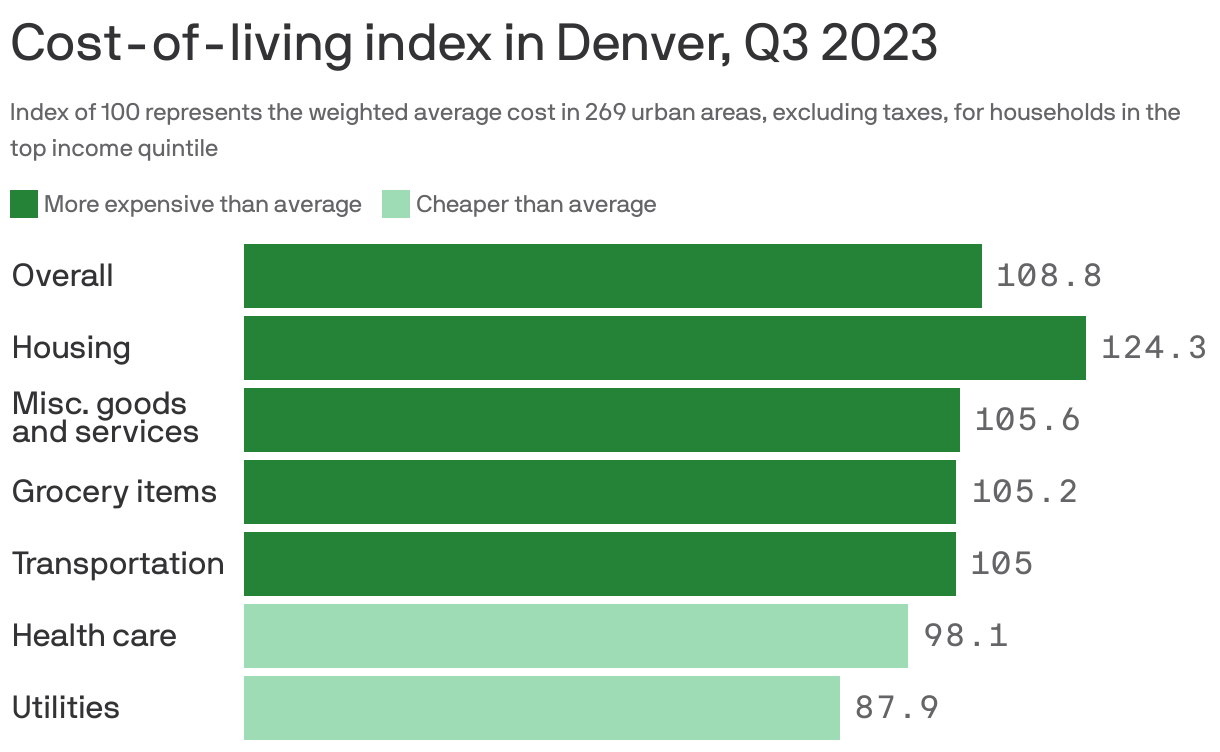
While housing is the behemoth, other daily expenses also contribute significantly to the overall cost of living in Colorado. These include transportation, food, utilities, and healthcare, each presenting its own set of considerations for residents and long-term visitors.
Transportation and Connectivity
Colorado is largely a car-dependent state, especially outside the core areas of Denver and Boulder. While the Regional Transportation District (RTD) in the Denver Metro Area offers a commendable network of buses and light rail, connecting various suburbs and even to Denver International Airport (DIA), owning a car is almost a necessity for most residents. This means factoring in car payments, insurance, fuel costs (which tend to be slightly above the national average), and maintenance. For tourists, rental cars are a standard expense for exploring destinations like Rocky Mountain National Park or the scenic Peak to Peak Highway.
For the environmentally conscious or budget-minded, cycling is popular, especially in cities with extensive bike paths like Fort Collins and Boulder. However, the mountainous terrain makes long-distance cycling impractical for daily commuting for most. Business stays might benefit from ride-sharing services or the concentrated public transit within downtown areas, reducing the need for a rental car if travel is localized. For those venturing to ski resorts, specialized shuttle services are available, but they can be costly, often adding a significant amount to a weekend trip budget.
Food, Utilities, and Healthcare
Groceries: The cost of groceries in Colorado is generally on par with or slightly above the national average. Prices can be noticeably higher in mountain towns due to increased transportation costs. A single person might budget $350-$500 per month for groceries, while a family of four could easily spend $800-$1,200+. However, Colorado’s local food scene thrives, with farmers’ markets offering fresh, seasonal produce, which can be a budget-friendly option and a great way to experience local culture.
Dining Out: Colorado boasts a fantastic culinary scene, from upscale dining in Larimer Square to casual breweries and food trucks. Eating out can be expensive, with a mid-range restaurant meal for two costing $60-$100 without drinks. Budget travelers will find solace in fast-casual eateries or by exploring the diverse food truck scene, particularly around landmarks and attractions.
Utilities: Utility costs vary seasonally. Winters can bring higher heating bills (natural gas), especially in older homes or in colder mountain regions. Summers can see increased electricity usage for air conditioning, though Colorado’s dry climate often means less reliance on AC than in more humid states. Average monthly utility bills (electricity, heating, cooling, water, garbage) for an apartment can range from $150 to $300+. Internet service typically adds another $60-$90 per month.
Healthcare: Healthcare costs in Colorado tend to be higher than the national average. Insurance premiums, doctor’s visits, and prescription drugs can all contribute significantly to the overall cost of living. It’s essential to factor this into your budget, especially if you have specific healthcare needs or are moving from a state with lower medical expenses. For those on long-term stays, researching local clinics and understanding insurance coverage becomes vital.
Embracing the Colorado Lifestyle: Discretionary Spending
Beyond the necessities, a significant portion of the Colorado experience revolves around its vibrant lifestyle, heavily influenced by its stunning natural environment. Discretionary spending can fluctuate wildly depending on whether you lean towards luxury travel, budget adventures, or family-focused activities.
Outdoor Adventures and Entertainment
Colorado is an outdoor enthusiast’s paradise, offering an endless array of activities, from skiing and snowboarding in winter to hiking, mountain biking, and whitewater rafting in summer. However, many of these activities come with a cost.
- Skiing/Snowboarding: A major draw, but also a major expense. Lift tickets at world-class resorts like Vail, Aspen Snowmass, or Winter Park Resort can exceed $200-$300 for a single day. Season passes, while a significant upfront investment, offer better value for frequent skiers. Equipment rentals, lessons, and lodging (like a stay at the Hotel Jerome in Aspen or a cozy chalet in Breckenridge) further add to the cost. For budget-conscious travelers, exploring smaller, local ski hills or visiting during the shoulder seasons can offer savings.
- National Parks and State Parks: Entry to Rocky Mountain National Park (a true natural landmark) requires a fee, or an annual pass (America the Beautiful Pass) for frequent visitors. Colorado’s State Parks also have entrance fees. While these are relatively modest, they add up if you’re a regular explorer. Camping permits are also an additional expense for those seeking an immersive nature experience.
- Other Activities: Whitewater rafting tours, guided climbing trips, hot air balloon rides, and professional sports events (supporting teams like the Denver Broncos or Colorado Avalanche) all represent significant discretionary spending. Even attending concerts at iconic venues like Red Rocks Amphitheatre will require ticket purchases, transportation, and potentially accommodation nearby.
Balancing Luxury and Budget
Colorado caters to a wide spectrum of lifestyles. You can find luxury resorts, fine dining experiences, and high-end shopping in places like Cherry Creek North or Aspen. Conversely, it’s entirely possible to embrace a more budget-friendly approach. Opting for free hiking trails over paid ski slopes, cooking at home more often than dining out, and choosing more modest accommodations (apartments or hostels over resorts) can significantly lower your expenses. For family trips, packing picnics for outings to parks or exploring free museums and historical landmarks can provide memorable experiences without breaking the bank. Even business stays can be optimized by choosing hotels with amenities like complimentary breakfast or by leveraging loyalty programs.
Strategic Planning for Your Colorado Move
Understanding the cost of living in Colorado is the first step toward a successful transition or an enjoyable extended visit. It’s evident that while the rewards of living in or visiting Colorado are immense, careful financial planning is essential.
The state’s robust economy and high quality of life, often ranking high in terms of well-being, attract many. However, these benefits are reflected in the cost of goods and services.
Before making a move or booking a long-term stay, consider the following:
- Budget Thoroughly: Create a detailed budget that accounts for all expenses, not just housing. Use online cost-of-living calculators specific to Colorado cities.
- Research Specific Locations: The difference in cost between Boulder and Pueblo is vast. Pinpoint the areas that align with your lifestyle preferences and financial realities.
- Factor in Lifestyle Choices: Your hobbies and entertainment preferences will heavily influence your discretionary spending. If skiing is a passion, budget accordingly for passes and gear.
- Consider Long-Term Accommodation: For stays exceeding a few weeks, exploring apartments, vacation rentals, or even house-sitting opportunities can be more cost-effective than traditional hotel bookings. Websites dedicated to long-term booking and reviews can assist in finding the perfect fit.
- Embrace the Outdoors: Many of Colorado’s best experiences, like hiking and exploring national forests, are free or low-cost, offering incredible value and a gateway to the state’s natural heritage.
In conclusion, the cost of living in Colorado is undeniably high, primarily driven by its desirable housing market and the premium associated with its unique lifestyle and tourism appeal. However, with strategic planning, regional awareness, and smart budgeting, the Colorado dream remains accessible for many. Whether you’re drawn by the promise of mountain adventures, vibrant urban culture, or a peaceful retreat, understanding these financial realities is the key to unlocking a fulfilling experience in the Centennial State.