
Florida, often dubbed the Sunshine State, beckons millions each year with its pristine beaches, vibrant cities, and world-renowned theme parks. From the bustling metropolis of Miami to the enchanting magic of Orlando, and the tranquil Gulf Coast shores, Florida offers an unparalleled blend of leisure and opportunity. However, beneath the allure of year-round sunshine and endless recreational possibilities lies a crucial question for both prospective residents and long-term visitors: What is the true cost of living in Florida?
Understanding the financial implications of life in the Sunshine State is essential, whether you’re considering a permanent relocation, planning an extended stay, or simply curious about managing your budget during a dream vacation. While Florida boasts the attractive benefit of no state income tax, various other expenses contribute to its overall cost of living, which can fluctuate significantly depending on your chosen city, lifestyle, and accommodation preferences. This comprehensive guide will delve into the various components that define the cost of living in Florida, helping you navigate its diverse economic landscape and make informed decisions. We’ll explore everything from housing and transportation to food, utilities, and the abundant entertainment options that make Florida such a captivating destination.
Key Components of Florida’s Cost of Living
The cost of living in any region is an amalgamation of several factors, and Florida is no exception. While the general perception might be that Florida offers an affordable retirement haven, the reality is far more nuanced, with certain expenses potentially exceeding national averages, especially in popular tourist destinations and major metropolitan areas. Let’s break down the primary expenditures you can expect.
Accommodation: From Sunshine Stays to Permanent Residences
Housing is, without a doubt, the single largest expense for most individuals and families, whether they are buying a home, renting an apartment, or staying in a hotel or a long-term rental. Florida’s housing market is incredibly diverse, reflecting its varied geography and population density.
-
Renting vs. Buying: For those looking to establish a permanent base, the median home price in Florida has seen substantial increases in recent years, driven by strong demand and limited inventory. Prices can range dramatically, with luxury properties in areas like Miami Beach, Naples, or Sarasota commanding multi-million-dollar figures, while more inland or emerging areas like Jacksonville or Tallahassee offer more accessible entry points. Renting an apartment or house also varies significantly. A one-bedroom apartment in a downtown area of a major city like Orlando or Tampa could easily exceed $2,000 per month, while similar units in less populated towns might be closer to $1,200-$1,500. Long-term stay options, such as serviced apartments or extended-stay hotels, can offer cost-effective solutions for those needing flexible accommodation for several weeks or months, often including utilities and basic amenities.
-
Vacation Rentals & Hotels: For tourists and those on shorter visits, accommodation costs are a critical part of the budget. Florida is a global leader in tourism, offering an extensive range of hotels, resorts, villas, and vacation rentals. From budget-friendly motels near theme parks to opulent five-star resorts like The Ritz-Carlton or Four Seasons properties in Orlando and Miami, the choices are vast. Prices are highly seasonal, with peak travel times (winter, spring break, summer holidays) seeing significant surges. Websites like Airbnb and VRBO have also become popular for finding unique properties, from cozy bungalows to expansive waterfront villas, offering a different experience from traditional hotels, often with kitchens to help reduce food costs.
Transportation: Getting Around the Sunshine State
Given Florida’s sprawling geography and the dispersed nature of many attractions and residential areas, personal transportation is often a necessity rather than a luxury.
- Car Ownership: Owning a car is almost indispensable for most residents. This entails costs for vehicle purchase (or lease), insurance, maintenance, and fuel. While gas prices fluctuate, Florida generally aligns with national averages. Car insurance, however, can be higher than in many other states due to a higher incidence of accidents and a significant number of uninsured motorists.
- Public Transportation & Ride-sharing: Public transportation systems are generally less developed outside of major urban cores. Miami-Dade Transit in Miami offers a comprehensive network, including Metrorail and Metrobus, while Lynx in Orlando serves the Greater Orlando area. Elsewhere, services can be limited. For tourists, ride-sharing services like Uber and Lyft are readily available in urban and tourist areas, providing convenient, albeit sometimes costly, alternatives to renting a car.
Food & Dining: Savoring Florida’s Flavors
Food expenses encompass both groceries for home cooking and dining out, which can be a significant part of the lifestyle in Florida with its vibrant culinary scene.
- Groceries: Grocery costs in Florida are generally on par with the national average, though fresh produce, especially local fruits and vegetables, can sometimes be more affordable due to the state’s agricultural output. Major supermarket chains like Publix, Walmart, and Aldi are widespread.
- Dining Out: Florida’s dining scene is incredibly diverse, from casual beachside cafes to Michelin-starred restaurants. A casual meal might cost $15-$25 per person, while a mid-range restaurant could be $40-$70, and fine dining experiences can easily run into the hundreds. The culinary landscape is rich with influences, particularly Cuban food in Miami, fresh seafood along the coasts, and international cuisine in major cities. Budgeting wisely involves balancing home-cooked meals with enjoying the local gastronomic delights.
Utilities & Daily Essentials: Keeping the Lights On
Utility costs are a necessary part of daily living, and in Florida, air conditioning usage significantly impacts electricity bills, particularly during the long, hot summer months.
- Electricity: Expect higher electricity bills compared to colder climates, especially from May to October. The size of your home and your energy efficiency habits will play a big role.
- Water, Internet, Trash: These costs are generally consistent with national averages, though they can vary by municipality. High-speed internet is widely available and typically ranges from $60-$100 per month.
- Healthcare: Healthcare costs are a crucial consideration. While insurance coverage dictates much of the out-of-pocket expense, Florida’s medical facilities and services are generally high quality, particularly in urban centers.
Regional Variations: Where Your Dollar Stretches Further (or Not)

The cost of living in Florida is far from uniform. It varies dramatically across its diverse regions, influenced by factors like tourism, job markets, and desirability.
Major Metropolitan Hubs: High Demand, Higher Costs
- Miami: As a global financial and cultural hub, Miami consistently ranks among the most expensive cities in Florida and the U.S. overall. Housing, whether renting or buying in popular neighborhoods like Brickell, South Beach, or Coral Gables, commands premium prices. The cost of dining out, entertainment, and luxury goods at places like Bal Harbour Shops also reflects its upscale, cosmopolitan lifestyle. It’s a magnet for luxury travel and business stays.
- Orlando: While not as expensive as Miami, Orlando’s status as the theme park capital of the world significantly impacts its cost of living. The constant influx of tourists drives up prices for hotels, short-term rentals, and dining, particularly near major attractions like Walt Disney World and Universal Studios Florida. Housing costs, while more moderate than Miami, are still above the state average in many areas, particularly those popular with families and those seeking resort-style amenities.
- Tampa Bay Area: Encompassing Tampa, St. Petersburg, and Clearwater, this rapidly growing region offers a diverse economy and a slightly more affordable, yet still competitive, cost of living compared to Miami or Orlando. Housing prices are on the rise, but a broader range of options exists. The area is renowned for its beautiful beaches, such as Clearwater Beach, and vibrant cultural scene.
Coastal Gems & Popular Destinations: A Premium on Paradise
- Sarasota & Naples: These affluent Gulf Coast cities are popular with retirees and those seeking a quieter, upscale lifestyle. Their beautiful beaches, cultural amenities, and high quality of life come with a price tag, often featuring high-end hotels, villas, and properties.
- Florida Keys: The unique island chain of the Florida Keys, stretching down to Key West, presents some of the highest living costs in the state. Limited land, high demand, and the logistical challenges of transporting goods contribute to elevated prices for housing, groceries, and services. Accommodation here, whether it’s a boutique hotel or a vacation rental, often carries a significant premium due to its unique destination status.
Emerging Cities & Inland Areas: More Budget-Friendly Options
- Jacksonville: As Florida’s largest city by land area, Jacksonville generally offers a more affordable cost of living compared to the major metropolitan areas. Housing, groceries, and transportation costs are often below state averages, making it an attractive option for those seeking a larger city experience without the exorbitant price tag.
- Tallahassee: The state capital, home to Florida State University and Florida A&M University, offers a relatively moderate cost of living. The presence of a large student population influences the rental market, often providing more affordable options, especially for apartments.
- Gainesville: Another university town, Gainesville (home to the University of Florida) provides an even more budget-friendly environment than Tallahassee or Jacksonville. It’s ideal for those seeking a relaxed pace of life with access to educational and cultural amenities at a lower cost.
Lifestyle and Leisure: What You Pay for the Florida Dream
Beyond basic necessities, Florida’s appeal often lies in its abundant lifestyle and leisure opportunities. How much you spend here is largely a matter of personal choice and how deeply you immerse yourself in its offerings.
Attractions & Entertainment: The Fun Factor
- Theme Parks: For many, a trip to Florida isn’t complete without visiting its iconic theme parks. Tickets to Walt Disney World, Universal Orlando Resort, or SeaWorld Orlando can be expensive, especially for families. A single-day ticket can range from $100-$180 per person, with multi-day passes offering better value. Annual passes are a significant investment but can pay off for frequent visitors or residents.
- Outdoor Activities: One of Florida’s greatest assets is its natural beauty, and many outdoor activities are free or low-cost. Enjoying the sun on beaches like Siesta Key Beach or Clearwater Beach costs nothing. Exploring state parks, kayaking through mangroves, or hiking in places like Everglades National Park often only requires a nominal entrance fee. Water sports, boat rentals, and fishing charters, however, can add up quickly.
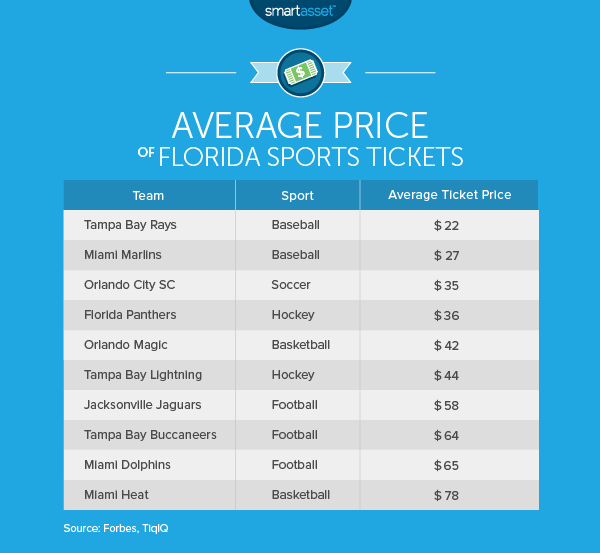
- Cultural Experiences: Florida boasts a rich tapestry of museums, art galleries, and cultural events. While many smaller attractions might be free or inexpensive, major museums or special exhibitions often have admission fees. Attending concerts, sporting events, or live shows is also a popular pastime, with ticket prices varying widely.
Shopping & Personal Care
From luxury boutiques in Palm Beach to sprawling outlet malls, shopping in Florida caters to all budgets. Personal care services, like haircuts, spa treatments, or gym memberships, are generally comparable to national averages, but can certainly add to monthly expenses. A basic gym membership might cost $30-$60 per month, while luxury spas and salons will charge significantly more.
Taxes: A Florida Advantage
One significant financial advantage of living in Florida is the absence of a state income tax. This can translate into substantial savings, especially for higher earners, compared to states with high income tax rates. However, residents do pay sales tax (currently 6% statewide, with local surtaxes up to 1.5%), and property taxes can be substantial, particularly in desirable coastal areas or growing urban centers. Always factor in these taxes when assessing the overall cost.
Strategies for Managing Your Budget in Florida
Navigating Florida’s diverse cost landscape requires a strategic approach. Whether you’re planning a short trip or a long-term relocation, here are some tips to help manage your budget:
- Seasonal Considerations: Travel during the off-peak season (typically late spring through early fall, excluding major holidays) to find better deals on flights, hotels, and vacation rentals. Accommodation prices can drop significantly.
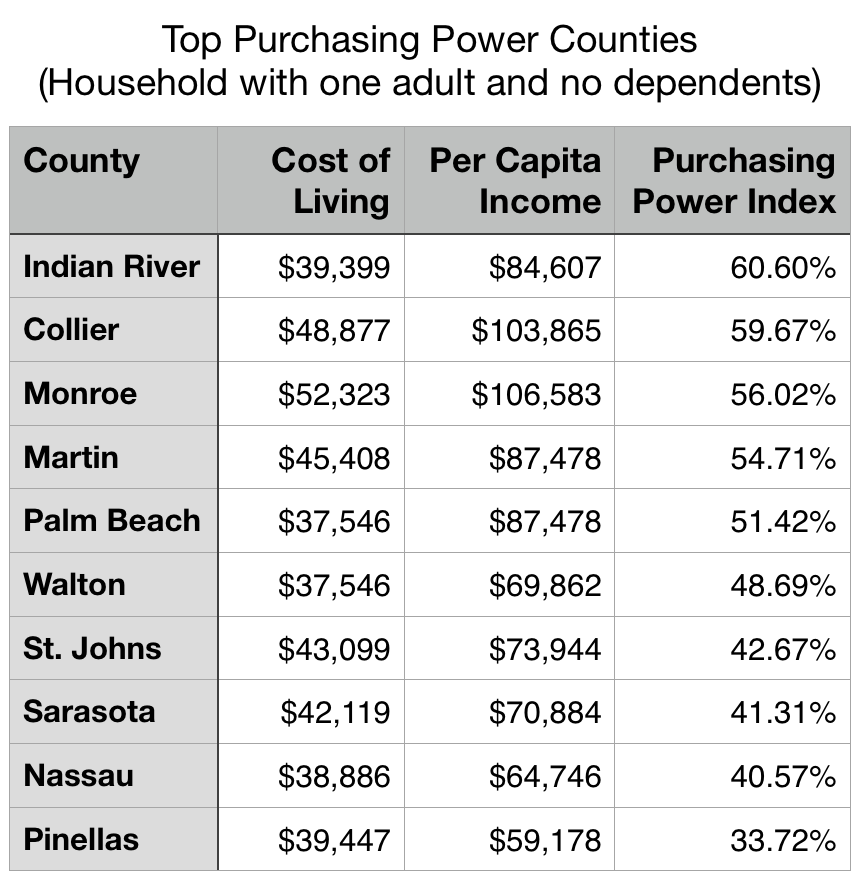
- Choose Your Location Wisely: As highlighted, regional variations are huge. If budget is a primary concern, consider areas outside the most popular tourist hotspots or major cities.
- Leverage Local Deals & Discounts: Look for local coupons, happy hour specials, and attraction bundles. Many places offer resident discounts, so if you’re a Floridian, always ask!
- Accommodation Choices: For extended stays, consider vacation rentals with kitchens (Airbnb, VRBO) or long-term stay hotels/apartments over traditional hotels to save on dining out.
- Cook at Home: Eating out for every meal can quickly deplete your budget. Utilize grocery stores and prepare some meals at your accommodation.
- Embrace Free Activities: Florida’s beaches, parks, and many outdoor recreational areas offer fantastic experiences at little to no cost. Schedule days dedicated to enjoying these natural wonders.
- Public Transport (where available) & Ride-sharing: In cities like Miami, using public transport can be cost-effective for tourists. For shorter distances or specific events, ride-sharing apps like Uber or Lyft can be cheaper than daily car rental fees and parking.
In conclusion, the cost of living in Florida is a multifaceted issue, influenced by a myriad of factors. While the allure of the Sunshine State is undeniable, a thorough understanding of these expenses is vital for anyone planning to visit, relocate, or simply enjoy an extended period in this vibrant destination. By making informed choices about where you live, how you travel, and how you spend your leisure time, you can truly unlock the magic of Florida without breaking the bank.
LifeOutOfTheBox is a participant in the Amazon Services LLC Associates Program, an affiliate advertising program designed to provide a means for sites to earn advertising fees by advertising and linking to Amazon.com. Amazon, the Amazon logo, AmazonSupply, and the AmazonSupply logo are trademarks of Amazon.com, Inc. or its affiliates. As an Amazon Associate we earn affiliate commissions from qualifying purchases.