
When travelers ponder the vibrant landscape of Florida, cities like Miami, Orlando, and Tampa often spring to mind. Yet, nestled in the northeastern corner of the Sunshine State lies Jacksonville, a metropolis that offers a distinctly unique experience, not least because of its unusual administrative structure. The question, “What is the county of Jacksonville, Florida?” often leads to a deeper dive into one of the most intriguing examples of consolidated government in the United States.
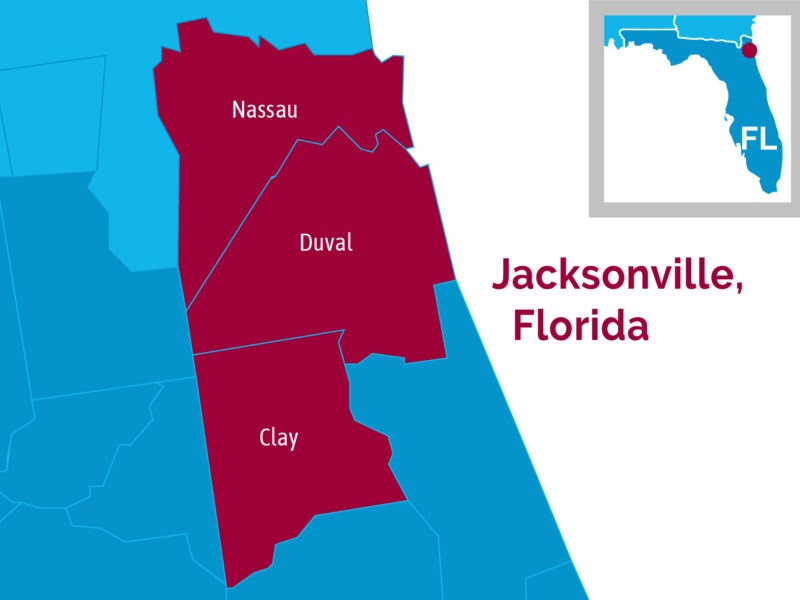
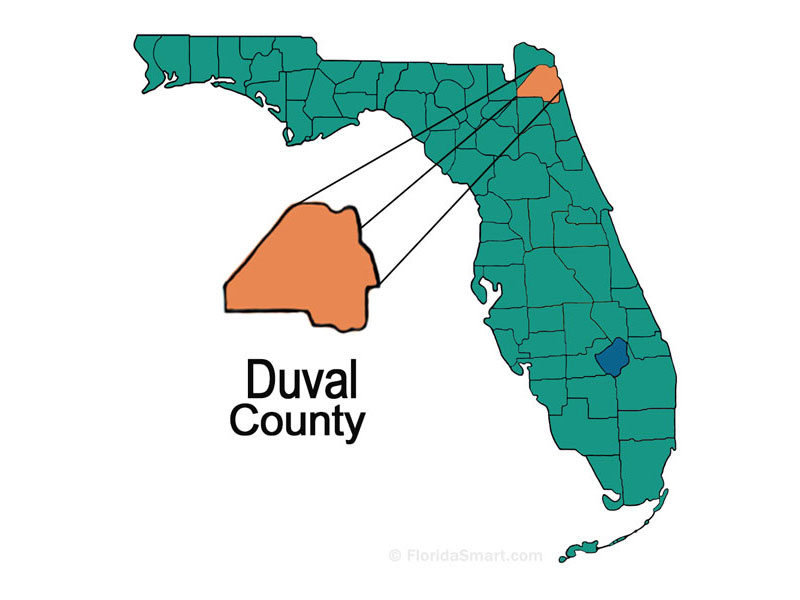
The simple answer is that Jacksonville is the largest city within Duval County. However, this seemingly straightforward statement belies a crucial detail: the city of Jacksonville and Duval County operate under a consolidated government. This means that, for most administrative purposes, the city and the county are one entity. This consolidation, implemented in 1968, merged the city government of Jacksonville with the county government of Duval County, creating a single jurisdiction covering a vast geographical area. This unique setup has profound implications for how the region is governed, how its services are delivered, and, perhaps most importantly for visitors, how its diverse attractions and experiences are organized.
Understanding this structure is key to appreciating Jacksonville’s identity as a destination. It’s a city that boasts a sprawling footprint, encompassing everything from a bustling urban core and historic neighborhoods to miles of pristine coastline and vast ecological preserves. For travelers exploring Florida, Jacksonville presents a unique blend of metropolitan sophistication and natural beauty, all within the bounds of a singular, yet incredibly diverse, consolidated county.
Understanding Jacksonville’s Unique Administrative Landscape
The story of Jacksonville and Duval County’s consolidation is one born out of necessity and a vision for streamlined governance and equitable development. In the mid-20th century, Jacksonville, like many American cities, faced challenges related to urban sprawl, dwindling tax bases, and inefficient dual government structures.
A Consolidated City-County Government Explained
The move to consolidate in 1968 was a progressive step aimed at addressing these issues. Prior to consolidation, Duval County operated with a traditional county government, while the city of Jacksonville had its own municipal government. This often led to duplication of services, jurisdictional disputes, and an imbalance in resources between the urban core and the burgeoning suburban areas. The consolidation created a unified government with a single mayor and city council (which also serves as the county council), responsible for the vast majority of services across the entire county.
This administrative model means that when you are in most parts of Duval County, you are also within the city limits of Jacksonville. This eliminates confusion over which entity provides police, fire, public works, and planning services, simplifying administration and often leading to more efficient resource allocation. For visitors, this translates into a cohesive experience, as infrastructure and services are generally uniform across the consolidated area. Whether you’re staying in a high-rise Downtown Jacksonville hotel or a cozy resort near the beaches, you’re benefiting from the same overarching governmental structure.
Historical Roots of Duval County
Duval County itself has a rich history, established in 1822 and named after William Pope Duval, the first territorial governor of Florida. Its strategic location at the mouth of the St. Johns River and proximity to the Atlantic Ocean made it a focal point for trade, defense, and settlement throughout various historical periods. From its indigenous Timucuan inhabitants to Spanish, French, British, and finally American colonization, the area has been a melting pot of cultures.
The history of Duval County is intertwined with the growth of Jacksonville from a small river town to a major Southern city. The city experienced significant growth as a port and railway hub in the late 19th and early 20th centuries, surviving fires, epidemics, and economic fluctuations. The consolidation movement in the 1960s was a modern chapter in this long history, representing an adaptation to contemporary challenges while preserving the historical identity of both the city and the county. This deep historical context adds another layer of appreciation for travelers interested in local culture and the evolution of urban landscapes in Florida.
Navigating the Expansive Canvas of Jacksonville and Duval County
The sheer size of consolidated Jacksonville/Duval County is often a surprise to first-time visitors. Spanning over 840 square miles, it is the largest city by land area in the contiguous United States. This vastness means that “Jacksonville” is not just a downtown core but an intricate mosaic of distinct neighborhoods, natural preserves, and even independent municipalities.
Diverse Neighborhoods and Geographic Splendor
The landscape within the consolidated city-county is incredibly varied, offering something for every type of traveler. The urban core, comprising Downtown Jacksonville, is a hub for business, entertainment, and the arts. Here, visitors can find upscale hotels like the Hyatt Regency Jacksonville Riverfront or the Omni Jacksonville Hotel, alongside major landmarks such as the EverBank Stadium (home of the Jacksonville Jaguars), VyStar Veterans Memorial Arena, and various museums. The Northbank and Southbank areas, separated by the majestic St. Johns River, offer scenic riverwalks, parks, and dining experiences.
Moving away from downtown, historic neighborhoods like Riverside, Avondale, and San Marco captivate with their tree-lined streets, unique boutiques, art galleries, and diverse culinary scenes. These areas are perfect for those interested in local culture, offering a glimpse into Jacksonville’s past and present. Springfield, one of Florida’s oldest neighborhoods, boasts beautifully restored Victorian-era homes and a burgeoning revitalization.
Eastward, the landscape dramatically shifts to coastal beauty. Miles of sandy beaches along the Atlantic Ocean define the “Jax Beaches” area, offering opportunities for surfing, sunbathing, and beachfront dining. Further north, the expansive Timucuan Ecological and Historic Preserve protects salt marshes, coastal dunes, and historic sites like Fort Caroline National Memorial and Kingsley Plantation, providing unparalleled nature and history experiences. The vastness of Duval County also includes rural areas, forests, and other natural parks, underscoring its impressive ecological diversity.
The Independent Enclaves Within Duval
While the majority of Duval County falls under the consolidated government of Jacksonville, there are four independent municipalities that retain their own city governments. These include the beach towns of Jacksonville Beach, Neptune Beach, and Atlantic Beach, as well as the small inland town of Baldwin.
These independent cities offer distinct local cultures and administrative nuances. For example, while they are part of Duval County for certain services (like property appraiser and tax collector), they have their own police departments, fire services, and municipal councils. For travelers, this means that while these areas are geographically within Duval County and often referred to colloquially as part of “Jacksonville,” they each possess a unique character. The beach towns, in particular, are popular destinations for their relaxed atmosphere, boutique hotels, and vibrant nightlife distinct from Downtown Jacksonville. Understanding these distinctions can help travelers choose the perfect base for their Florida adventure, whether seeking urban excitement or a laid-back coastal escape.
Exploring Jacksonville’s Rich Tapestry: Travel, Tourism, and Lifestyle
The consolidated structure of Jacksonville and Duval County profoundly impacts its offerings for travel and tourism, shaping the range of destinations, attractions, and experiences available. The sheer scale and diversity mean that visitors can curate almost any kind of lifestyle trip, from luxurious getaways to budget-friendly family trips or focused business stays.
From Urban Adventures to Coastal Retreats
The vastness of the consolidated area truly defines Jacksonville’s appeal as a travel destination. On one hand, you have the bustling urban environment centered around Downtown Jacksonville. Here, tourism thrives with major sporting events at EverBank Stadium, concerts at Daily’s Place and VyStar Veterans Memorial Arena, and a growing arts scene featuring institutions like the Cummer Museum of Art & Gardens and the Museum of Science & History (MOSH). The riverfront itself is a major attraction, offering boat tours, fishing, and beautiful public spaces.
Contrast this with the tranquility of the Jax Beaches area. Jacksonville Beach, Neptune Beach, and Atlantic Beach offer a quintessential Florida beach experience with their own distinct vibes. Beyond the sand and surf, visitors can explore the natural wonders of the Timucuan Ecological and Historic Preserve, delve into local history at Fort Caroline National Memorial or Kingsley Plantation, or visit the award-winning Jacksonville Zoo and Gardens. The consolidated nature means that travelers can easily combine these varied experiences, perhaps starting with a cultural morning Downtown Jacksonville and ending with a sunset dinner by the Atlantic Ocean.
The region also caters to specific lifestyle preferences. For luxury travel enthusiasts, upscale dining, high-end shopping at places like St. Johns Town Center, and premier golf courses offer an exclusive experience. Budget travel is also easily accommodated, with numerous free parks, affordable dining options, and a wide array of lodging choices beyond the high-end resorts.
Accommodation Choices Across the Consolidated City
The expansive nature of Jacksonville/Duval County translates into an incredibly diverse range of accommodation options to suit every budget and preference. From luxury hotels in the bustling city center to charming boutique hotels in historic districts and oceanfront resorts at the beaches, Jacksonville ensures a comfortable stay for all visitors.
In Downtown Jacksonville and the adjacent Southbank, visitors can find well-known hotel chains offering extensive amenities for business stays and leisure travelers alike. These often provide stunning views of the St. Johns River and easy access to cultural landmarks and entertainment venues. Popular choices might include properties by Marriott, Hilton, or Hyatt, offering suites and various services.
Moving to the historic districts like Riverside and San Marco, travelers might discover more intimate boutique hotels or bed and breakfasts that reflect the local culture and architecture. These areas are ideal for those seeking a more personalized and charming experience.
For beach lovers, the independent municipalities of Jacksonville Beach, Neptune Beach, and Atlantic Beach host a wide array of oceanfront resorts, apartments for longer stays, and family-friendly hotels. These accommodations often come with direct beach access, pools, and a relaxed coastal vibe. Beyond the big names, there are also numerous mid-range options like a Holiday Inn Express or a Hilton Garden Inn scattered throughout the consolidated area, providing convenient and affordable choices for every traveler. The ability to find a suitable stay, from lavish villas to simple motels, demonstrates the depth of Jacksonville’s accommodation market, supporting both short-term visits and long-term stays.
Unveiling Landmarks and Local Experiences
Jacksonville’s identity as a consolidated city-county means its list of landmarks and local experiences is remarkably extensive and varied. Beyond the well-known sports venues and museums, the region offers a treasure trove of historical, natural, and culinary delights.
Historical landmarks abound, from the ancient shell mounds within the Timucuan Ecological and Historic Preserve to the architecture of the Jacksonville Main Library and the historic homes in Springfield. The city’s bridges over the St. Johns River are iconic landmarks themselves, offering picturesque views, particularly at sunset.
For those interested in local culture and food, Jacksonville delivers an authentic Florida experience without the overwhelming tourist crowds of some other destinations. The diverse neighborhoods each contribute to a unique culinary scene, ranging from fresh seafood at the beaches to innovative farm-to-table restaurants in Riverside and ethnic eateries throughout the city. Craft breweries have also become a significant part of the local culture, offering tours and tastings.
Activities cater to all interests: kayaking through marshlands, biking along scenic trails, fishing in the Atlantic Ocean or St. Johns River, or exploring the vibrant arts market at Five Points. For family trips, the Jacksonville Zoo and Gardens is a perennial favorite, while numerous parks and splash pads offer endless fun. The consolidated government’s ability to manage such a vast array of resources means that visitors can find well-maintained facilities and accessible attractions throughout their journey.
In essence, the answer to “What is the county of Jacksonville, Florida?” is more than just a geographic fact; it’s an invitation to explore a region defined by its innovative governance, sprawling natural beauty, rich history, and dynamic modern lifestyle. Jacksonville and Duval County offer a compelling and comprehensive travel destination that continuously surprises and delights its visitors with its breadth of offerings.
LifeOutOfTheBox is a participant in the Amazon Services LLC Associates Program, an affiliate advertising program designed to provide a means for sites to earn advertising fees by advertising and linking to Amazon.com. Amazon, the Amazon logo, AmazonSupply, and the AmazonSupply logo are trademarks of Amazon.com, Inc. or its affiliates. As an Amazon Associate we earn affiliate commissions from qualifying purchases.