
While the allure of California often conjures images of sun-drenched beaches, iconic theme parks, and world-class dining, a fundamental aspect of its economic landscape directly impacts the daily lives of many residents and visitors alike: the minimum wage. Understanding the current minimum wage for California is crucial for employees, employers, and even travelers planning their budgets for a trip to the Golden State. This comprehensive guide delves into the specifics of California’s minimum wage laws, exploring the current rates, scheduled increases, and the broader implications for various sectors, including tourism and hospitality.

Understanding California’s Minimum Wage Landscape
The minimum wage in California is not a static figure. It’s subject to annual adjustments, designed to keep pace with the rising cost of living and inflation. These adjustments are a critical component of the state’s commitment to ensuring a basic standard of living for its workforce. The determination of the minimum wage involves a complex interplay of legislative action and economic indicators.
The Current Minimum Wage Rate
As of January 1, 2024, the statewide minimum wage in California increased to $16.00 per hour for all employers, regardless of company size. This marks a significant milestone, as it represents a uniform rate across the entire state for the first time in recent history. Prior to this, smaller employers had a slightly lower minimum wage. This harmonization aims to simplify compliance for businesses operating across different jurisdictions within California and to ensure a more equitable wage floor for all workers.
Factors Influencing Minimum Wage Adjustments
The adjustments to California’s minimum wage are primarily driven by inflation. Specifically, the state uses the Consumer Price Index for All Urban Consumers (CPI-U) for the Los Angeles metropolitan area as a key metric. This index reflects the average change over time in the prices paid by urban consumers for a market basket of consumer goods and services. When this index shows a significant increase, the minimum wage is adjusted accordingly to help workers maintain their purchasing power.
Furthermore, California has a legislative framework that allows for future increases based on economic conditions. While the $16.00 per hour rate is the current benchmark, legislative bodies and economic analyses continuously monitor economic trends to anticipate future adjustments. These adjustments are often announced well in advance, allowing businesses to plan and adapt their financial strategies.
Differentiated Minimum Wage by City and County
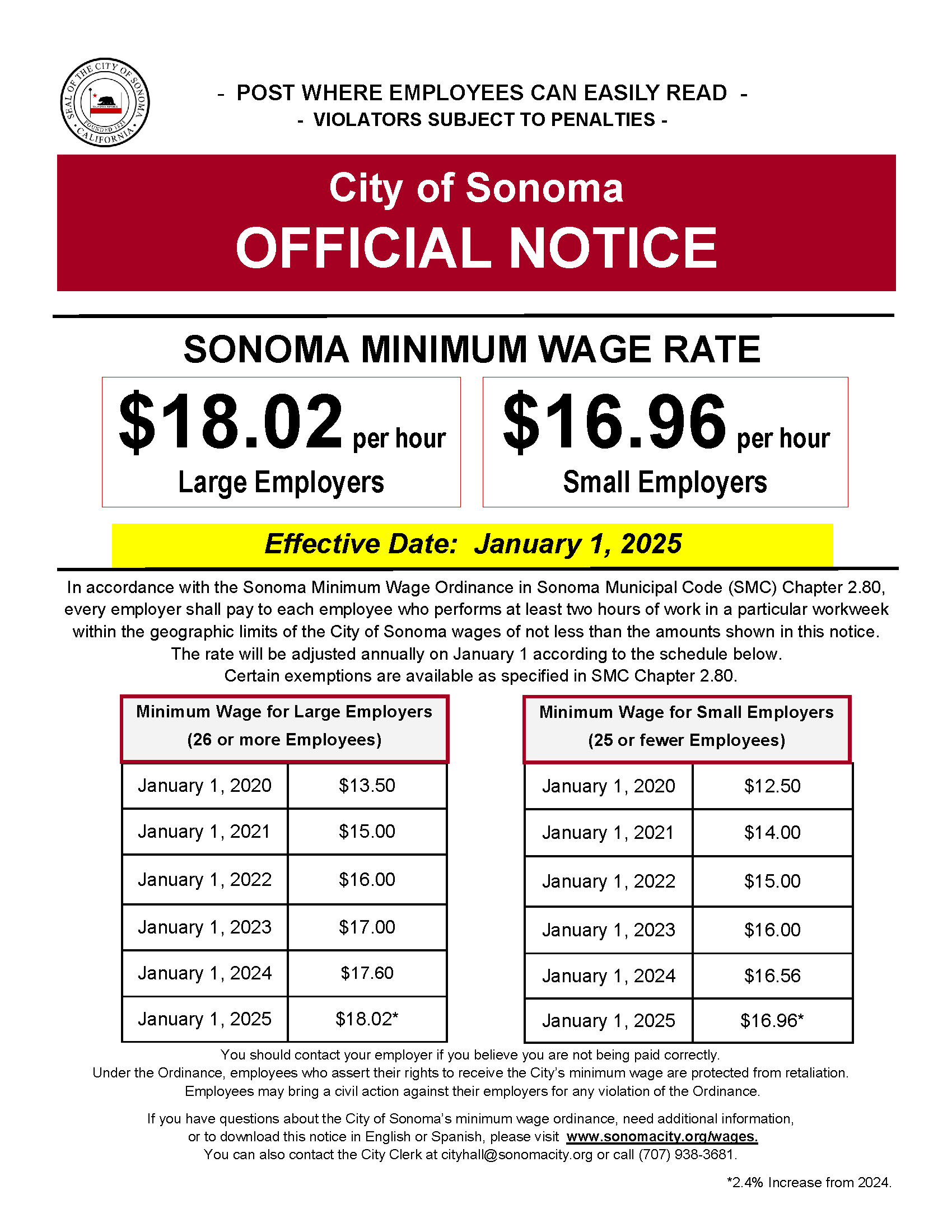
While the statewide minimum wage sets a crucial baseline, it’s important to recognize that many cities and counties within California have established their own higher minimum wage rates. These local ordinances often reflect the even higher cost of living in specific urban centers. For instance, cities like San Francisco, Los Angeles, and Oakland have historically had minimum wages that exceed the state’s mandated rate.
Therefore, businesses operating in these areas must adhere to the highest applicable rate, whether it’s the state minimum wage or the local ordinance, whichever is greater. This creates a tiered system where workers in certain areas can earn a higher hourly wage. For travelers, this can translate to differing price points for services and goods depending on the specific location within California they are visiting. For example, a meal in a restaurant in San Francisco might be more expensive than in a smaller, less densely populated town, partly due to the higher labor costs reflected in menu prices.
Notable Local Minimum Wage Ordinances
- San Francisco: Known for its exceptionally high cost of living, San Francisco consistently sets a minimum wage that is among the highest in the nation. This rate is also subject to annual adjustments based on inflation.
- Los Angeles: The city and county of Los Angeles have also implemented their own minimum wage laws, which are typically higher than the state minimum. These rates often vary based on the number of employees a business has, though recent trends have moved towards a uniform rate.
- Oakland: Similar to its Bay Area neighbors, Oakland has its own minimum wage ordinance that surpasses the state minimum, reflecting the economic realities of the region.
It is imperative for employers and employees to stay informed about the specific minimum wage applicable to their location within California. Information regarding these local ordinances is typically available through the respective city or county government websites.
Impact of Minimum Wage on Travel and Tourism
The minimum wage in California has a profound and multifaceted impact on the state’s booming travel and tourism industry. From the wages paid to hotel staff to the pricing of experiences, the economic floor set by minimum wage laws influences the entire ecosystem of tourism.
Effect on Hospitality and Service Industries
The hospitality sector, which includes hotels, restaurants, theme parks like Disneyland Resort and Universal Studios Hollywood, and various service providers, is a major employer of minimum wage workers. An increase in the minimum wage directly affects the operating costs for these businesses.
- Labor Costs: Higher minimum wages mean increased payroll expenses for hotels offering amenities such as fine dining and housekeeping services, and for restaurants serving diverse cuisines from farm-to-table to authentic Mexican food in areas like San Diego. This can lead businesses to re-evaluate their staffing models and operational efficiencies.
- Pricing of Services and Accommodation: To offset increased labor costs, businesses may pass some of these expenses on to consumers in the form of higher prices for hotel rooms, meals, and attraction tickets. For travelers, this could mean that a vacation in California becomes slightly more expensive. However, the higher wages can also lead to increased consumer spending power among low-wage workers, potentially boosting demand for local tourism.
- Employee Morale and Retention: A higher minimum wage can lead to increased employee satisfaction, reduced turnover, and improved customer service. Happy and well-compensated staff are more likely to provide a positive experience for tourists, which is crucial for the reputation of destinations like Yosemite National Park and attractions such as the Golden Gate Bridge.
Consumer Spending and Economic Ripple Effects
The minimum wage isn’t just about the direct earnings of workers; it also has broader economic ripple effects that can influence the tourism sector.
- Increased Disposable Income: When minimum wage earners have more money in their pockets, they tend to spend it. This increased consumer spending can stimulate demand for local goods and services, including restaurants, entertainment, and even short-stay accommodations for day trips or weekend getaways within California.
- Impact on Budget Travel: For budget travelers, the overall cost of a trip is a primary consideration. While higher wages might lead to slightly increased prices in some areas, the improved economic conditions for a larger segment of the population can also contribute to a more vibrant local economy, offering a wider range of affordable experiences. For example, a worker earning a higher minimum wage might be more inclined to take a local trip to a place like Big Sur or explore the vineyards of Napa Valley.
- Economic Growth and Investment: A healthy minimum wage contributes to a more stable and equitable economy, which can, in turn, attract investment in tourism infrastructure and development. Cities like San Diego and San Francisco often see continued investment in their hotel and entertainment sectors, partly due to a strong consumer base supported by fair wages.
Navigating Future Minimum Wage Adjustments
The landscape of minimum wage in California is dynamic. Staying informed about upcoming changes is essential for businesses, employees, and even travelers who want to accurately budget their expenses.
Anticipating Future Increases
As mentioned, California has a mechanism for annual adjustments to its minimum wage, primarily tied to inflation. While the $16.00 per hour rate is the current standard, it’s highly probable that this figure will continue to rise in the coming years. These adjustments are typically announced by the California Department of Industrial Relations.
Businesses, particularly those in the hospitality sector such as hotels like the Beverly Wilshire, A Four Seasons Hotel or resorts in Palm Springs, should proactively plan for these increases. This might involve forecasting labor costs, exploring operational efficiencies, or adjusting pricing strategies in advance.
The Role of Local Ordinances
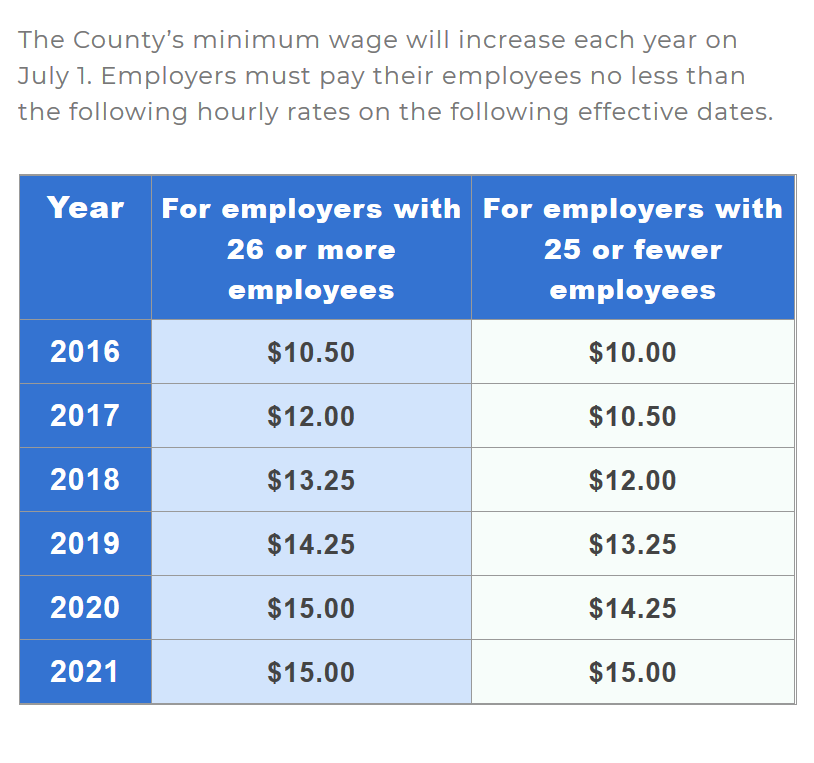
The existence of local minimum wage ordinances means that the effective minimum wage can vary significantly from one city or county to another. Travelers planning a trip should be aware that the cost of services, from a cup of coffee in Berkeley to a guided tour of Hearst Castle, could be influenced by these local mandates.
It is advisable for anyone traveling to California to check the specific minimum wage for the cities and counties they intend to visit. Resources such as the websites of local labor departments or chambers of commerce can provide up-to-date information. This due diligence can help in creating a more accurate travel budget and understanding the local economic context.
For instance, someone planning a stay at a boutique hotel in Santa Barbara might notice slightly different pricing structures compared to a similar establishment in a town with a lower minimum wage. This nuanced understanding of California’s economic policies enriches the travel experience, offering insights into the local way of life and the factors shaping it.
In conclusion, the current minimum wage in California is $16.00 per hour statewide as of January 1, 2024. However, the presence of higher local ordinances means that workers in many cities and counties earn more. This economic factor plays a vital role in the state’s vibrant tourism industry, influencing everything from labor costs for hotels and restaurants to the overall affordability and experience for travelers exploring the diverse attractions of the Golden State. Staying informed about these evolving wage regulations is key for everyone involved in or visiting California.