
Understanding the minimum wage in Florida is crucial for both employers and employees, especially within a state that thrives on tourism and hospitality. As a popular destination offering a wealth of attractions, from the vibrant streets of Miami to the family-friendly theme parks of Orlando, Florida‘s economy is heavily influenced by industries that often employ minimum wage workers. This guide delves into the current minimum wage, its history, and its implications for those living and working in the Sunshine State.
The Current Minimum Wage in Florida
As of January 1, 2024, the minimum wage in Florida stands at $13.00 per hour. This rate applies to most employees, with specific exceptions outlined by state and federal law. For tipped employees, the state mandates a different minimum wage, which is $10.00 per hour plus tips. It’s important to note that the total earnings of a tipped employee, including tips, must at least equal the regular minimum wage of $13.00 per hour. If tips do not bring their total earnings up to the standard minimum wage, the employer is obligated to make up the difference.
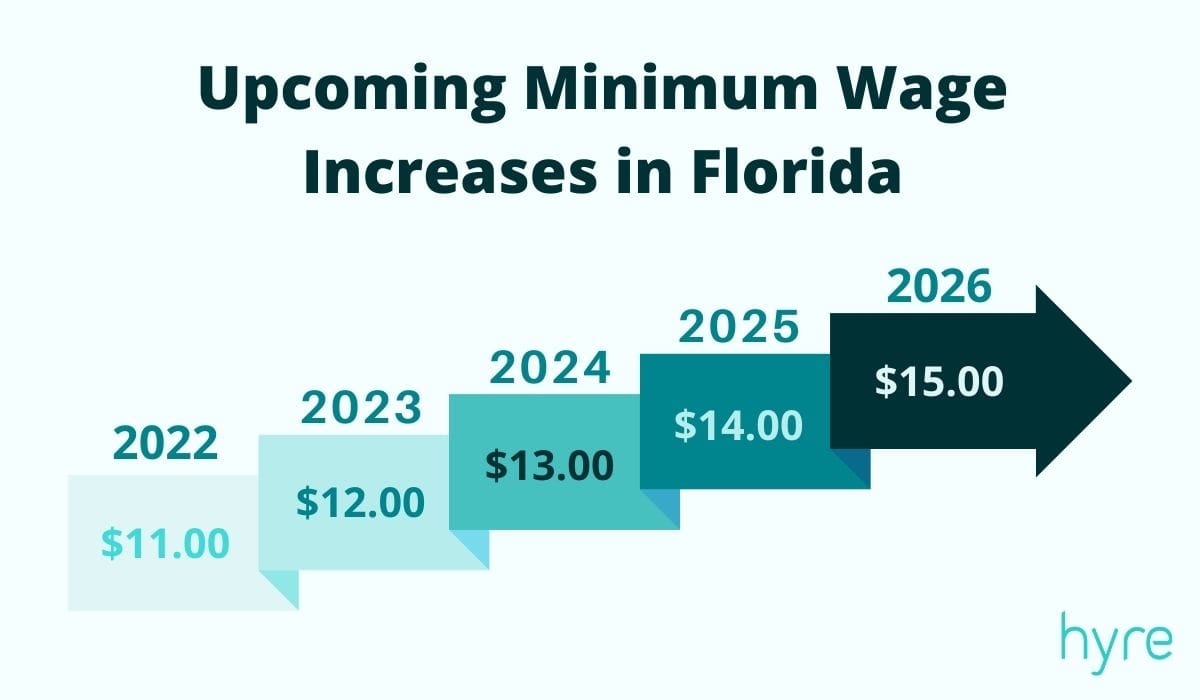
This hourly rate represents a significant increase over the years, reflecting adjustments made to keep pace with the cost of living and economic conditions. The minimum wage in Florida is subject to annual increases, typically tied to inflation, ensuring that it continues to serve its purpose of providing a basic standard of living for low-wage workers. These increases are often legislated and can be influenced by voter initiatives, as seen in past ballot amendments.
Understanding Tipped Wages in Florida
The concept of a separate minimum wage for tipped employees is a long-standing feature of labor law, designed to account for the income derived from gratuities. In Florida, the direct cash wage for tipped employees is set at $10.00 per hour. However, this is contingent upon the employee receiving enough tips to bring their total hourly earnings to at least $13.00. This “tip credit” allows employers in service industries, such as restaurants and bars in popular tourist destinations like South Beach or Tampa, to offset their labor costs.
It is vital for both employers and employees to understand the intricacies of this system. Employers must meticulously track tips to ensure compliance, and employees should be aware of their rights and the minimum earnings they are guaranteed. If an employee’s tips, when added to their cash wage, fall short of $13.00 per hour in any given pay period, the employer must supplement their wages to meet this threshold. This protection is a cornerstone of fair labor practices within the hospitality sector, which is a massive employer across Florida.
Historical Context and Future Projections
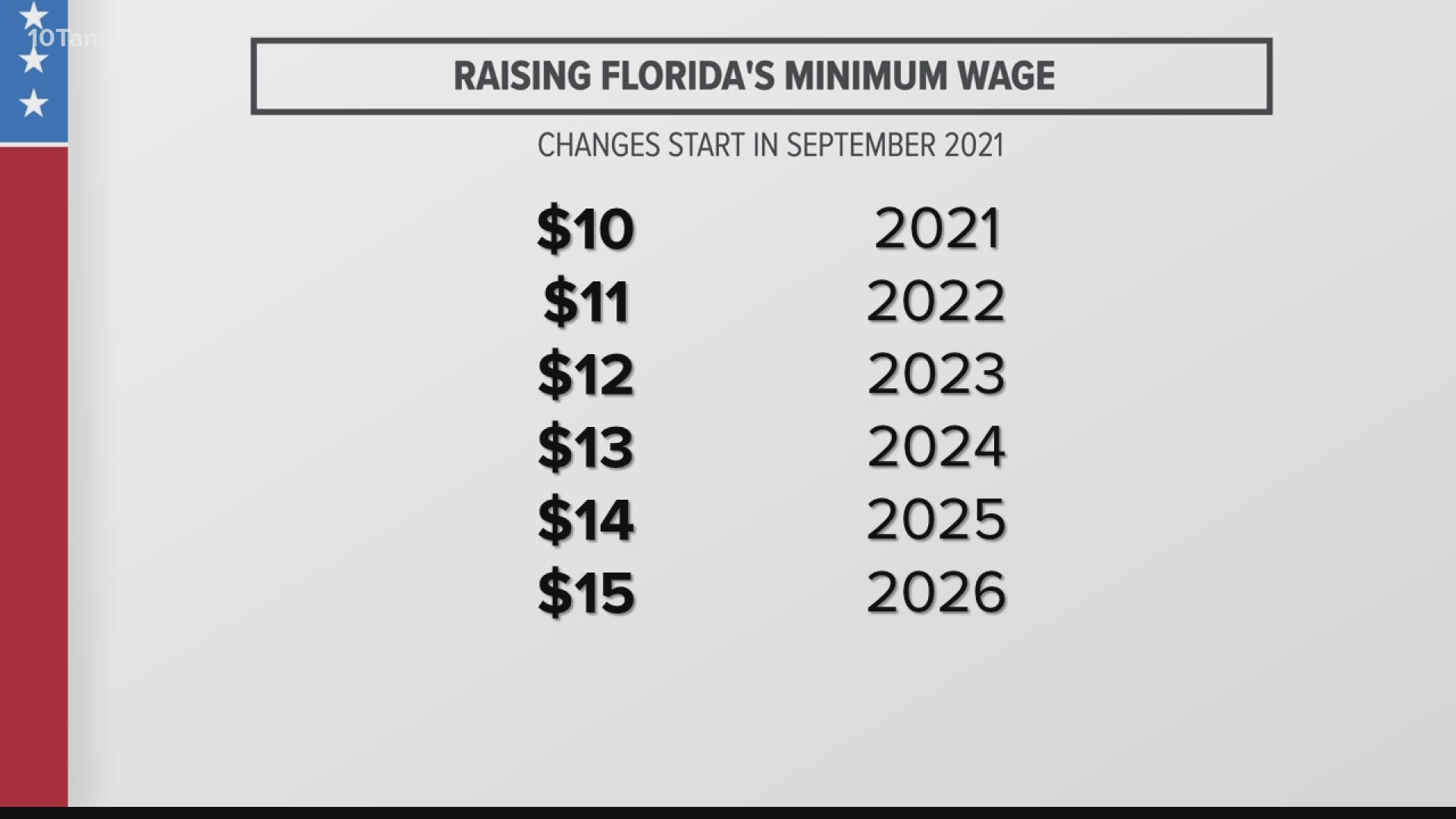
The minimum wage in Florida has not always been at its current level. Its journey to $13.00 per hour is a story of legislative action and, at times, direct voter influence. Historically, minimum wage rates have been adjusted incrementally to reflect economic realities and to support workers. The state has a mechanism for annual adjustments, often linked to the Consumer Price Index (CPI), which measures inflation. This means that the minimum wage can change each year, making it essential for businesses and individuals to stay informed.
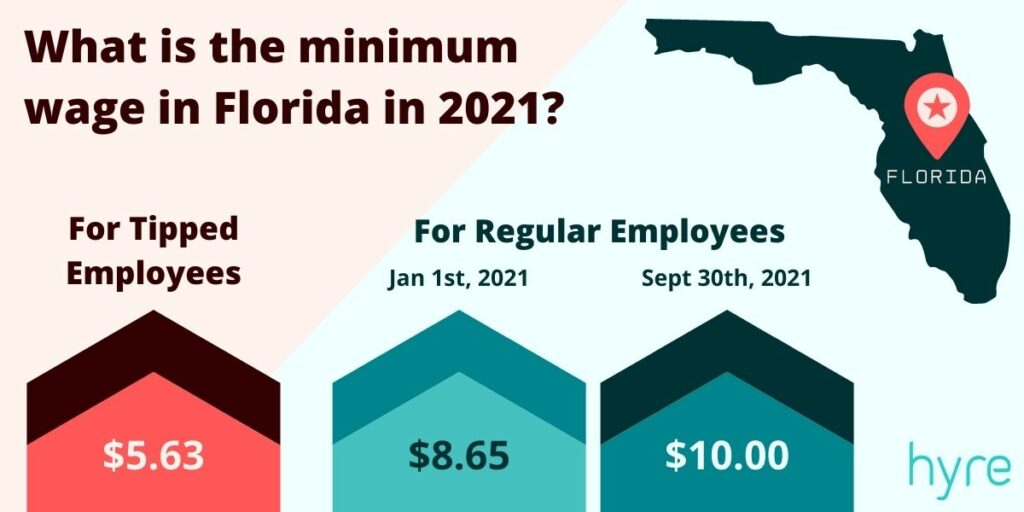
The trajectory of Florida‘s minimum wage has also been shaped by significant ballot initiatives. For instance, a constitutional amendment passed by voters in 2004 established a process for annual adjustments to the minimum wage, tied to inflation. This amendment has been instrumental in the steady increases observed over the past two decades. Future projections for the minimum wage in Florida generally indicate continued annual increases, provided inflation remains a factor. The specific amount of these increases will depend on the prevailing economic conditions and the official inflation data released by the government.
For businesses operating in Florida, particularly those in the vibrant tourism and service sectors, planning for these annual wage adjustments is a critical aspect of financial management. This includes budgeting for increased labor costs, evaluating pricing strategies, and exploring opportunities for enhanced productivity. For employees, these increases represent a gradual improvement in their earning potential, helping to offset rising living expenses. The state’s commitment to regularly reviewing and adjusting its minimum wage underscores its recognition of the importance of a living wage for its workforce, especially in a state that relies so heavily on a robust consumer base and a thriving labor market.
Impact of Minimum Wage on Florida’s Economy and Lifestyle
The minimum wage in Florida has a tangible impact on various facets of the state’s economy and the lifestyle of its residents. Given Florida‘s status as a major tourist destination, with attractions like Walt Disney World Resort and Universal Orlando Resort drawing millions annually, the hospitality and service industries form a significant portion of the employment landscape. Many of these jobs are entry-level positions or roles that have historically paid at or near the minimum wage.
Economic Implications for Businesses
For businesses, particularly small to medium-sized enterprises (SMEs) in sectors like restaurants, retail, and hospitality across cities like Jacksonville and Fort Lauderdale, the minimum wage is a key operational cost. As the minimum wage increases, businesses face the challenge of absorbing these higher labor expenses. This can lead to a variety of responses, including price adjustments for goods and services, investments in automation or technology to improve efficiency, or adjustments to staffing levels and operational hours.
In the context of tourism, where Florida is a global leader, employers in the hotel industry, from luxury resorts like The Breakers Palm Beach to more budget-friendly accommodations, must factor minimum wage hikes into their operational budgets. This can influence pricing for rooms and amenities. Similarly, attractions and entertainment venues, from the theme parks of Orlando to the beaches of Clearwater, need to consider the impact on their labor costs. The state’s economic growth and the competitiveness of its tourism sector are intricately linked to the balance between fair wages and business sustainability.
Lifestyle and Cost of Living
For individuals earning minimum wage in Florida, the hourly rate directly influences their purchasing power and overall lifestyle. An increase in the minimum wage can provide a much-needed boost to household incomes, enabling residents to better afford essentials like housing, food, and transportation. This is particularly relevant in many of Florida‘s popular tourist cities and coastal areas where the cost of living, especially housing, can be quite high.
The minimum wage acts as a baseline, providing a safety net for low-wage workers and contributing to a more equitable distribution of economic gains. For families, an increase in the minimum wage can mean greater financial stability, allowing for more discretionary spending on activities and experiences that enhance their lifestyle, such as visiting local landmarks like Everglades National Park or enjoying the culinary scene in Miami‘s diverse neighborhoods. It also plays a role in supporting the local economy as increased disposable income is often spent within the community.
However, the relationship between minimum wage and cost of living is complex. While an increased minimum wage aims to improve living standards, it can also contribute to inflationary pressures if businesses pass on higher labor costs to consumers. Therefore, policy decisions regarding the minimum wage are often part of a broader economic strategy that seeks to balance wage growth with affordability and economic stability across Florida. The state’s economic health and the quality of life for its residents are both deeply intertwined with the dynamics of its minimum wage laws.
LifeOutOfTheBox is a participant in the Amazon Services LLC Associates Program, an affiliate advertising program designed to provide a means for sites to earn advertising fees by advertising and linking to Amazon.com. Amazon, the Amazon logo, AmazonSupply, and the AmazonSupply logo are trademarks of Amazon.com, Inc. or its affiliates. As an Amazon Associate we earn affiliate commissions from qualifying purchases.