
Florida, often affectionately known as the Sunshine State, beckons millions of visitors each year with its pristine beaches, world-class theme parks, vibrant cities, and unique cultural experiences. From the thrilling rides of Orlando to the Art Deco splendor of Miami and the historic charm of St. Augustine, Florida offers a diverse tapestry of travel opportunities for every taste and budget. However, beneath the surface of this glittering tourism paradise lies a crucial economic factor that impacts everything from the quality of service at your favorite resort to the prices of local cuisine: the minimum wage.
Understanding Florida’s current minimum wage is not just a matter for local workers and businesses; it’s an economic cornerstone that significantly influences the broader tourism and hospitality landscape. For travelers planning a trip, knowing the economic backdrop can offer insights into pricing, service levels, and even the daily lives of the people who make your vacation memorable. For those considering a long-term stay or even a move to this popular destination, the minimum wage is a fundamental aspect of the local cost of living and employment opportunities. This comprehensive guide will delve into the current minimum wage in Florida, trace its recent evolution, and explore its multifaceted impact on the state’s vibrant travel industry, local lifestyle, and the overall visitor experience. By understanding this vital economic benchmark, both visitors and residents can gain a deeper appreciation for the intricate dynamics that shape one of the world’s most sought-after destinations.
Understanding Florida’s Minimum Wage Landscape
The economic fabric of Florida is uniquely intertwined with its robust service industry, primarily driven by tourism. Consequently, the minimum wage plays an outsized role in the state’s economic health and the daily operations of countless businesses, from luxurious hotels to quaint roadside diners. Recent years have seen significant changes to Florida’s minimum wage policies, reflecting a statewide effort to address cost of living increases and support working families. These changes are not just statistics; they represent shifts in the financial realities for a vast segment of the workforce, directly influencing the quality of service, the availability of staff, and ultimately, the guest experience that defines a Florida vacation.
The Current Rate and Its Evolution
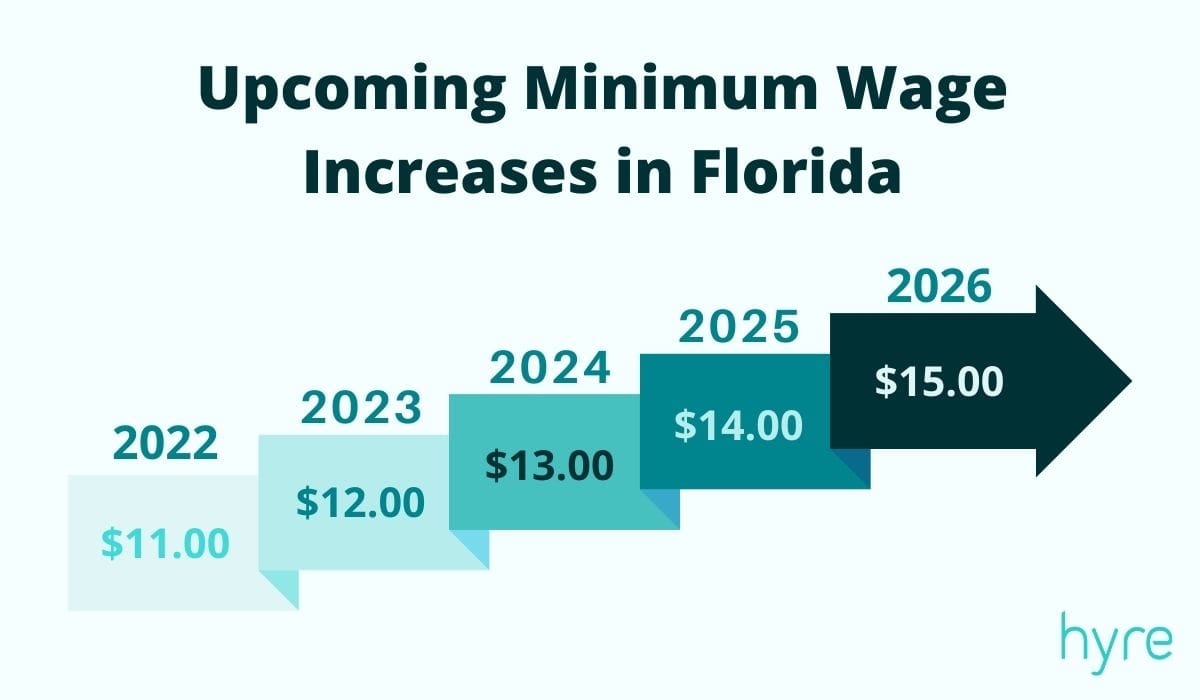
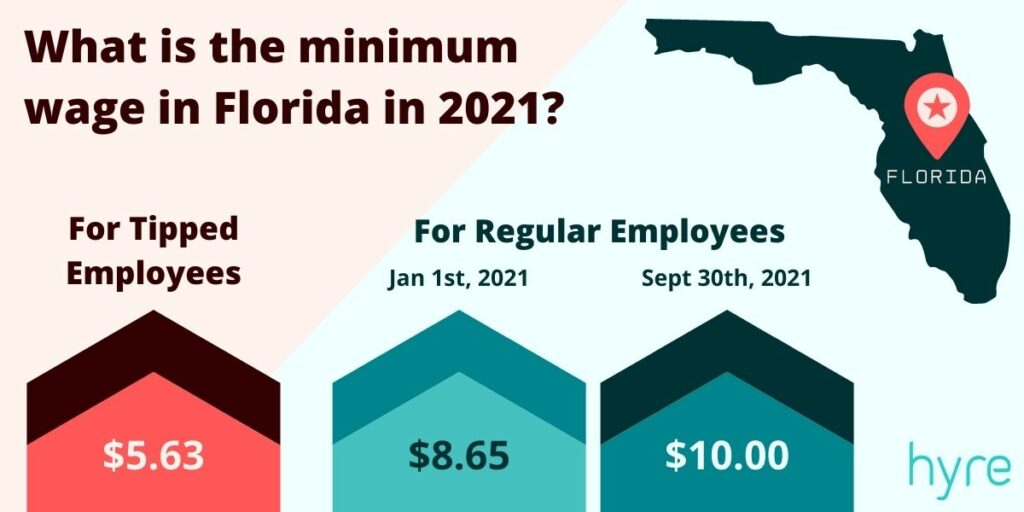
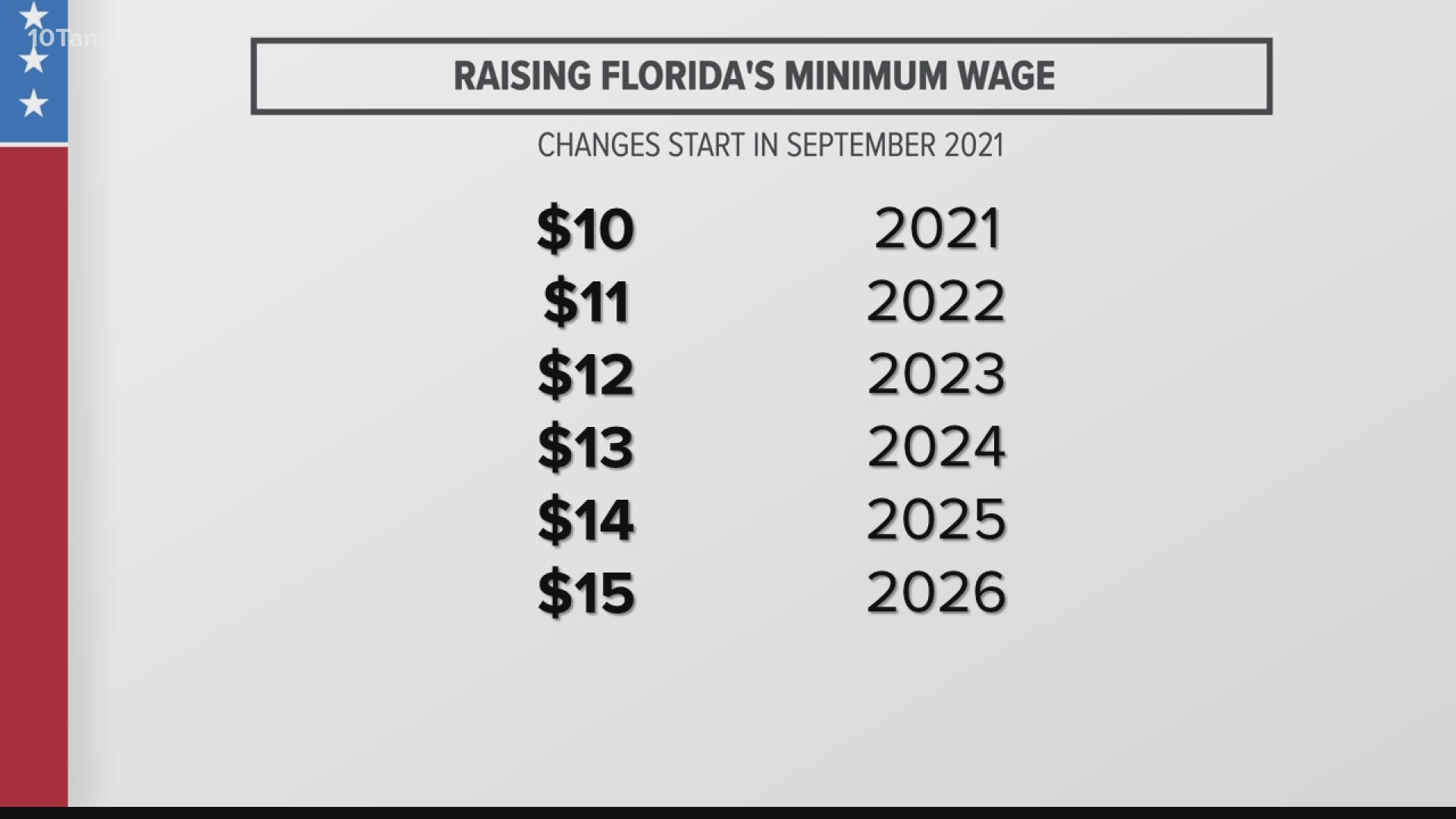
As of September 30, 2023, the minimum wage in Florida is $12.00 per hour. This rate is not static; it is part of a progressive increase mandated by a constitutional amendment passed by voters in November 2020. This amendment, known as Amendment 2, set a clear path for the minimum wage to reach $15.00 per hour by September 30, 2026, with annual increases each September 30th.
Prior to the passage of Amendment 2, Florida’s minimum wage was subject to annual adjustments based on inflation, typically announced by the Florida Department of Economic Opportunity (now FloridaCommerce). However, the new amendment established a more aggressive and predictable schedule:
- September 30, 2021: $10.00 per hour
- September 30, 2022: $11.00 per hour
- September 30, 2023: $12.00 per hour
- September 30, 2024: $13.00 per hour
- September 30, 2025: $14.00 per hour
- September 30, 2026: $15.00 per hour
After reaching $15.00 per hour in 2026, subsequent annual increases will again be tied to the Consumer Price Index for Urban Wage Earners and Clerical Workers (CPI-W) as calculated by the federal Department of Labor, ensuring that the minimum wage continues to keep pace with inflation. This structured approach provides certainty for both employers and employees, allowing businesses in the tourism and hospitality sectors to plan their budgets and staffing strategies with greater foresight. It also aims to provide a more livable wage for the thousands of individuals who form the backbone of Florida’s service economy.
Tipped Employees and Minimum Wage
A unique and critical aspect of Florida’s minimum wage structure, particularly relevant to the tourism and hospitality industries, concerns tipped employees. The state allows employers to take a “tip credit” against the minimum wage for workers who customarily and regularly receive tips.
Under the current regulations, the minimum cash wage an employer must pay to tipped employees is $8.98 per hour (as of September 30, 2023). This is $3.02 less than the standard minimum wage, with the expectation that the employee’s tips will make up the difference to at least reach the full $12.00 minimum wage. If an employee’s tips, combined with their cash wage, do not meet the standard minimum wage for all hours worked, the employer is legally obligated to make up the difference.
This system is prevalent in restaurants, bars, hotel services (bellhops, valets, room service), and other service-oriented positions where gratuities are a customary part of compensation. For travelers enjoying a meal in South Beach or a drink in the Florida Keys, understanding this distinction is important. While the server or bartender may be earning a lower base wage, their total compensation is expected to meet or exceed the state’s minimum wage through tips. This structure often encourages exceptional service, as a significant portion of an employee’s income is directly tied to customer satisfaction. However, it also means that fluctuations in tourist traffic or customer spending habits can directly impact the earnings of these essential frontline workers.
The future increases to the minimum wage will also apply to the tipped minimum wage. As the standard minimum wage incrementally rises towards $15.00 per hour, the base cash wage for tipped employees will also increase proportionally, maintaining the $3.02 tip credit for the foreseeable future, unless legislative changes are made. This ongoing adjustment aims to ensure that even tipped workers benefit from the statewide effort to improve living wages.
The Impact on Florida’s Tourism and Hospitality Sector
Florida’s tourism industry is a colossal economic engine, supporting millions of jobs and generating billions in revenue. Every aspect of a visitor’s experience, from checking into a beachfront resort in Naples to enjoying fresh seafood in Sarasota or exploring the historic sites of Key West, relies heavily on a dedicated workforce. The rising minimum wage inevitably sends ripples throughout this sector, influencing everything from staffing strategies and service quality to the pricing structures for accommodations, dining, and attractions. Understanding these connections provides valuable context for anyone planning a trip to the Sunshine State or simply observing its economic dynamics.
Staffing and Service Quality
One of the most immediate and tangible effects of an increasing minimum wage is its influence on staffing within the hospitality industry. As labor costs rise, businesses, particularly smaller boutique hotels or independent restaurants, must re-evaluate their operational budgets. This can lead to a variety of responses:
- Recruitment and Retention: A higher minimum wage can make entry-level positions in hotels, theme parks, and restaurants more attractive. This can help reduce employee turnover, which is notoriously high in the service industry, and make it easier to recruit qualified staff. A stable and experienced workforce generally translates to better service quality, as employees become more proficient in their roles and more invested in their workplaces. Imagine the difference a long-tenured concierge at a Marriott in Fort Lauderdale or a seasoned ride operator at Walt Disney World Resort can make to a guest’s experience.
- Training and Development: With better wages attracting more serious applicants, businesses may be more inclined to invest in comprehensive training programs. This could mean more skilled room attendants, knowledgeable tour guides, or more efficient restaurant staff, all contributing to a more polished and enjoyable customer experience.
- Operational Adjustments: To offset increased labor costs, some businesses might explore efficiency improvements. This could range from implementing new technologies for self-check-in at hotels to optimizing kitchen workflows in restaurants. While technology can enhance certain aspects of service, striking the right balance to maintain personal interaction remains key in hospitality.
- Workforce Composition: Businesses might adjust their staffing levels, potentially employing fewer staff but requiring higher productivity or cross-training existing staff for multiple roles. For a visitor, this could mean slightly longer wait times during peak seasons or fewer staff readily available for ad-hoc requests.
Ultimately, while the goal of a higher minimum wage is to improve workers’ lives, the challenge for the tourism sector is to absorb these costs while maintaining the high standards of service that visitors expect from a premium destination like Florida. Large chains like Hilton or Hyatt often have more flexibility than smaller, independently owned establishments.
Pricing for Travelers: Accommodation, Dining, and Attractions
The rising cost of labor, driven by the minimum wage increases, is a significant factor in the pricing strategies employed across Florida’s tourism spectrum. Businesses operate on thin margins, and increased operational expenses often need to be recuperated through adjustments in pricing.
- Accommodation Costs: Hotels and other accommodation providers, from budget motels to luxury villas in Palm Beach, will likely adjust room rates. The cost of housekeeping, front desk services, maintenance, and concierge assistance all contribute to the overall labor bill. Travelers visiting high-demand areas like Orlando (home to Universal Orlando Resort and multiple Disney parks like Epcot and Magic Kingdom) or Miami might notice incremental increases in room prices over time, especially during peak seasons. These increases might be subtle, rolled into resort fees or incrementally added to nightly rates.
- Dining Expenses: Restaurants, especially those with full table service, are heavily impacted by labor costs, particularly given the tipped employee structure. While the tip credit helps, the overall wage floor is rising. This can translate to slightly higher menu prices for your morning coffee in Tampa, your seafood dinner in Clearwater Beach, or even fast-casual meals near theme park entrances. Some establishments might also introduce service charges or re-evaluate their tipping policies.
- Attraction Tickets and Experiences: Major attractions like Busch Gardens Tampa Bay, SeaWorld Orlando, or specialized tours (e.g., Everglades National Park airboat rides, Kennedy Space Center Visitor Complex tours) employ large numbers of staff, from ride operators and park guides to retail and food service workers. The rising minimum wage directly contributes to their operating expenses. Consequently, visitors should anticipate gradual increases in ticket prices, annual passes, and excursion costs. These increases are often presented as necessary adjustments to maintain the quality of the experience and infrastructure.
- Transportation and Ancillary Services: Even services like car rentals, taxi services, and local tour operators, which employ drivers and guides, may adjust their rates to cover higher labor costs.
For travelers, this means budgeting strategically. While Florida can still be a destination for budget travel, understanding these underlying economic pressures can help manage expectations regarding the cost of various aspects of a trip. For those indulging in luxury travel, the impact might be less noticeable, but it still contributes to the overall premium experience.
Lifestyle and Budgeting for Florida Visitors and Residents
The economic pulse of Florida, significantly influenced by its minimum wage, creates a distinct lifestyle backdrop for both its permanent residents and its millions of transient visitors. From the daily expenses of a local family in Jacksonville to the financial planning of a couple vacationing in Orlando, the minimum wage acts as a fundamental economic marker. Understanding how this benchmark intertwines with the cost of living and the tourist experience can empower smarter decisions, whether you’re planning a relocation or simply looking to maximize your vacation budget.
Cost of Living vs. Tourist Experience
Florida’s reputation as a paradise often overlooks the realities of the cost of living for its residents. While a higher minimum wage aims to improve the financial well-being of workers, it also interacts with other economic factors to shape the overall cost of living.
- For Residents: An increasing minimum wage directly affects the purchasing power of entry-level workers, allowing them greater access to housing, food, and other necessities. However, businesses often pass on increased labor costs through higher prices for goods and services. This delicate balance means that while wages rise, so too can the cost of daily life. For instance, renting an apartment in desirable areas like Miami or Boca Raton, buying groceries, or even filling up the gas tank can become more expensive. This dynamic can create a strain for some local populations, even with improved wages, and influences the overall community vibe.
- For Tourists: The cost of living for residents indirectly affects the tourist experience in several ways. If local workers struggle with high costs despite increased wages, it can impact morale and, consequently, service levels. Conversely, a stable, better-compensated workforce tends to be more engaged and provides higher quality service, which enhances the visitor experience at hotels, restaurants, and attractions like Universal Studios Florida or Animal Kingdom. Moreover, if local businesses face increasing operational costs, they may adjust pricing, which trickles down to what travelers pay for everything from a simple meal to a luxury suite at The Breakers Palm Beach. The perceived “value” of a Florida trip becomes a complex equation of quality, service, and price, all subtly influenced by the state’s wage policies.
Maximizing Your Florida Trip on a Budget
Despite the rising costs influenced by the minimum wage, Florida remains an incredibly diverse destination that can cater to various budgets. With smart planning and an awareness of economic trends, travelers can still enjoy the best the Sunshine State has to offer without breaking the bank.
Here are some tips for maximizing your Florida trip, keeping economic factors in mind:
- Travel During the Off-Season: Visiting Florida outside of peak periods (e.g., summer, major holidays, spring break) can yield significant savings on flights, hotels, and even some attraction tickets. The shoulder seasons (late spring, early fall) often offer pleasant weather and fewer crowds, translating to better deals.
- Seek Out Accommodation Deals: Look for bundled deals, use loyalty programs, and consider alternatives to traditional hotels like vacation rentals or apartments, especially for longer stays. Websites dedicated to accommodation booking often have comparison tools and flash sales. Staying slightly outside major tourist hubs, such as choosing a resort near Kissimmee instead of directly in Orlando, can also reduce costs significantly.
- Explore Free and Low-Cost Attractions: Florida boasts an abundance of natural landmarks and public spaces that are free or inexpensive to enjoy. Spend a day at the beautiful beaches of Anna Maria Island or Clearwater Beach, explore charming downtown areas like St. Augustine, or visit one of Florida’s many stunning state parks for a nominal entrance fee. Picnics in parks are a great way to save on dining.
- Manage Dining Expenses: Eating out for every meal can quickly add up. Consider staying in accommodations with kitchenettes to prepare some of your own meals. Look for happy hour specials, early bird dinners, or local eateries away from the main tourist strips for more authentic and affordable food experiences. Supermarkets in Florida are plentiful and offer a wide range of options.
- Utilize Public Transportation or Rideshares: In some cities like Miami or Orlando, public transport or rideshare services can be a more cost-effective alternative to renting a car, especially if you plan to stay localized. However, for exploring wider regions like Central Florida or the Florida Keys, a rental car might still be essential.
- Look for Discount Passes and Bundles: For major theme parks and attractions, research discount passes or bundled ticket options that can save money compared to purchasing individual entries. Websites like lifeoutofthebox.com often provide guides and tips on securing the best deals for various destinations and activities.
By being mindful of the economic landscape and proactively seeking out value, travelers can craft memorable Florida experiences that align with their budget travel goals, truly embracing the diverse lifestyle offerings of the Sunshine State.
Conclusion: The Interconnected Fabric of Florida’s Economy and Tourism
The question “What Is The Current Minimum Wage In Florida?” extends far beyond a simple numerical answer. It reveals a complex interplay of economic policy, labor dynamics, and the intricate machinery of one of the world’s premier tourism destinations. As Florida continues its journey towards a $15.00 per hour minimum wage, the ripples of this change will continue to be felt across every facet of the Sunshine State’s economy, from the bustling streets of Miami to the serene landscapes of Amelia Island.
For the millions who visit Florida each year, the minimum wage is an unseen force that subtly shapes their travel experiences. It influences the quality and availability of staff at world-renowned resorts and theme parks like Hollywood Studios, the pricing of exquisite dining experiences and local delicacies, and the overall cost of accommodation in popular destinations such as Orlando and the Florida Keys. While businesses navigate the imperative of increasing wages with the need to remain competitive, the ultimate goal is to strike a balance that supports both a thriving local workforce and a superlative visitor experience.
For residents, especially those in the service industry, the minimum wage is a direct determinant of their quality of life and their ability to afford the increasing cost of living in desirable areas across North Florida, Central Florida, and South Florida. The ongoing increases offer a promise of greater financial stability, which in turn can foster a more engaged and dedicated workforce crucial for sustaining the state’s tourism appeal.
As you plan your next adventure to Florida, or simply reflect on its vibrant lifestyle, remember that economic factors like the minimum wage are integral to the very fabric of the destination. Being informed allows you to not only budget more effectively for your trip but also to appreciate the intricate dynamics that make the Sunshine State such a unique and beloved place to visit and live. Whether you’re seeking luxury travel or a budget-friendly family trip, a deeper understanding of Florida’s economic landscape enriches your entire journey.
LifeOutOfTheBox is a participant in the Amazon Services LLC Associates Program, an affiliate advertising program designed to provide a means for sites to earn advertising fees by advertising and linking to Amazon.com. Amazon, the Amazon logo, AmazonSupply, and the AmazonSupply logo are trademarks of Amazon.com, Inc. or its affiliates. As an Amazon Associate we earn affiliate commissions from qualifying purchases.